


THE ESSENCE OF TUNISIAN CUISINE
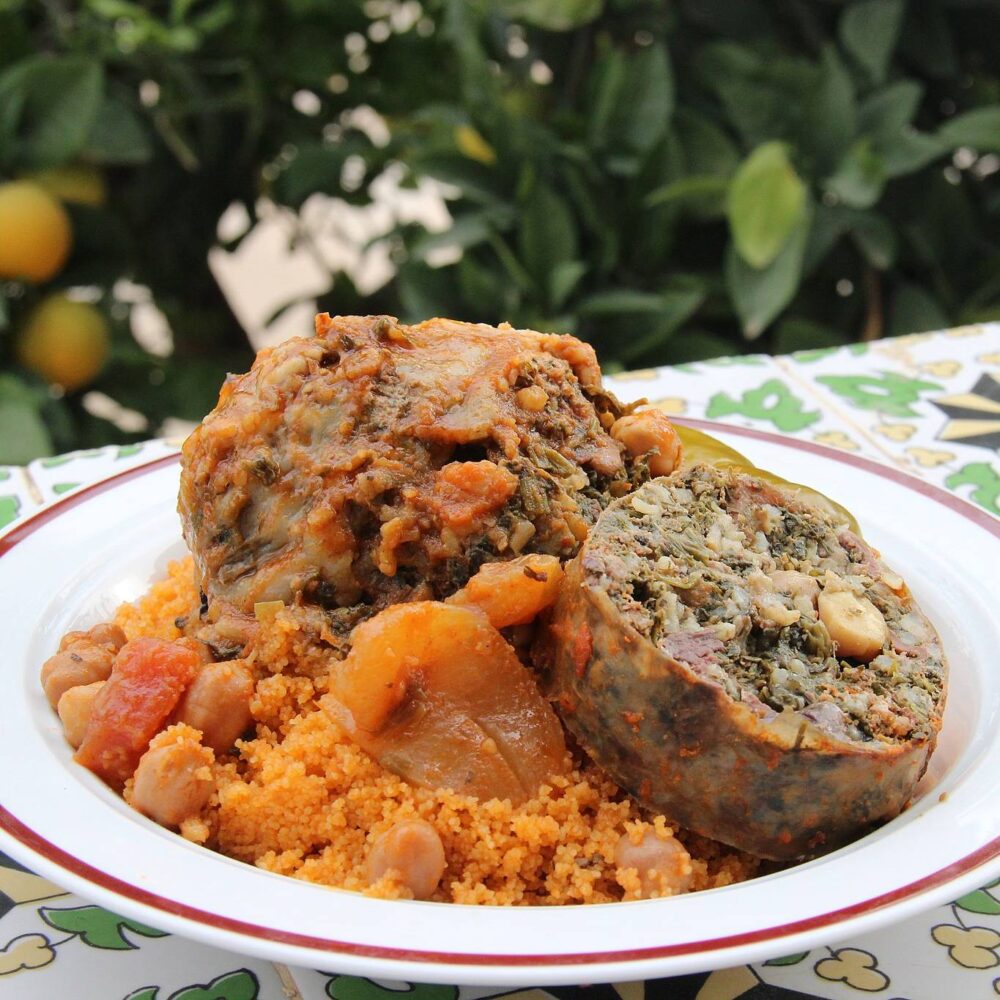
Tunisian cooking leans on bold flavors. Olive oil, harissa, couscous, semolina pasta, and a wide range of spices. Vegetables show up everywhere, and staples like lamb, canned tuna, peppers, onions, tomatoes, and chickpeas are part of daily meals. Chickpeas even appear in desserts.
Tunisian food is generally spicier than its neighbors, and the liberal use of North African signature harissa is a big part of it. Moroccans and Algerians enjoy plenty of spice too, but Tunisians take heat way further.
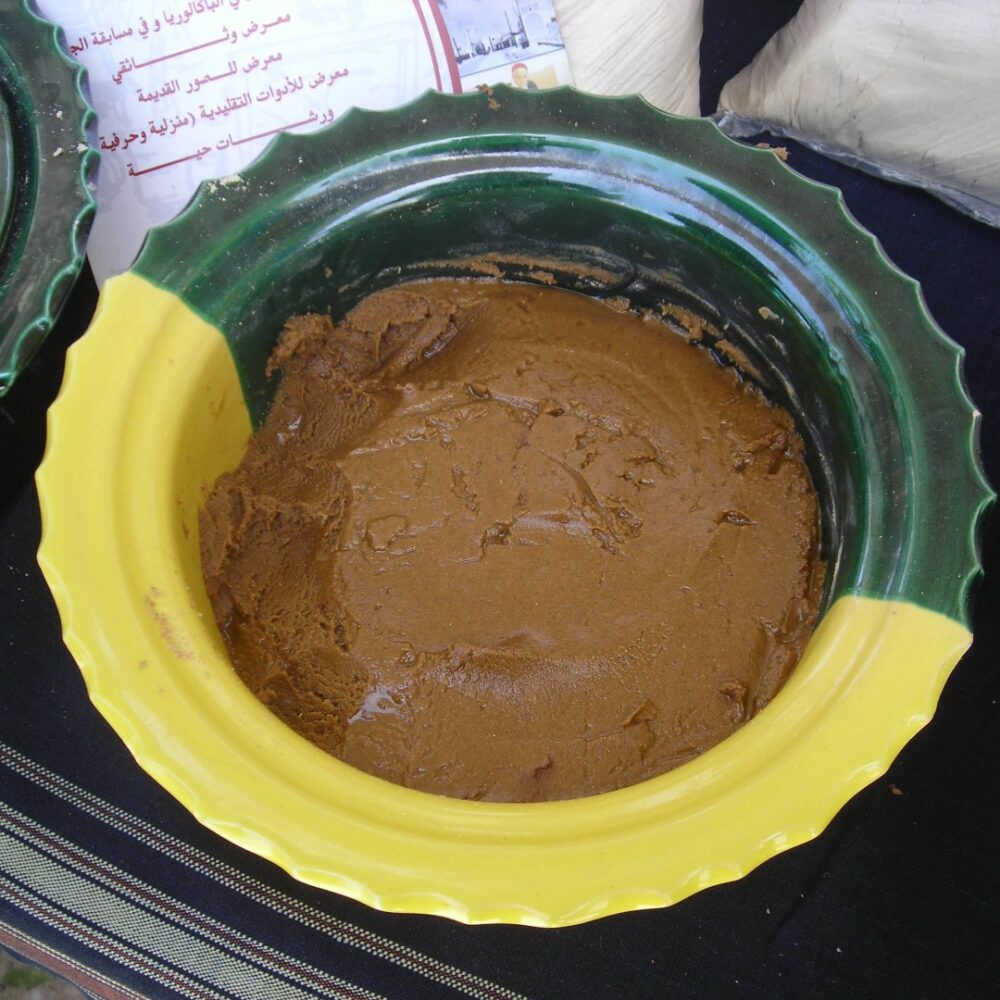
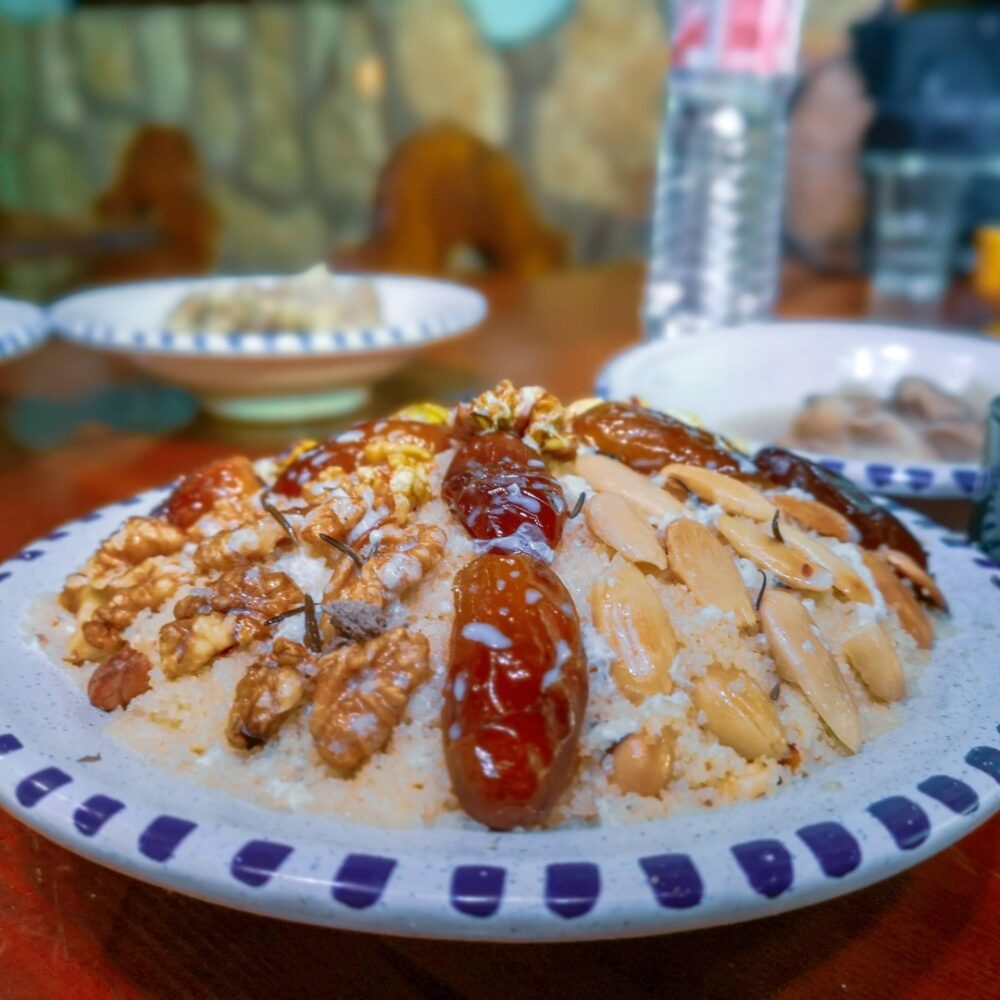
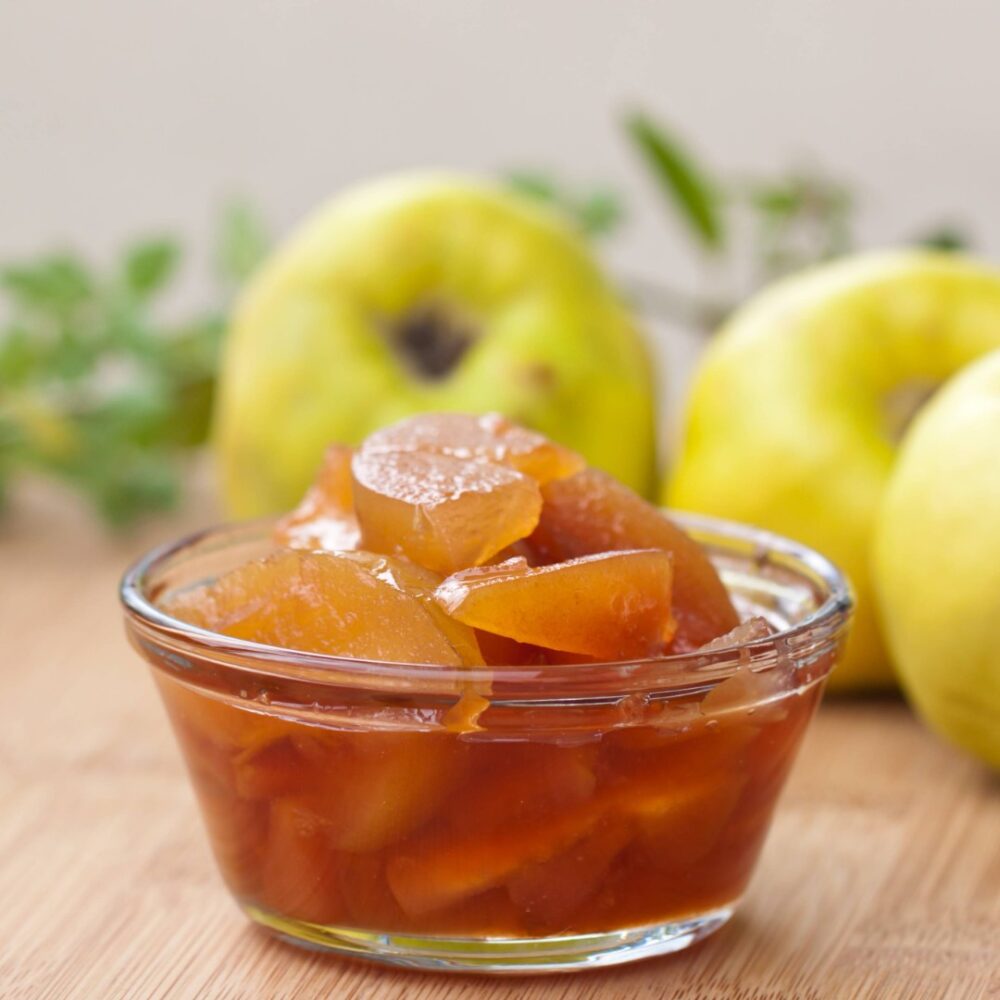
A typical Tunisian breakfast would include fresh bread – baguette or flatbread, eggs in various forms, harissa, tuna, olive oil, honey, quince jam, and dates. A very traditional breakfast would include drop – sorghum pudding, abscissa roasted cereal dish, sweet couscous mesfouf, and Tunisian pancake ftayer.
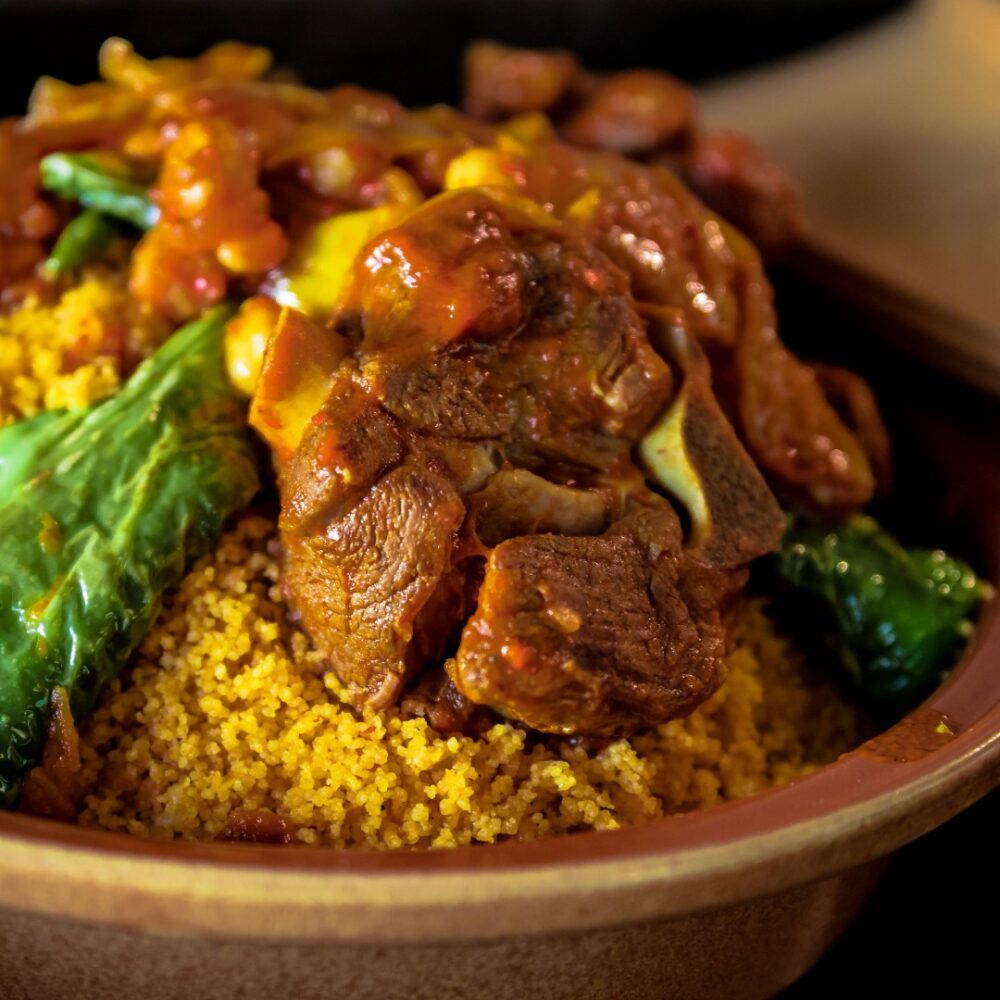
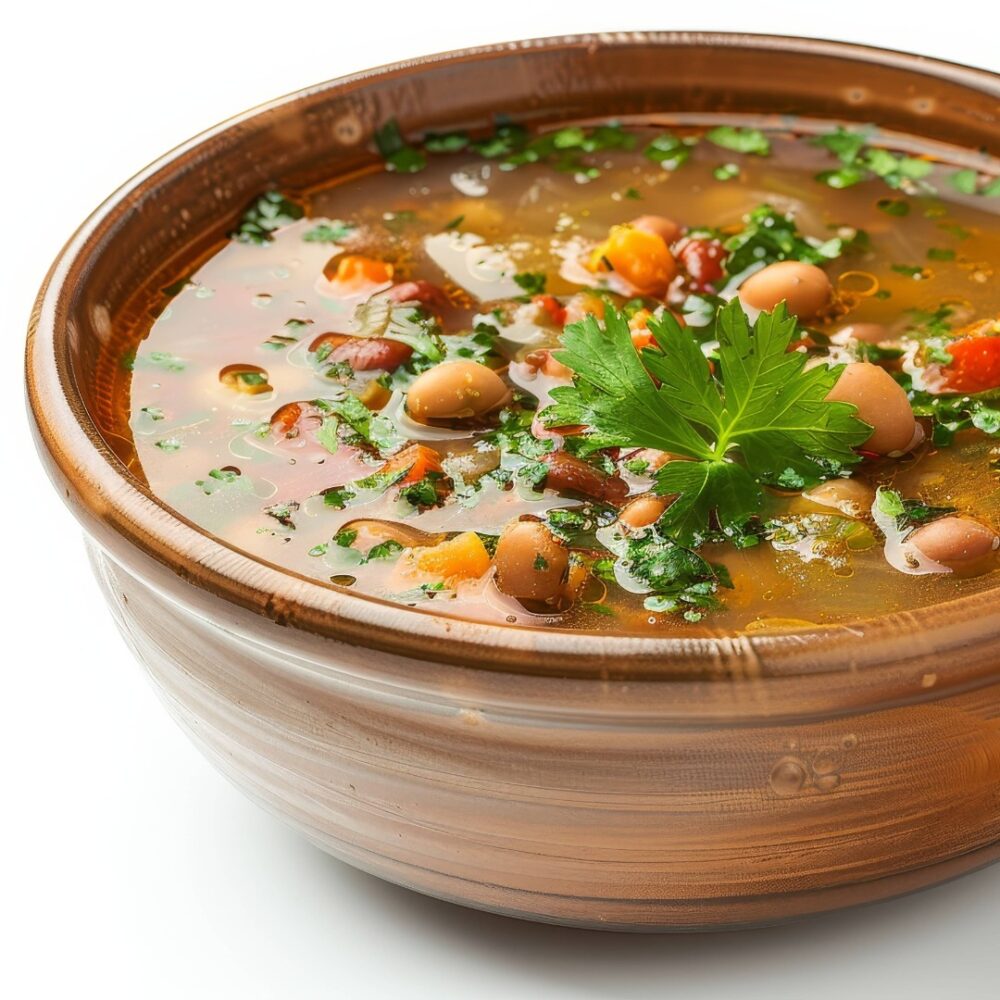
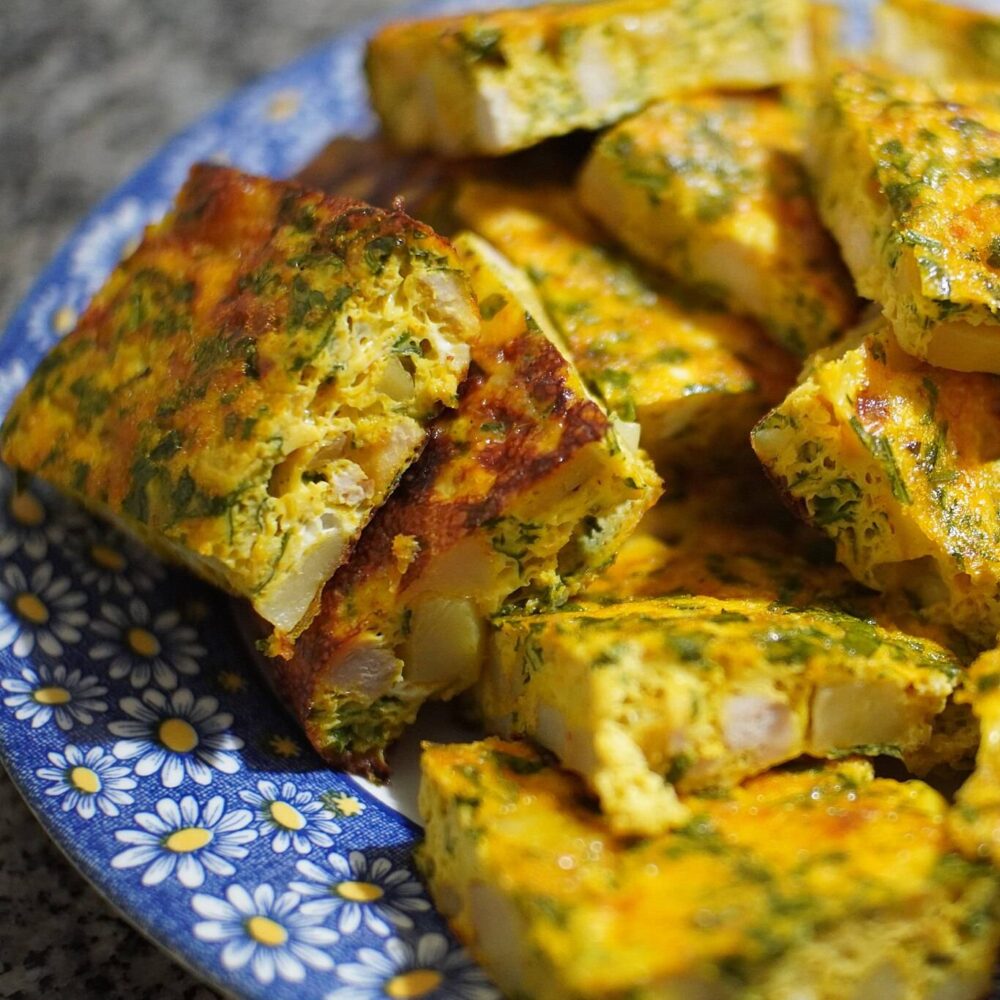
Lunch is the day’s main meal, starting with salad or soup chorba. The main course could be a generous serving of couscous with meat and vegetables, traditional tajine (a type of quiche or omelet, not to be confused with the Moroccan dish), or pasta. Lunch is a leisurely affair, often followed by a rest; taking a nap afterward is not reserved only for weekends and holidays.
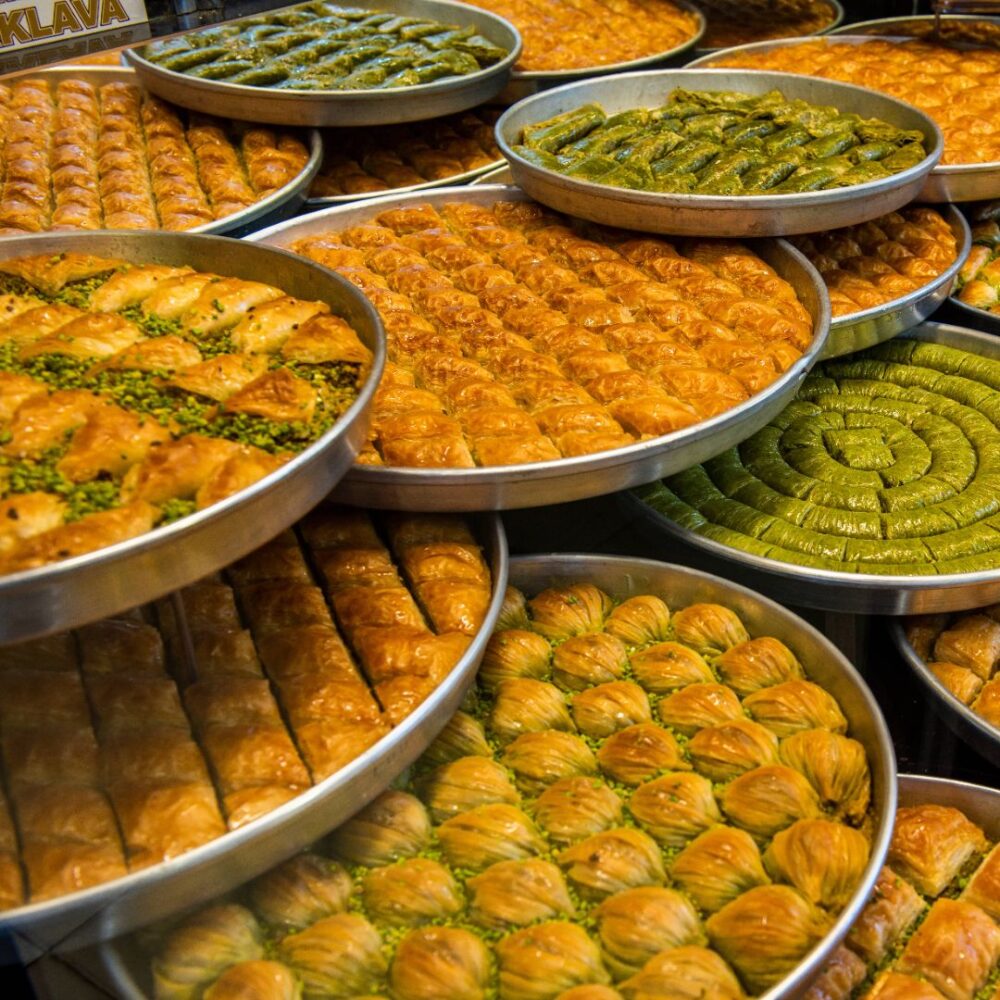
Dinner is lighter, served after sunset, especially during the hot summer. It might consist of lighter salads, grilled meats, soups, sandwiches, or leftovers from lunch. The meal typically concludes with fresh dates or baklava.
Throughout the day, mint tea and coffee are enjoyed. Mint tea in some regions is served with pine nuts. Although Tunisia is a Muslim country, alcohol is available, and red and white wines are produced locally.
Food is served at a knee-high round table, but this has now changed to match the European habits of tables and chairs. Males and females may often eat separately: men first and then women. Food is served from a communal bowl. Although most people now use forks and knives, traditionally, food is eaten by hand. If you are ever at such a home, use your hands to scoop the food with the first two fingers.
GRAINS IN TUNISIAN CUISINE
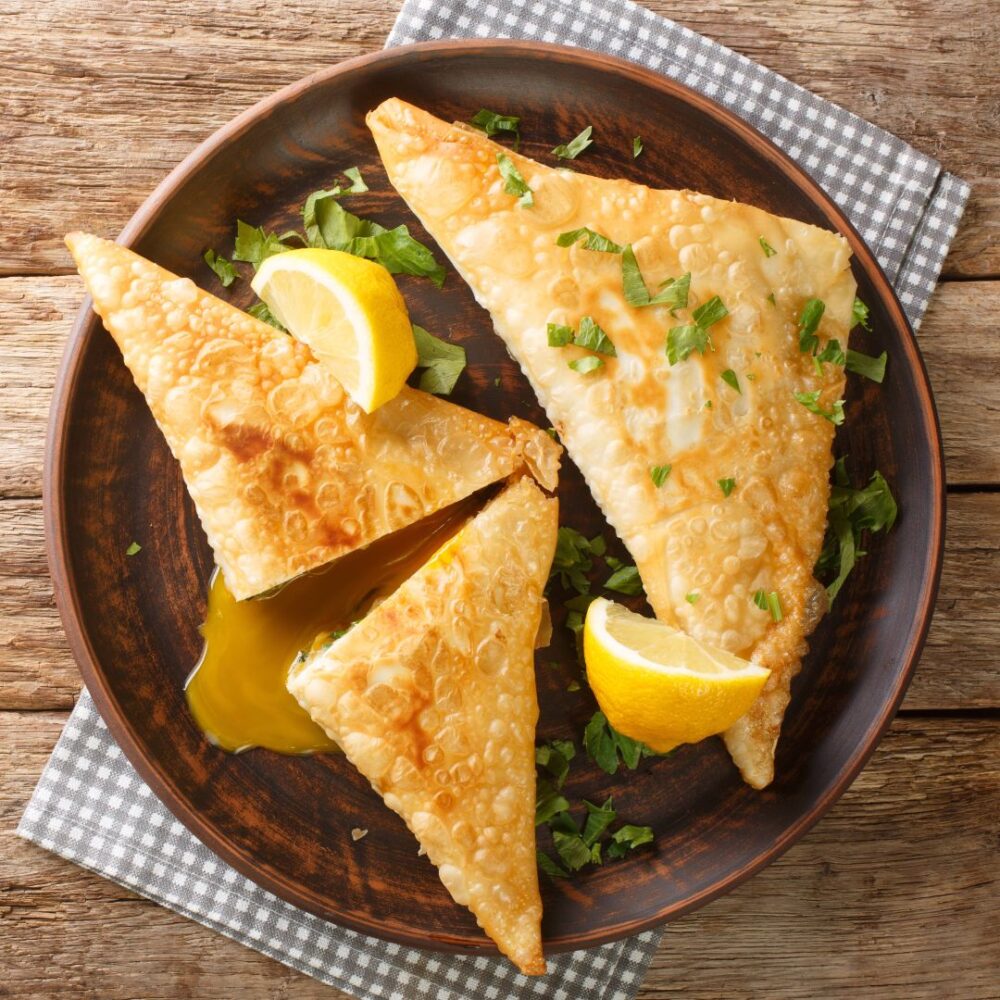
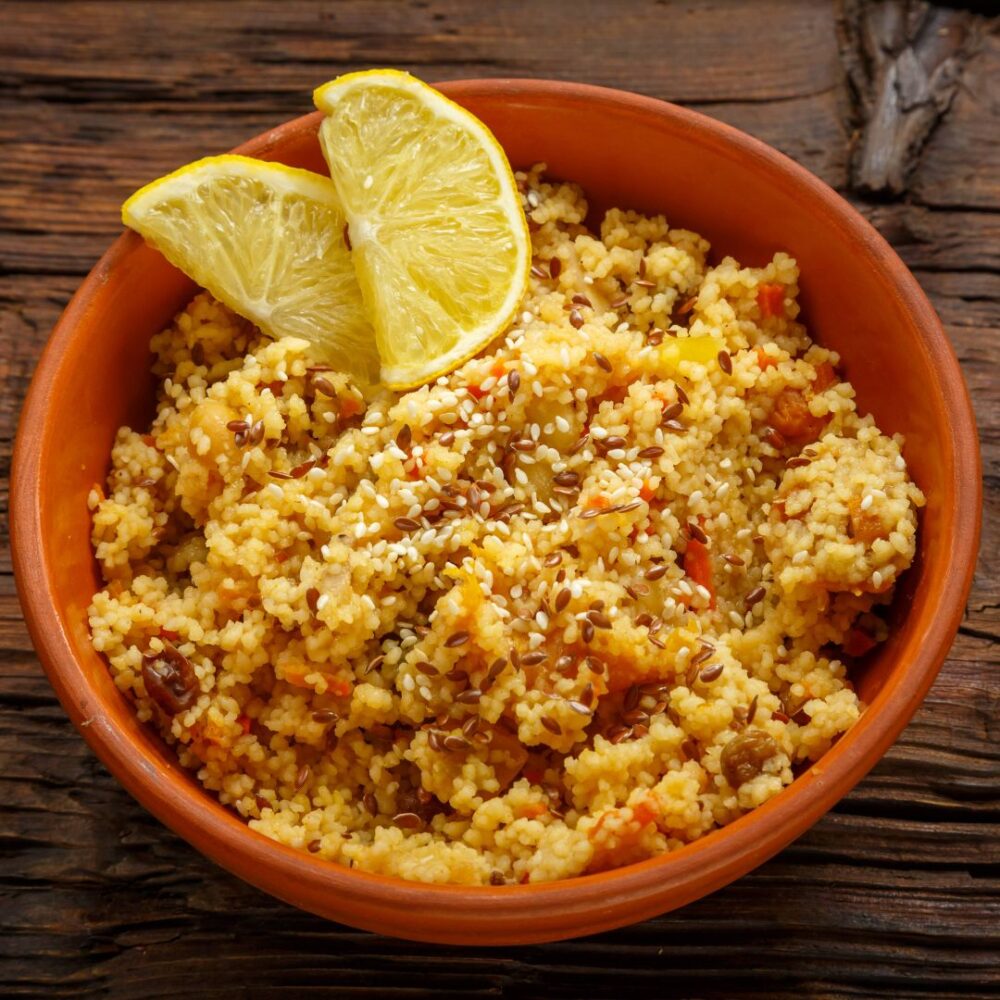
Wheat and barley prevail in Tunisian grain choice; corn and rice are rarer. Wheat, a foundational staple and one of the most important agricultural crops, features semolina couscous, a shared heritage dish in North Africa see Morocco, Algeria for more info about couscous. Wheat breads, pastries are super popular, like street food brik, sweet makroud, various types of cakes and bread-like sweets. Wheat is used in soups and stews, either as whole grains or as semolina.
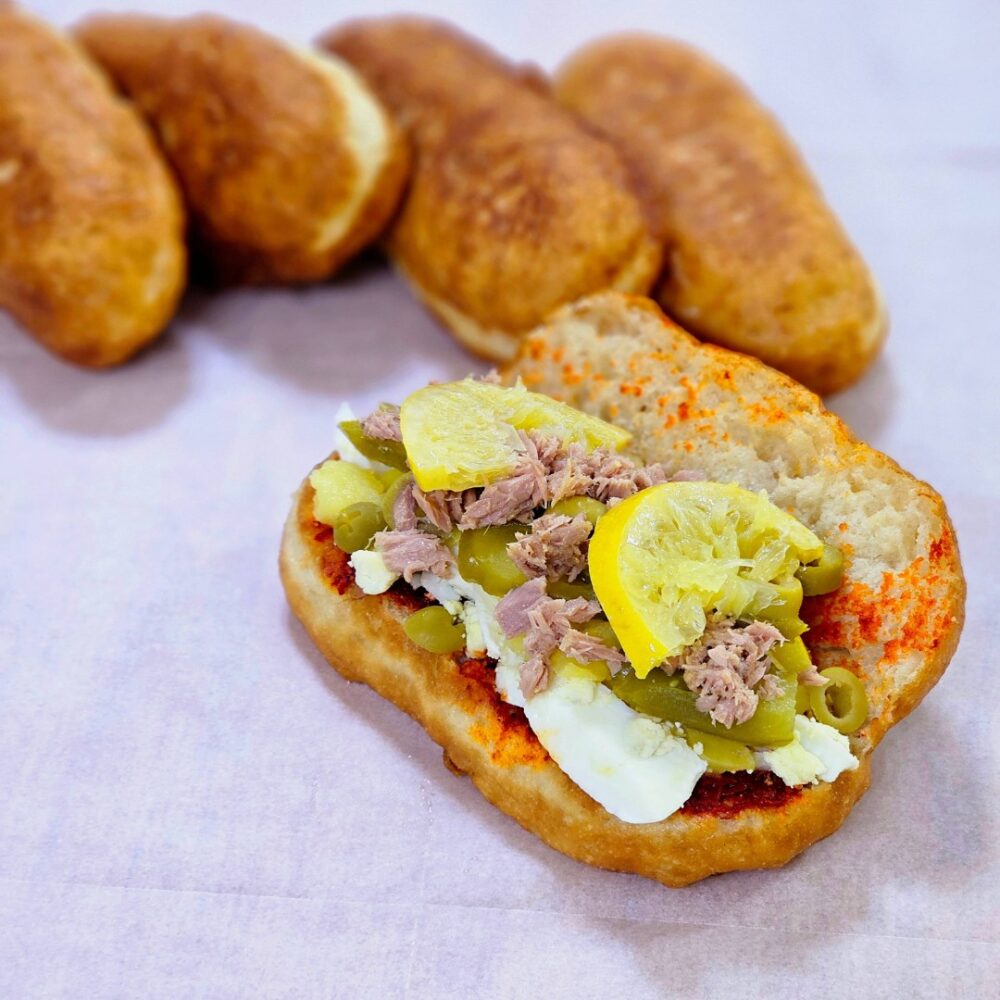
In Maghreb, bread is consumed with almost every meal, and there is a wide variety to choose from. This includes tabouna, a round, clay oven-baked bread with a crispy crust and soft interior, often used to scoop up stews. Mlawi is a flak fried flatbread, resembling a thicker version of the Middle Eastern paratha. Khobz Ch3ir is a barley bread, denser and darker than those from wheat, of a distinct, nutty flavor. The baguette is a legacy of French colonial influence. Chapati Tunisien, not to be confused with the Indian chapati, is a flatbread filled with a herbs, spices, and sometimes meat, then grilled. Kesra or kessra is a round flatbread made with semolina and whole wheat flour. While not a bread in the traditional sense, fricassé is a small fried dough with stuffings, a very popular street food.
 People in Tunisia eat more pasta than nearly everyone else on the planet - 17 kilos per capita in a year! Only Italians consume more.
Even with Italy so close, Tunisian pasta dishes stand out as their own distinctive creations. Pasta in Tunisia is served with a thicker, spicier sauce that includes a mix of fried ingredients poured over the top. Makrouna, a generic name for pasta, usually starts with a sauce containing concentrated tomato paste, abundant garlic, spices, harissa, and chicken, potatoes, or chickpeas. Steaming pasta is a distinctive cooking method in Tunisian cuisine, while pasta is boiled in many parts of the world. Pairing pasta with olives, capers, tuna, seafood, meat, cumin, coriander, caraway, and turmeric is not rare.
PRODUCE IN TUNISIAN CUISINE
Potatoes are a relatively recent addition to Tunisian cuisine, introduced during French colonial rule in the early 20th century. In the post-colonial period, potatoes emerged as an important urban convenience food in the form of French fries. In rural areas, potatoes are still considered a side vegetable to be added to sauces (same source).
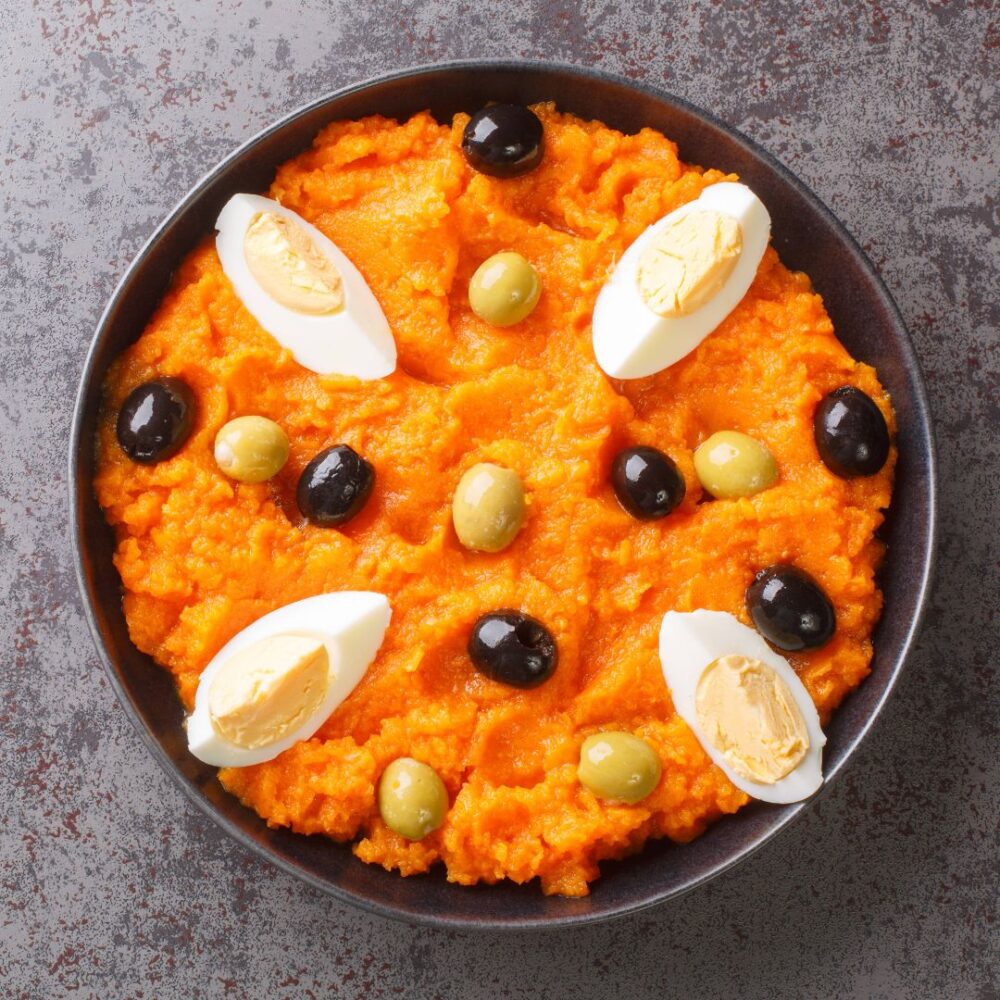
In Tunisia, s’latas refers to salads, but they are not just sides, but a diverse, colorful veggies: tomatoes, cucumbers, and bell peppers, seasoned with coriander, mint, and harissa. S’latas can be appetizers, setting the stage. No surprise, Tunisia is the first in the Mediterranean by veggie consumption (and among the top 10 countries in the world by vegetable consumption per capita – more than 700 grams daily!). Tomatoes are an absolute staple for salads, stews, and sauces. Tunisian salads can also include tuna, boiled eggs, olives, and capers, offering not only North African but also South Mediterranean flavors.
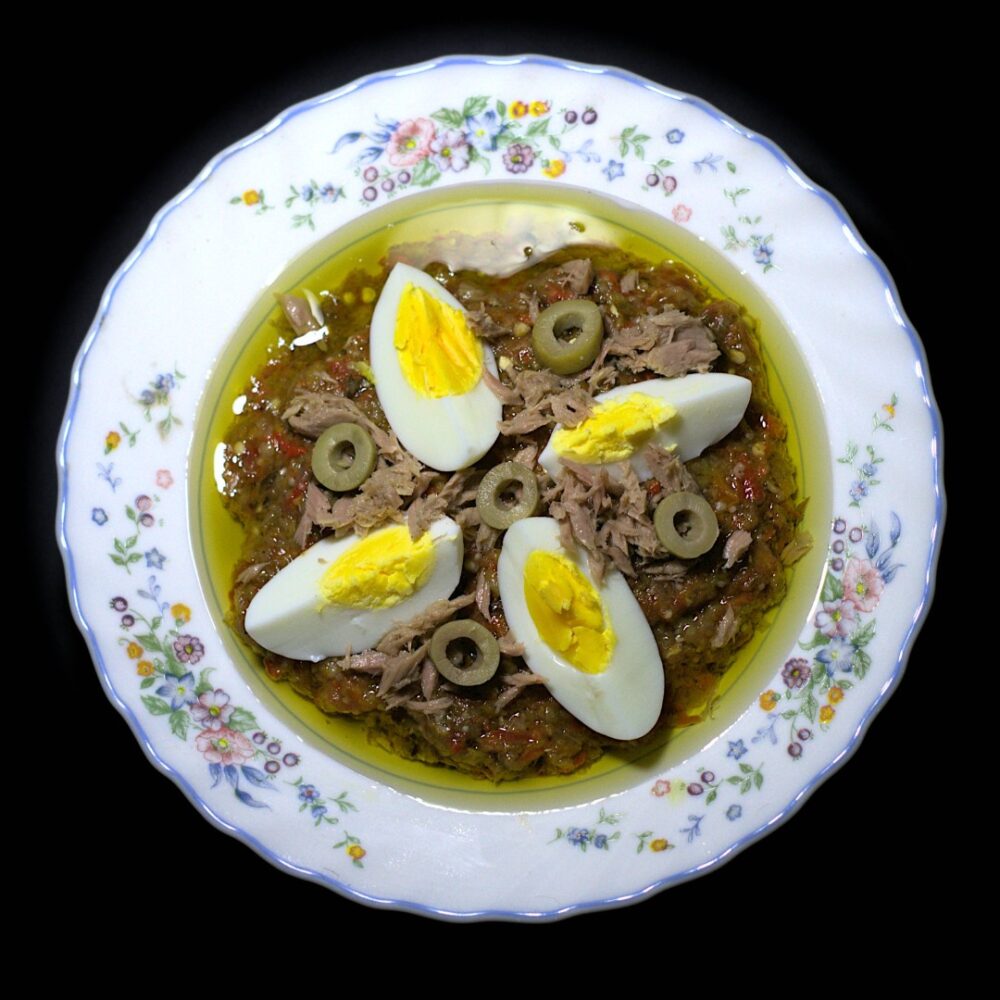
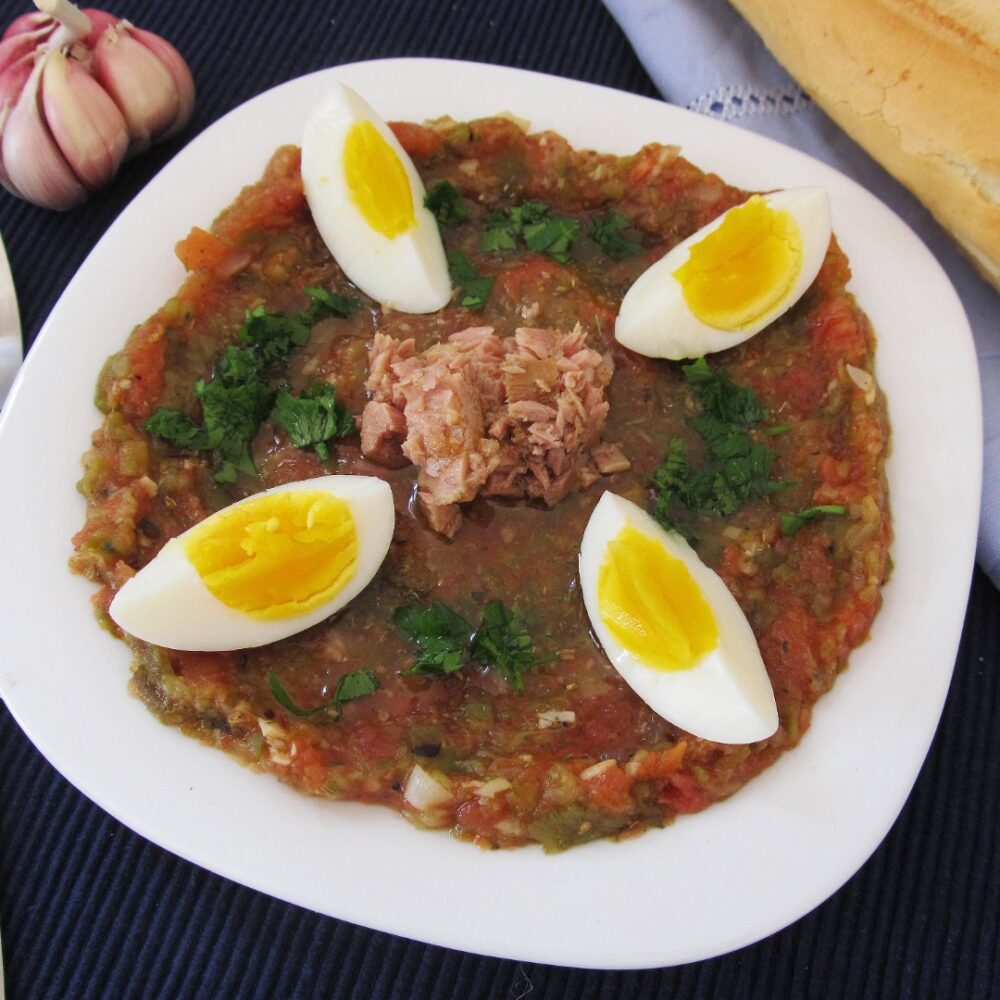
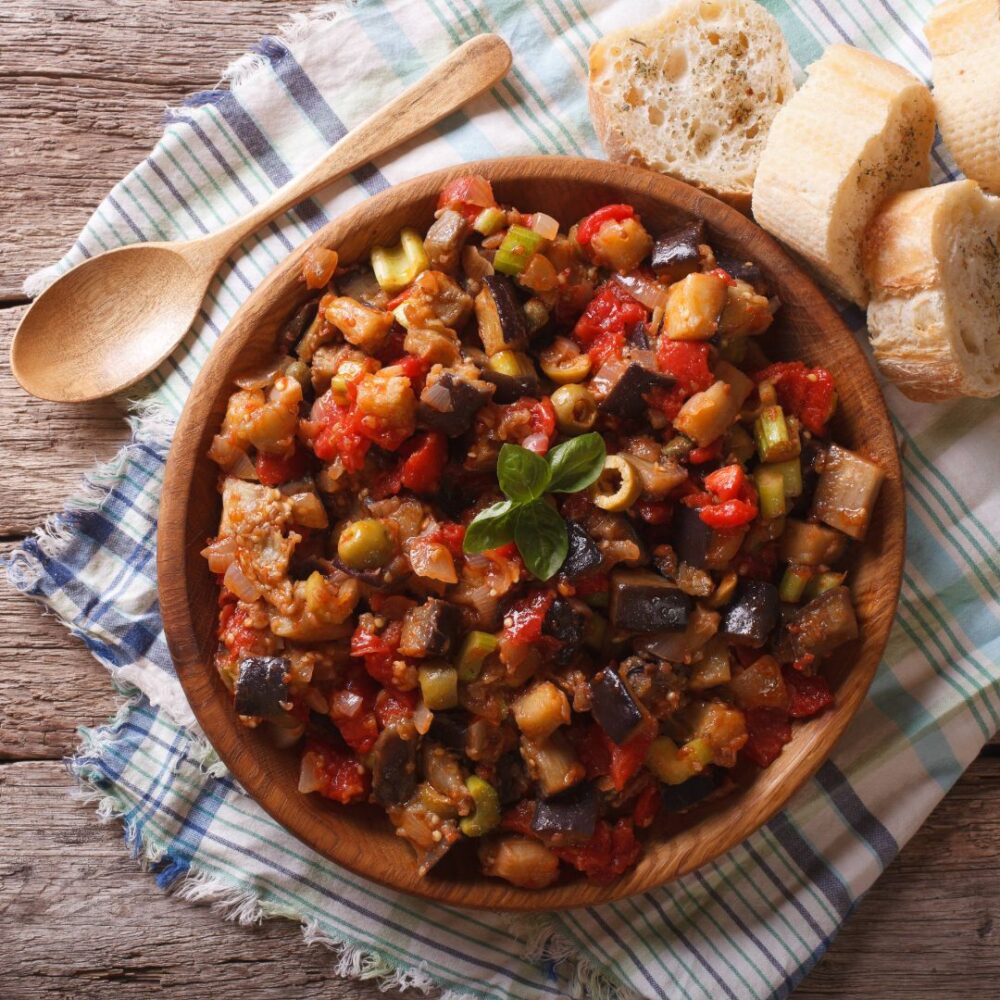
There are also many varieties of mashed salads. One of the most popular is mechouia salad: grilled bell peppers, tomatoes, onions, eggplants, and garlic, all peeled, finely chopped, mashed together, and drizzled with olive oil, lemon juice, and few spices. It can be additionally garnished with eggs, tuna, olives, or capers.
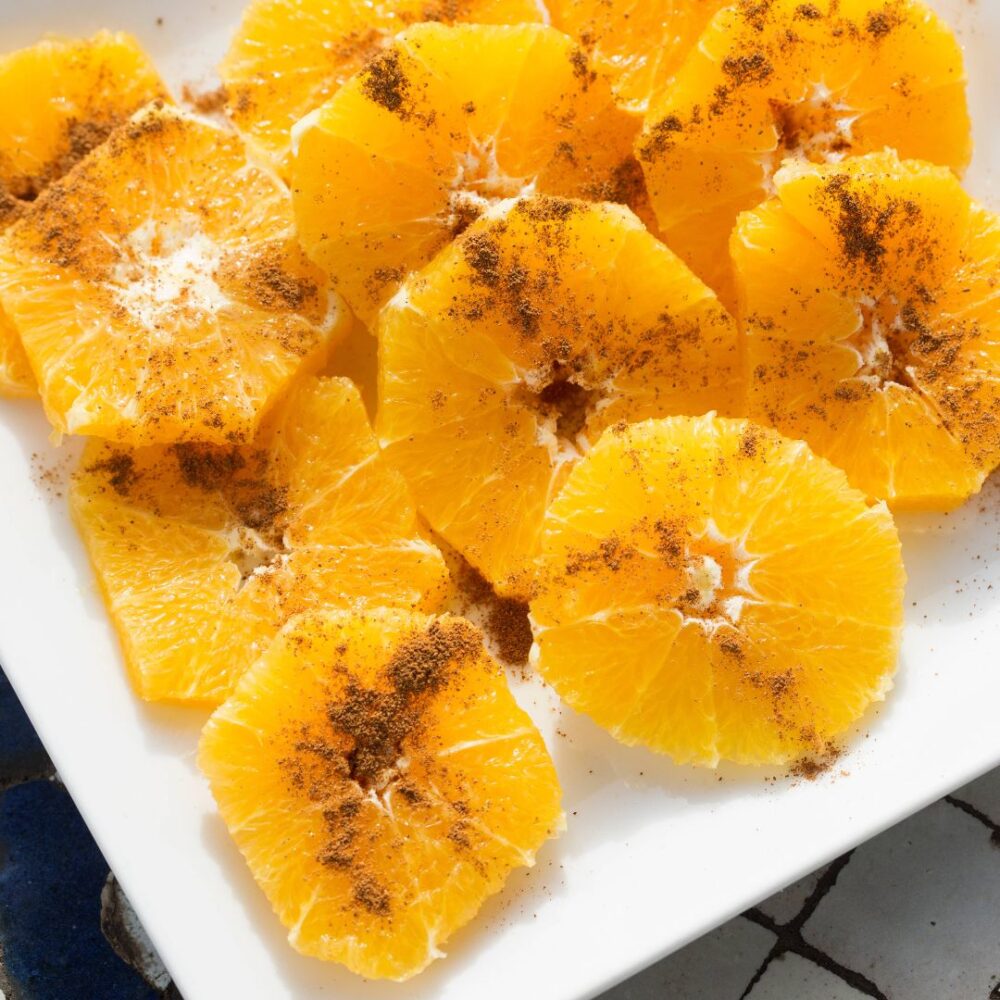
Fresh fruits are common snacks, especially figs, pomegranates, dates, oranges – all abundant in Tunisia. Dates and figs are stuffed with nuts to create rich, sweet treats. In savory dishes, fruits are paired with meats to balance lamb or chicken with apricots.
Thanks to its location along the warm and sunny Mediterranean, Tunisia produces some of the best lemons, limes, oranges. Preserved lemons are a key ingredient in many Tunisian dishes, adding a unique citrusy flavor that cannot be replicated with fresh lemons alone.
MEAT IN TUNISIAN CUISINE
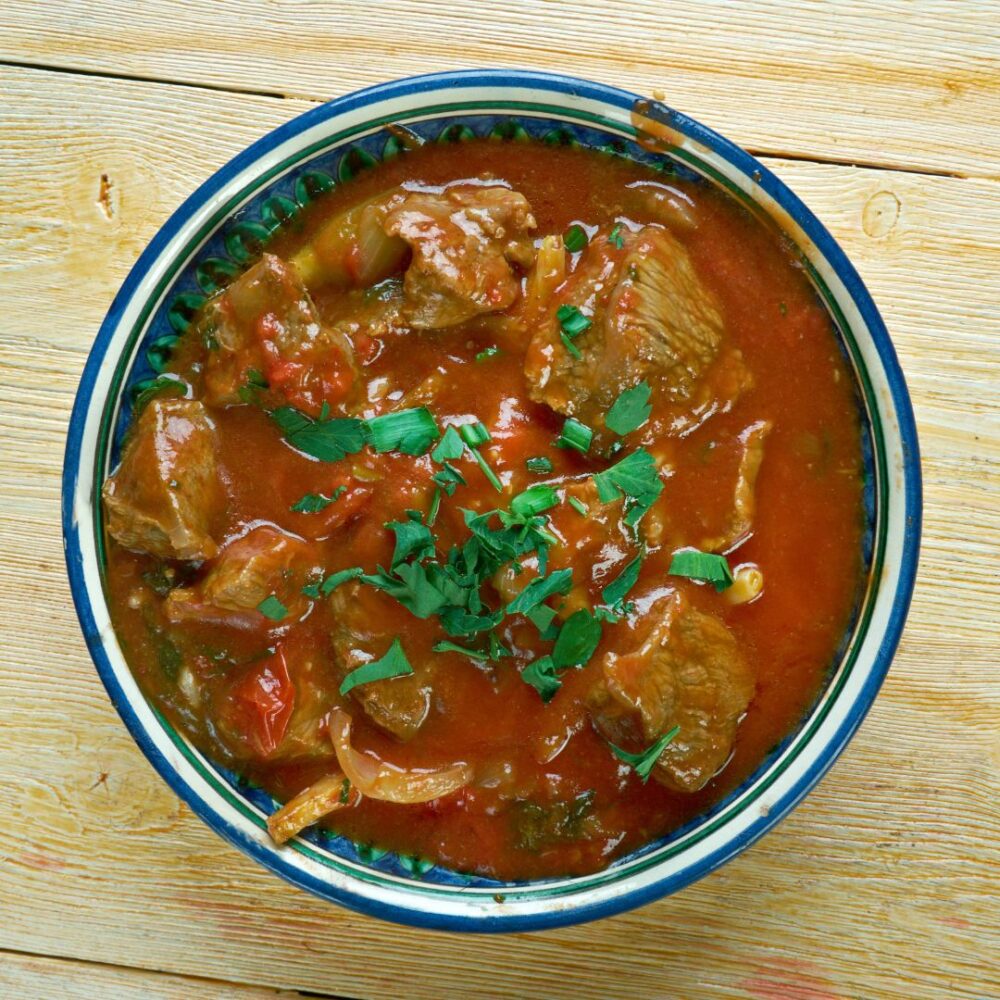
Lamb and beef are the most preferred meats, followed by chicken and occasionally goat. Tunisian meat dishes are known for their rich, complex flavors, achieved through slow cooking and heavy use of spices.
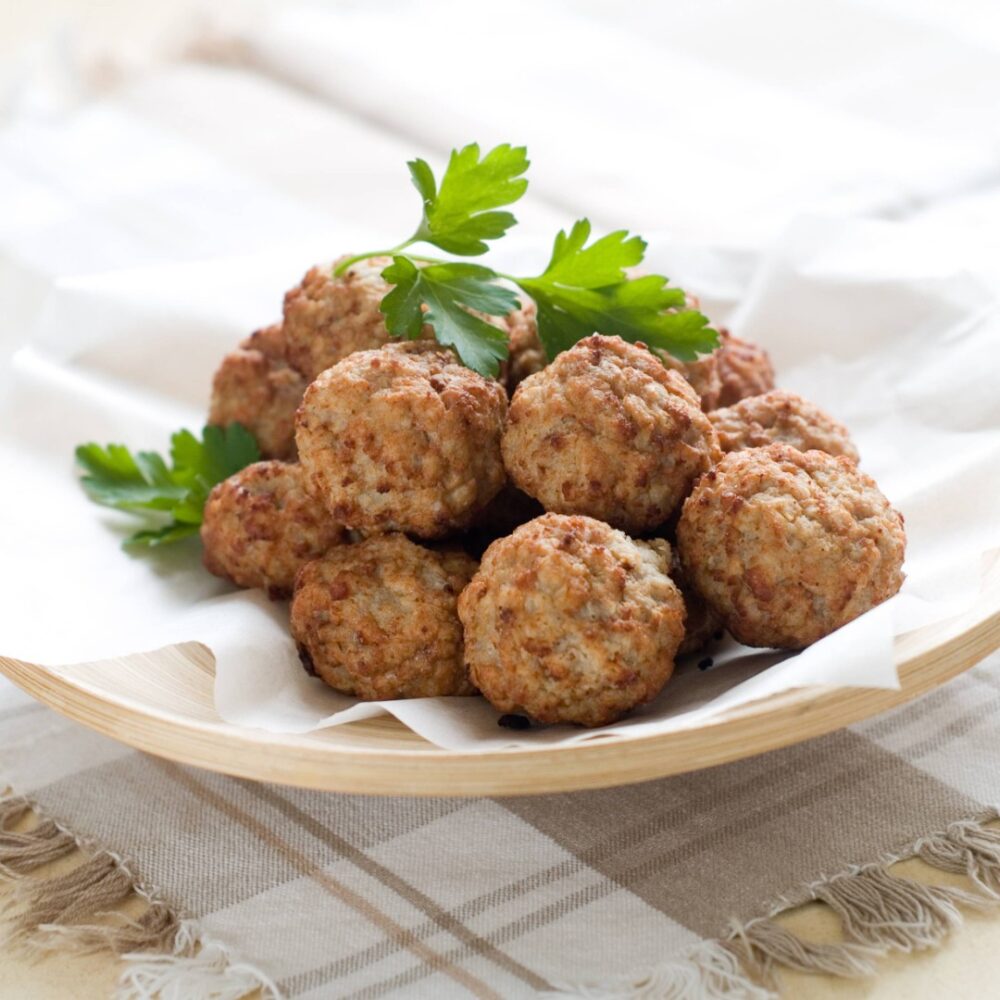
Merguez, a spicy lamb or beef sausage, is an iconic product in Tunisia. Grilled meats, particularly lamb, are popular and often served as part of a mechoui, a festive roast. Tunisians also fondly like kefta, seasoned ground meat formed into balls or patties. A unique aspect of Tunisian meat consumption is the use of organ meats – brain, liver, intestines, lungs, heart – none is left out. Closer to the Atlas mountain range, the game is favored – quail, pigeons, squabs, partridge, rabbits, and hares.
Tunisia’s approach to offal cooking combines bold spices with traditional cooking means. Their version of akod, where lamb liver is wrapped in fat and grilled, shows similarities to Moroccan dishes but with distinct Tunisian spicing. The Tunisian karcha (tripe stew) is known for its rich, spicy broth and long cooking time.
Snails have been eaten in Tunisia since prehistoric times, as excavated mounds of shells mixed with stone tools and artifacts in the region of Gafsa have proven.
Snails have been eaten in Tunisia since prehistoric times
Today, snails are still enjoyed in several regions but shunned in others.
FISH AND SEAFOOD IN TUNISIAN CUISINE
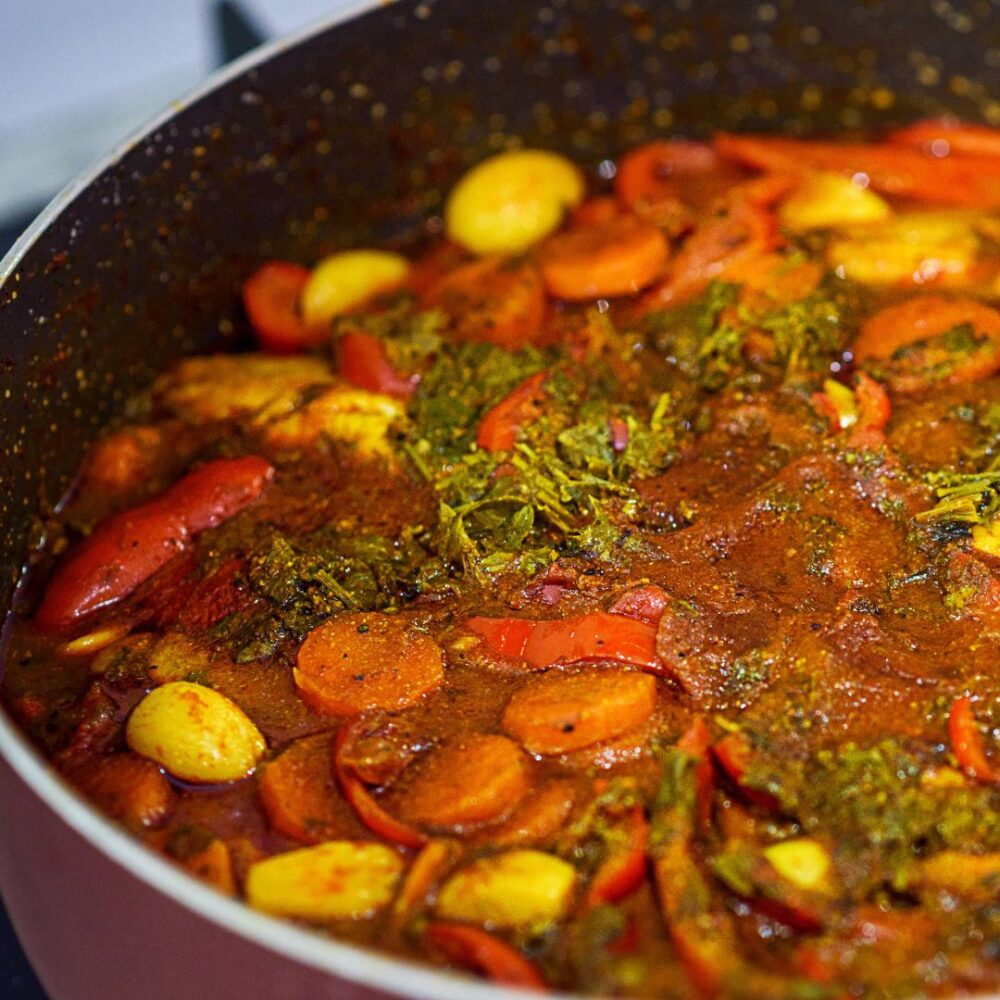
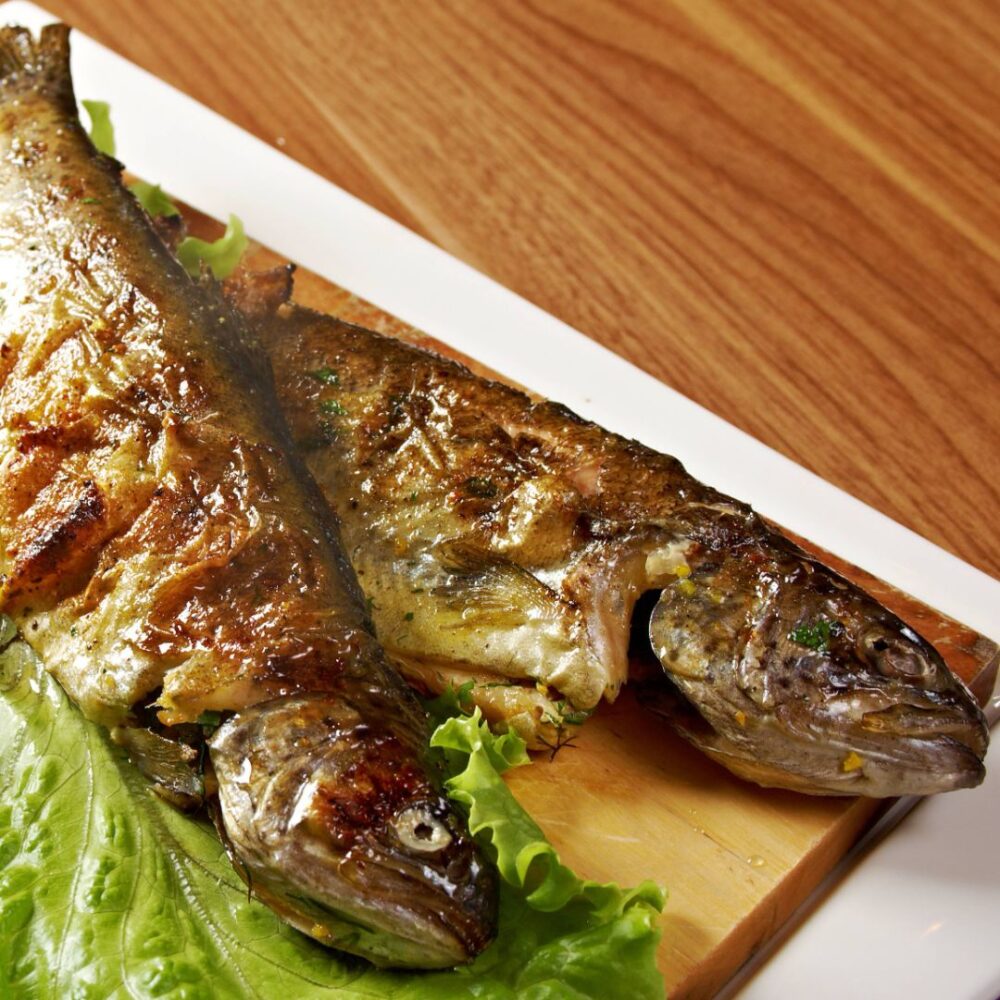
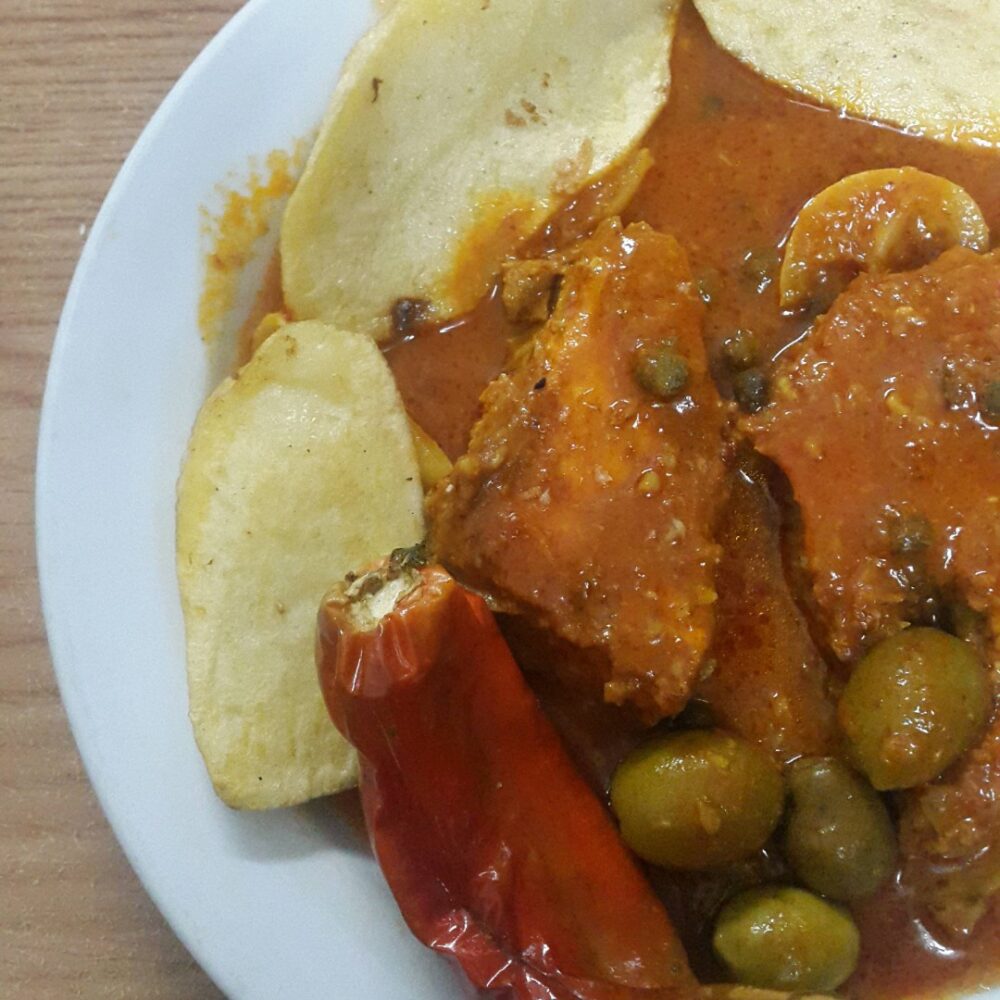
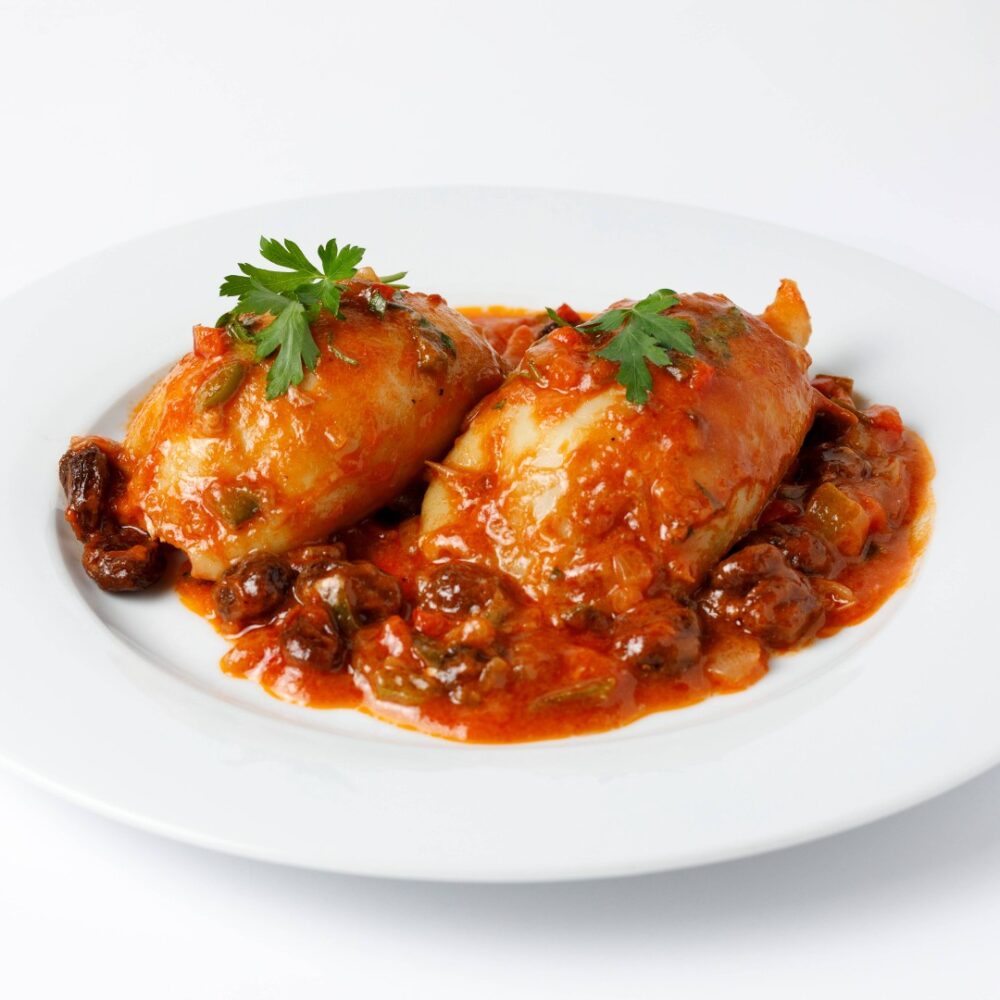
Tunisia’s extensive coastline provides a broader variety of seafood compared to its more landlocked North African neighbors. Grilled whole fish, couscous with fish, seafood stews, and pastry fillings with fish are frequent. Like meat and veggie meals, fish dishes also heavily feature harissa and chermoula sauces, olives, lemons, tomato dressings, and are served with bread. Squid, cuttlefish, and octopus are often cooked in hot, crispy batter with slices of lemon or stuffed and served with couscous.
Canned tuna is an absolute staple.
Until you have been to Tunisia, you have not realized the culinary possibilities of canned tuna: they put it on bowls of stew, dollop it on top of pasta, stuff it in brik, and toss it on the grilled salat, arrange tuna in a decorative pattern along with a quartered hard-boiled eggs and olives. Pizza in Tunisia arrives with a handful of canned tuna in the middle, even if it’s pizza Margherita. Sandwich shop customers who ask for no tuna often get a blank stare, a frown of confusion. The admission, “just a little” — and a sandwich scattered with tuna. Before canned convenience, many Tunisians along the coast preserved fresh tuna with salt and olive oil, drying it in the sun. Now, at least a half-dozen factories in Tunisia produce canned of tuna.
EGGS AND DAIRY IN TUNISIAN CUISINE
Another significant Tunisian dish is tajine, but please don’t be confused with the Moroccan or Algerian stew of the same name! In Tunisia, tagine is a completely distinct dish! Tunisian tajines are egg-based, akin to French quiche. The filling features meats and vegetables, cheese, and is baked in the oven. Cheese plays a lot in this recipe. You don’t see a whole lot of cheese in Maghreb, but there are some distinctive trans-Mediterranean influences from French, Spanish, and Italian cooking. As a cooking vessel, tagine is also rarely used, unlike in neighbouring countries.
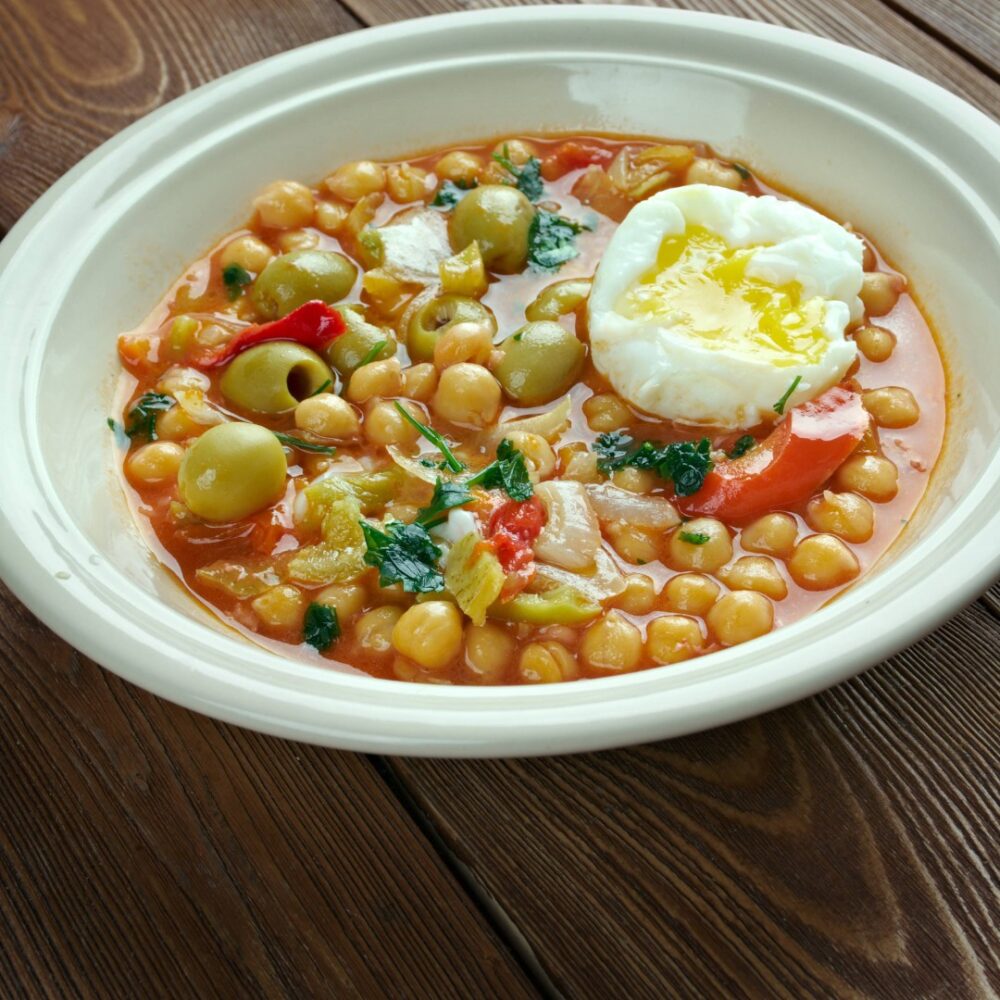
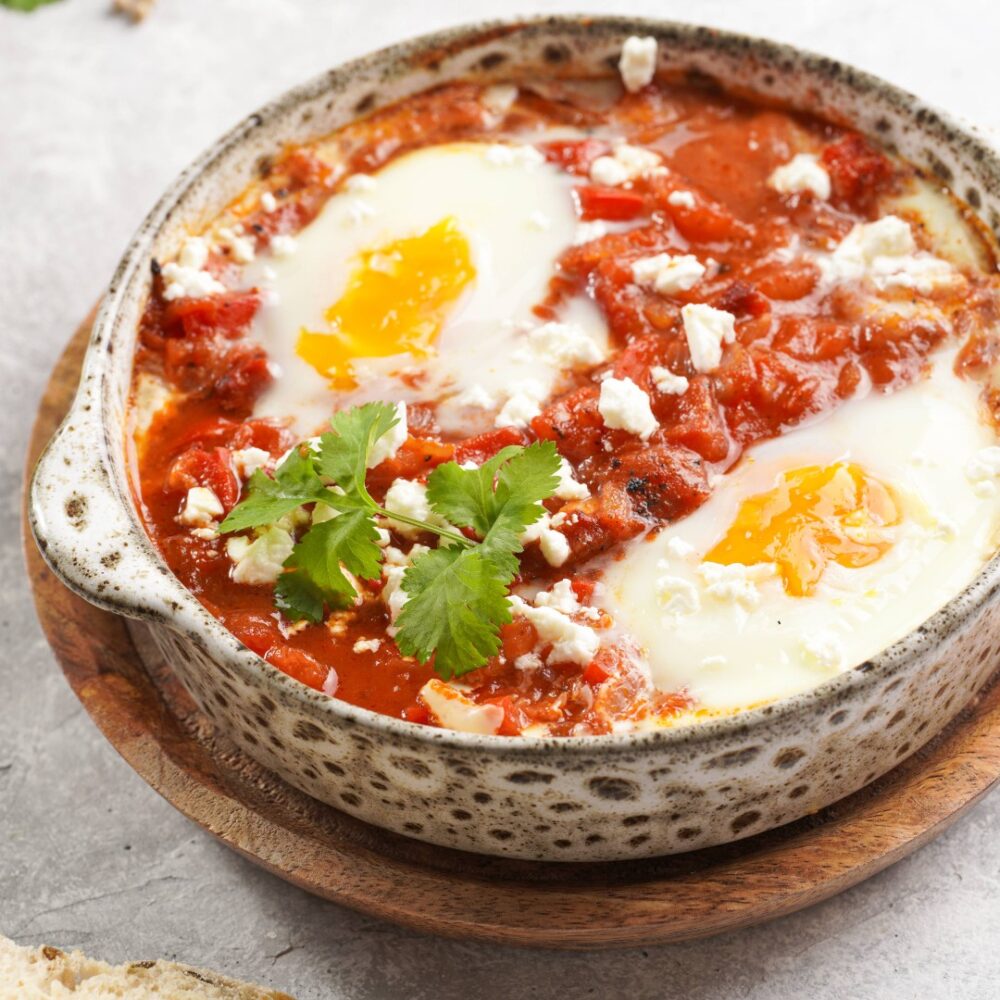
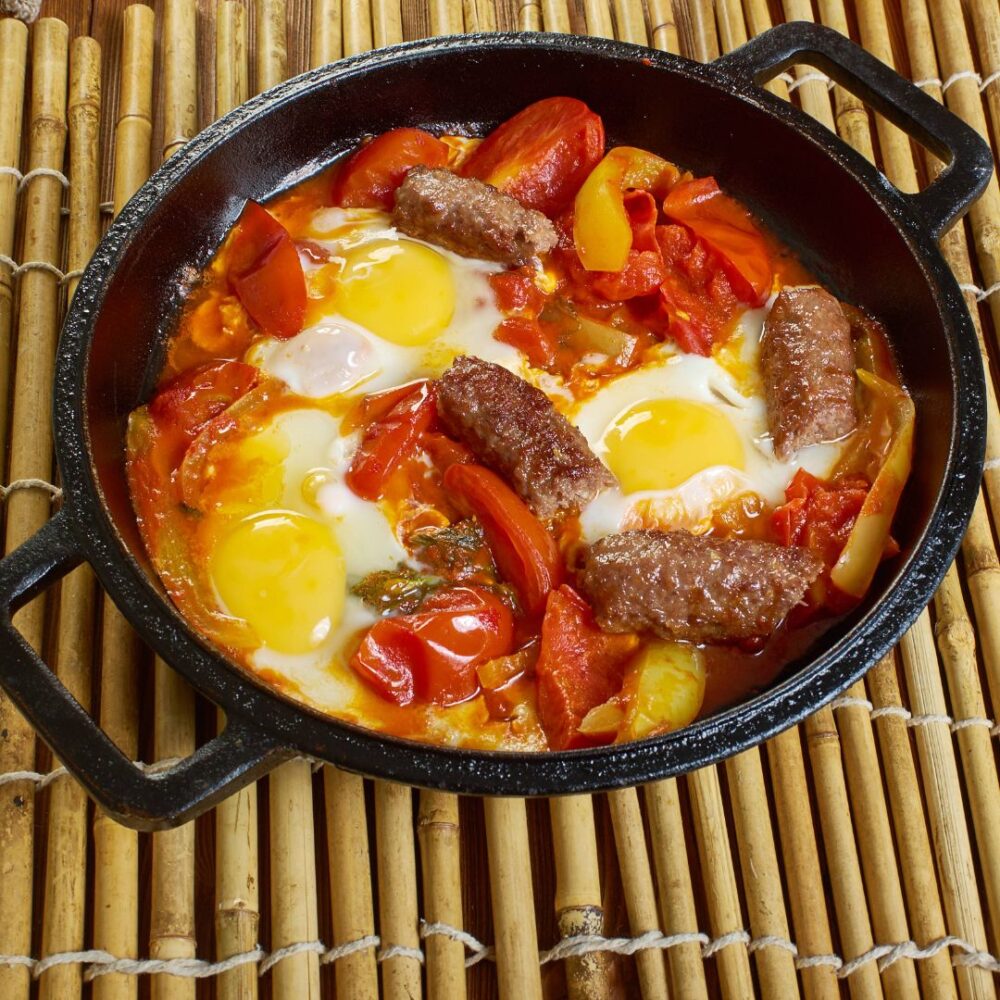
Shakshouka is a beloved dish in Tunisia. Where this dish is actually from is still disputed, with claims of Morocco, Tunisia, Turkey, and Yemen. Tomatoes, harissa, and merguez sausage are the usual ingredients here, but eggs are not mandatory. Also, Tunisian cooks may add potatoes, broad beans, artichoke hearts, or courgettes. When it comes to a very similar dish that contains eggs, it is called ojja.
Milk and dairy products are not central to Maghrebi cuisine, but they are consumed in fermented forms. Leben, a fermented milk drink similar to buttermilk, and rayeb, a thick and creamy yogurt, are popular. Another dairy product is jeb, or jben, a soft white cheese. In Arab-Muslim nomadic cuisines, butter is an essential fat, as it is often the only reliable source for shepherds and Bedouin. Clarified and fermented butters, made from goat, sheep, or cow’s milk, are staples. Smen, or rancid fermented butter, is made by mixing butter with salt and sometimes spices is used for flavoring.
OILS, NUTS AND DESSERTS IN TUNISIAN CUISINE
Tunisia is a land of olives, and olive oil is entrenched in culture. Some Tunisians even anoint newborns with olive oil. About 30% of the country’s arable land accommodates 82 million olive trees. Tunisia is the fourth biggest olive oil producer worldwide.
Not only the oil but olives are an equal staple: harissa, tuna, and olives make up the starter trio served at every restaurant across the country.
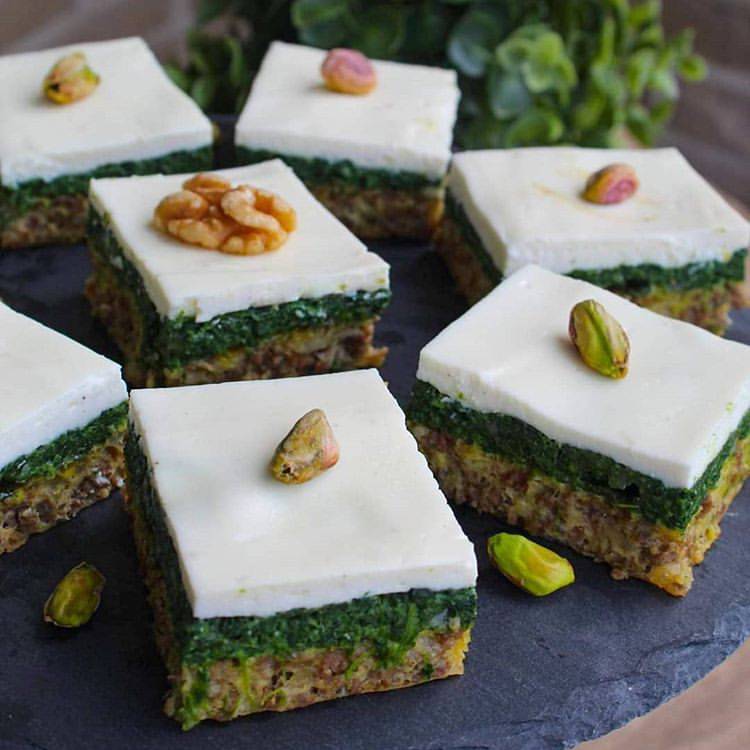
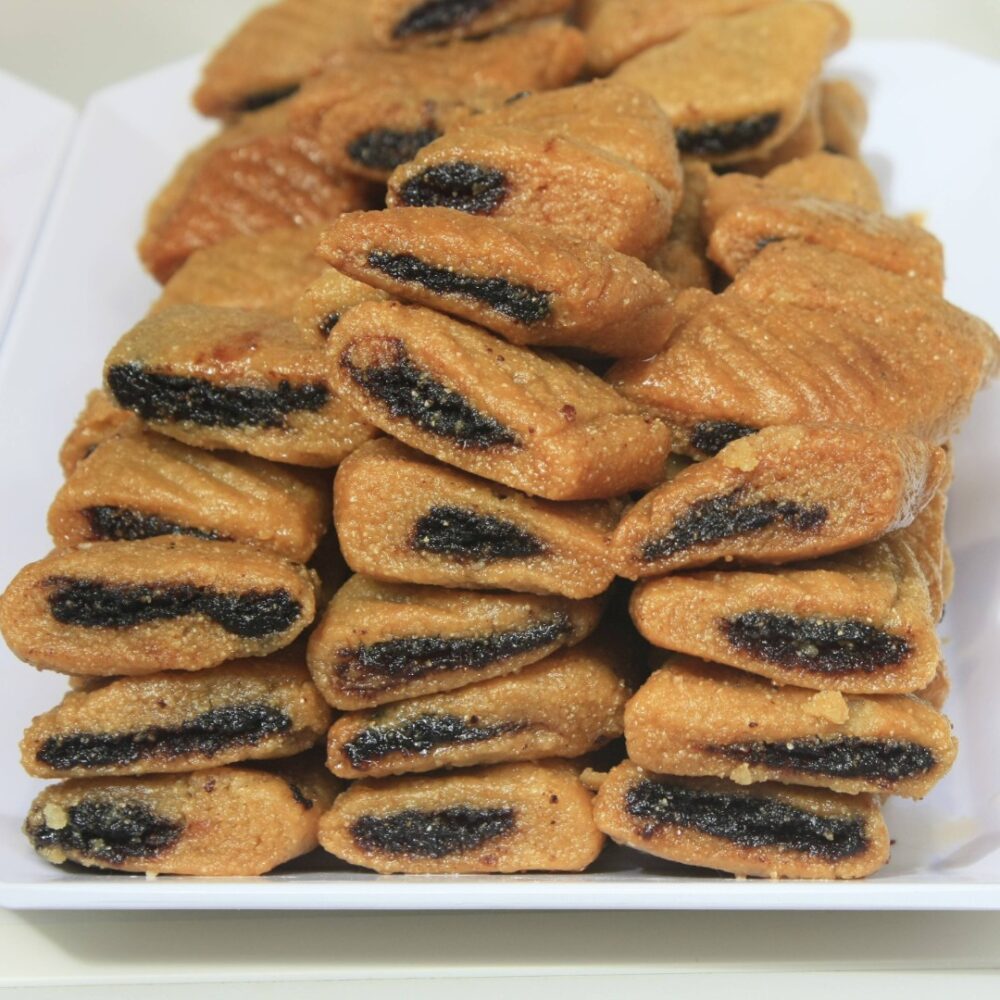
Nuts matter a lot in Tunisia. They may not dominate every meal, but they link Tunisian cuisine with the broader Mediterranean tradition. Savory dishes and especially desserts, such as baklava, makroudh, incorporate almonds, pistachios, pine nuts, and hazelnuts.
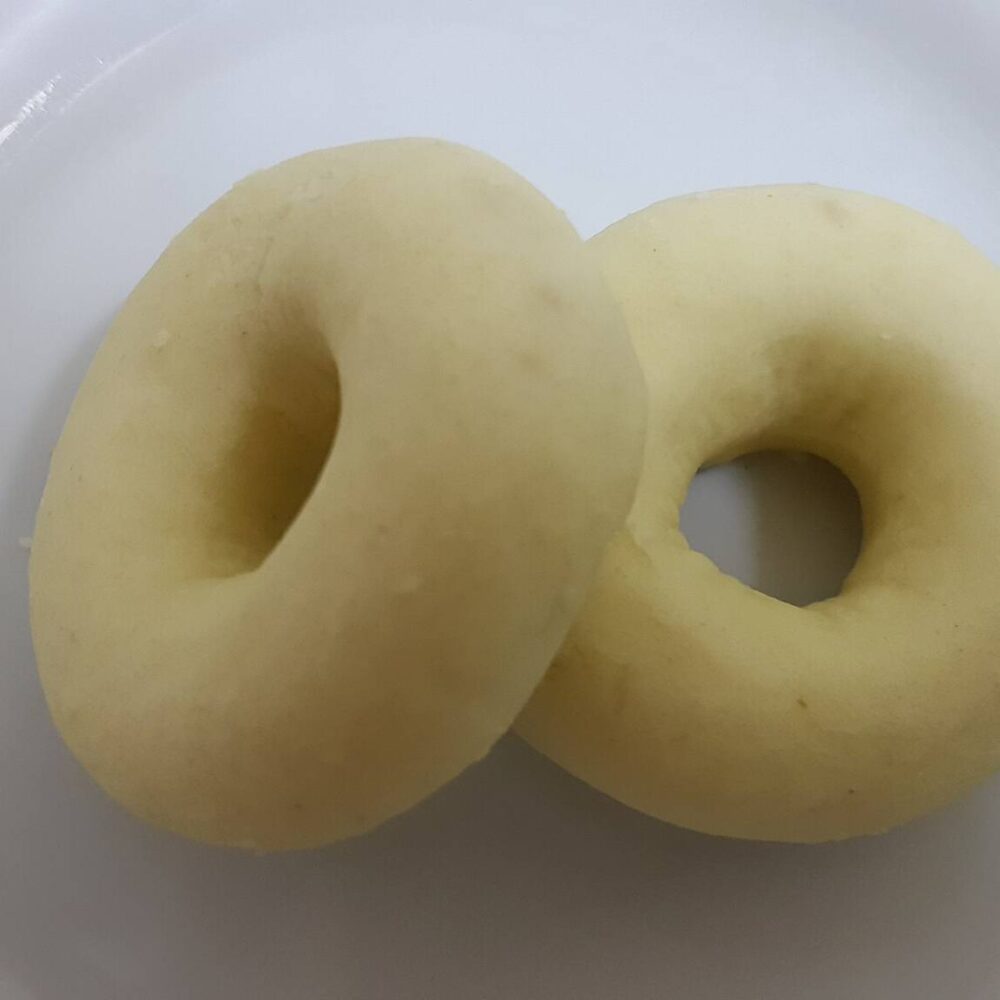
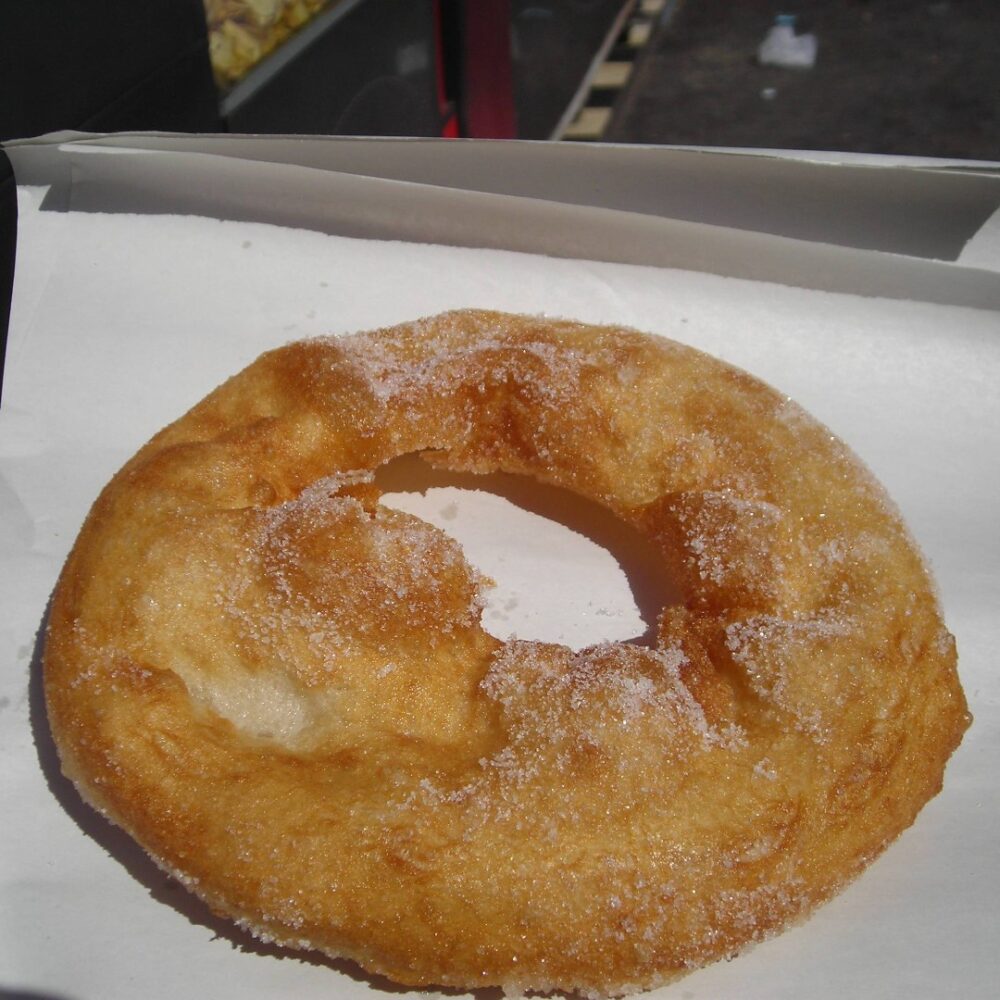
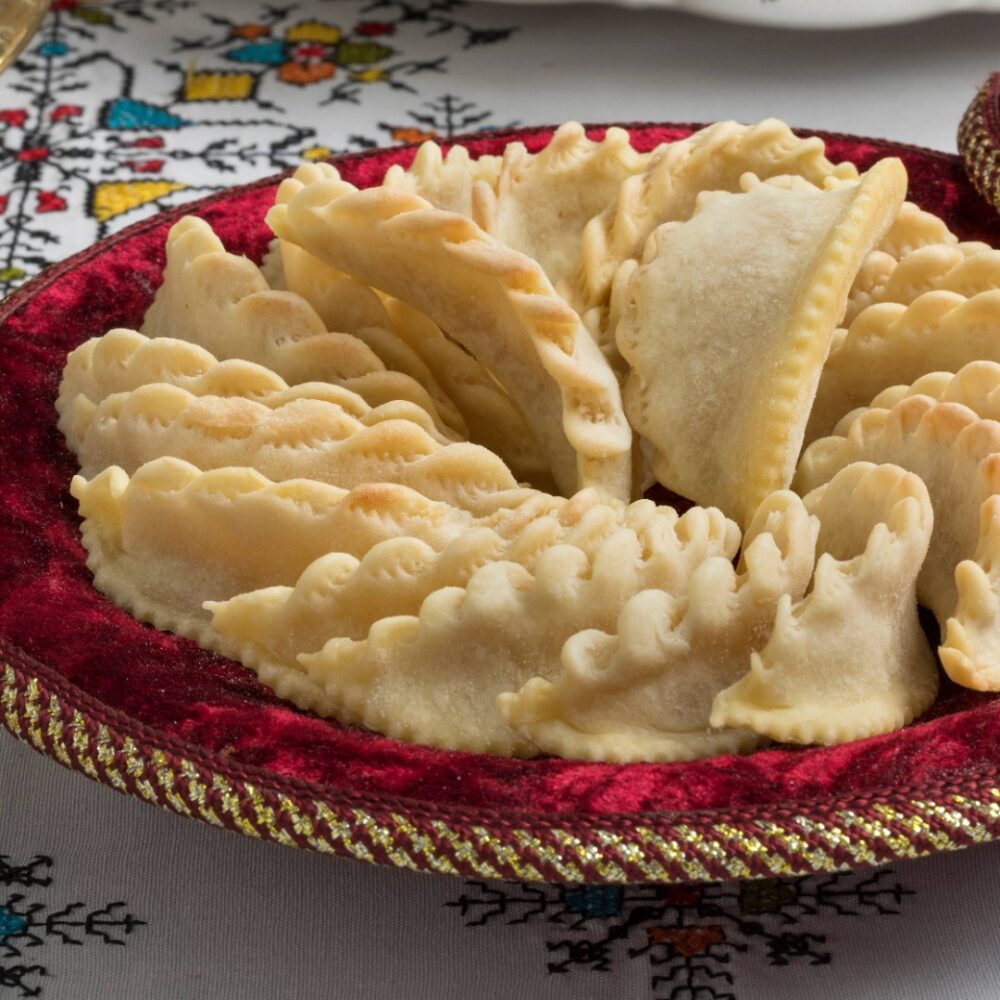
Tunisian desserts and sweeteners are similar to Moroccan, Algerian, and Libyan traditions. One important aspect is the sweetness, which is supposed to be balanced by strong coffee aside. Also, the use of dates, almonds, honey, thin pastries, semolina-base, and floral waters. On the contrasting perspective, Tunisian desserts more often incorporate local fruits, olive oil, and spices like aniseed. Also, many Tunisian desserts have a doughnut-like form. This shape, along with the process of frying and coating with syrup or sugar, is a common theme in several Tunisian sweets.










.jpg)


