THE ESSENCE OF DANISH CUISINE
Traditional Danish food is simple, filling, rooted in peasant cooking. The New Nordic movement has made Denmark a global fine-dining leader, but a big misconception is that everyday food equals Noma-level avant-garde food. Daily meals are tied to local farm products, sour rye bread, herring, pork, cheeses, pickles, remoulade, and root veggies. What surprises visitors is the quality of individual ingredients. Denmark ranks first in the world for per capita spending on organic food, at around $170 per person. One American visitor put it like that: “I’m not sure we have a food in America that is as revered” as rugbrød (rye bread) is in Denmark. But you’d never know that from the outside.
Every day, people follow the usual rhythm of breakfast, lunch, and dinner. Breakfast revolves around bread, cheese, jam, yogurt, and porridge, not without the coffee, as Denmark is among the world’s highest per-capita coffee consumers. Lunch is usually brought from home, madpakke (packed food) with smørrebrød open-face sandwich. Dinner revolves around pork, meatballs, potatoes, vegetables, and sauce. Most hot meals consist of only one course: starters are fairly rare, but desserts such as ice cream or fruit are a little more frequent.
That said, the traditional structure has loosened. Pasta, rice, and exotic produce arrive from all over the world, and pizza, tacos, and pasta have become normal options. Frozen pizza occupies serious supermarket shelf space. The shift is generational more than anything: younger Danes cook with less attachment to the pork-and-potatoes template. As for out-of-home dining, the most popular new places are casual bistros with chalkboard menus serving hearty, down-to-earth food, often inspired by French, Japanese, or Italian cuisines.
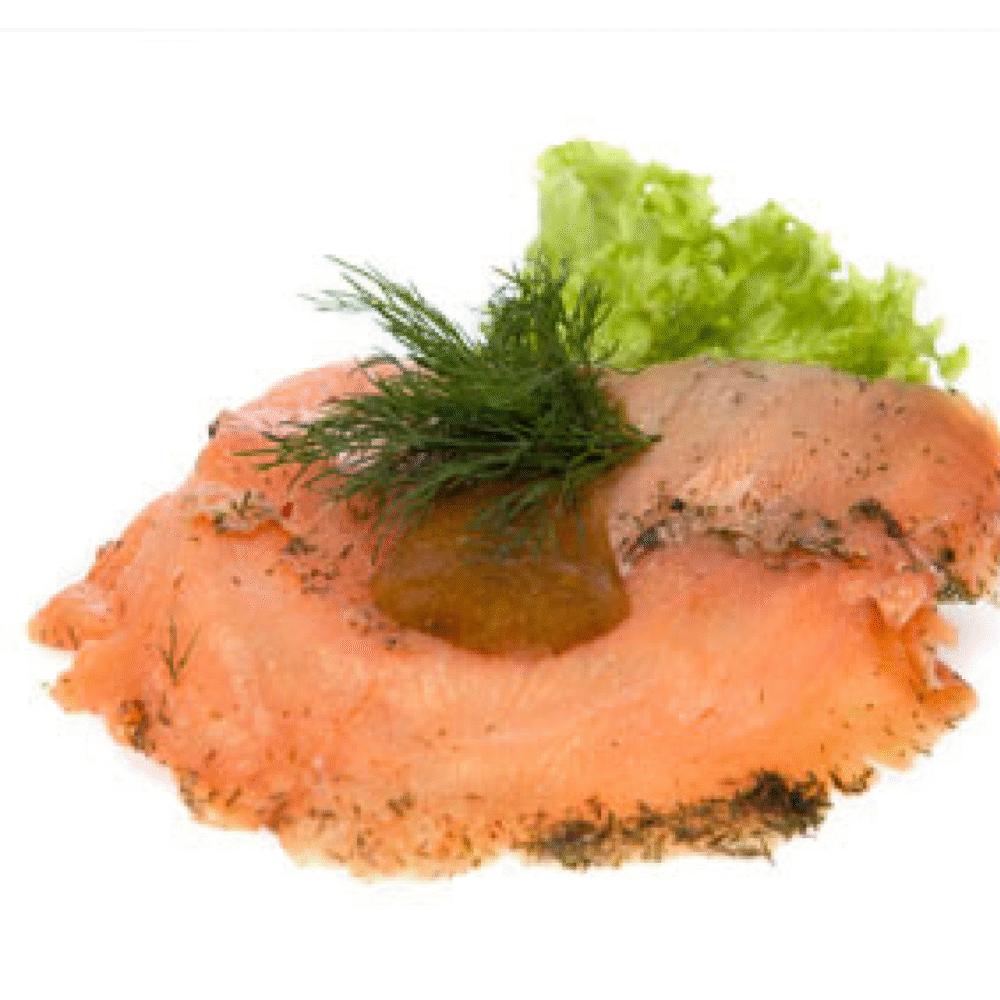
Det kolde bord is a cold buffet served on special occasions. Food is brought to the table and passed around. The concept resembles the Swedish smörgåsbord, but the spread typically features frikadeller, leverpostej (liver pâté), and smørrebrød open sandwiches rather than Swedish staples like Jansson’s frestelse, lutefisk, or lingonberry-sauced köttbullar. Both buffets share herring, cured salmon, cold cuts, and rye bread.
Eating and drinking together is considered more important than what is actually consumed — the act of sharing supersedes the food itself. This cultural hierarchy — togetherness over gastronomy — is what kept Danish food simple, filling, and unchanged for so long.
GRAINS IN DANISH CUISINE
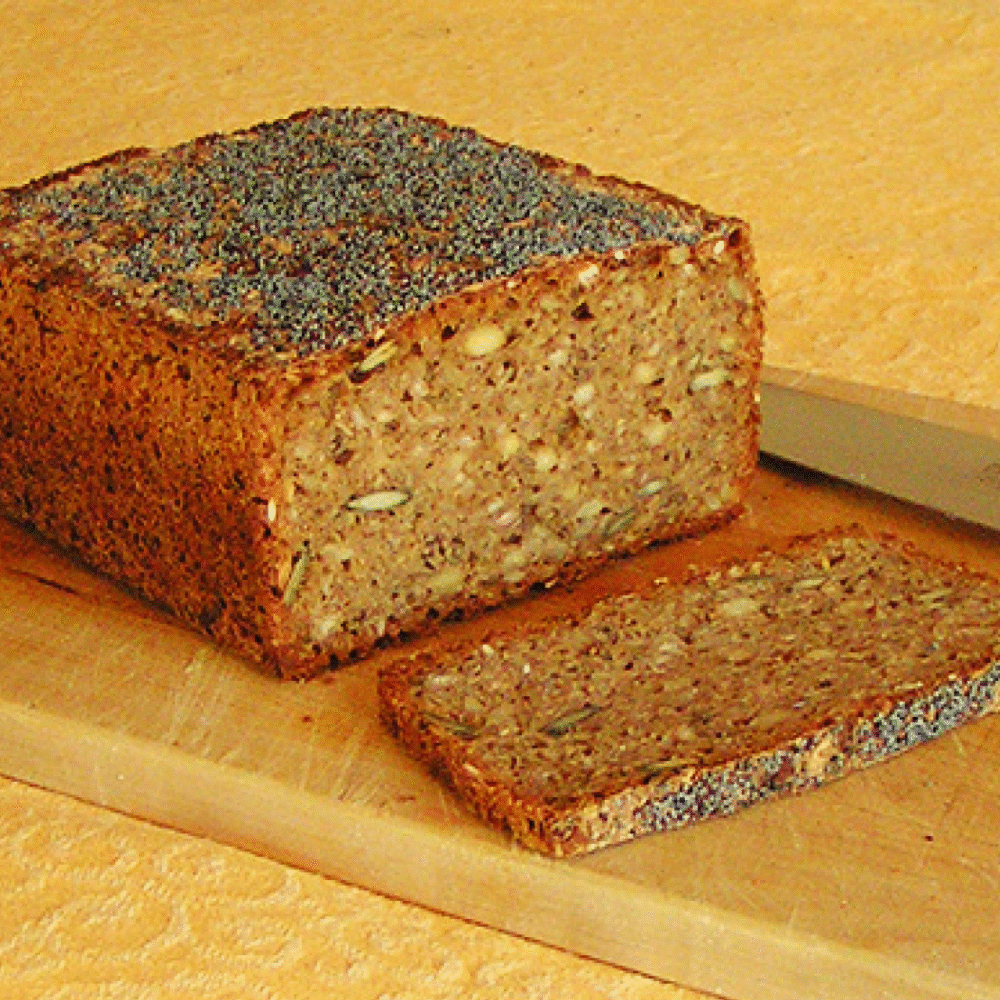
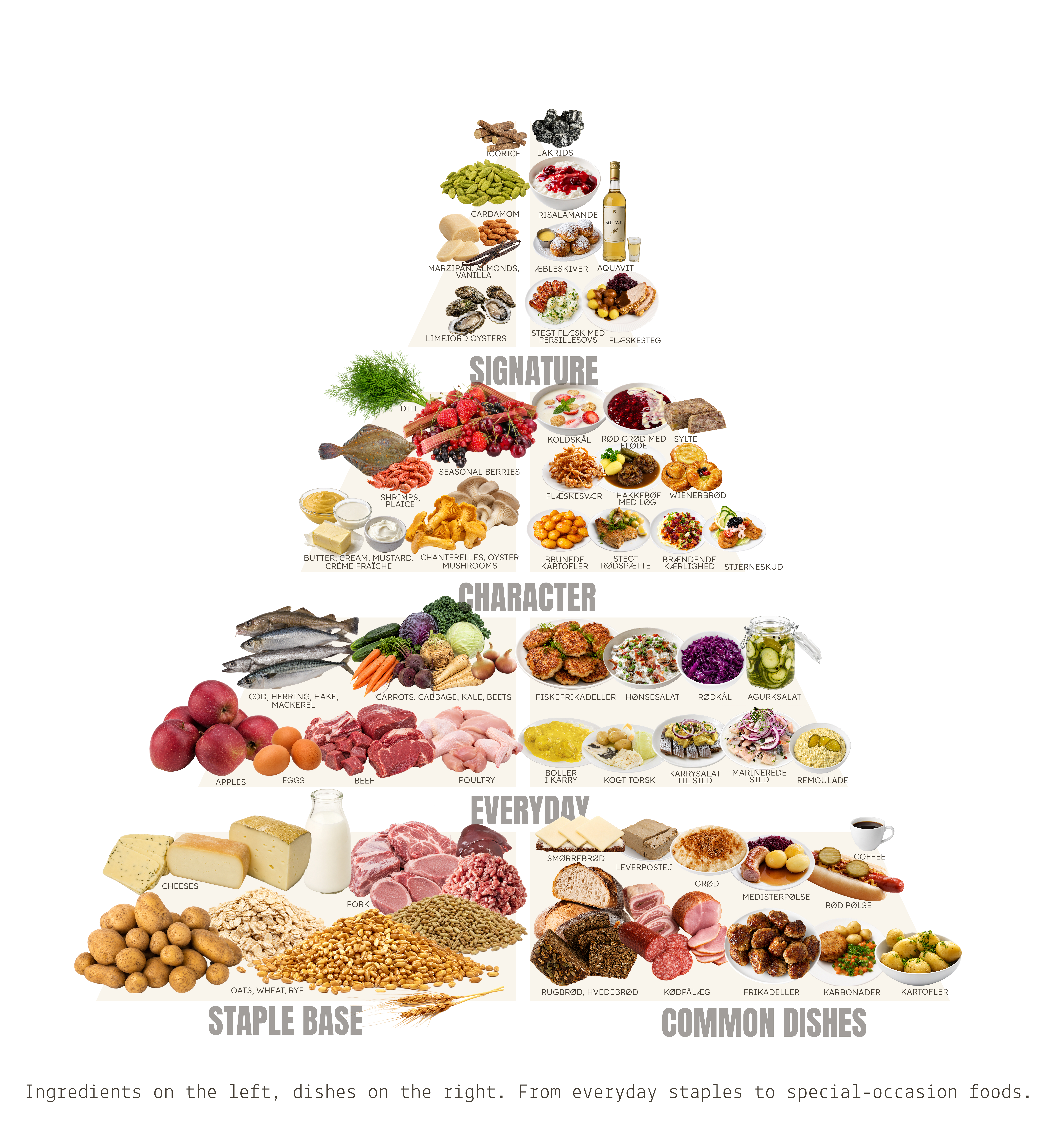
The Danes believe rugbrød is one of Scandinavia’s gifts to humanity. It has been a staple for over 1,000 years as rye suited the climate better than older wheat varieties. That has shifted; Denmark grows substantial wheat now. But Danes eat rugbrød because they want to, not because they have to. German pumpernickel is the closest relative, but even that comparison misleads. Danish rugbrød is baked in a loaf tin, stays moist inside, and often contains three forms of rye: whole rye kernels, cracked kernels, and rye flour, when most breads use only ground flour. Danes put entire grains inside the loaf itself, which gives it a different chew, more density per slice, and a shelf life of nearly two weeks at room temperature.
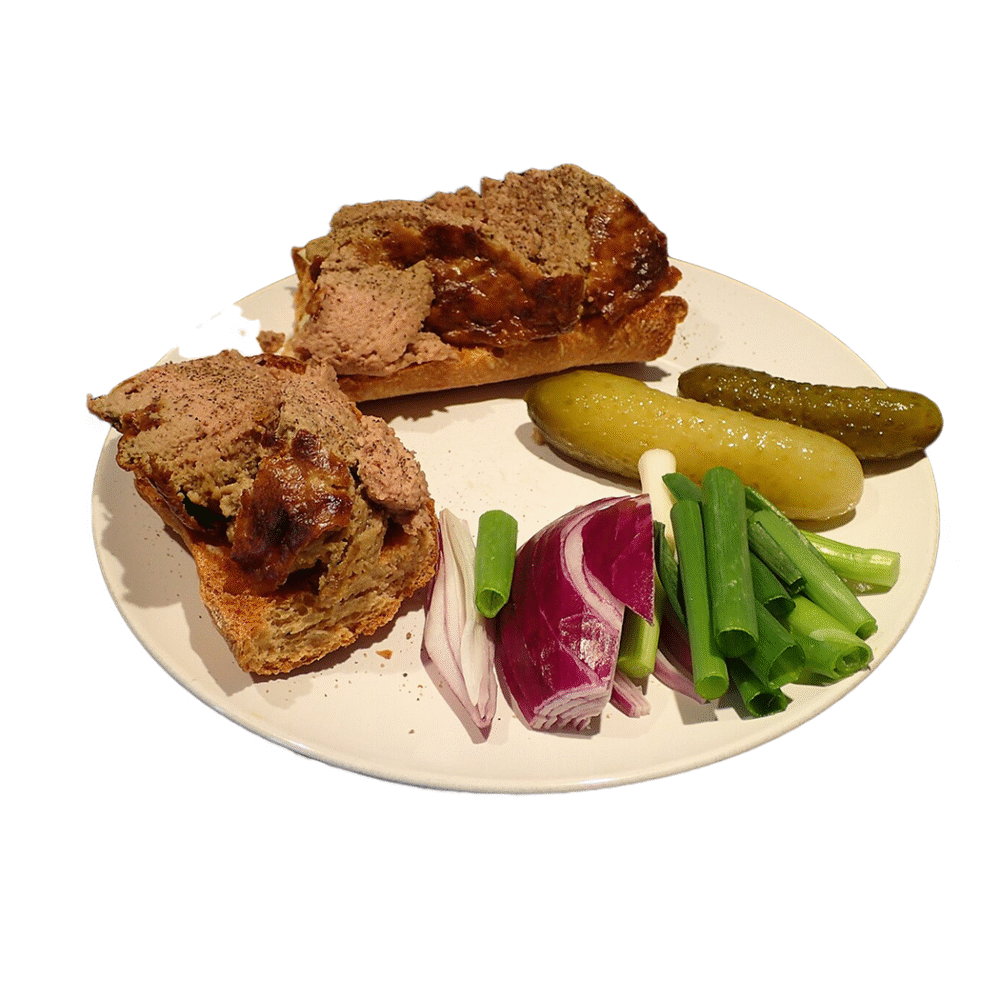
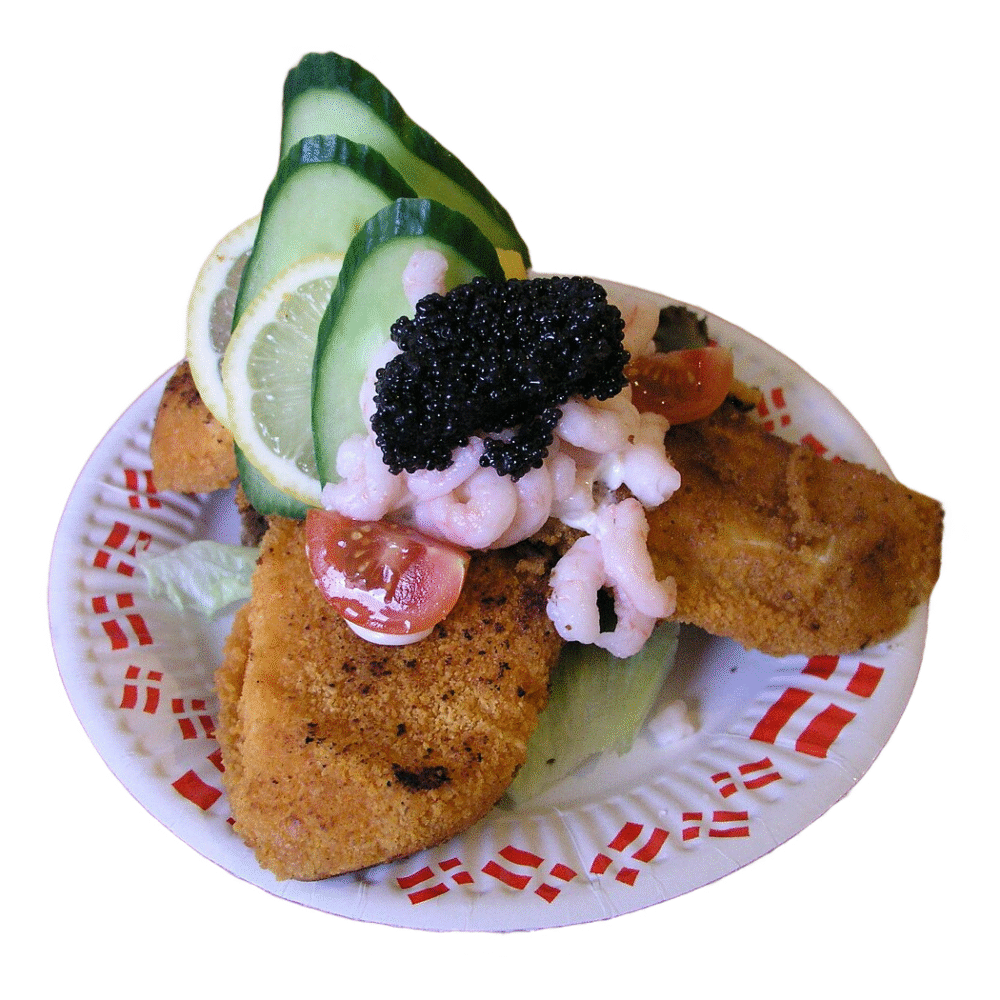
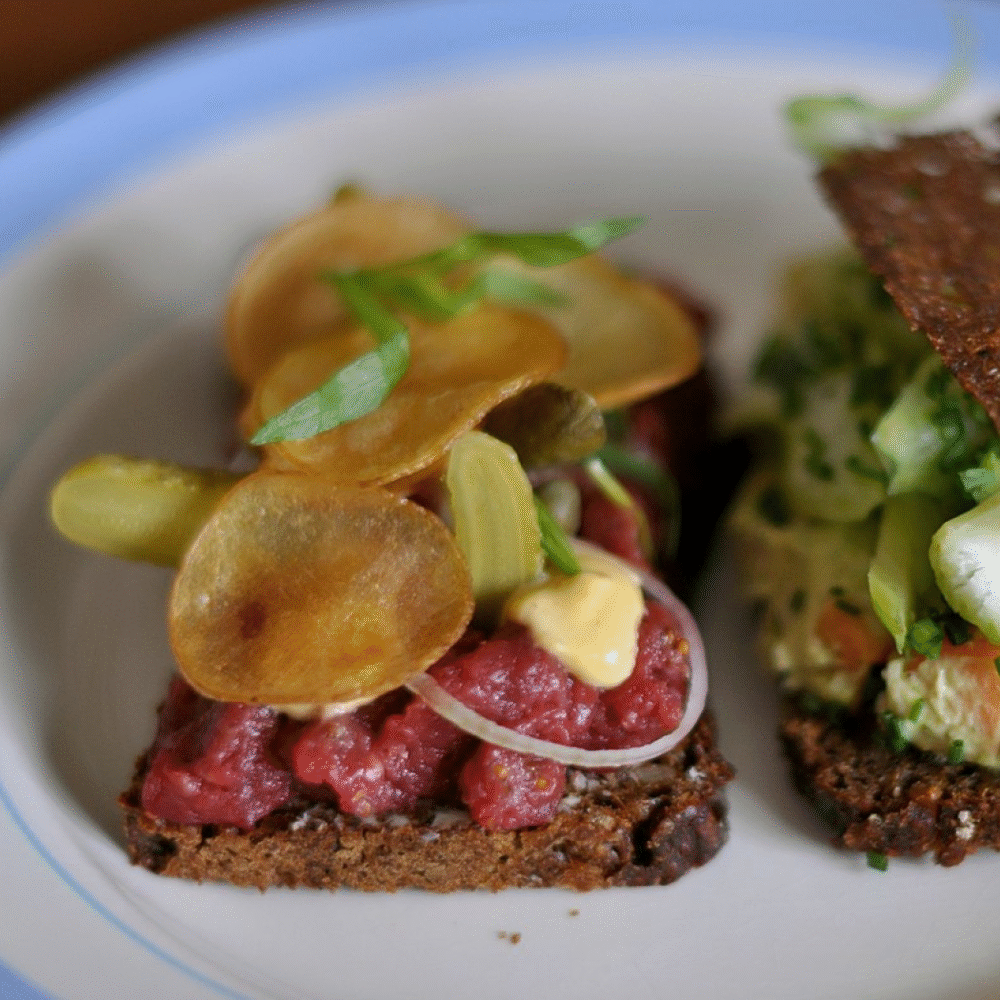
Rye bread rarely comes without the smørrebrød. What is it, exactly? It’s an open-faced sandwich on buttered rye bread, which is not a neutral base like a baguette or a cracker. It contributes flavor to whatever sits on top. There’s an unwritten protocol: when eating multiple smørrebrød, you start with fish, like pickled herring, then move to meat, like liver pâté or cold roast beef, then cheese. It’s open, because rugbrød is sturdy enough to carry heavier toppings without collapsing. Liver pate on rugbrød is a casual weekday dinner; it’s a personal, comforting daily food, often invisible to tourists but important to actual Danish life.
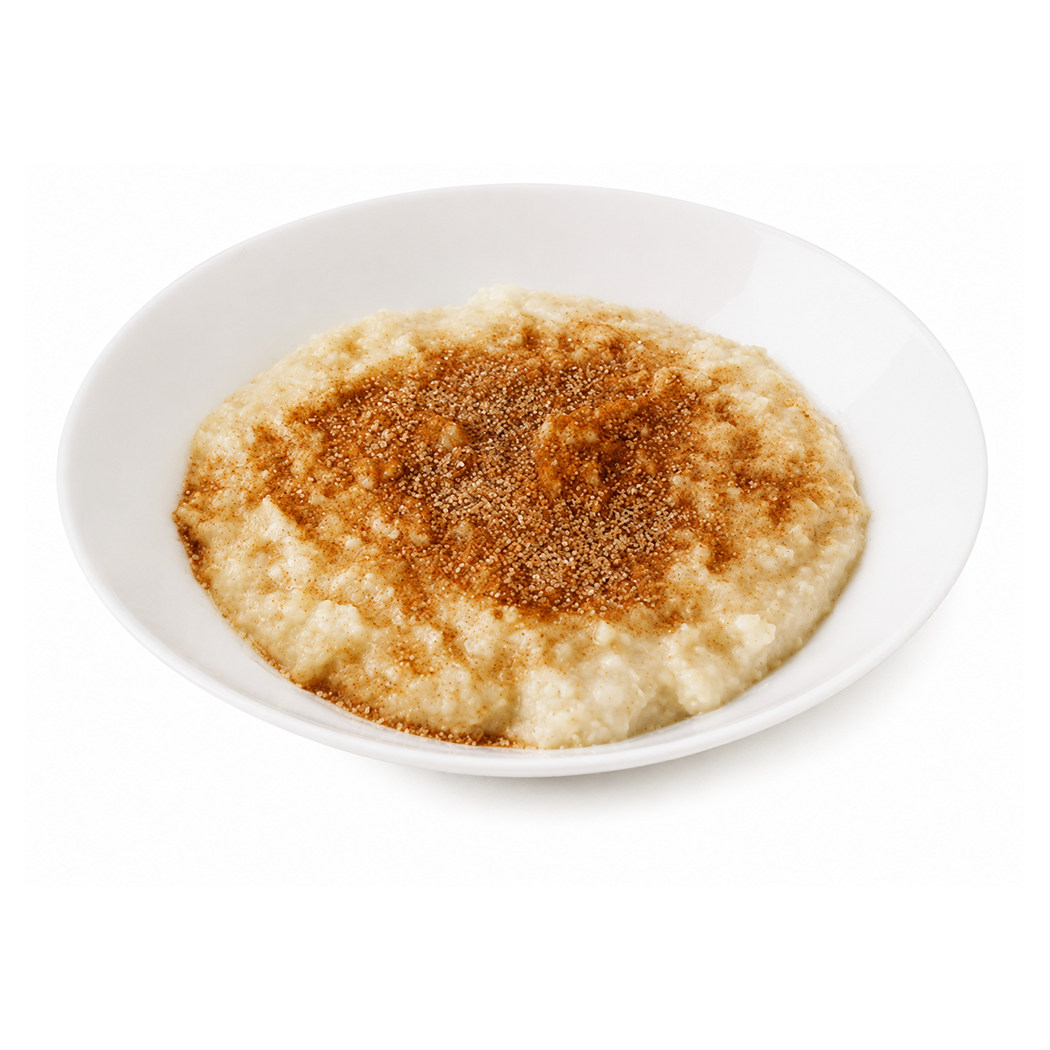
Porridges, savory and sweet, cooked from oats, spelt, barley, millet are a daily breakfast at home and, since the early 2010s, as a restaurant format. Denmark is one of Europe’s major barley producers, os it feature stews and soups, mostly as pearl barley. Less exciting than the rye story, but worth noting that this is a country where grain variety actually shows up on the plate, not just in beer (though Carlsberg’s existence is also, ultimately, a grain story).
Ask a Dane what they eat every day, and they’ll say rugbrød. Ask someone outside Denmark what Danes eat, and they’ll say Danish pastries. And both are true. The famous Danish pastry traces back to Vienna, Austria, thus the wienerbrød name. Austrian bakers introduced the laminated dough technique to Denmark in the 1850s, during a Danish bakers’ strike. Danes modified the recipes over time, adding more butter and eggs. In Denmark, it was never called Danish at all. Locals call it wienerbrød, meaning the Viennese bread. Meanwhile, in Vienna, the same pastry goes by Kopenhagener Gebäck.
Danish pastries are part of a larger bakery assortment: wienerbrød, kanelsnegle cinnamon bun, tebirkes pastry with marzipan and poppy seeds, cakes, Christmas sweets, and butter cookies, internationally recognized by the blue tins.
PRODUCE IN DANISH CUISINE
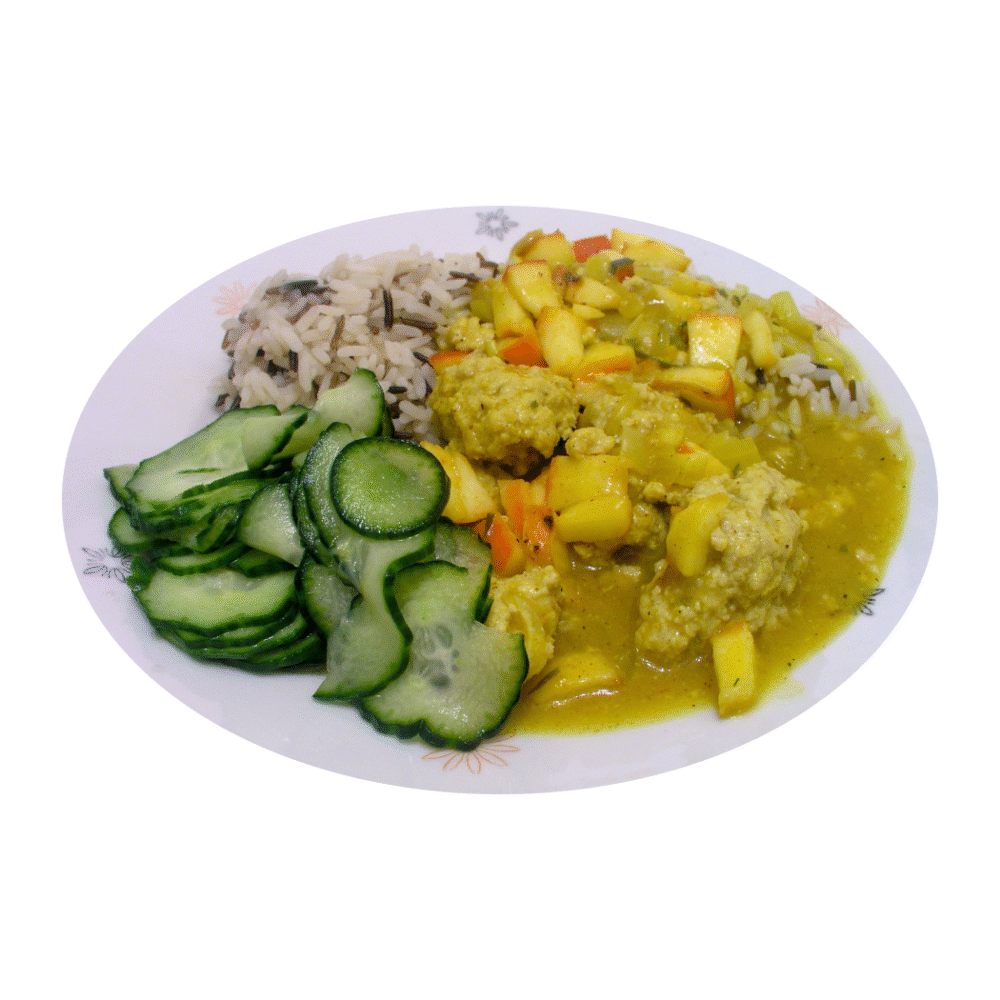
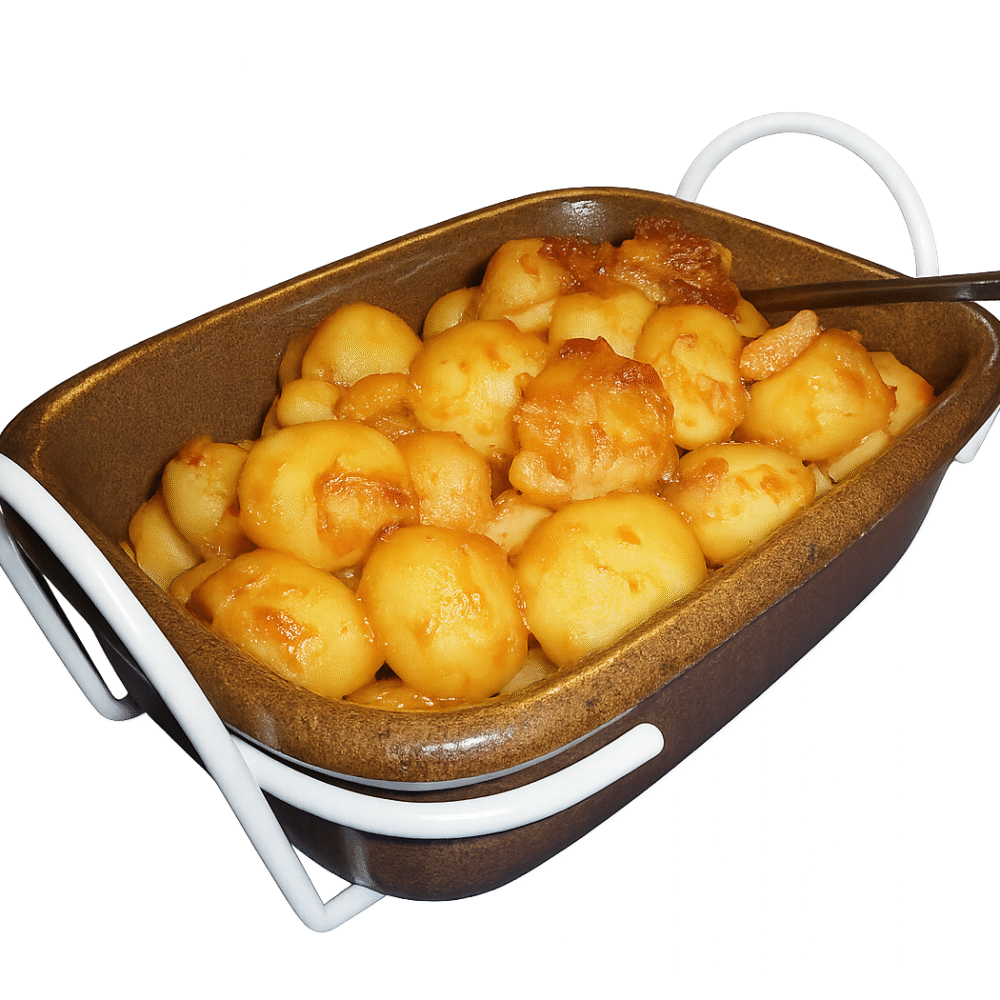
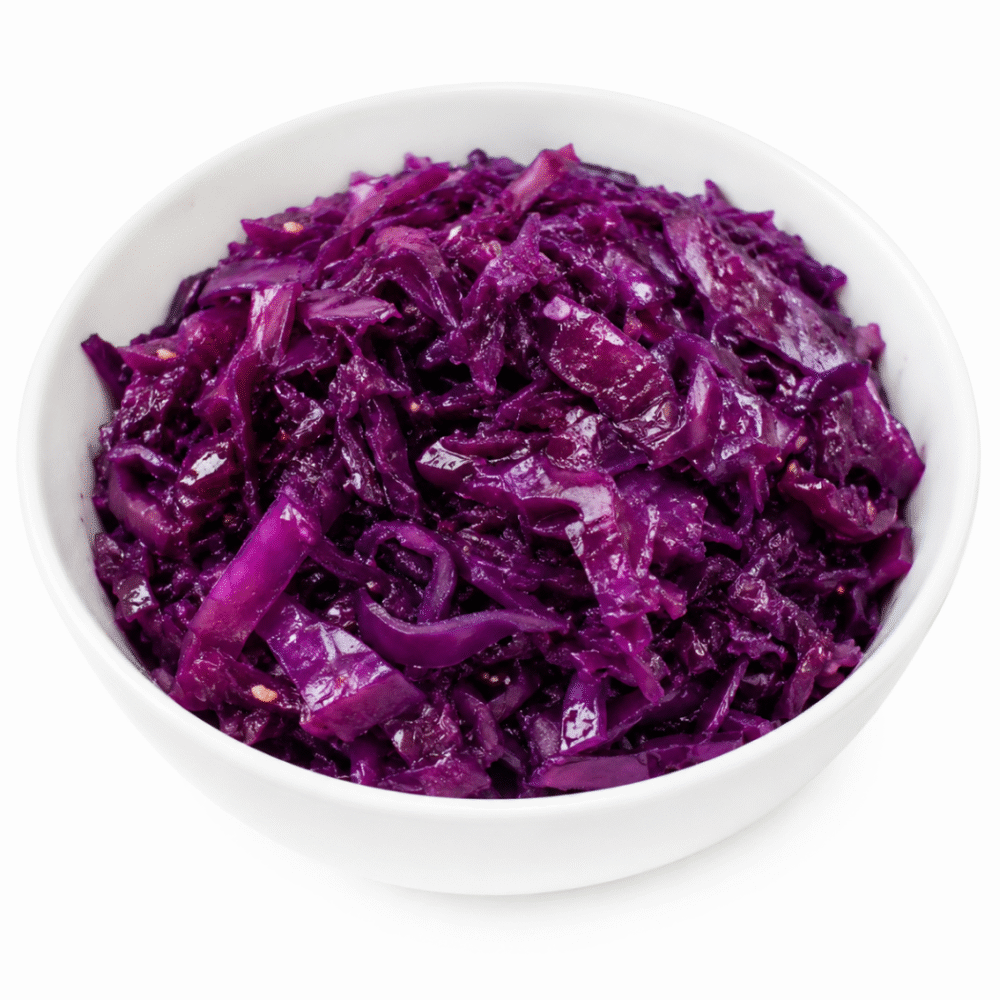
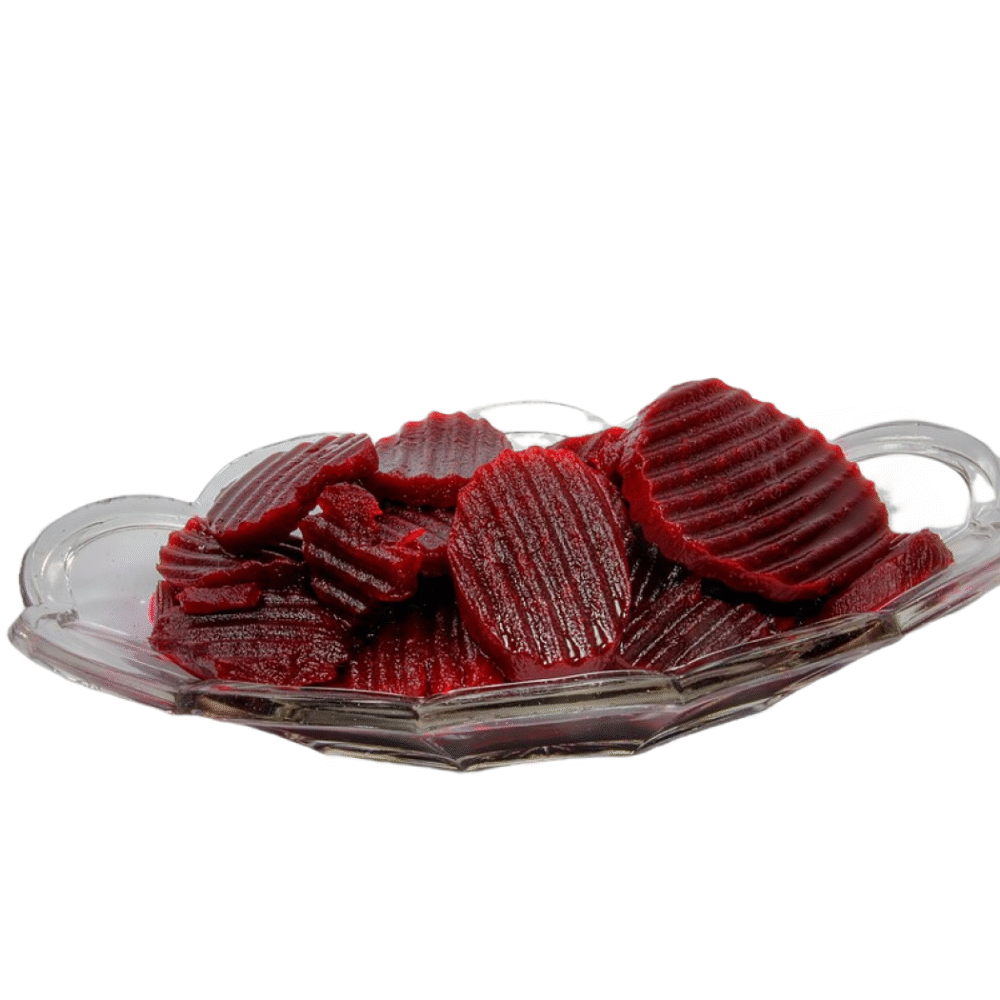
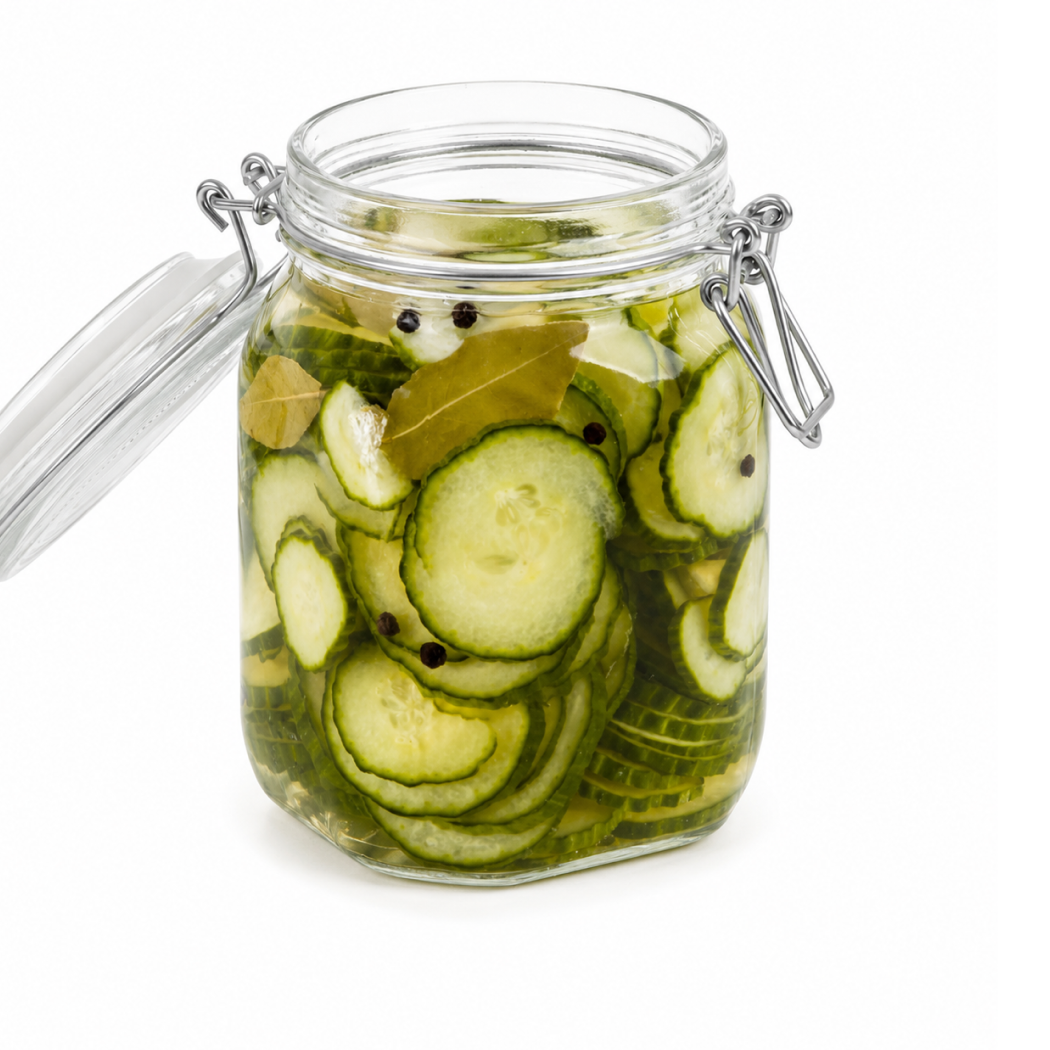
In Danish everyday cooking, vegetables are sides. The plate is organized around protein — pork most commonly, fish, or beef — with vegetables supporting it. The vegetables that dominate traditional cuisine are the ones that survive winter: potatoes, dominant to the point where they barely register as “vegetables”. They’re a starch base for dinner, almost every night. Boiled, plain, with butter. Red cabbage rødkål — braised with apple, vinegar, sugar. Every family makes this, particularly at Christmas. Cabbage, carrots, celeriac, parsnips, and kale are popular in stews. Thin-sliced sweet and vinegary cucumber and beetroots are the standard side.
The concept that vegetables are never the main dish is changing slowly – more plant-forward eating is entering Danish households, partly through New Nordic influence filtering down from restaurants, partly through broader dietary shifts.
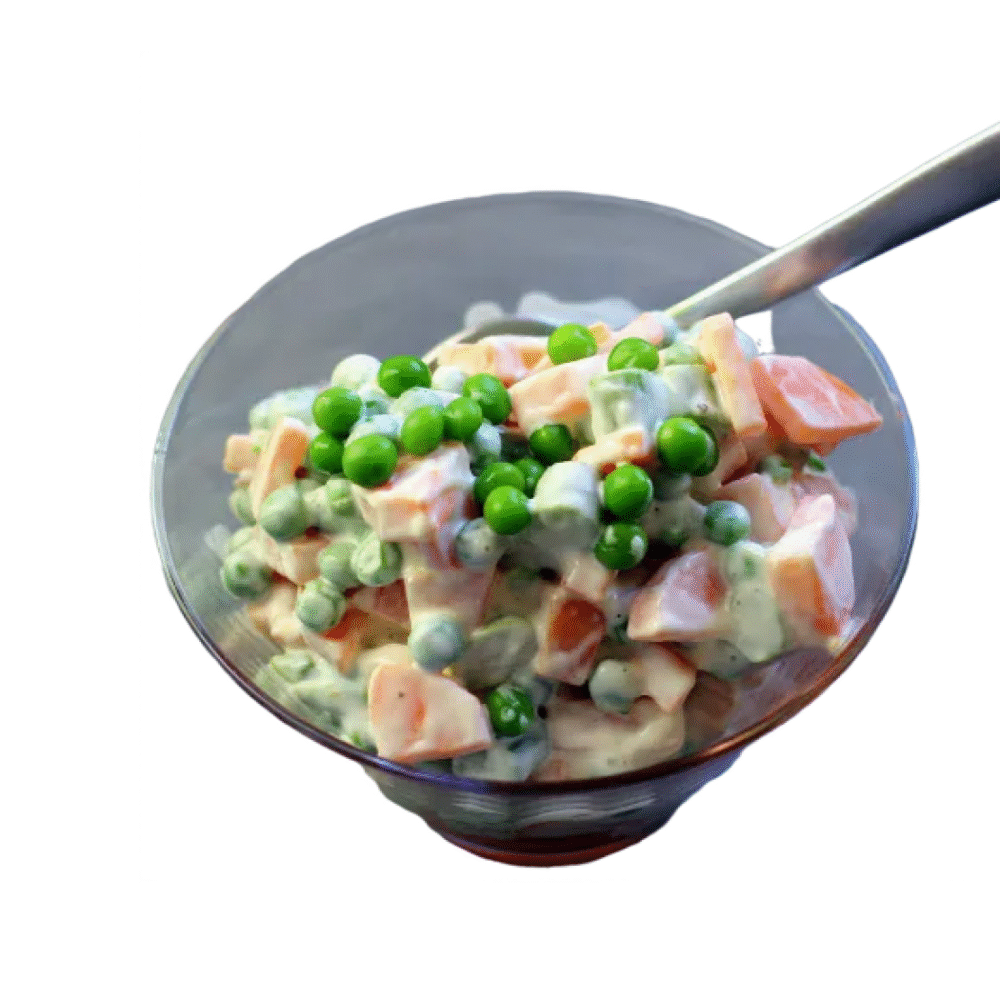
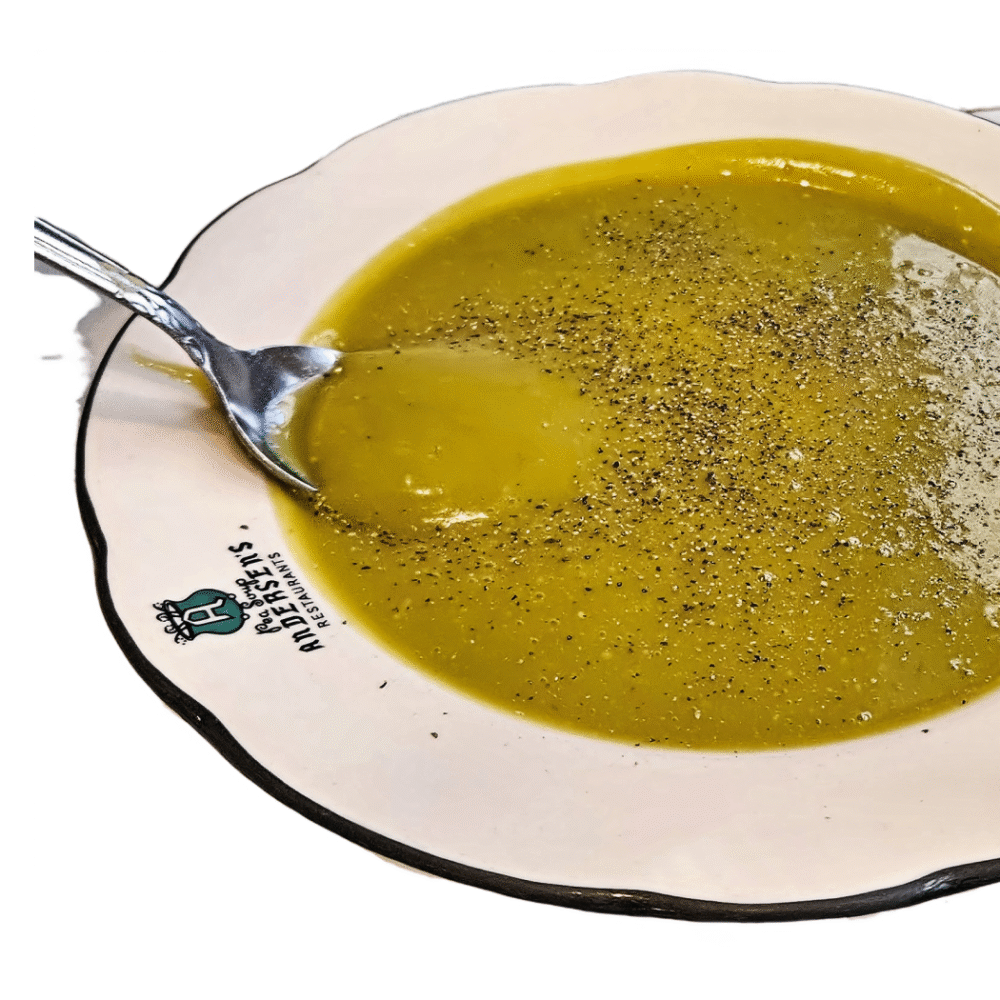
The word salat in traditional cooking signals a cold, creamy mixture used as an accompaniment — not a bowl of vegetables. Mayonnaise is a must ingredient. The most telling example is Italiensk salat (Italian salad), which contains no Italian influence whatsoever. It’s cooked green peas, diced carrots, and asparagus tips mixed into mayonnaise. Nobody in Denmark questions the name. Green salads exist in Denmark, but entered relatively recently.
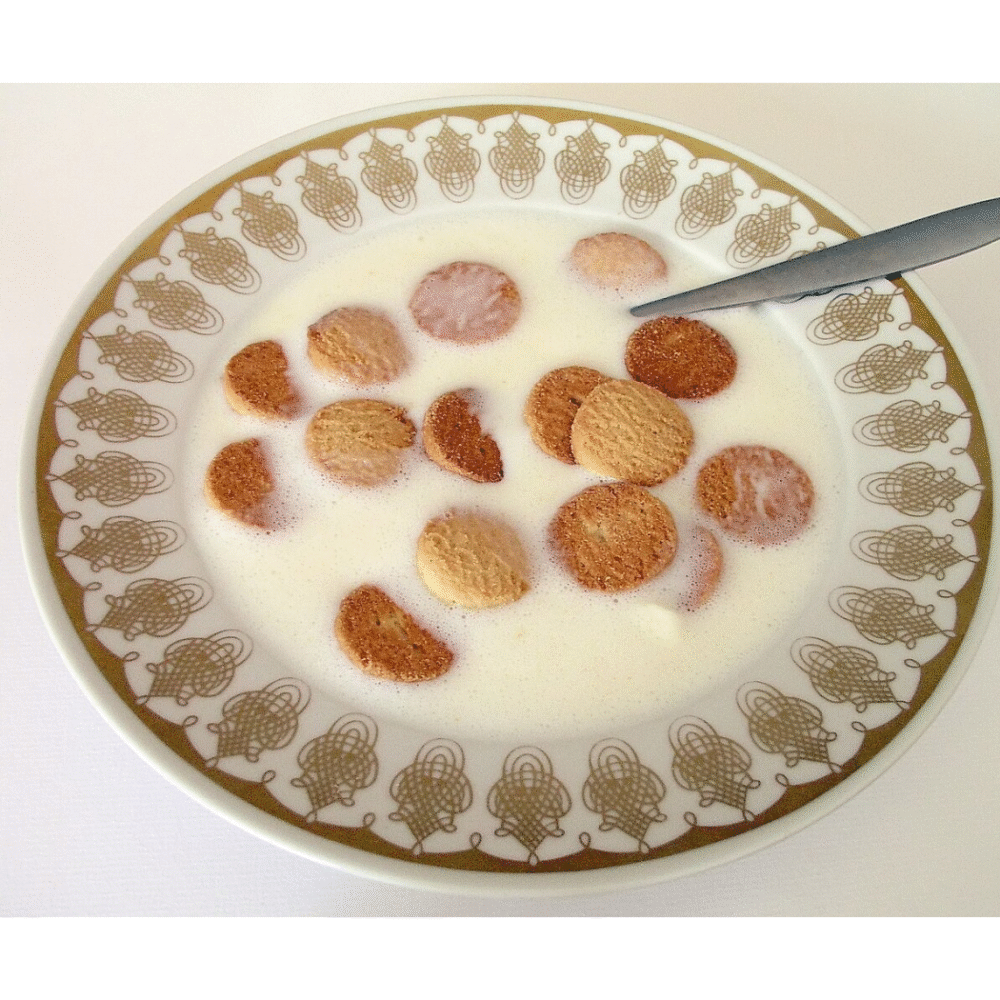
Because Denmark has short summers, seasonal fruit has greater importance than they have in warmer climates. Strawberries appear especially awaited for summer hygge — they’re a marker of the season arriving. The classic summer pairing is koldskål — cold buttermilk soup with vanilla and lemon — served with fresh strawberries and small crispy biscuits.
MEAT IN DANISH CUISINE
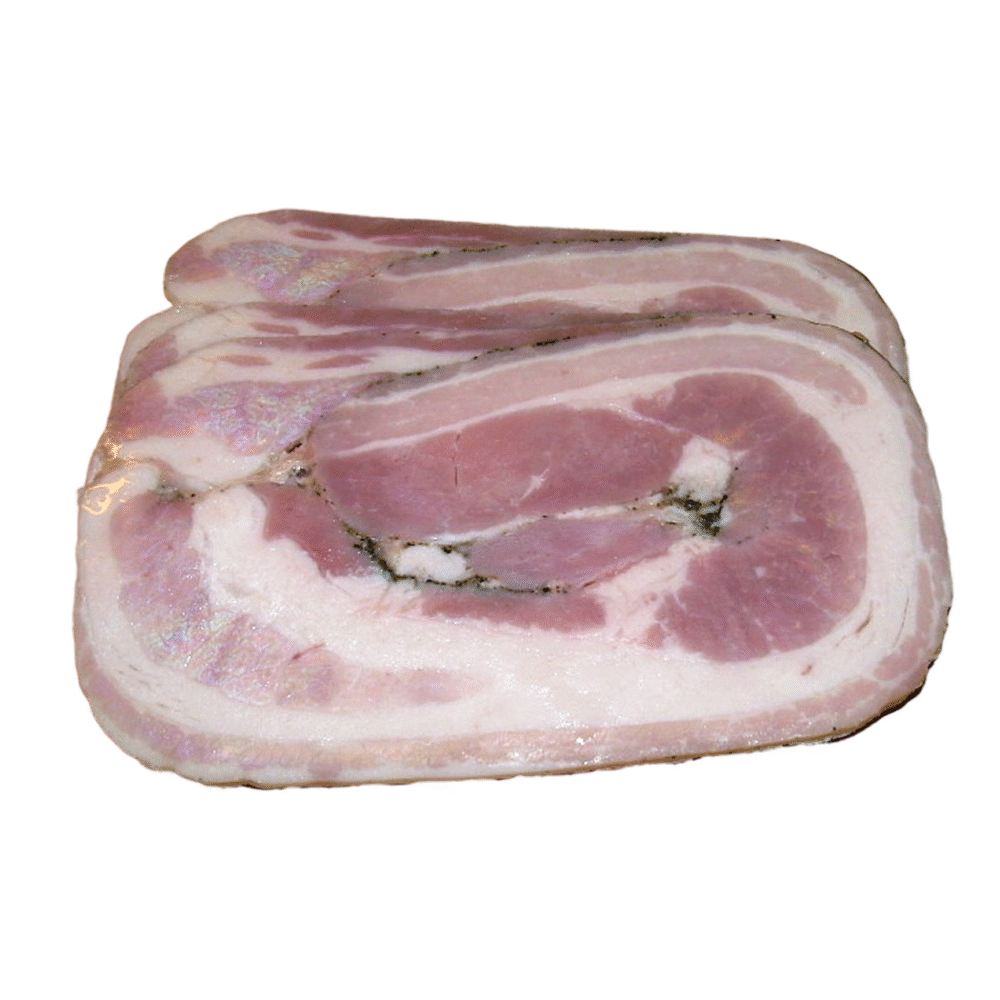
Denmark breeds around 12 million pigs per year for a population of around 6 million — more than two pigs per person annually. It’s the only country in the EU where pigs outnumber people, but it consumes only 15% of the pork it produces, exporting the rest. Still, pork is a daily protein.
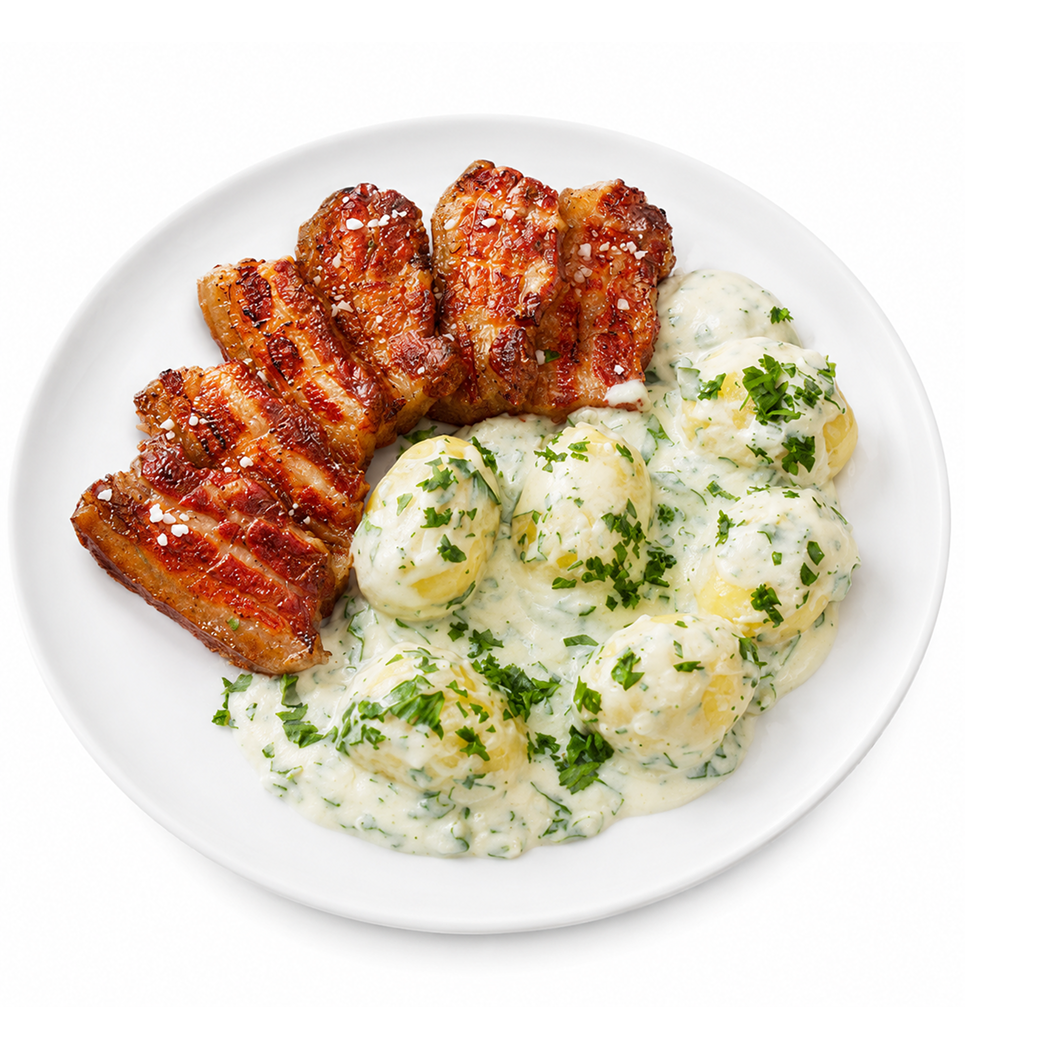
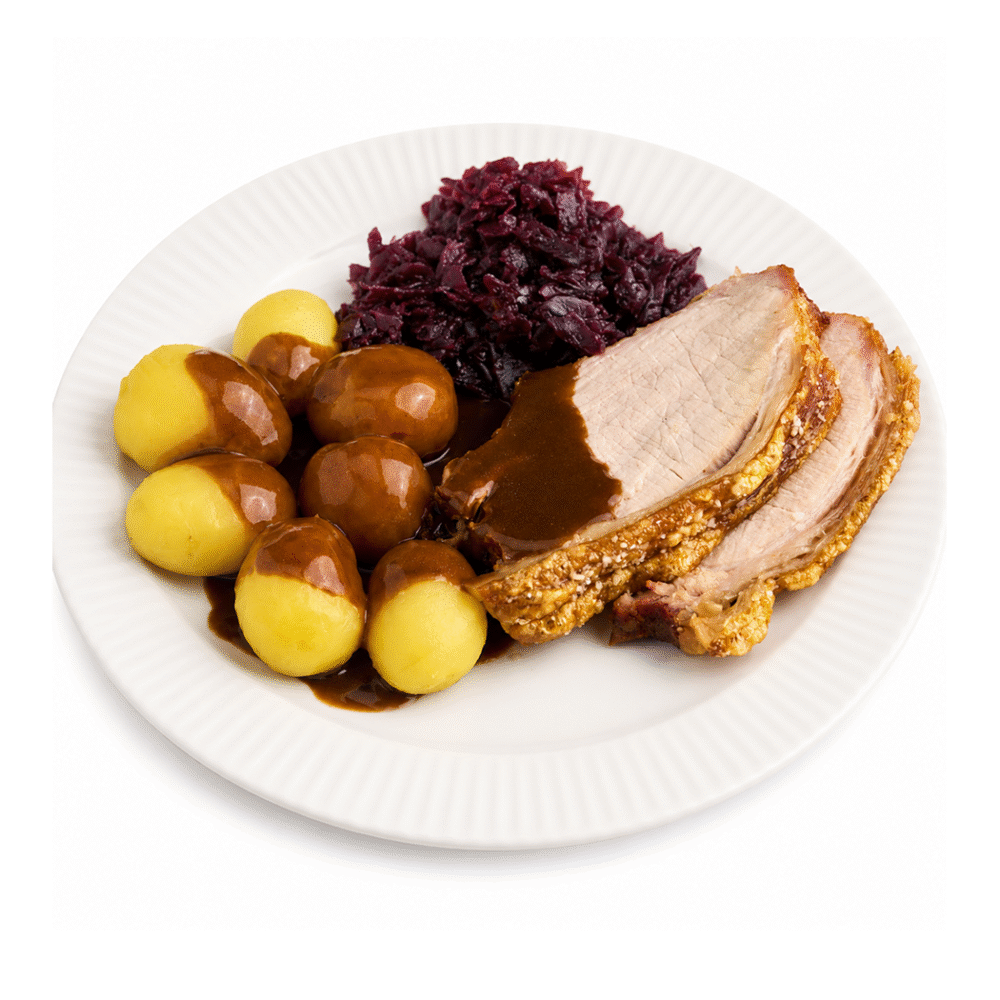
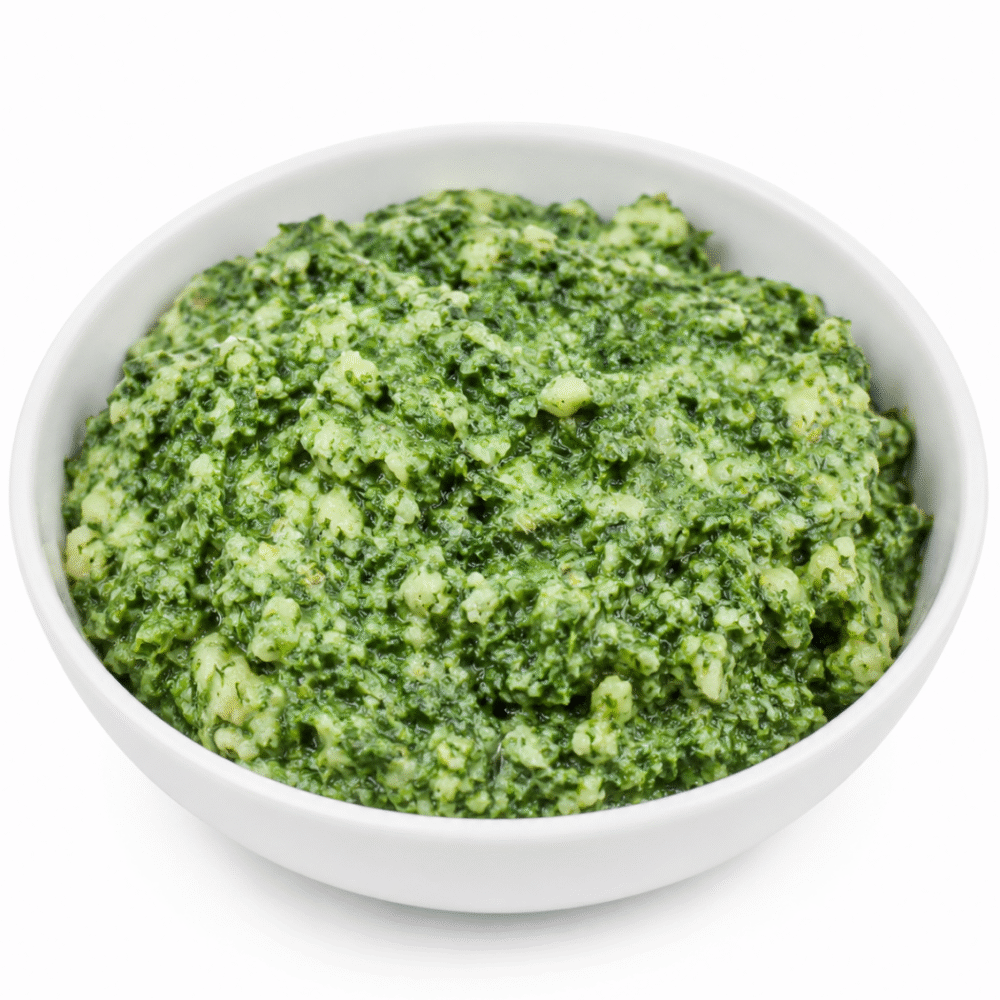
Stegt flæsk med persillesovs was voted Denmark’s national dish, it’s crispy fried pork belly served with parsley sauce and boiled potatoes. Belly is fried until the fat renders and the surface crisps, then parsley sauce — which is essentially a white béchamel with parsley — poured over everything. Flæskesteg is similar in name, buts its a different dish. This is roast pork with crackling, where the crackling is the point. It’s the star of Christmas Eve dinner, but also served year-round.
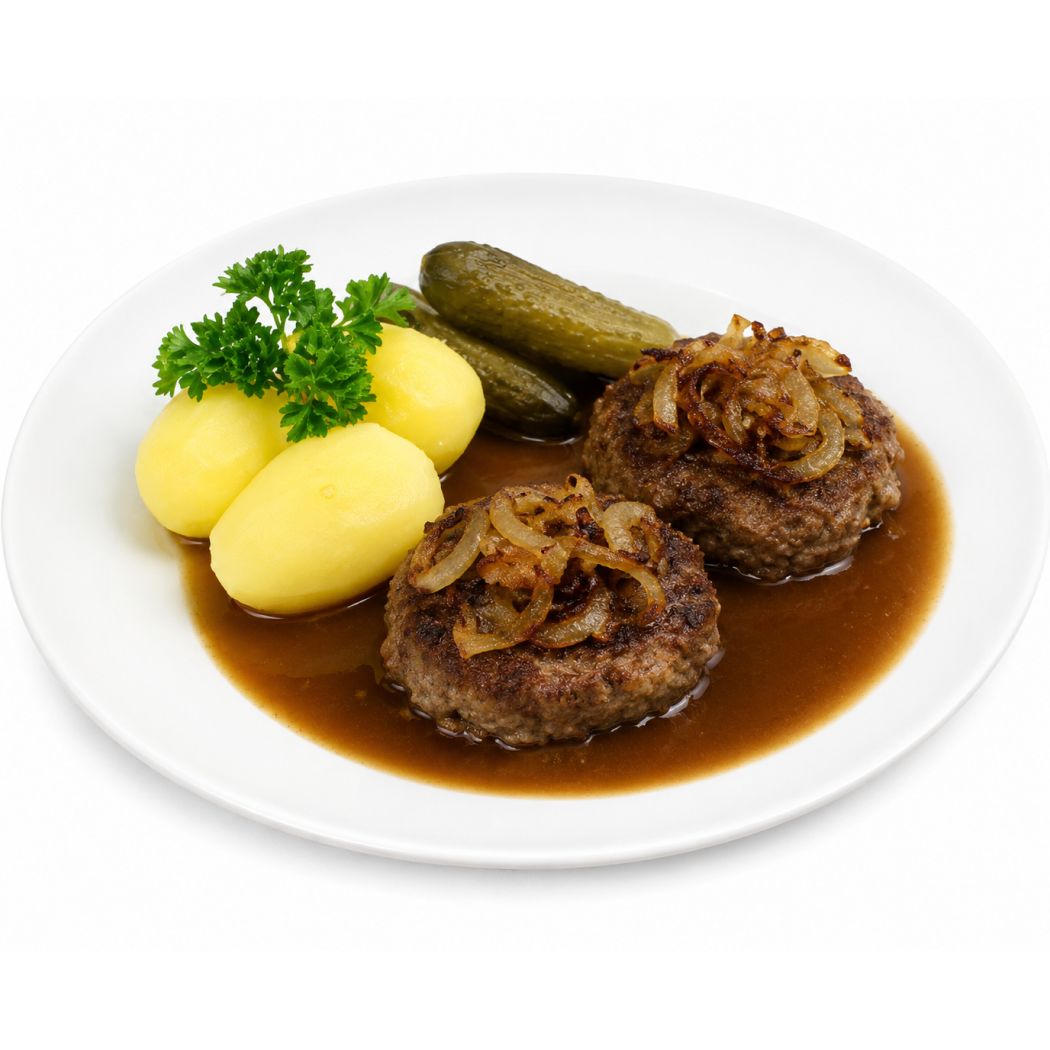
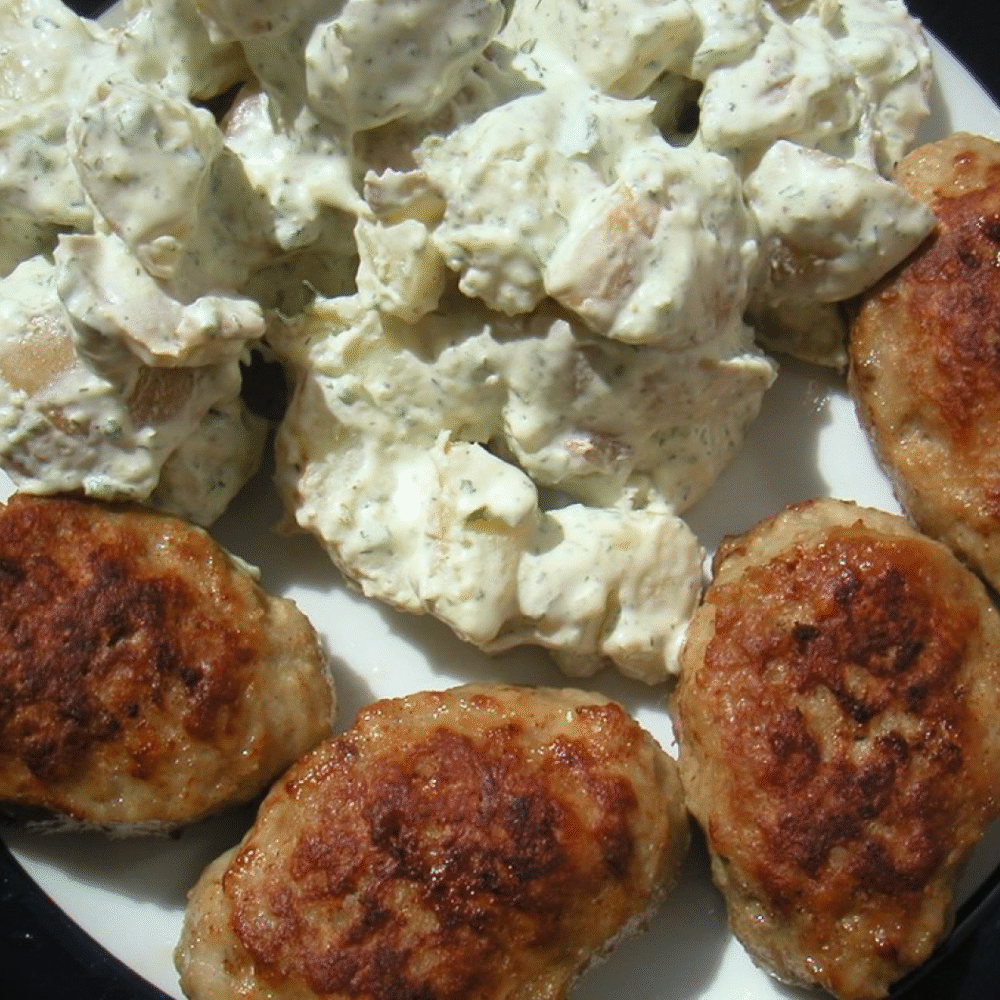
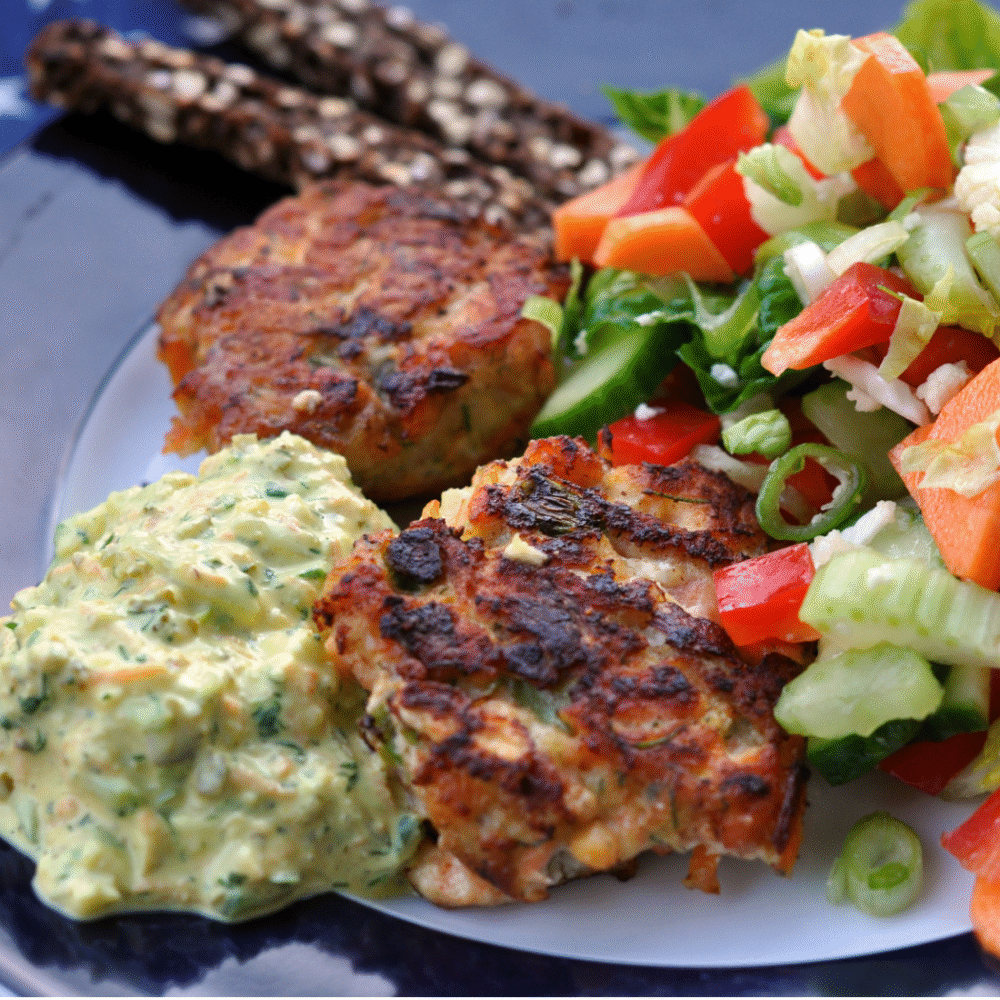
Pan-fried meatballs from minced pork or veal, seasoned with onion, egg, milk, and breadcrumbs, served with brown gravy, pickled red cabbage, and boiled potatoes. Every family makes these; they’re called frikadeller. They’re eaten hot at dinner and cold the next day in lunch boxes. Cold frikadeller on rugbrød is completely normal. Pork meatballs in a creamy, very mild curry sauce served over rice is boller i karry. Even though there is curry in the sauce, it tastes nothing like Indian food and is not spicy at all. Within a few years of curry powder arriving in Denmark, a curry dish became a staple in home cooking. It’s now over 180 years old and still a standard dinner.
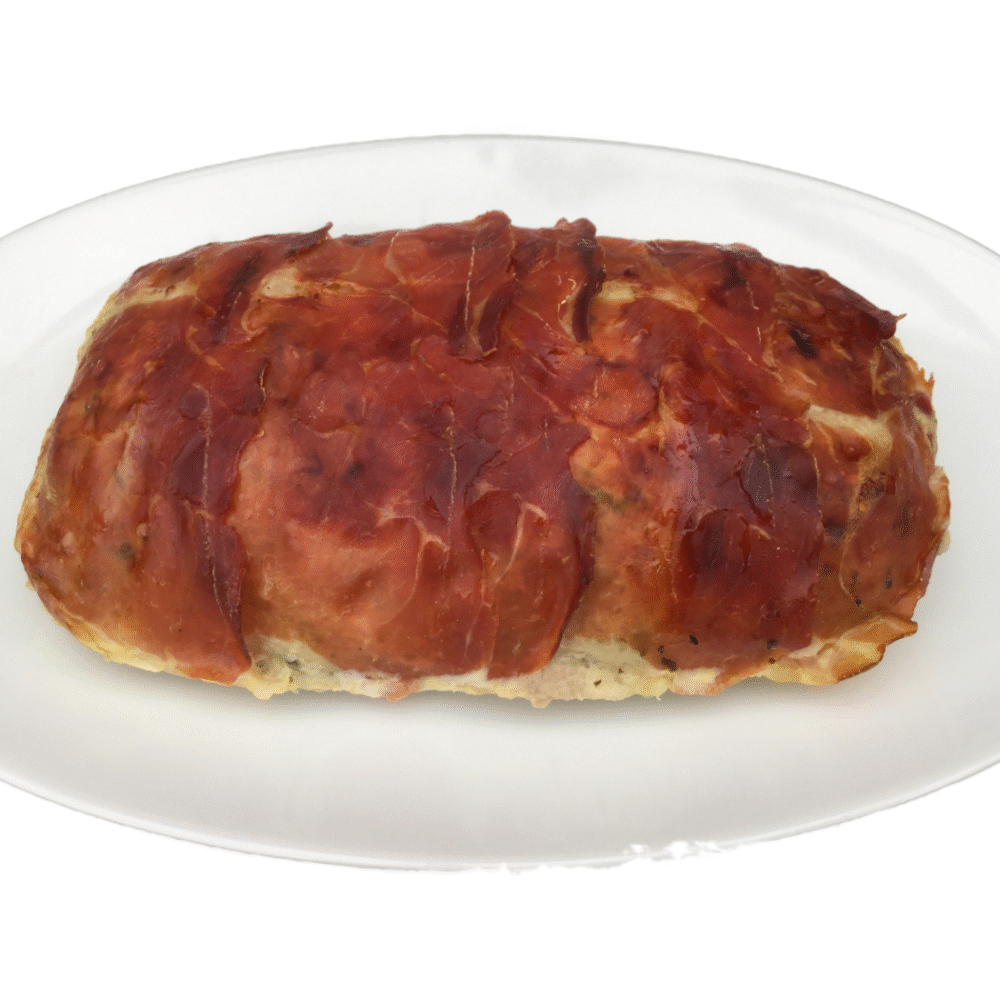
Leverpostej is pork liver pâté; this one has an interesting origin story. A Frenchman named Beauvais set up a charcuterie in a Copenhagen basement in the mid-19th century, mincing fatty pork belly, pork liver, onions, and seasonings into an expensive pâté adored by the bourgeoisie. Within a generation, every pork butcher in Denmark was making it. It became more common after the bacon export industry surged. Today, many Danes eat it for lunch, spread on rugbrød with pickled cucumber or beetroot on top.
Beef is also popular in modern kitchens. Danish cattle are primarily used for dairy, which rarely makes good meat. And for that reason, beef has traditionally been ground and cooked as patties. Today, meat cattle is more common; steaks are popular, especially top sirloin steak.
Roasted duck is the most popular Christmas Eve dish, eaten by an estimated three out of four Danes on 24 December. Around 60% also eat pork, meaning many households serve both. Goose was the older tradition — during the 1800s, goose, and later duck, overtook pork as the Christmas table star. The bird is stuffed with apples and prunes, served with caramelized potatoes, red cabbage, and brown gravy.
Street food has had an enormous impact on how Danes eat in the 2010s, but it has been part of Danish dining culture for many years. The most common quick food restaurant is the “burger bar” or “grill bar”, offering hamburgers, hot dogs and a wide variety of other fast food staples.
The first hot dog stands appeared in Copenhagen in 1921, borrowed from a German model, where portable petroleum burners made it possible to cook on the go. They caught on fast as cheap food for working people. Now the scale of hot dogs is striking – about 100 million hot dogs are sold each year. Hot dog stands were voted onto Denmark’s official list of intangible cultural heritage, as a democratic space where everyone can meet at eye level. The classic rød pølse is bright red and boiled. The grillpølse is brown and grilled. The sausage itself is all pork, beech wood smoked, with a natural casing, flavored with cardamom and nutmeg. The toppings are usually remoulade, mustard, ketchup, crispy fried onions, and pickled cucumber.
FISH AND SEAFOOD IN DANISH CUISINE
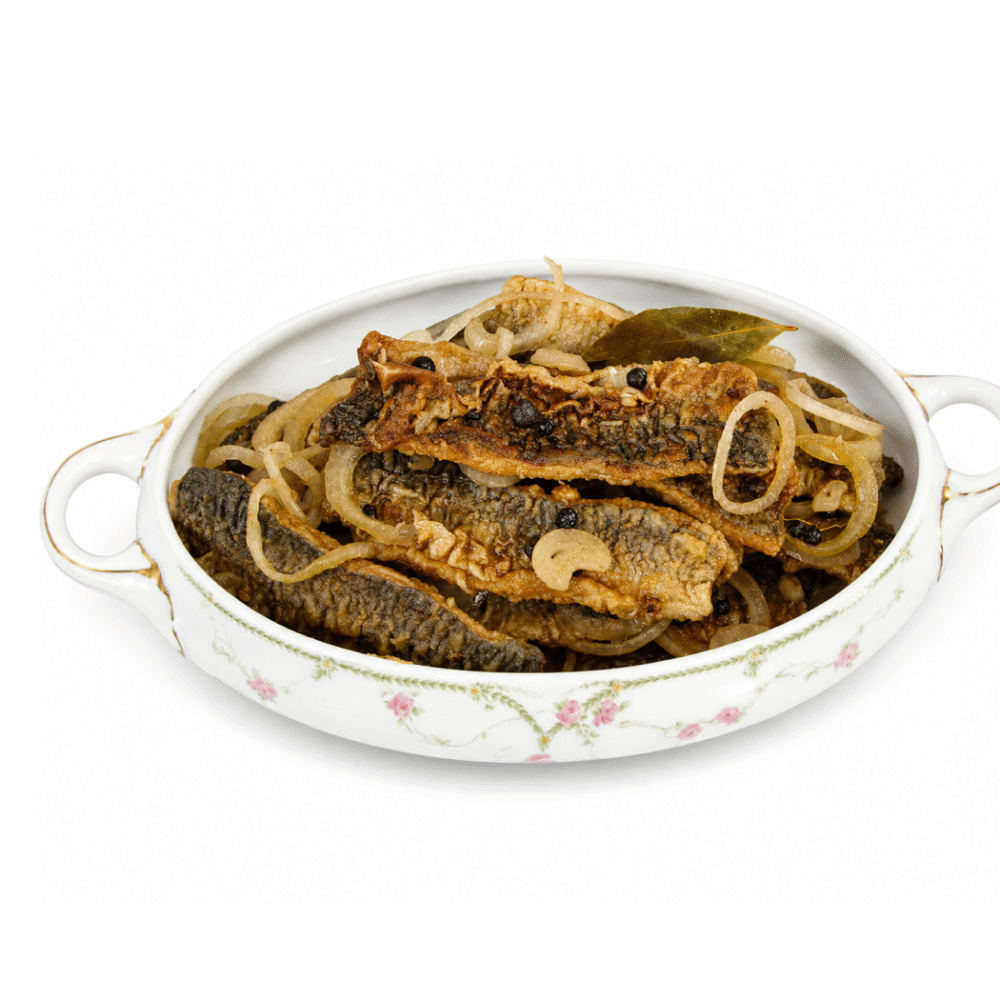
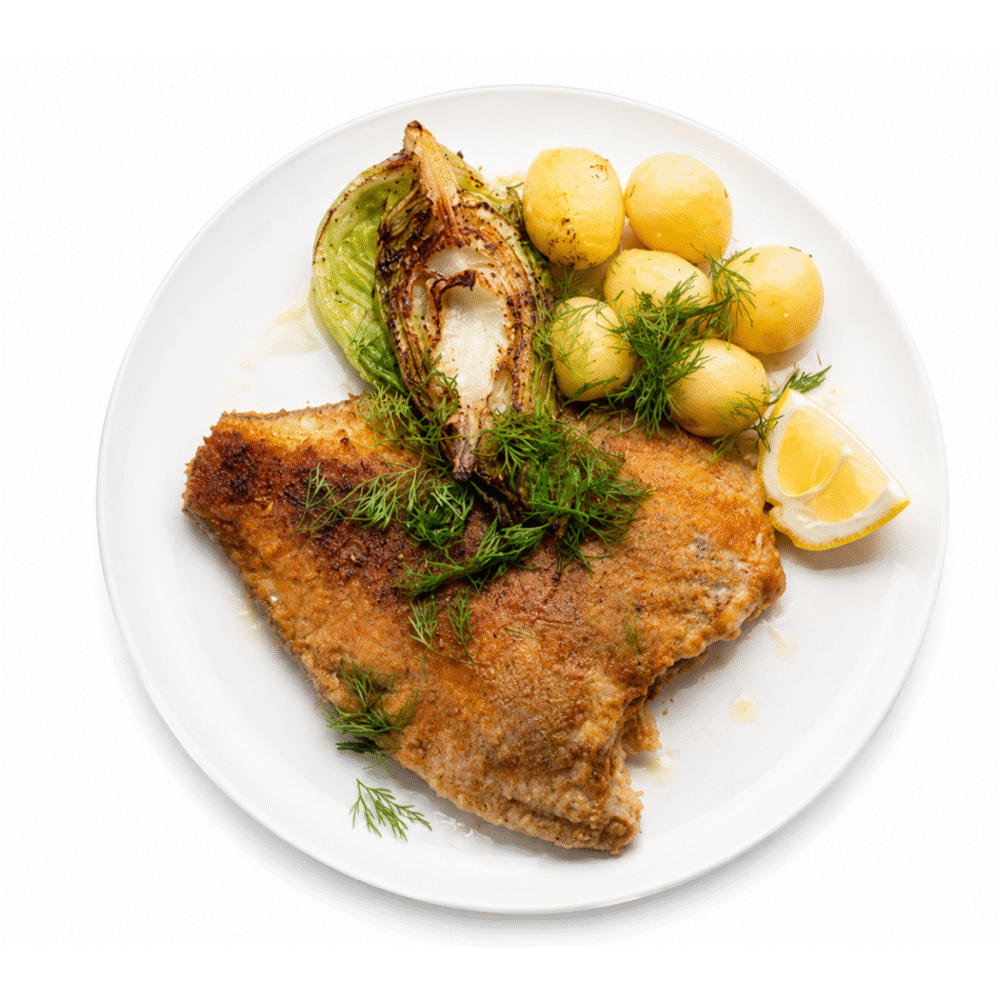
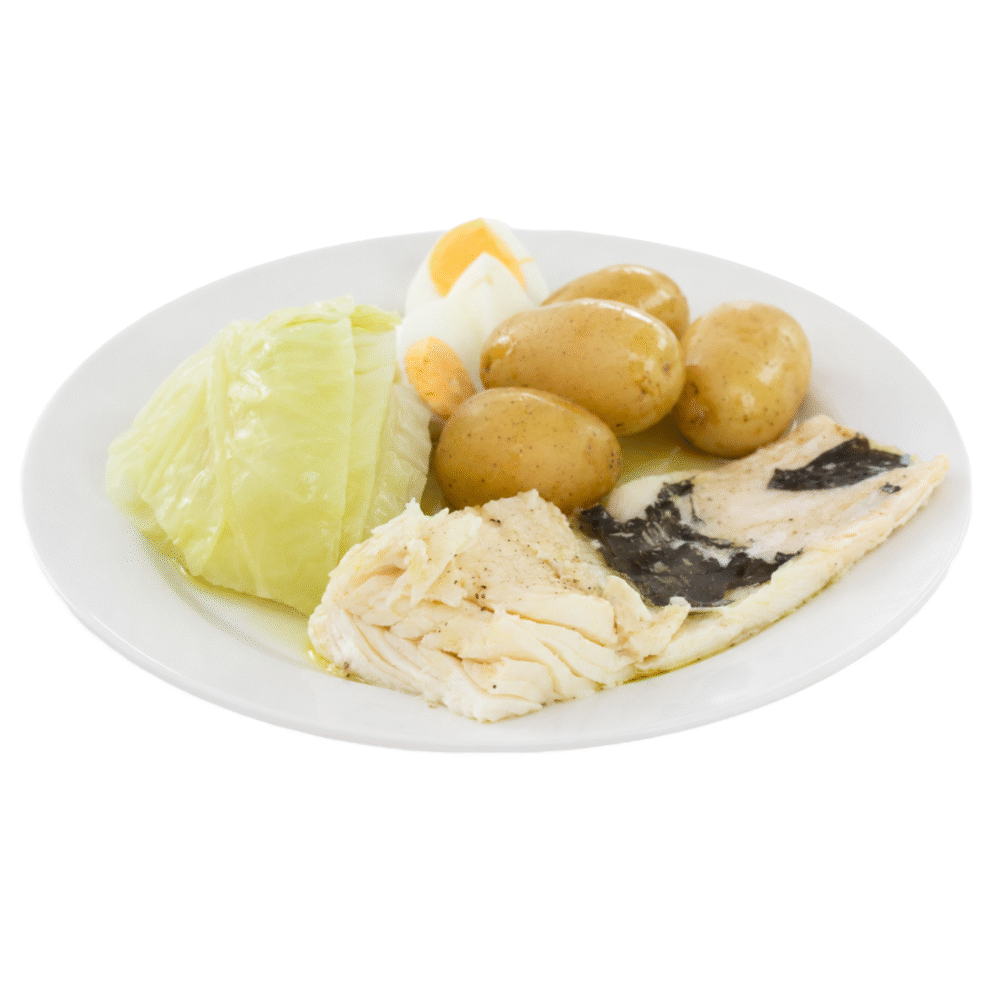
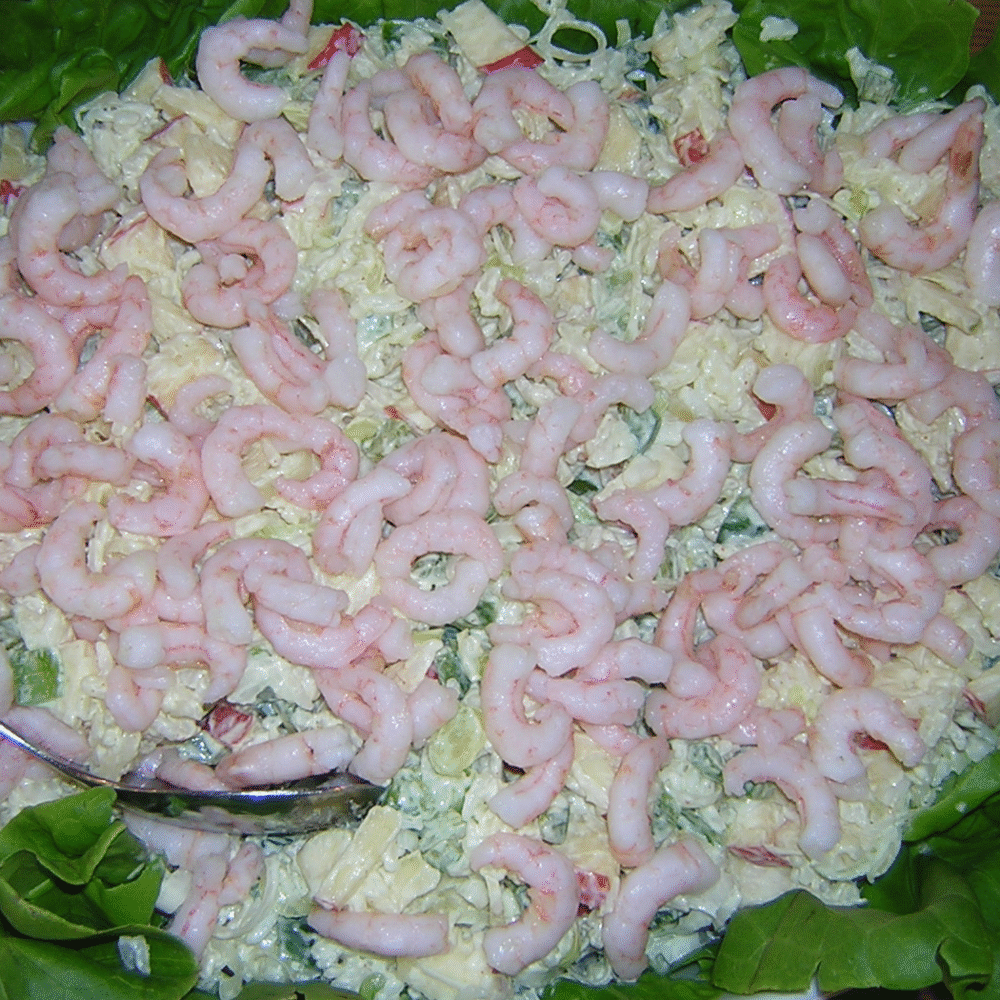
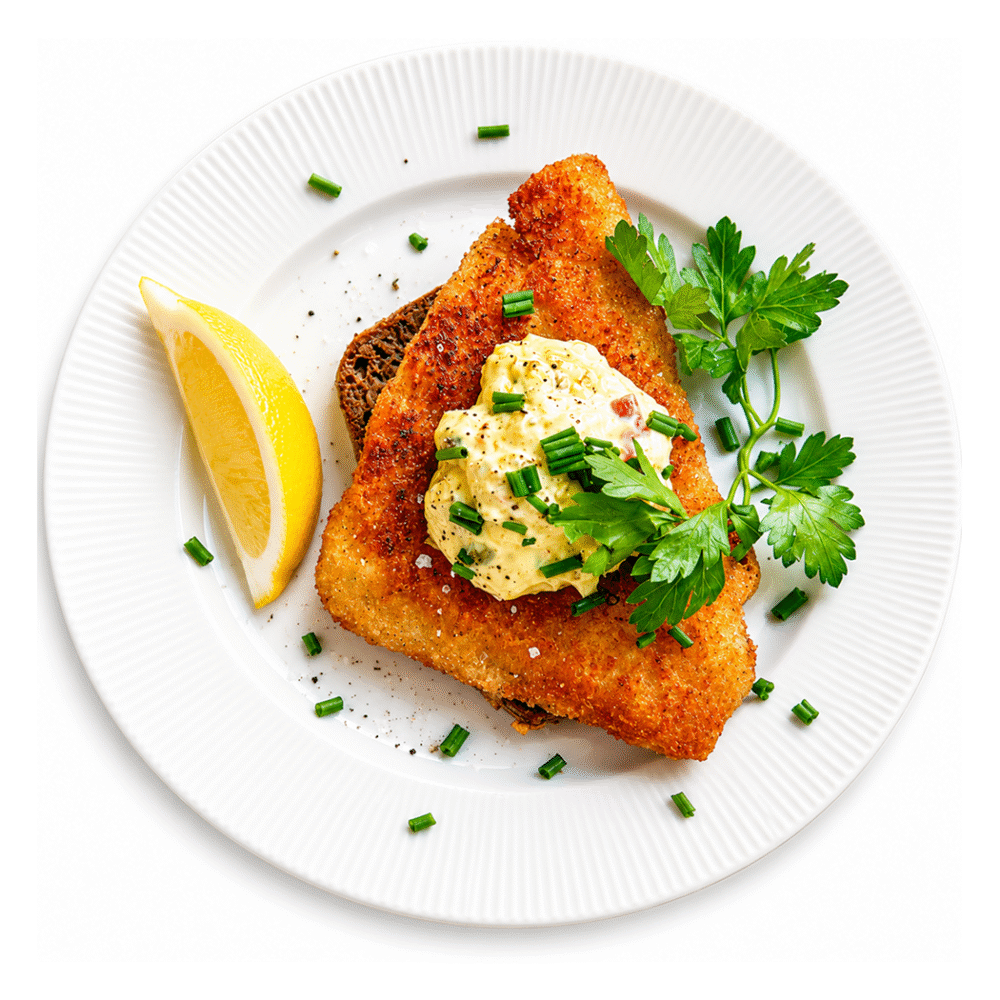
In Denmark, fish often behaves like pålæg – something cold that you put on a sandwich topping. This is especially clear with pickled herring, curry herring, fried fish with remoulade, shrimp salad, smoked eel, and smoked herring. Fish was the staple all along the thousands of kilometers of coast, fresh for shore-dwellers, dried and salted for inlanders. Herring specifically was so abundant and so economically important that it was called the silver of the sea. Gutting, removing the head, and preserving herring in salt could extend its shelf life for up to two years, and it could be transported long distances. This is why Denmark developed such a deep culture around preserved fish. Pickled herring in dozens of preparations, smoked fish, salted cod, and an ingrained habit of eating fish at lunch that persists today.
Denmark doesn’t have the fermented fish tradition that Norway (rakfisk) and Sweden (surströmming) do. Danish preservation went the pickling-and-smoking route instead.
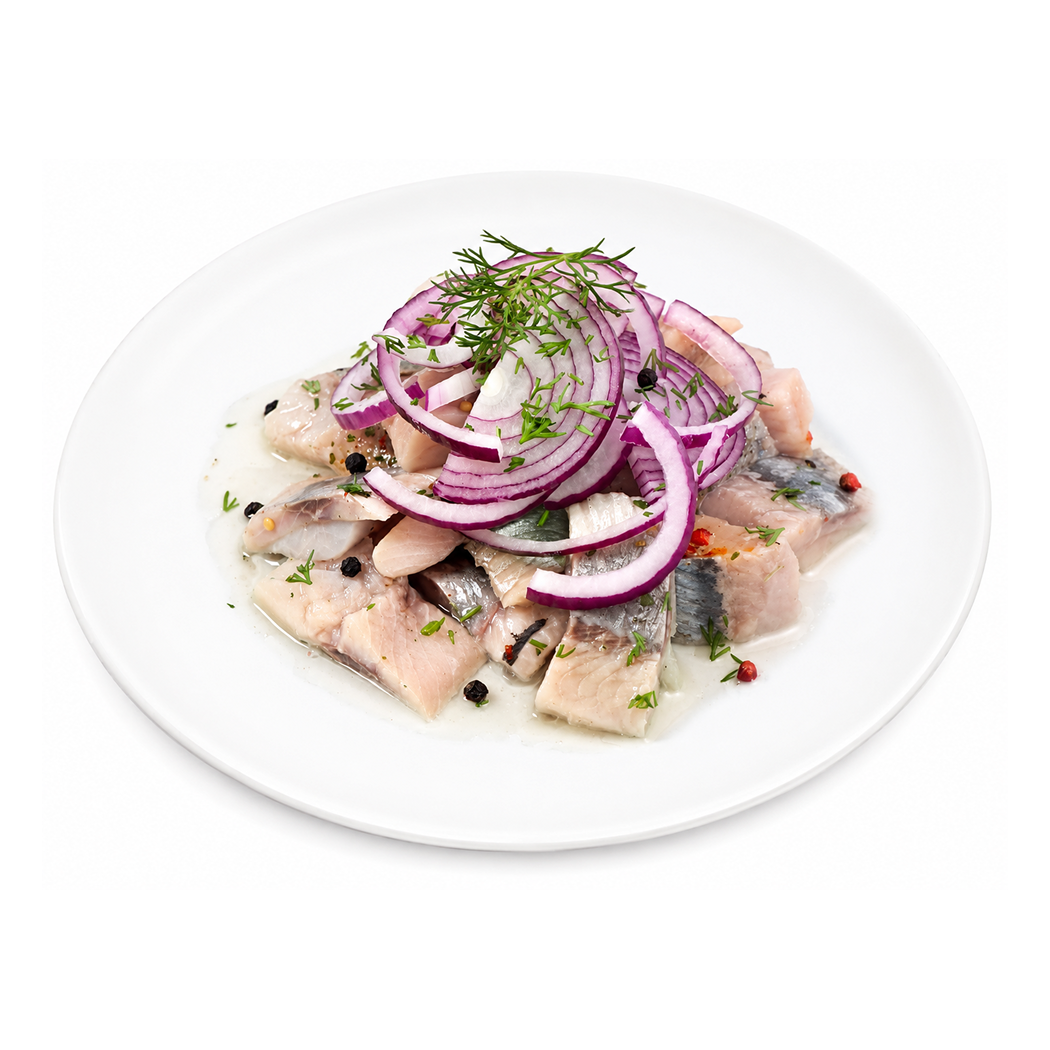
Pickled herring appears both as a must-try and as a fear food for visitors. Scandinavia Standard notes that many travelers do not realize the herring is not raw; it is salted and pickled with vinegar, sugar, salt, and spices. Danish pickled herring appears in curry sauce, mustard, onion, cream, and spiced brine variations, and new ones keep appearing
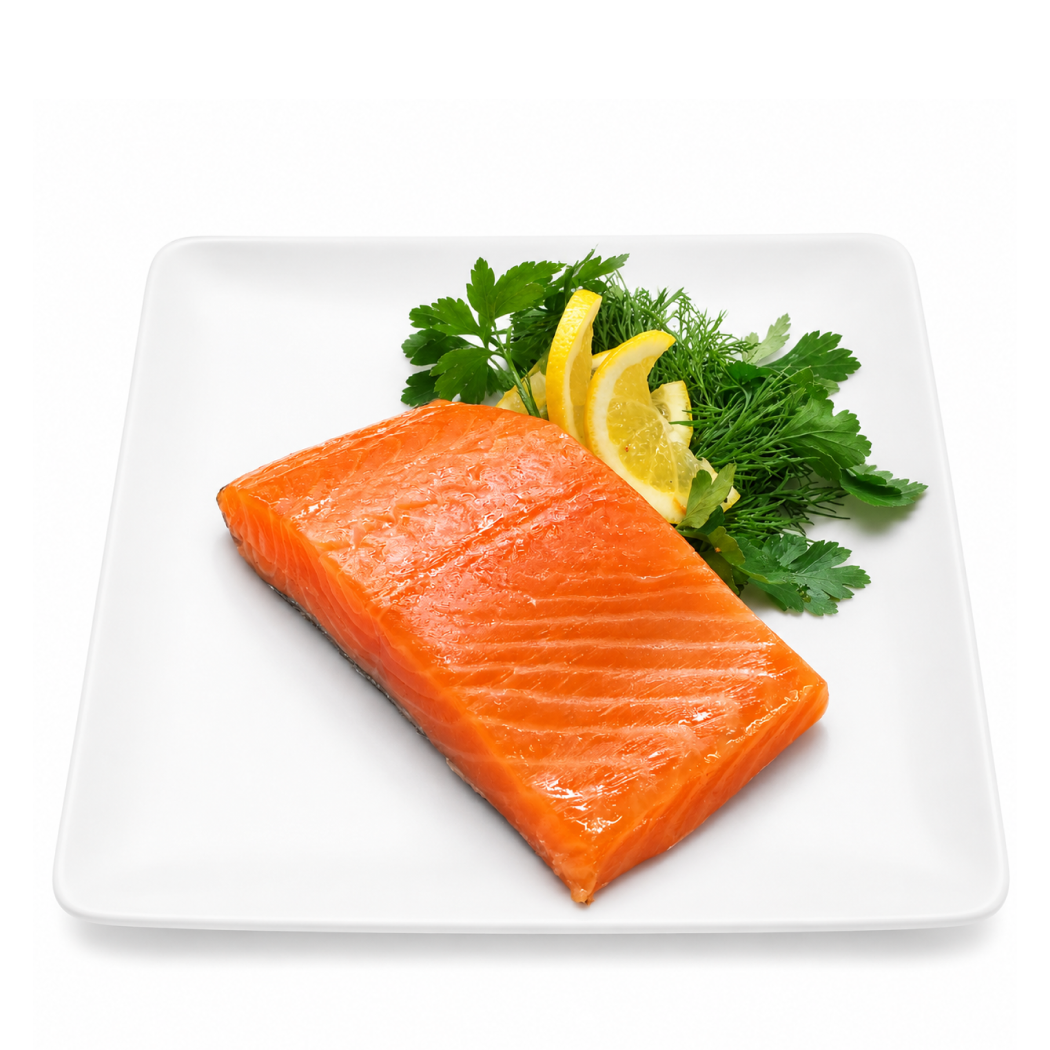
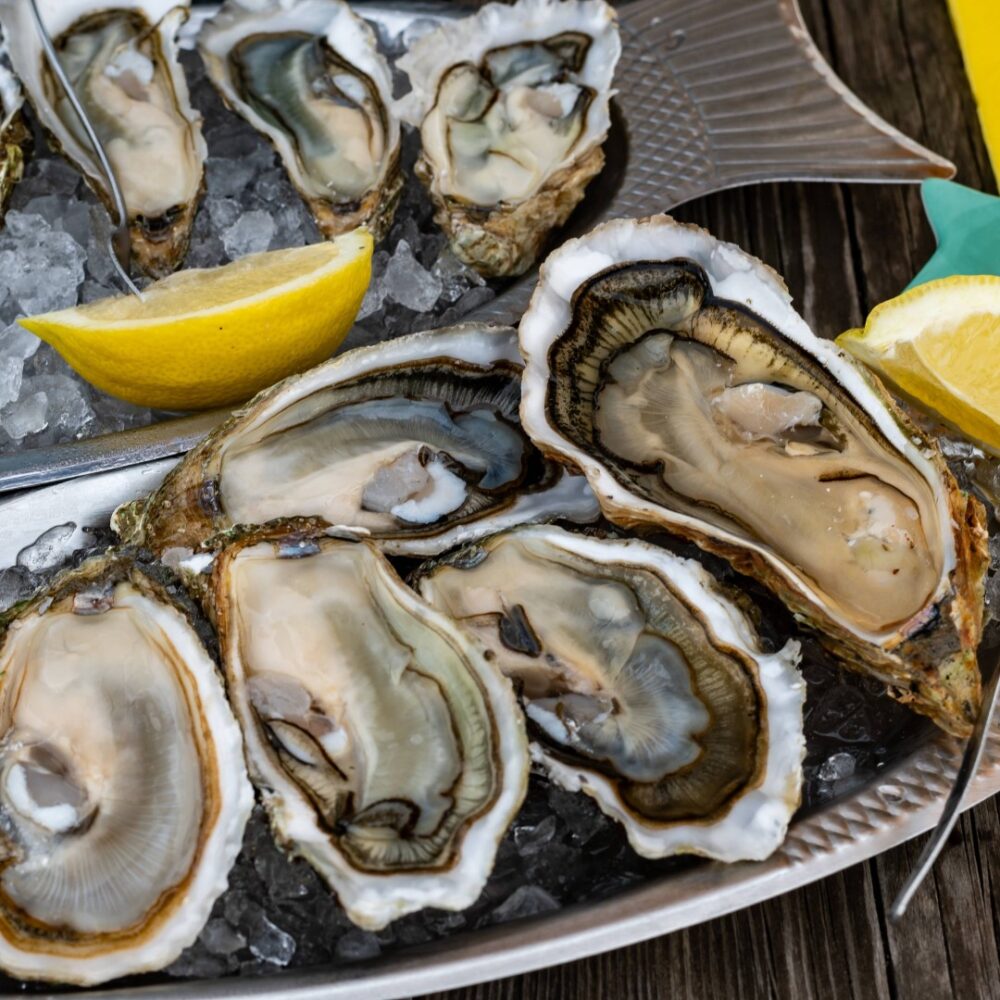
Danish seafood is not only herring. Shrimp, mussels, oysters, lobster, plaice, cod, eel, salmon, and roe. And then there are the Limfjord oysters, which most people outside Scandinavia have never heard of. You can harvest them yourself on an oyster safari, wading into shallow water in boots. The EU has documented their quality.
MILK AND DAIRY IN DANISH CUISINE
Denmark is a small country that produces an absurd amount of milk relative to its population. The world’s dairy cultures roughly split into fat-forward traditions (butter, cream, mild cheese) and fermentation-forward ones (aged hard cheeses, yogurt, soured milks). Denmark lands firmly in the first camp. Almost no strong aged cheese, minimal yogurt culture in the traditional sense, essentially no sheep or goat milk to speak of. All cow. Danish dairy is technically excellent and gastronomically conservative. They perfected mild.
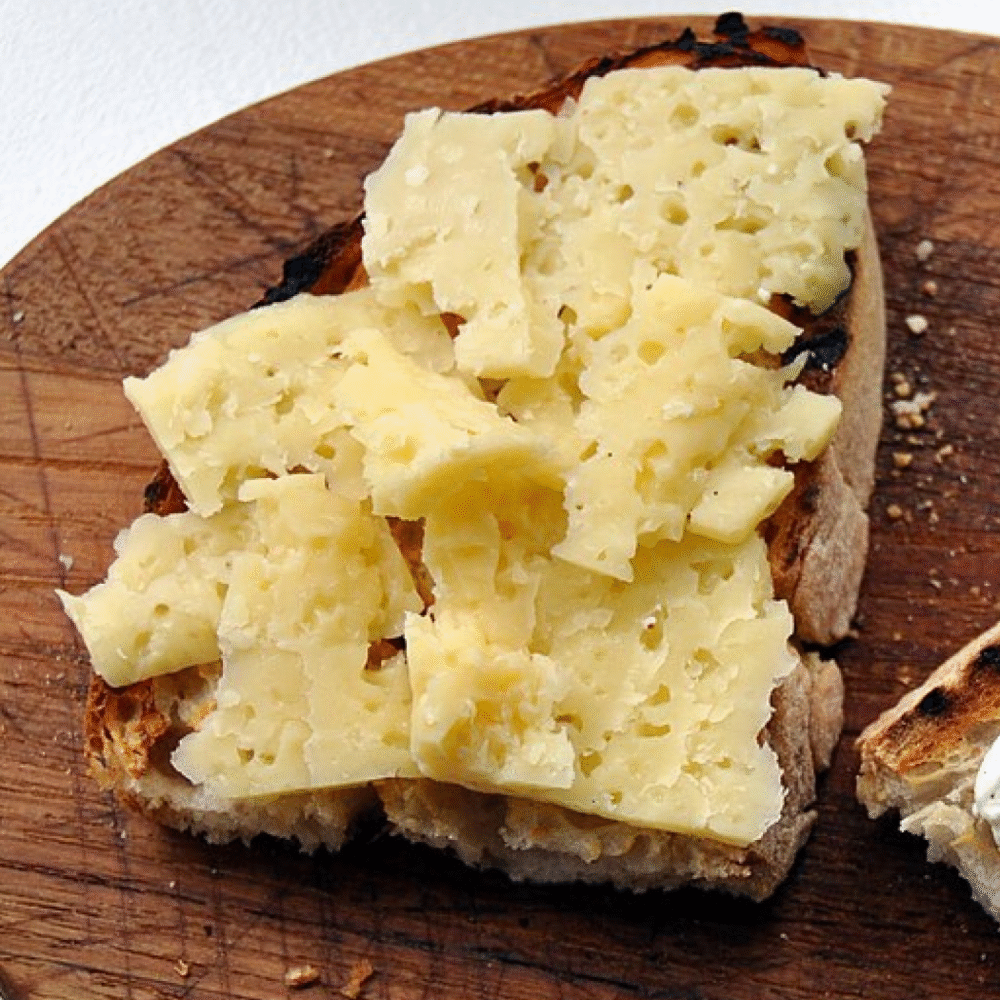
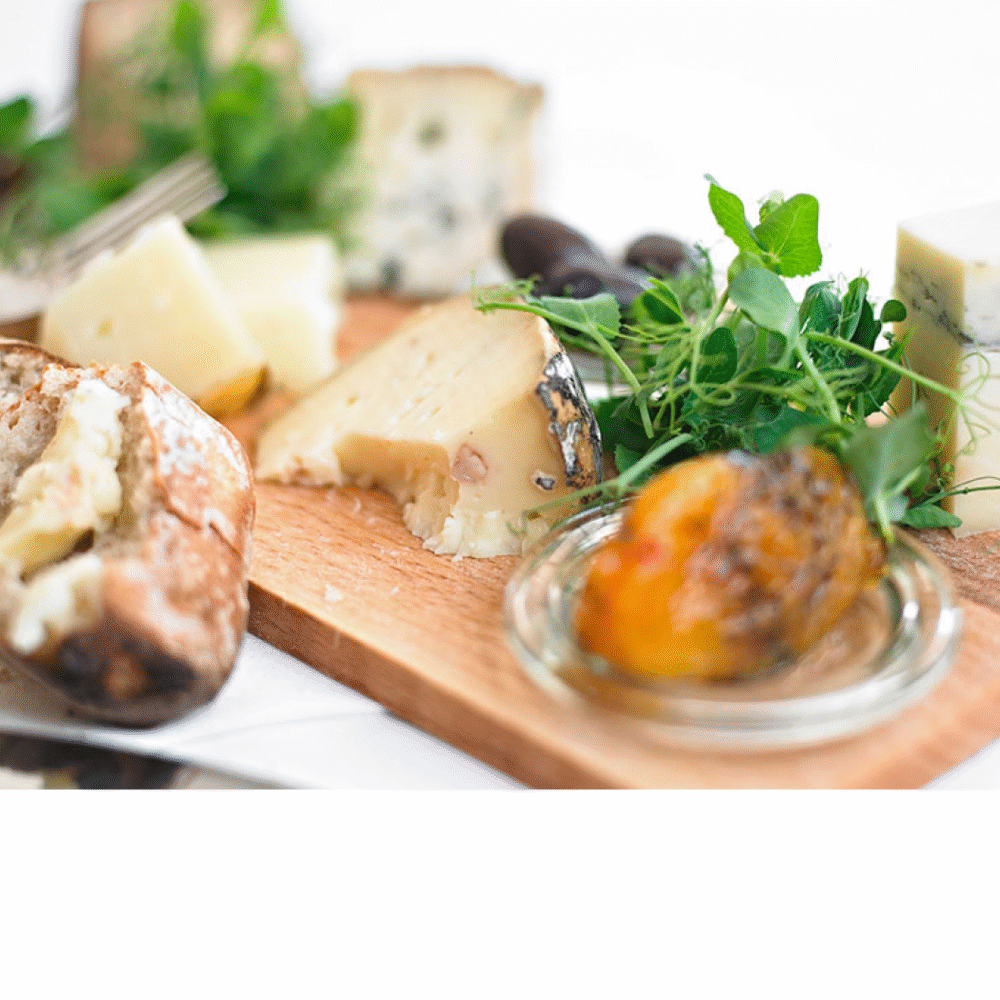
Cheese is eaten at breakfast and lunch, not for cooking. The hot food doesn’t incorporate melted cheese. You eat cheese on bread, cold, sliced. The exception is occasional gratins and bakes, but that’s not distinctively local. Danish cheeses are semi-soft to semi-hard, mild, cow’s milk, with a clean lactic flavor and small, irregular holes. The lineup:
Danbo — probably 40% of what Danes actually eat. Firm enough to slice, mild enough that a child won’t complain, sometimes made with caraway seeds.
Havarti — semi-soft, buttery, slightly tangy when young, develops more bite when aged. It became internationally popular partly because it melts well.
Samsø — named after an island, semi-hard, mild nutty flavor. The closest Denmark gets to something like Emmental in character, though much milder.
Esrom — semi-soft, washed rind, actually has some pungency and funk. Made originally by Cistercian monks.
Danablu (Danish Blue) — creamier and more approachable than roquefort, less salty than gorgonzola. It’s the affordable blue that became a global commodity cheese.
Rygeost — genuinely unusual. A fresh cheese, smoked over straw or cherry wood. Soft texture, smoked flavor, eaten young. Not exported much. The kind of thing that only makes sense in its local context, spread on dark bread.
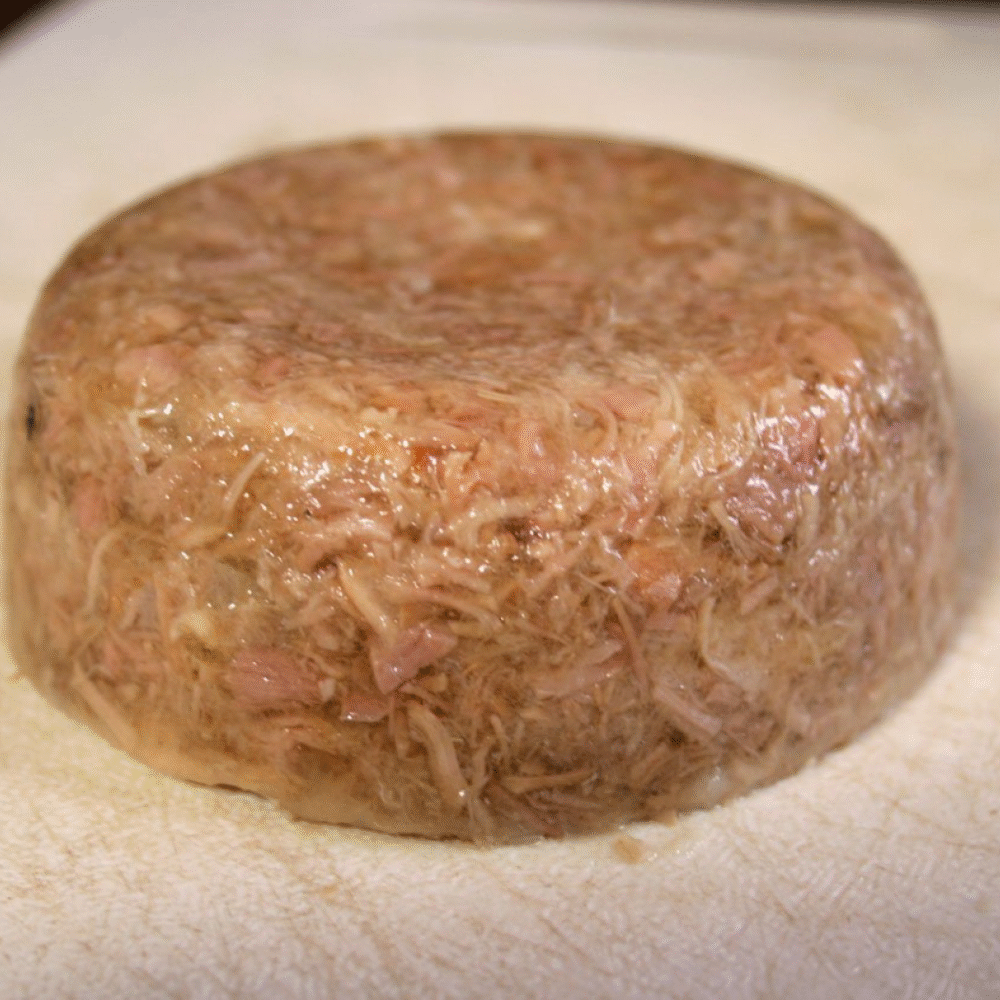
Gamle Ole is the local test of character: aged, pungent cheese served on rugbrød with lard, sliced onion, aspic, and sometimes a few drops of rum. It can clear a room. Danes joke that a sealed container of it will smell up an entire refrigerator — and “smells like Gamle Ole” has entered the language as a way of saying something is off.
Danish butter has been a premium export commodity since the 19th century. The Danes essentially invented modern butter quality control. The fat content runs higher than American butter (84%+ vs. 80%), and the flavor is extremely clean. Wienerbrød uses it extensively, smørrebrød gets its name from butter smør.
Cream goes into sauces the way wine does in French cooking — it’s the finishing move. Flødesauce (cream sauce) over meatballs, over chicken, over fish. Danish cooking doesn’t use much acid or aromatics; fat does a lot of the balancing work.
DESSERTS IN DANISH CUISINE
Danish desserts are not very sweet. Compared to American baking, they taste almost restrained. Most follow a loose template: something fruity or starchy at the base, whipped or poured cream on top, minimal sugar. The thing Denmark genuinely does well is the cold dessert category. Koldskål, rødgrød, cold rice desserts.
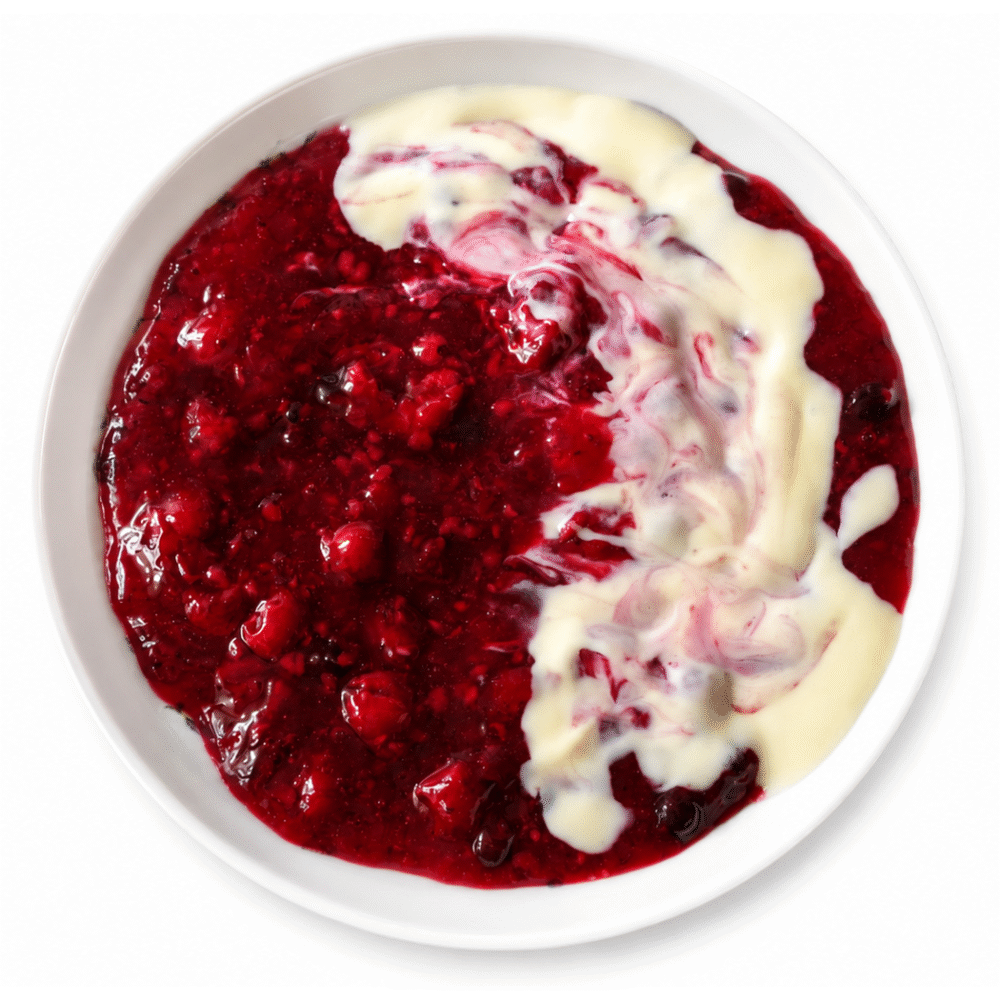
Rødgrød med fløde is the purest expression of the tendency. Red berries — red currants, raspberries, strawberries — cooked down and thickened with potato starch, served cold, cream poured over. That’s the whole dish. The name is famously unpronounceable for non-Danes, which made it a test for foreign visitors.
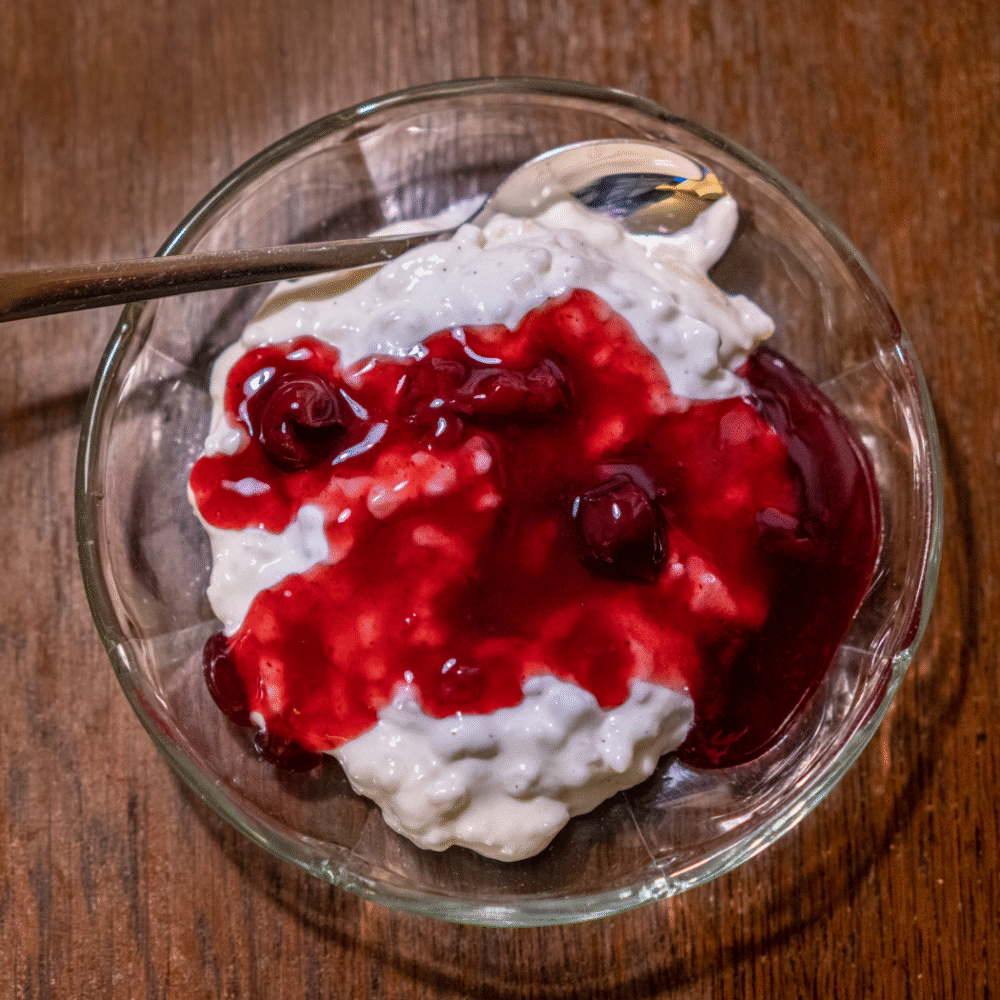
Risalamande is Christmas. Rice porridge made with whipped cream and vanilla, served with warm cherry sauce, and one whole almond hidden somewhere in the bowl. Whoever finds the almond gets a prize — usually marzipan or a small gift.
Æblekage translates as apple cake, but it isn’t a cake. It’s a layered dessert: stewed apples, breadcrumbs toasted in butter until caramelized, whipped cream, sometimes jam. Built in a glass bowl so the layers show.
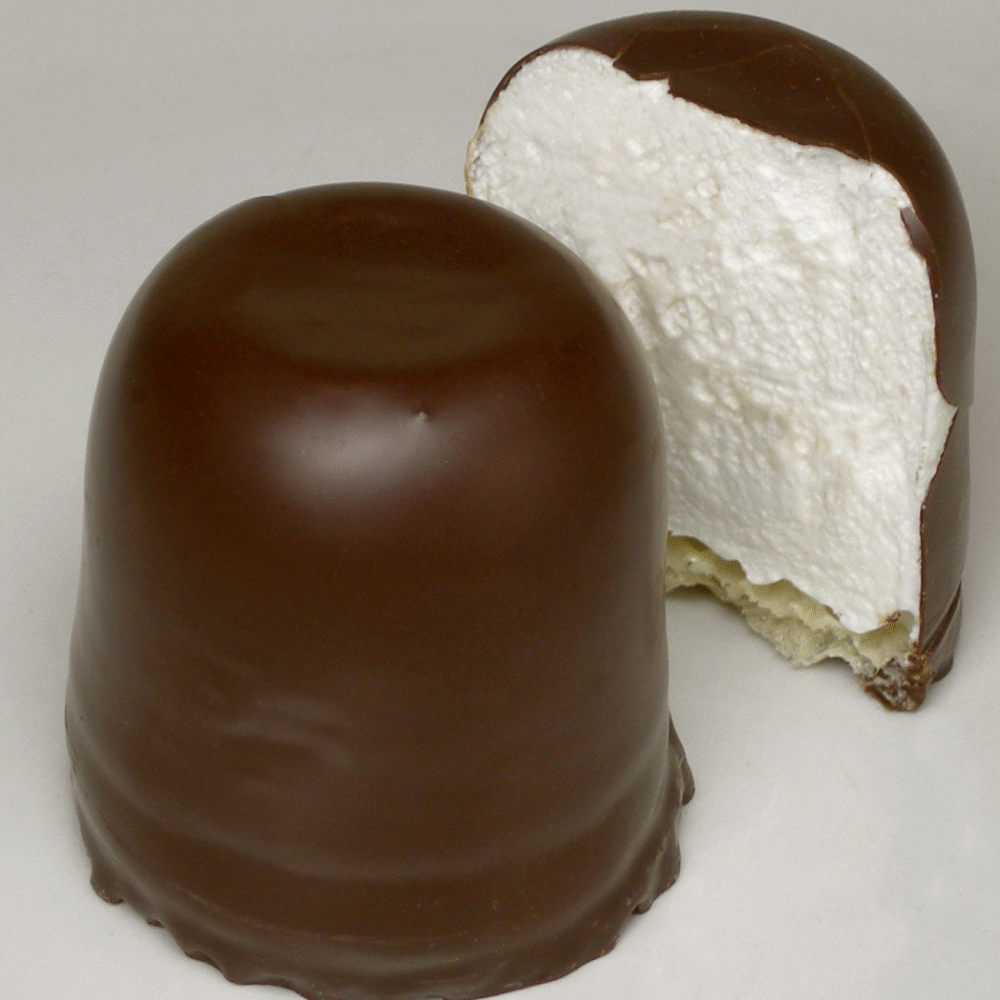
Denmark has a real marzipan culture, centered on Odense. It appears as cake decoration, inside flødeboller, confection, shaped into pigs (a Christmas gift tradition), layered in pastries.
Most of the world knows sweet licorice. Twizzlers, soft Italian licorice, the black candy. Mildly anise-flavored, sugary, inoffensive. Denmark — and Scandinavia broadly, plus the Netherlands — has something very different: salty licorice, and at the far end of that spectrum, salmiak. Salmiak is licorice combined with ammonium chloride (NH₄Cl). The flavor is hard to describe – salty, obviously, but also astringent, slightly cooling, with a faint medicinal bitterness. Not unpleasant once you’re calibrated to it, but genuinely shocking on first contact. Most non-Nordic adults try it once and refuse a second piece. Nordic children grow up eating it and develop a tolerance that eventually becomes a preference.
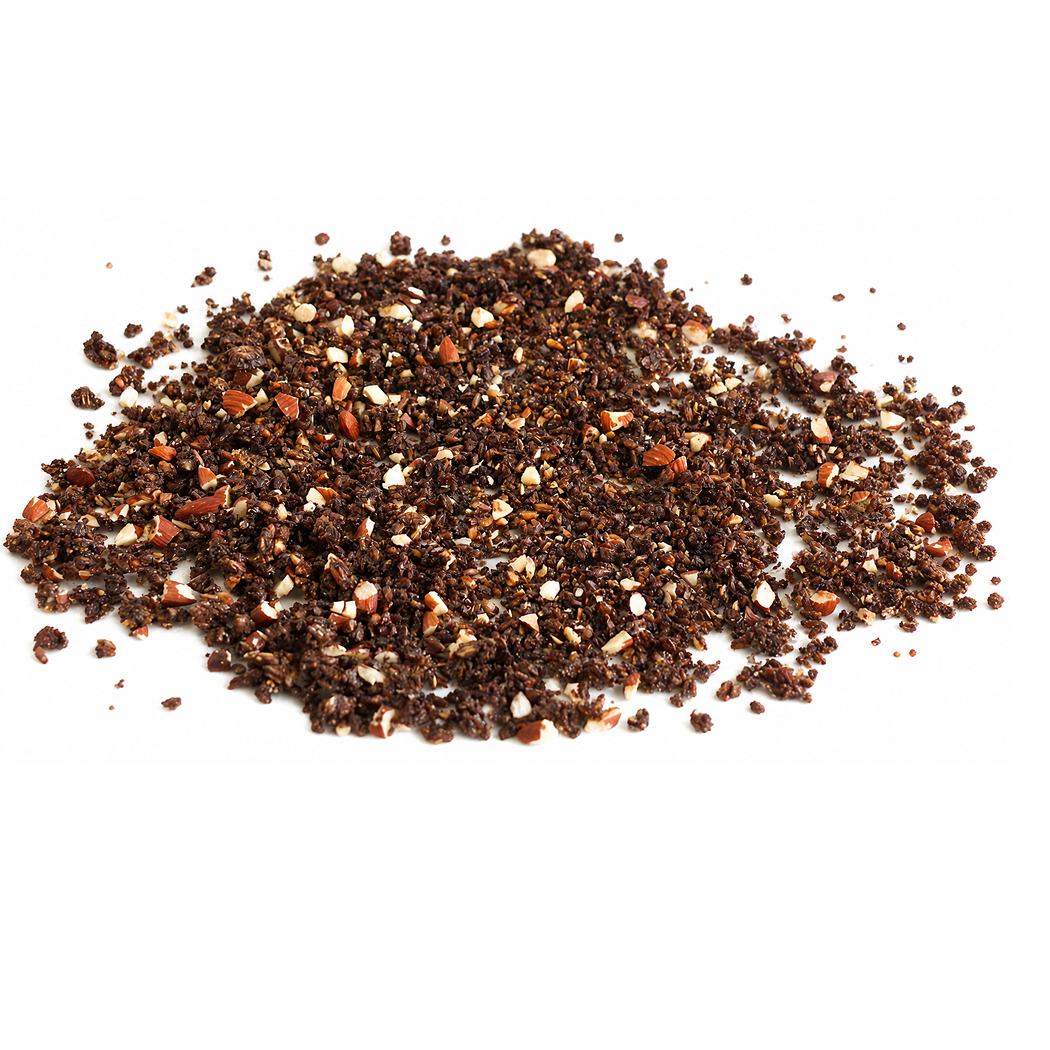
Licorice ice cream is normal in Denmark in a way it isn’t almost anywhere else. Licorice with dark chocolate is a combination that Danes have been eating for decades, and that the rest of the world has recently discovered as a trend. Licorice powder on desserts, in cocktails, as a finishing element — this is standard kitchen vocabulary in Denmark now.