


THE ESSENCE OF NORWEGIAN FOOD
Norwegian food is about making the most of what you have and when you have it. It’s about survival and simplicity, shaped by long winters and long coastlines. However, present-day Norwegian cuisine is built on survival-based roots and contemporary abundance. Norwegians have access to everything, yet there’s a deliberate choice to anchor identity in certain traditional elements. The survival mentality has evolved into a quality-over-quantity philosophy. Where once Norwegians preserved fish because they had to, now they cure salmon and gravlaks because they want to. What’s particularly Norwegian now is this luxurious minimalism – taking simple, high-quality ingredients (often still local, like Arctic char or reindeer) and preparing them with restraint and precision. It’s minimalism as a choice, not a constraint.
GRAINS IN NORWEGIAN CUISINE
Norwegians favor whole-grain, dense, and hearty breads. Most of the bread is from wheat, but rye bread stands out. This dark, dense bread is crafted from a blend of rye and wheat, with oats added for texture (oats’ usage in bread-making is perhaps the most unusual among cereals, compared to continental Europe). Top everyday choices are loff (soft, white wheat bread), rugbrød (dark and dense rye bread), landbrød (country whole wheat bread), and rundstykker (small round wheat rolls).
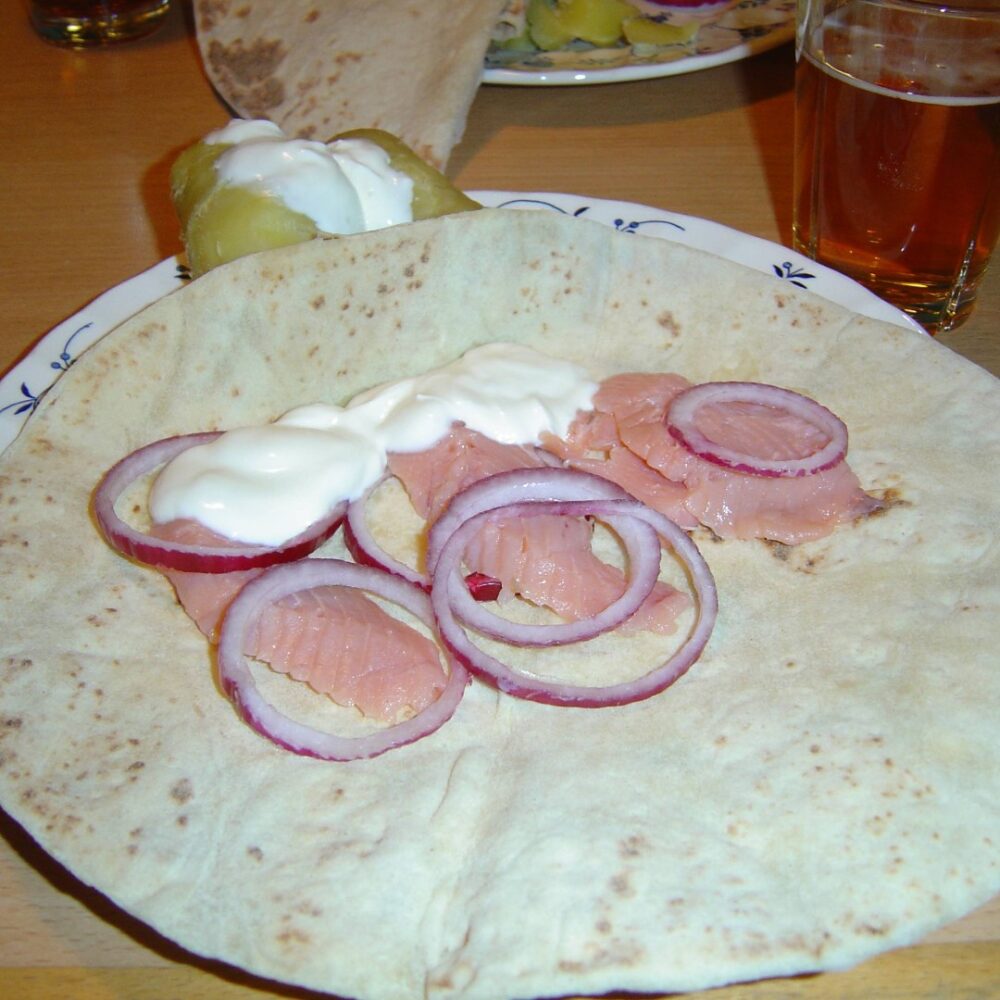
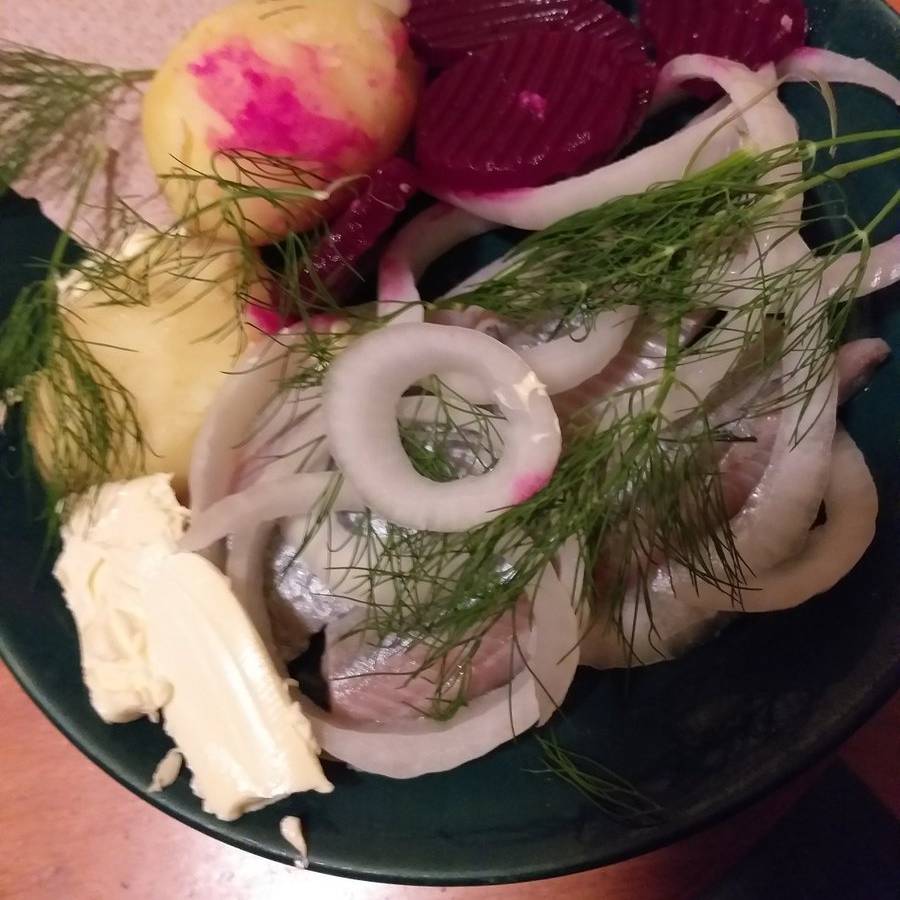
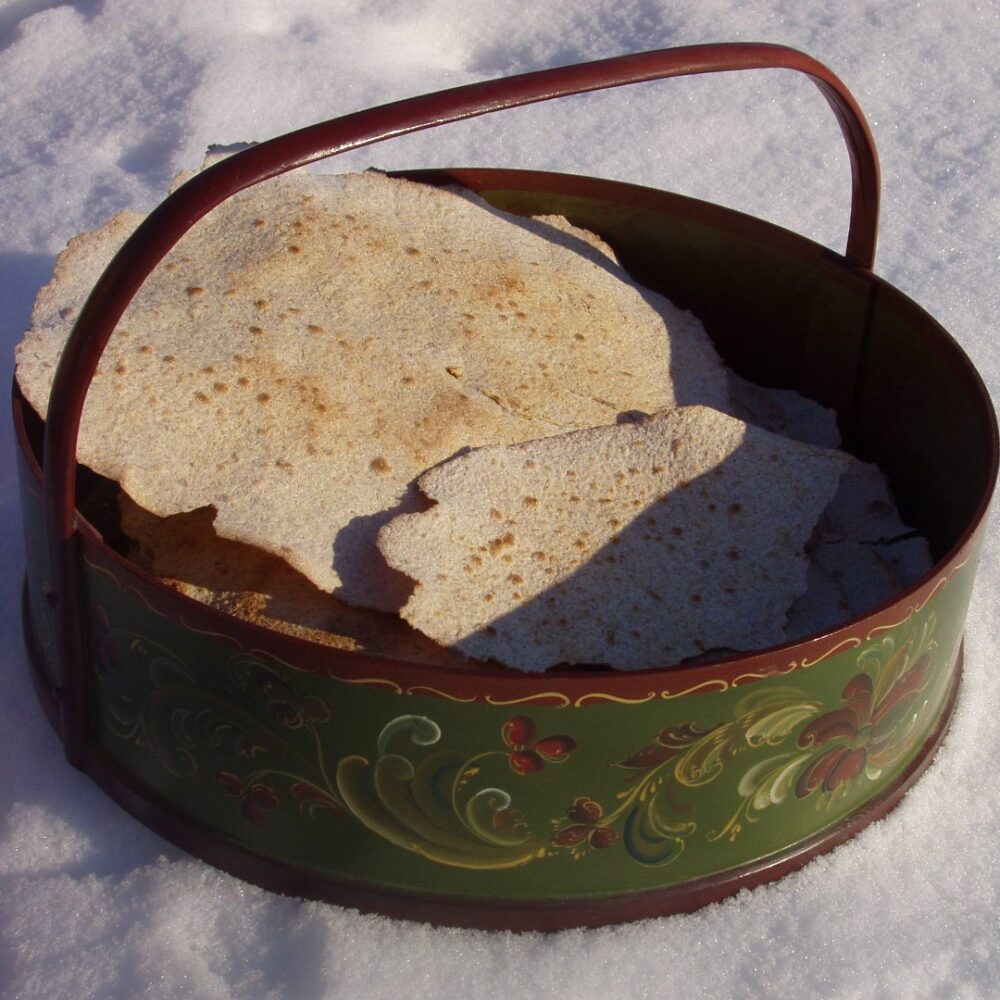
Flatbread (flatbrød), an unleavened staple of Norwegian farmers, shepherds, and peasants, is dry, crisp, and water-free. It was once eaten with all meals, most often with cured herring and boiled potatoes, along with sour cream and butter. In Norway, it pops up everywhere. It can be found in fancy restaurants, topped with caviar and a sprig of rocket, as well as a backpack to take on long hikes, as toppings can be added later.
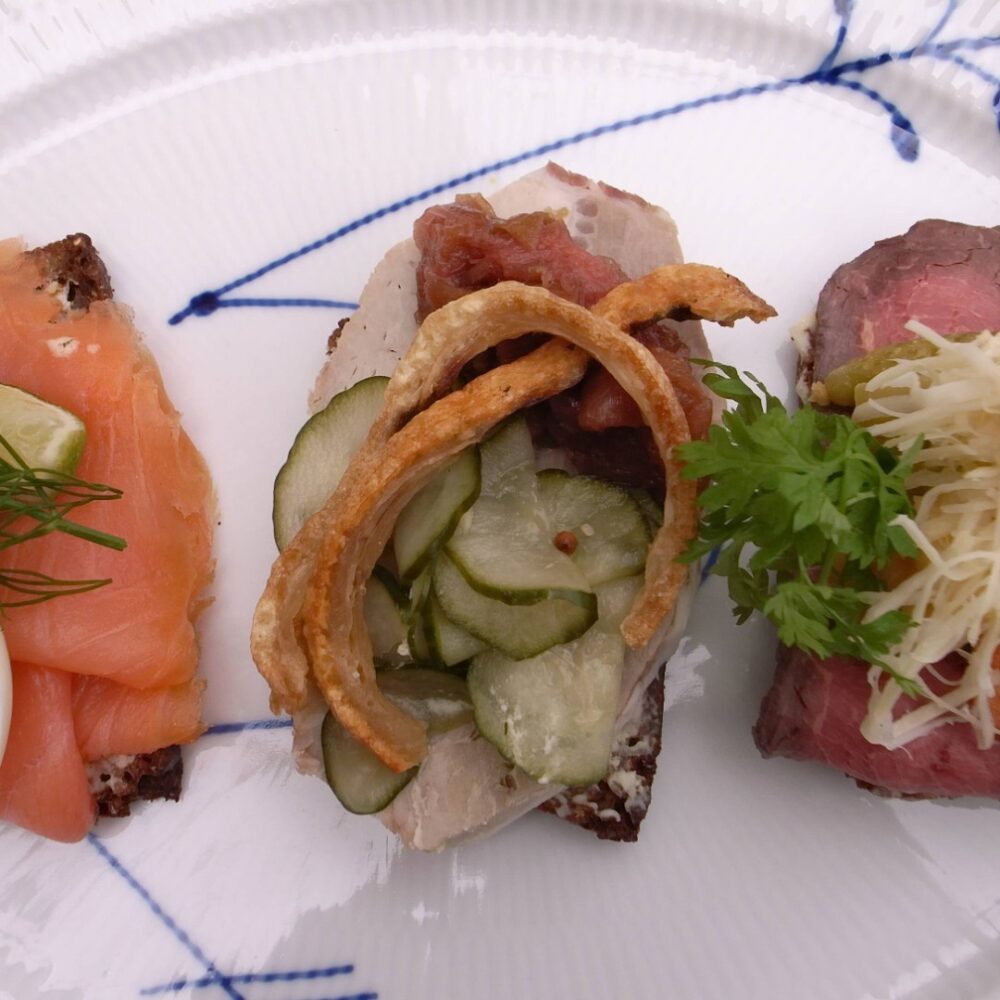
The Norwegians have a tradition of matpakke, a packed lunch for work, school, or just a day out. It features open-faced sandwiches of whole-grain bread with toppings like brunost cheese, cold cuts, liver paté, or cod roe from tubes. Humble matpakke originated in the 1920s, when schools started offering whole-grain bread, milk, brown goat cheese, and fruits or vegetables as a nutritious meal option for children. This tradition stuck, and as the children aged, they brought packed lunches to their workplace, giving birth to what is now a symbol of Norwegian lunch culture.
 Matpakke - open faced sandwithces, a symbol of humble Norwegian lunch
Norway is an unexpected global leader in pizza consumption, especially frozen pizza. Annually, Norwegians consume 47 million frozen pizzas! It is about 11 pizzas per person – the highest per capita pizza consumption in the world. By comparison, the average American eats about 0.58 frozen pizzas per year – roughly 200 million pizzas total across a population of 343.6 million. Frozen pizza is so ingrained locally that it’s even considered as an unofficial national dish. Norwegian pizzas often have unconventional toppings like kebabs, French fries, and reindeer.
Although rice is not a long-living staple in Norway, its consumption in processed forms and Asian dishes is gaining traction. Similarly, corn is minor, but it is incorporated into snack foods and side dishes.
PRODUCE IN NORWEGIAN CUISINE
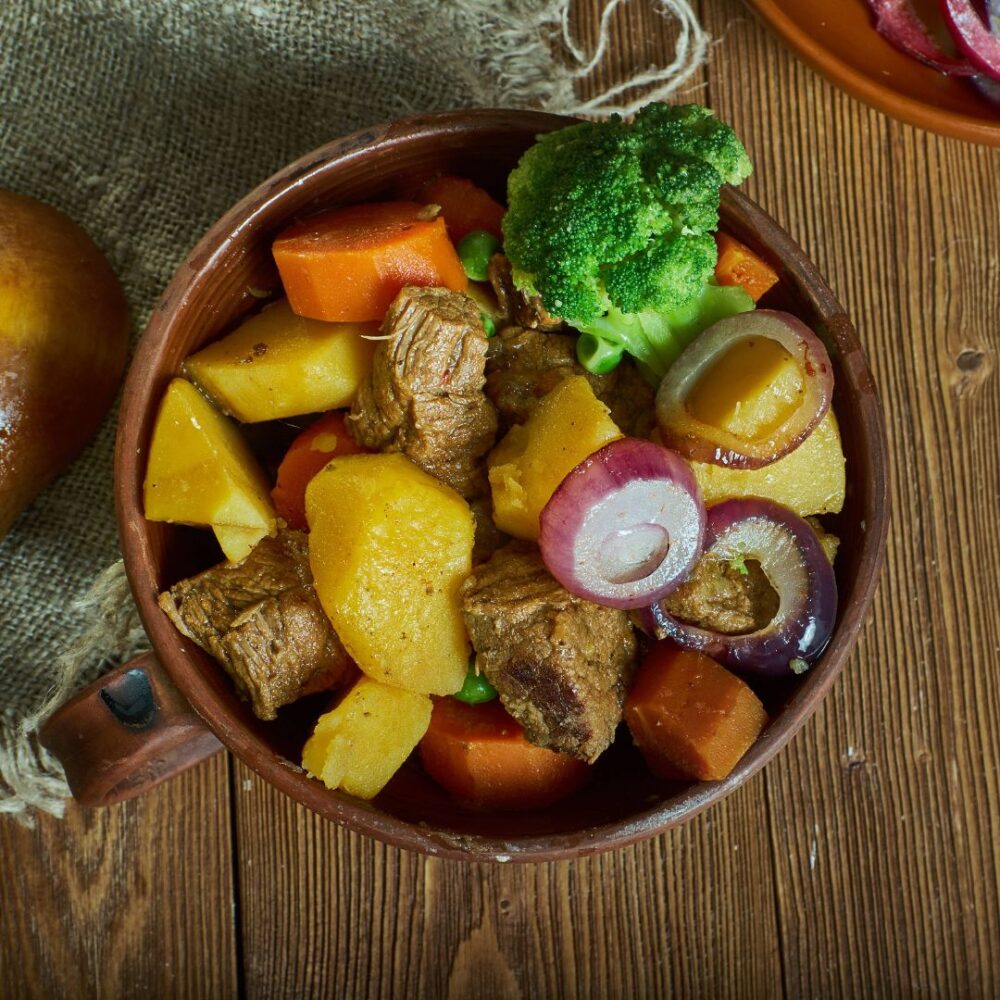
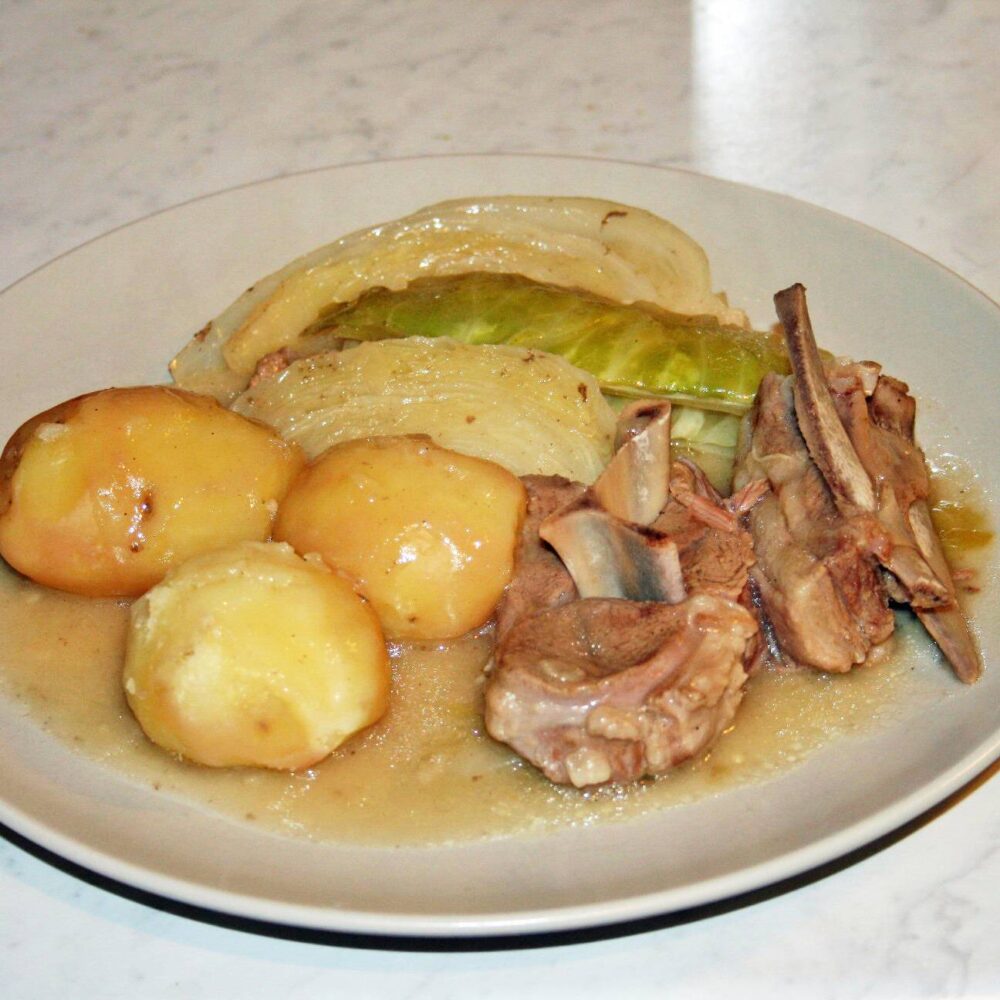
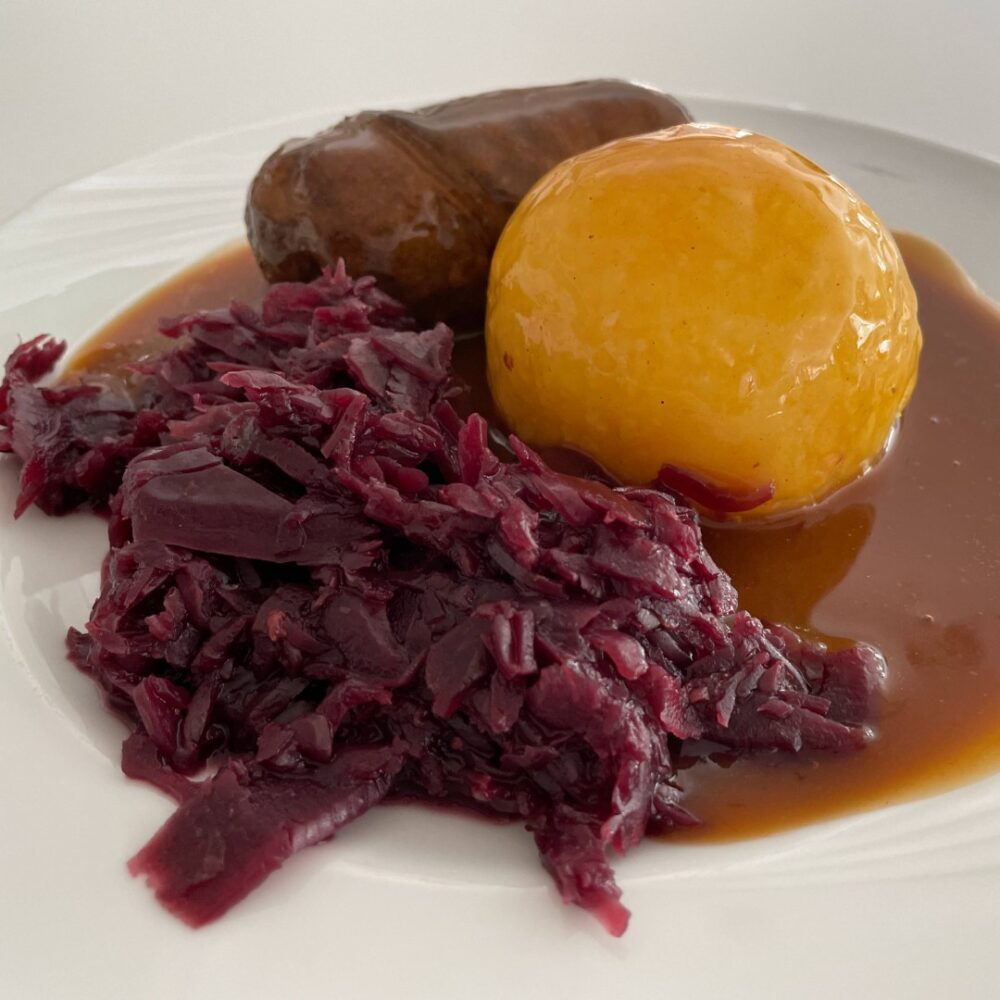
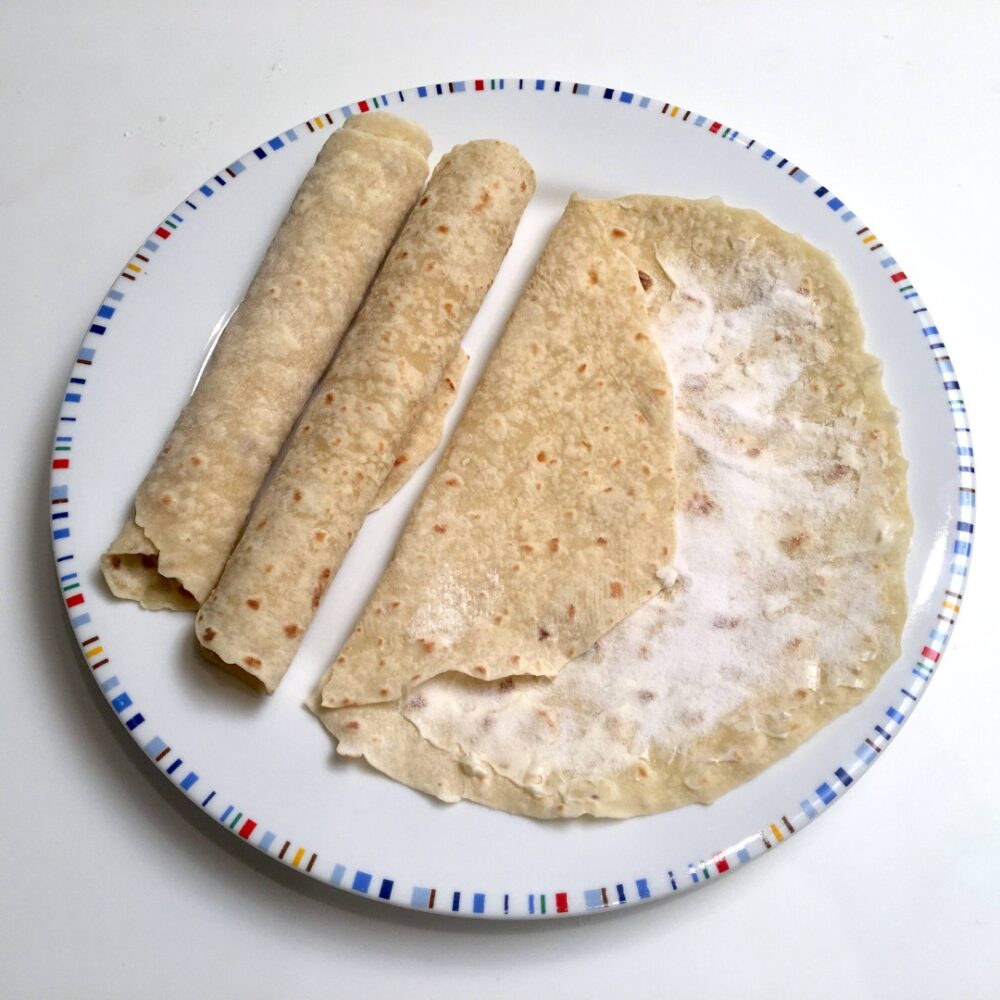
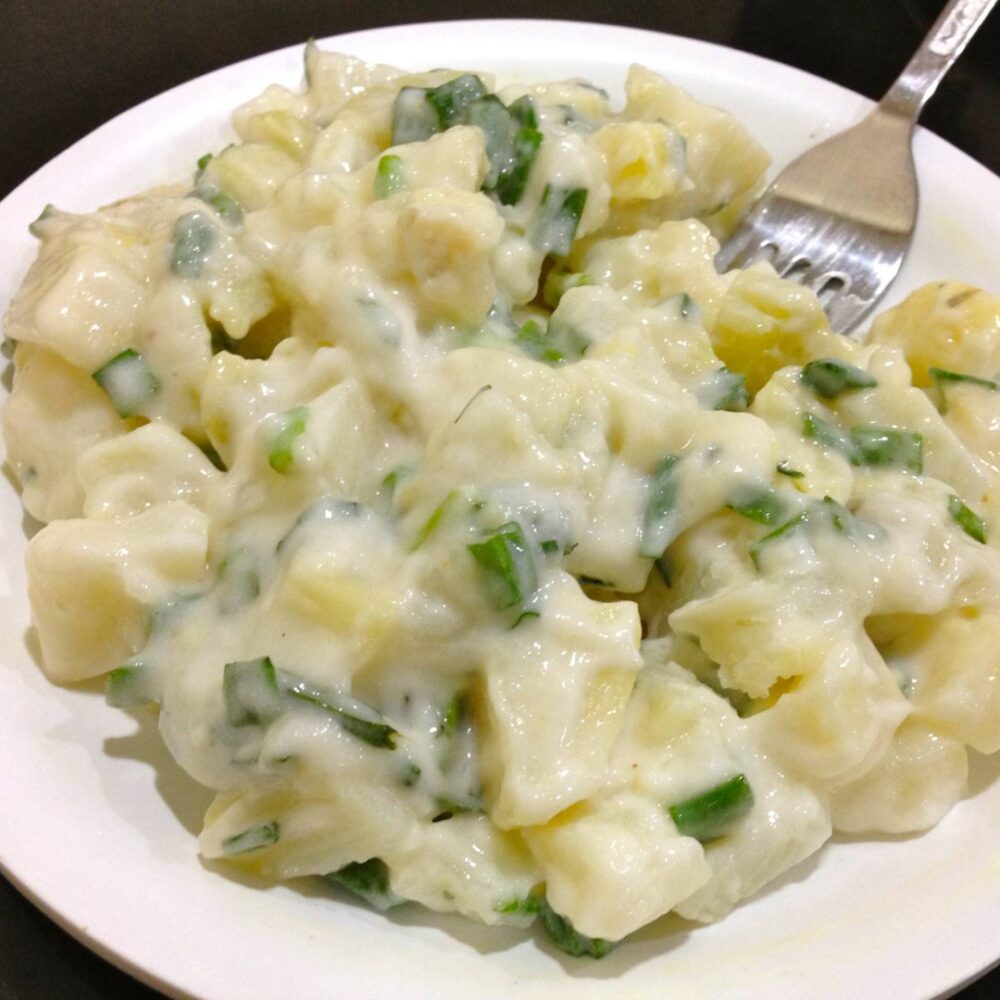
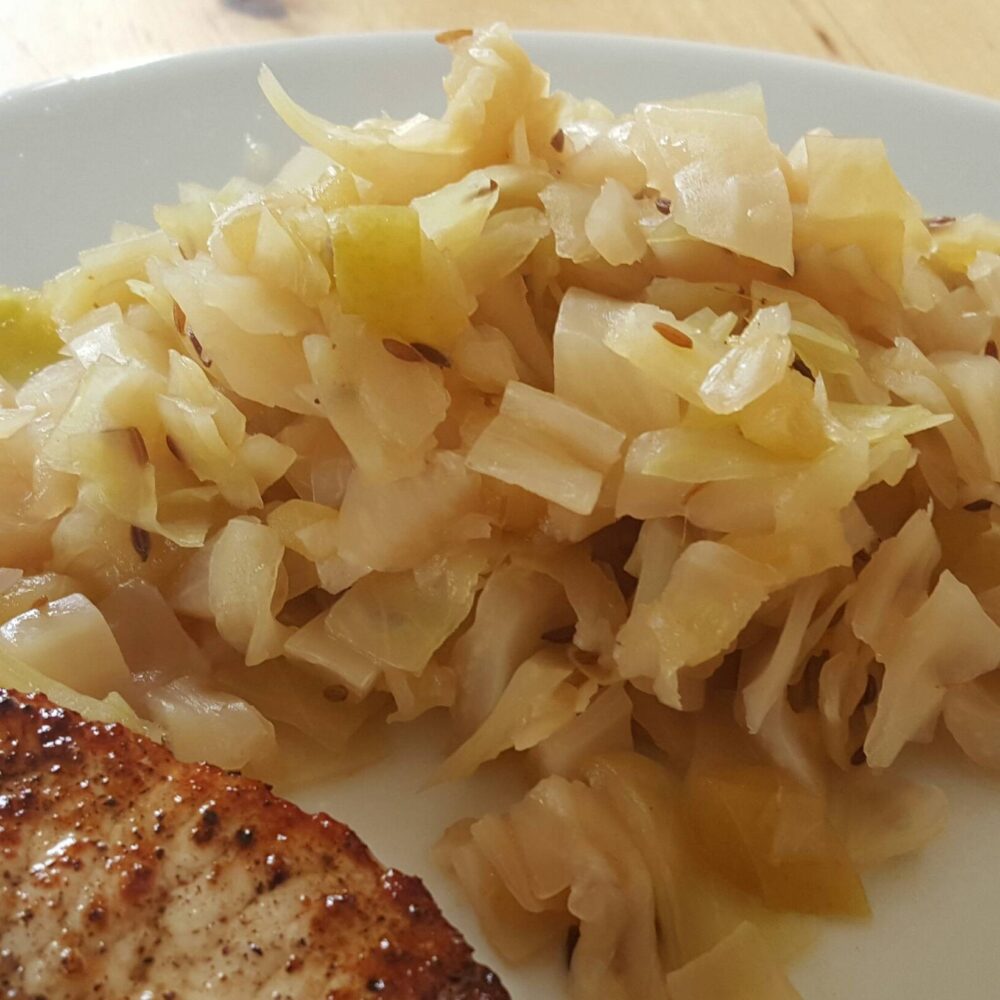
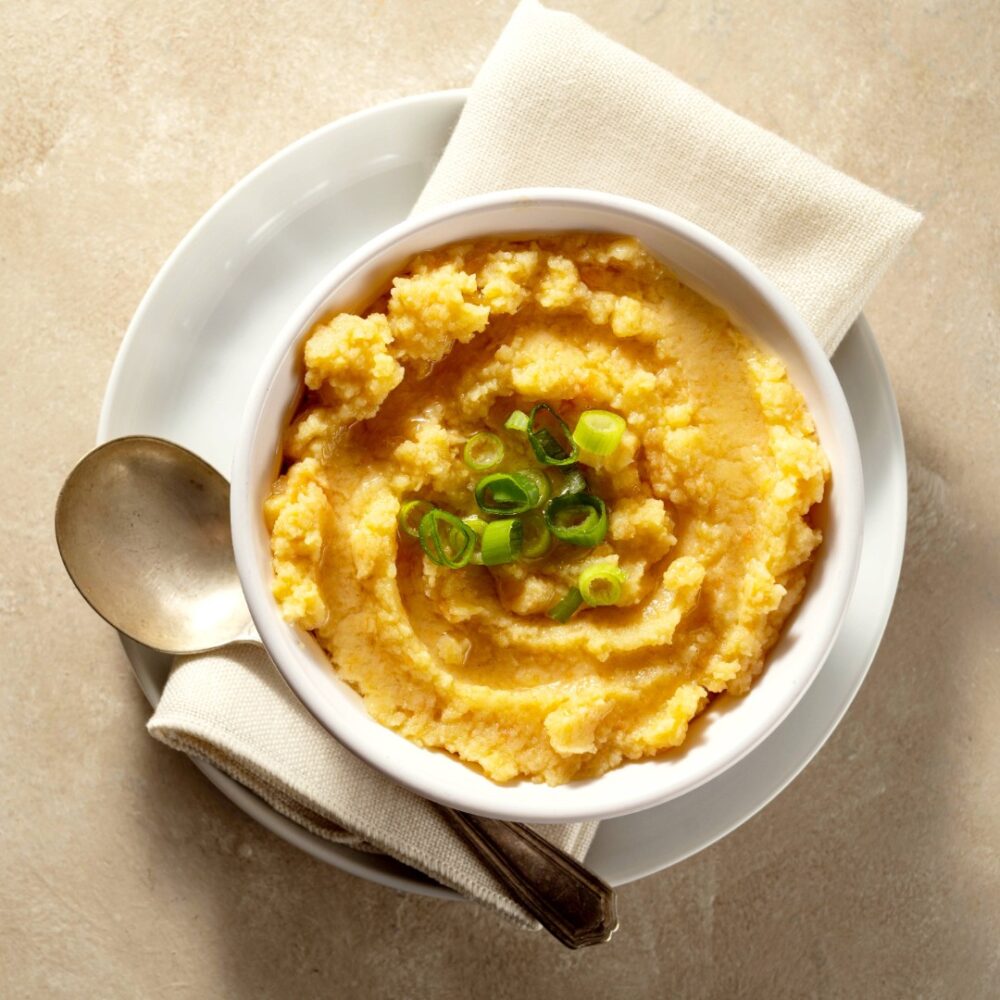
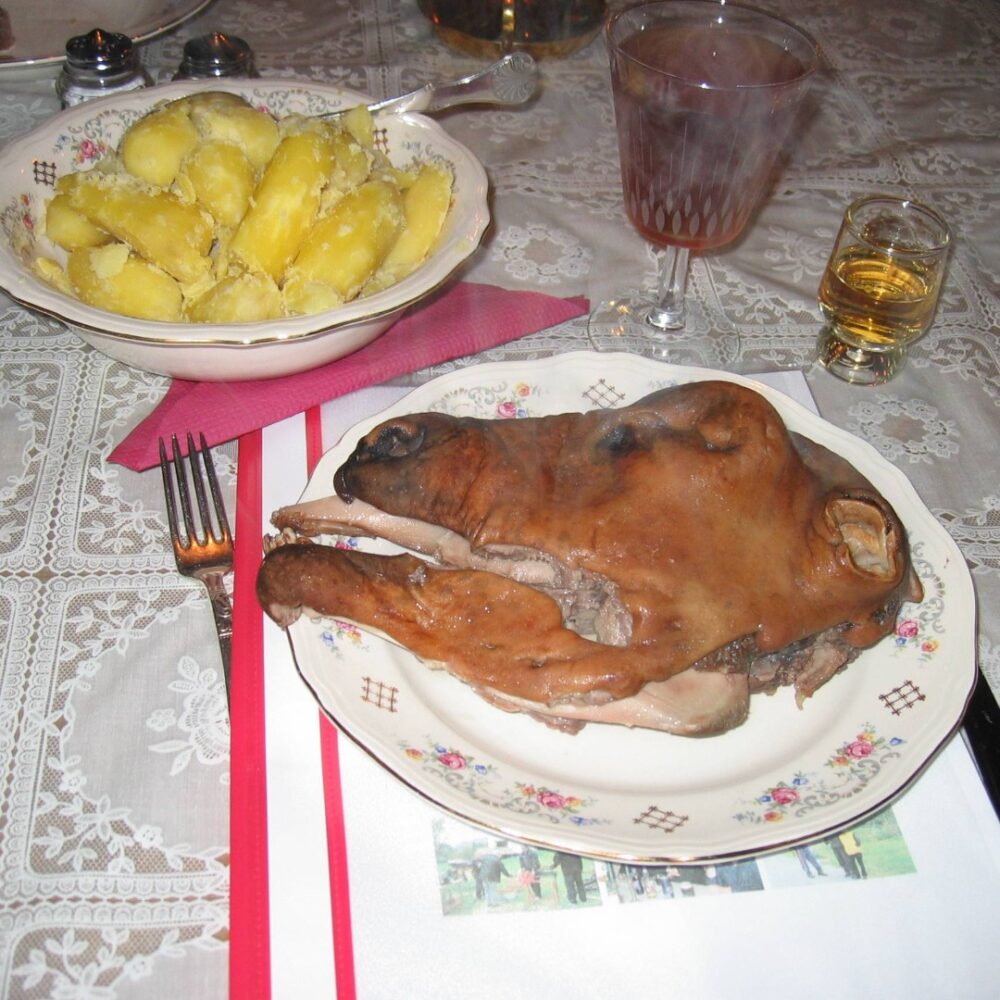
Root veggies like potatoes, carrots, rutabagas, beets, and turnips are widely used. Cabbage is a staple, especially in fårikål (mutton and cabbage stew) and surkål (side dish). Broccoli, cauliflower, and Brussels sprouts are gaining popularity; onions and leeks add flavor to many soups, stews, and sauces. Potatoes are the default side dish in Norway – simply boiled potatoes are an essential component for a complete meal. Though this may be a bit of an exaggeration, as potato is no longer a stronghold it used to be, it is still a big part of cuisine and overall diet, especially with spring potato salad (potetsalat), potato flatbread (lefse), and potato dumplings (raspeball).
Norway has a short, cool summer season, and locally grown fruits have acidity and tanginess, which local cuisine relies upon. Readily available wild berries, apples, pears, plums, and rhubarb are used in sauces, jams, compotes, crumbles, and pies. While berries are very traditional and local, a wealthy country consumes many imported fruits.
There’s an increasing movement towards healthy eating in Norway, with people paying more attention to ingredients, portion sizes, and dietary balance. The awareness of pulses’ benefits is leading to slow but increasing consumption of lentils, beans, and chickpeas, even though they were never staples in Norway.
MEAT IN NORWEGIAN CUISINE
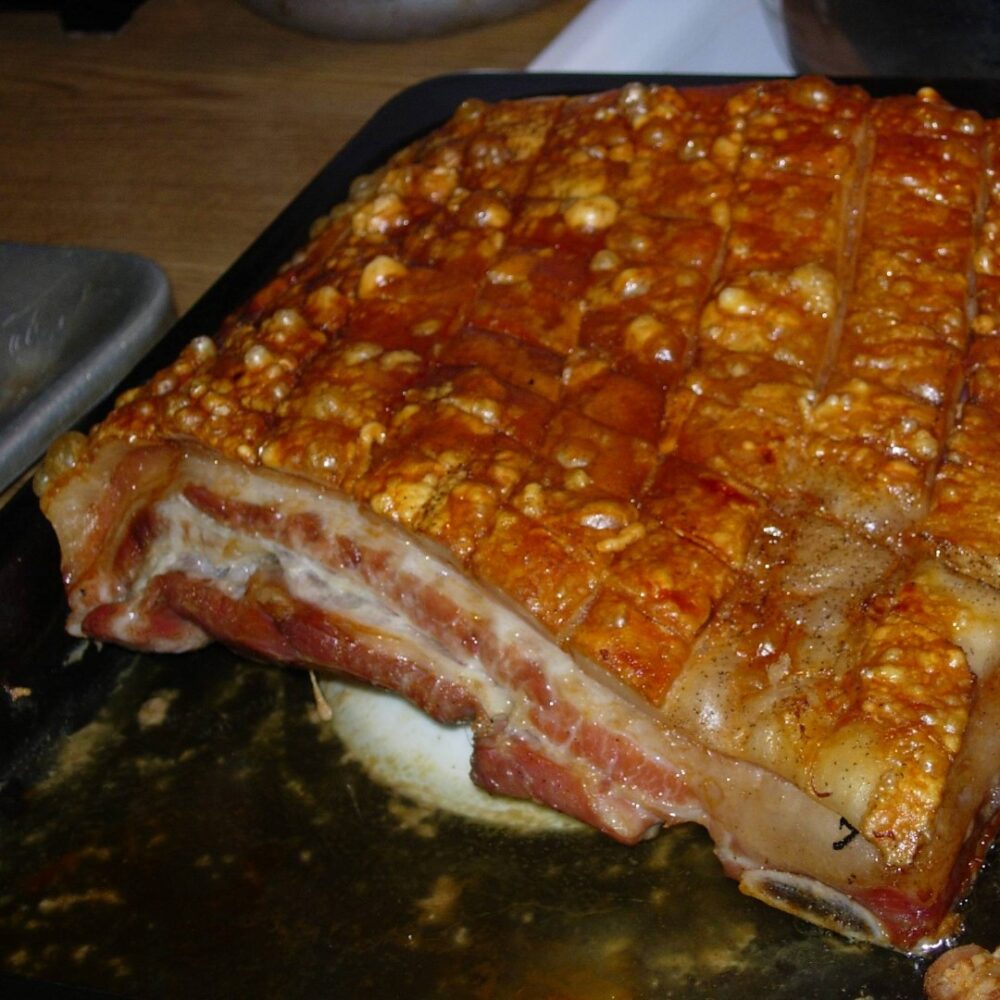
Pork is the most popular meat in Norway. Locals love sausages, chops, and roast cuts, such as ribbe – roast pork belly with crispy crackling, served during Christmas with surkål (cabbage side) and potatoes. Daily, leaner and healtheir cuts are more popular.
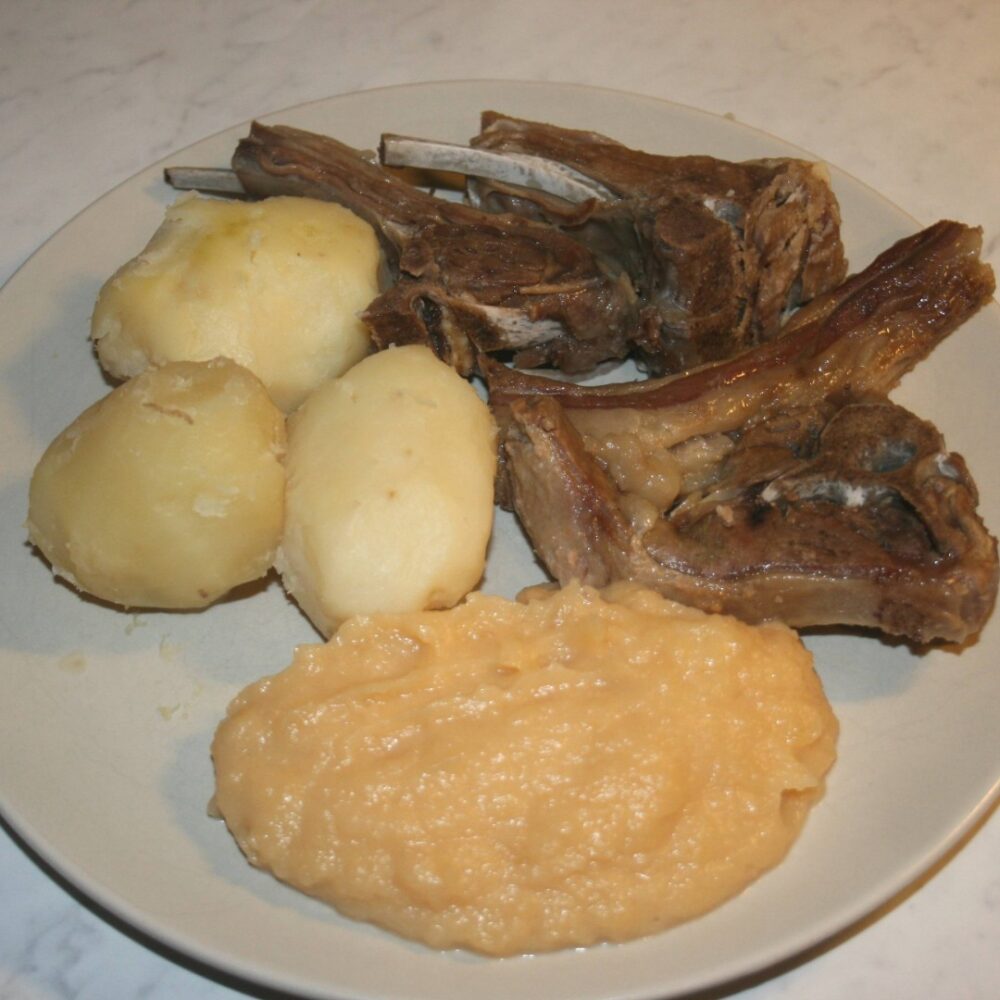
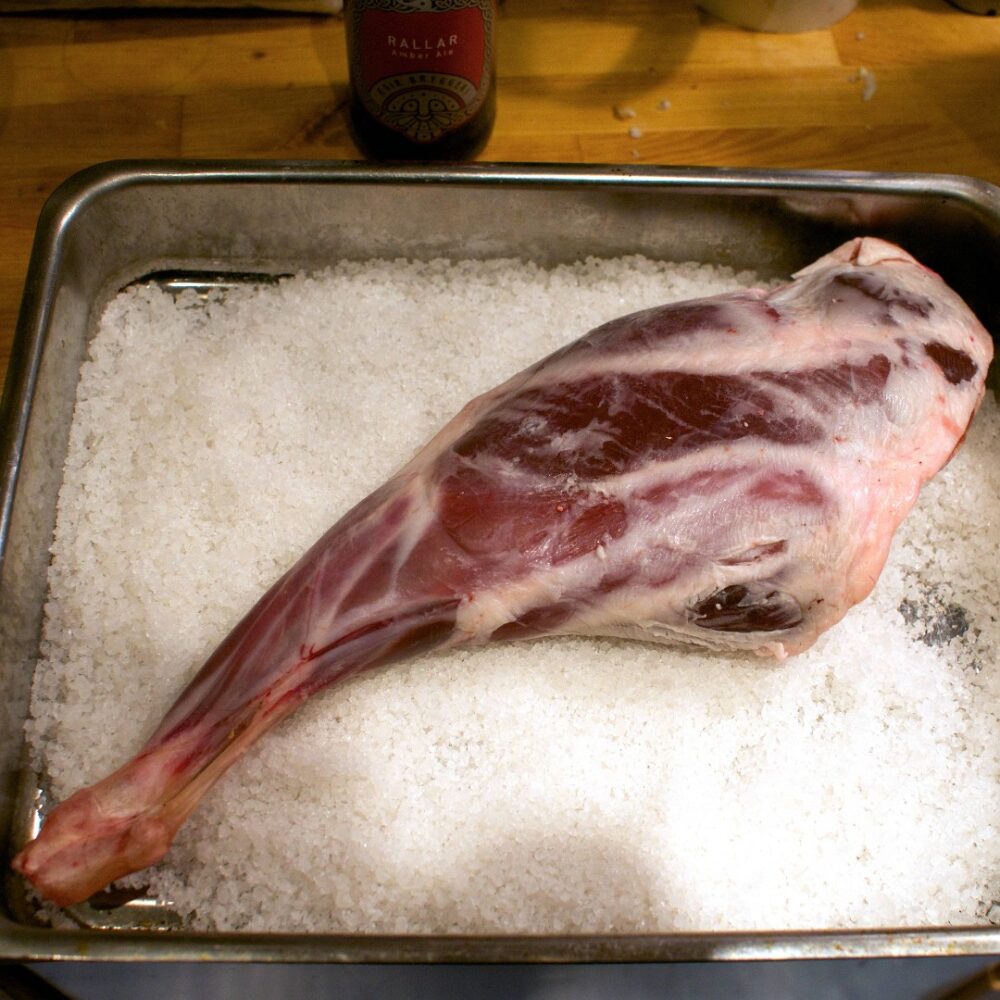
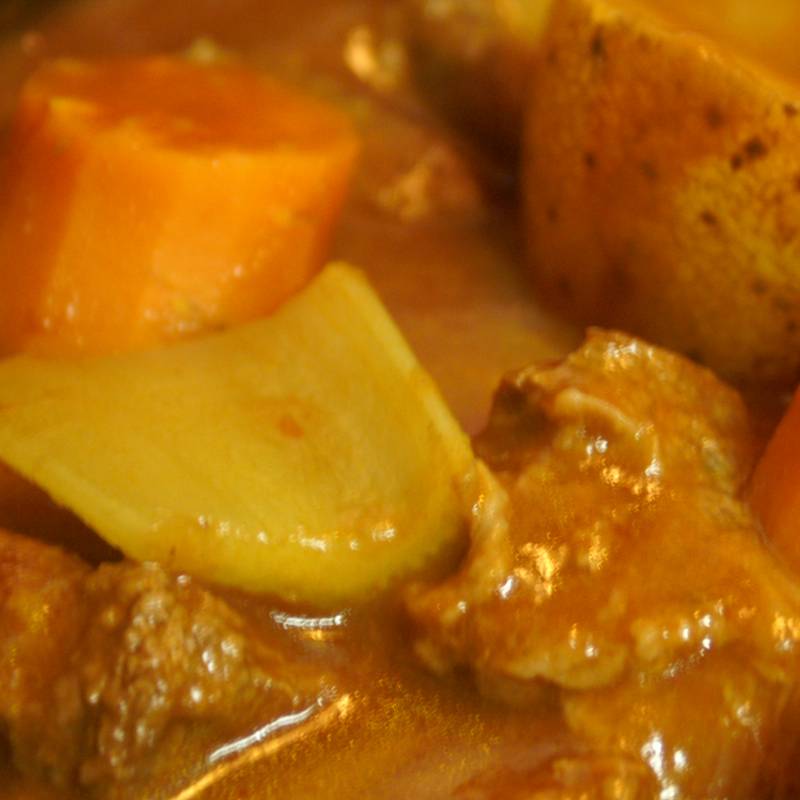
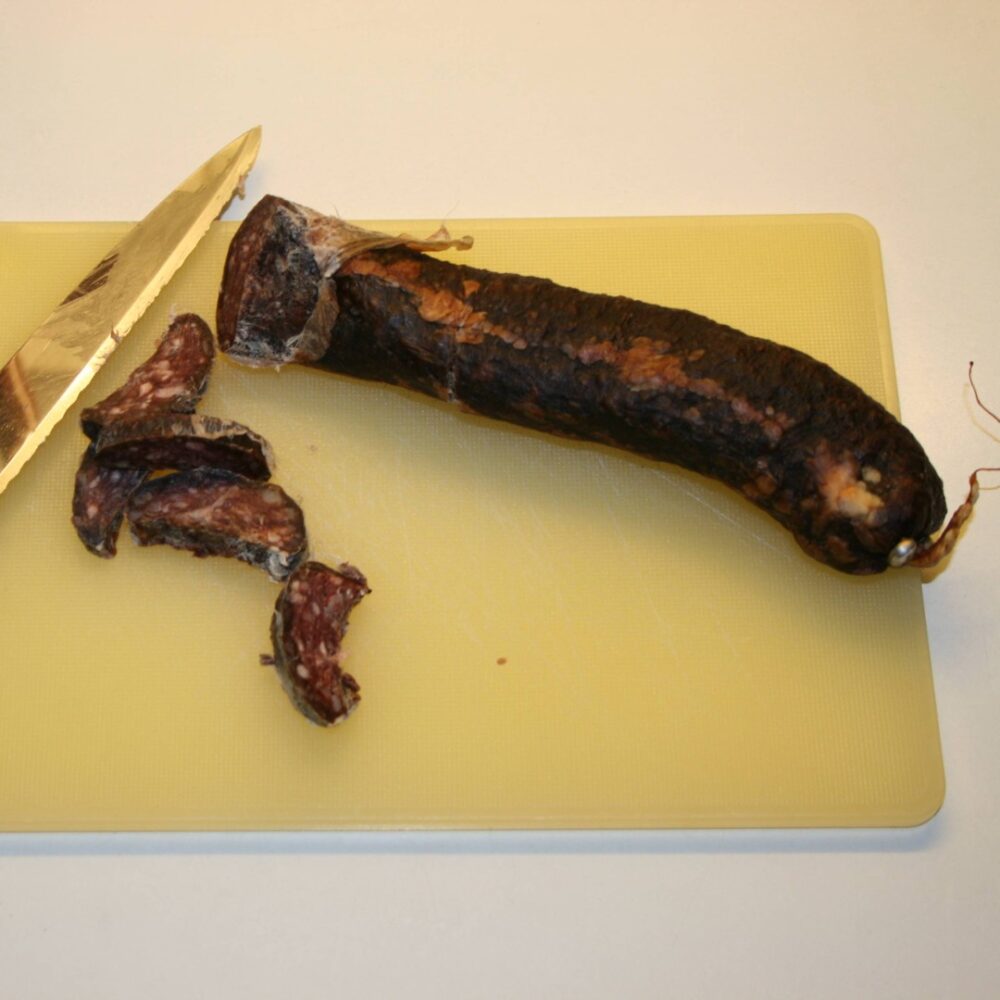
Lamb and mutton are feast choices, such as fårikål, a lamb stew and Norway’s national dish, and pinnekjøtt – dried and salted lamb ribs. Fenalår, cured or slightly smoked slices of salted lamb leg, like Spanish Serrano and Italian Parma hams, holds the status of a Protected Geographical Indication (PGI) and is served at a cold buffet.
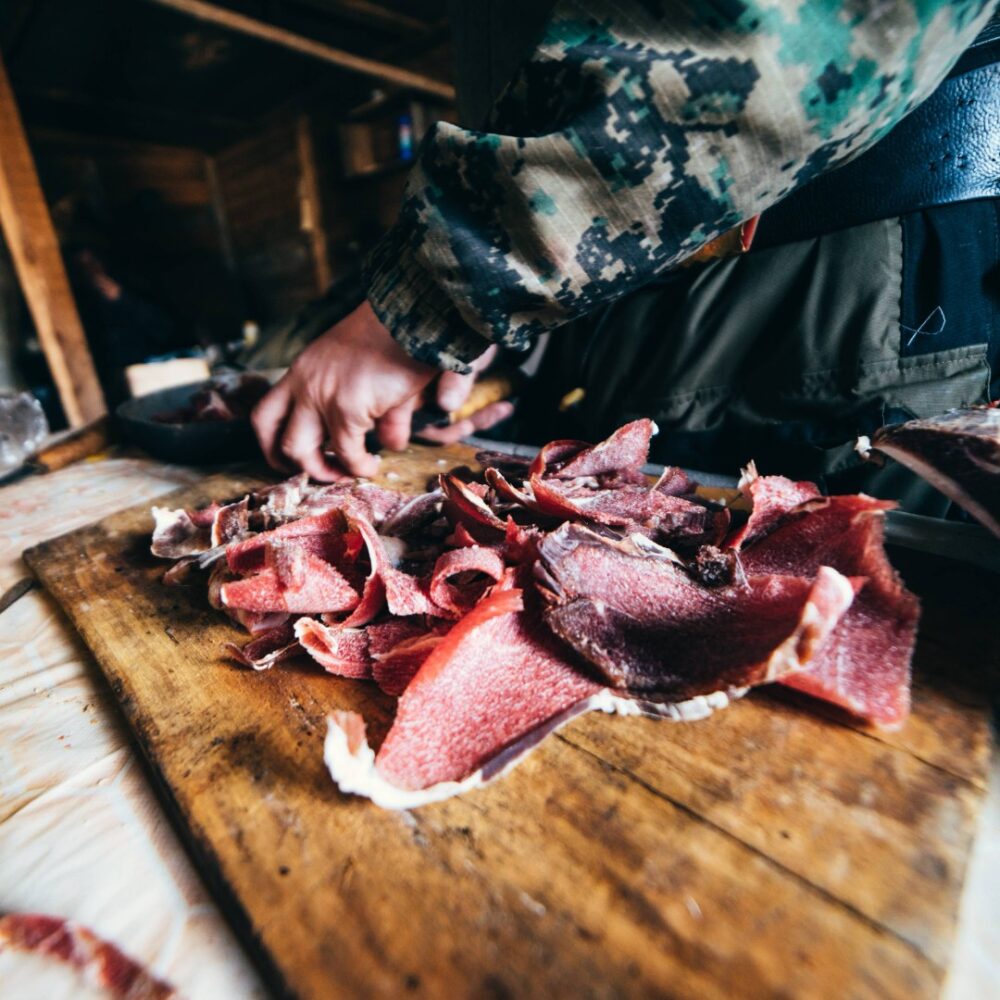
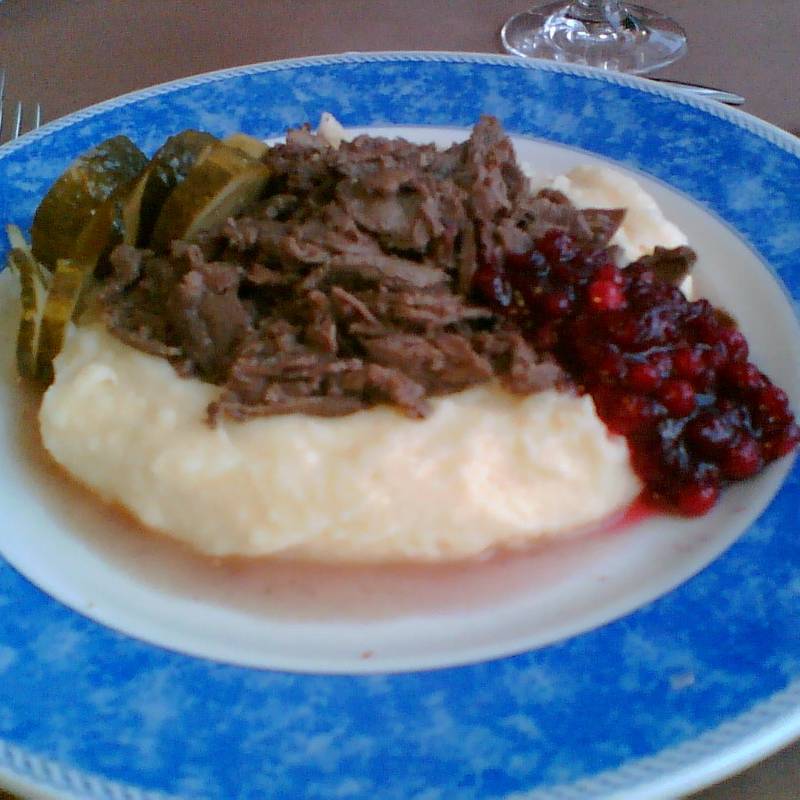
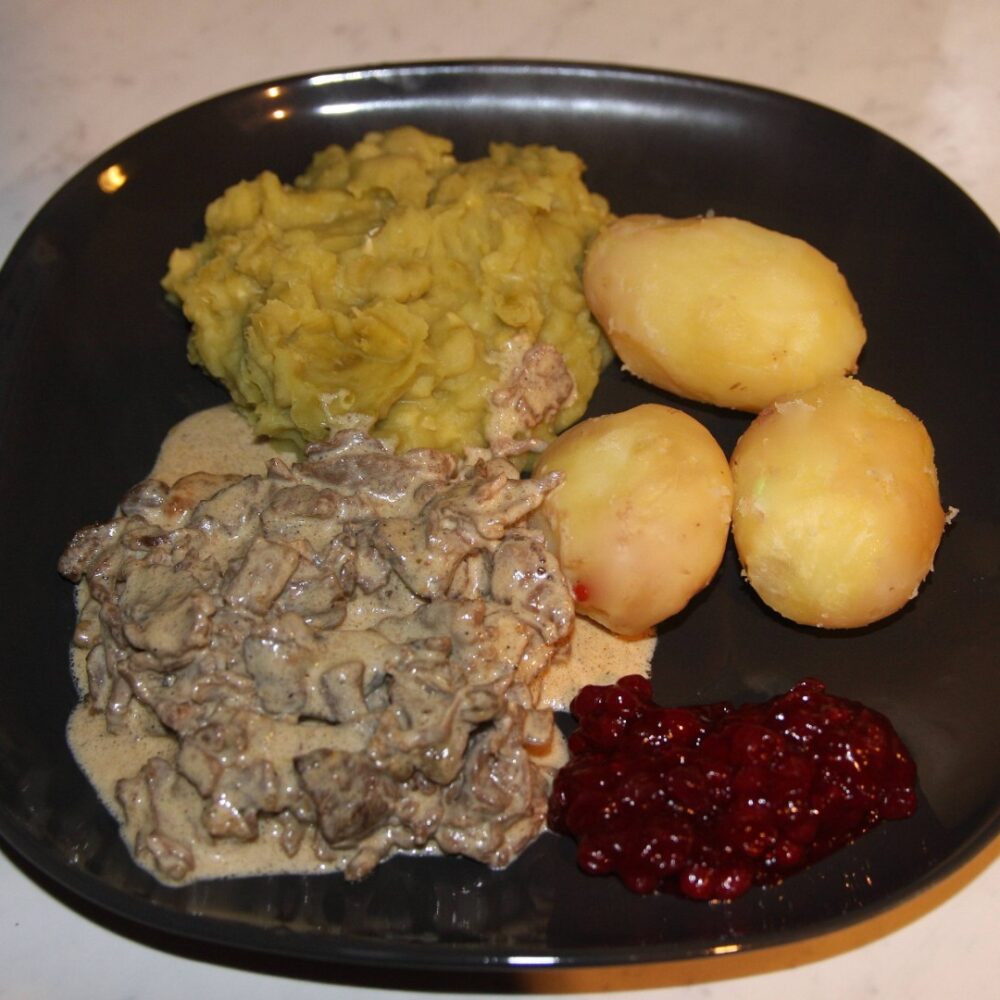
During the season, reindeer, moose, and elk are hunted. All three game meats are lean and require careful cooking to avoid drying out. They all provide a more intense, “wild” flavor. Reindeer is very lean and tender with a mild, sweet flavor that’s less gamey than many expect, falling between beef and venison. Moose is deeper and richer, with a robust, earthy taste and dense texture. Elk meat strikes the middle with a clean, sweet flavor that’s more complex than beef. Reindeer stew finnbiff, roast elk, and moose steaks are paired with juniper berries and berry jams – a forest wilderness on a plate.
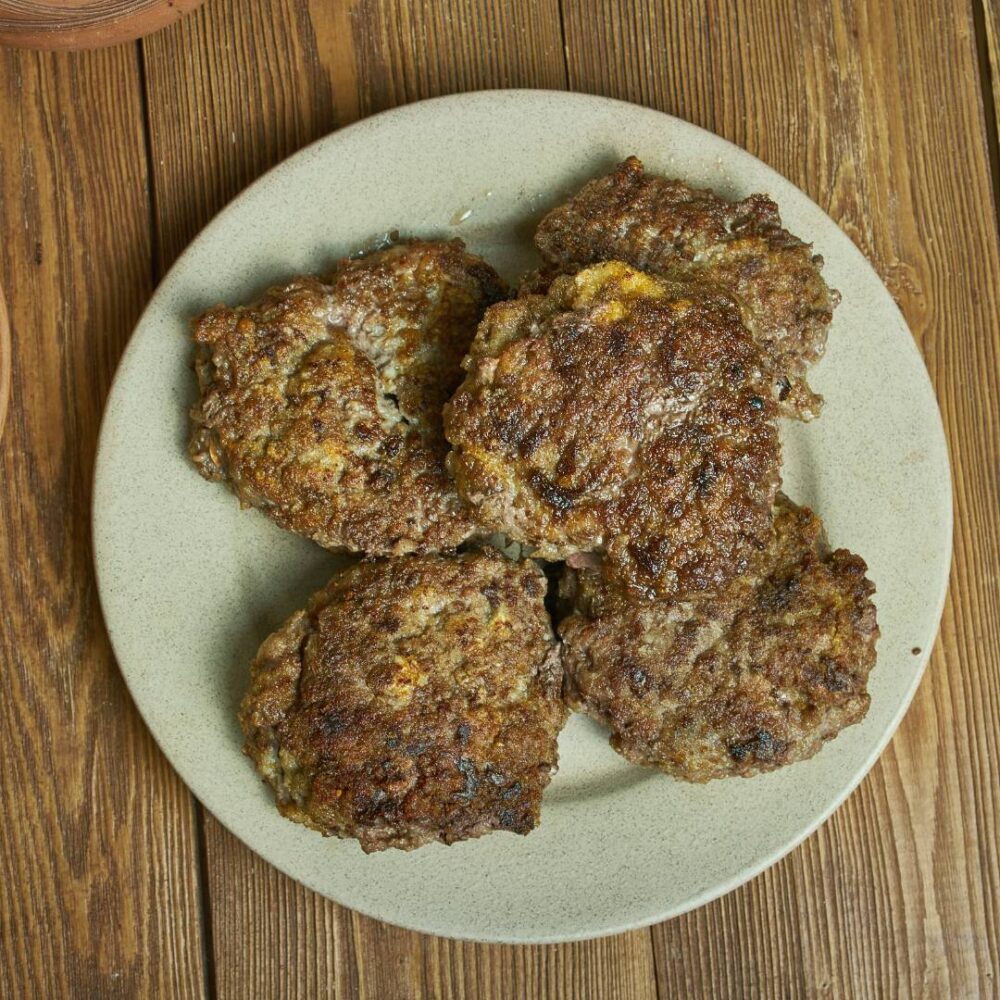
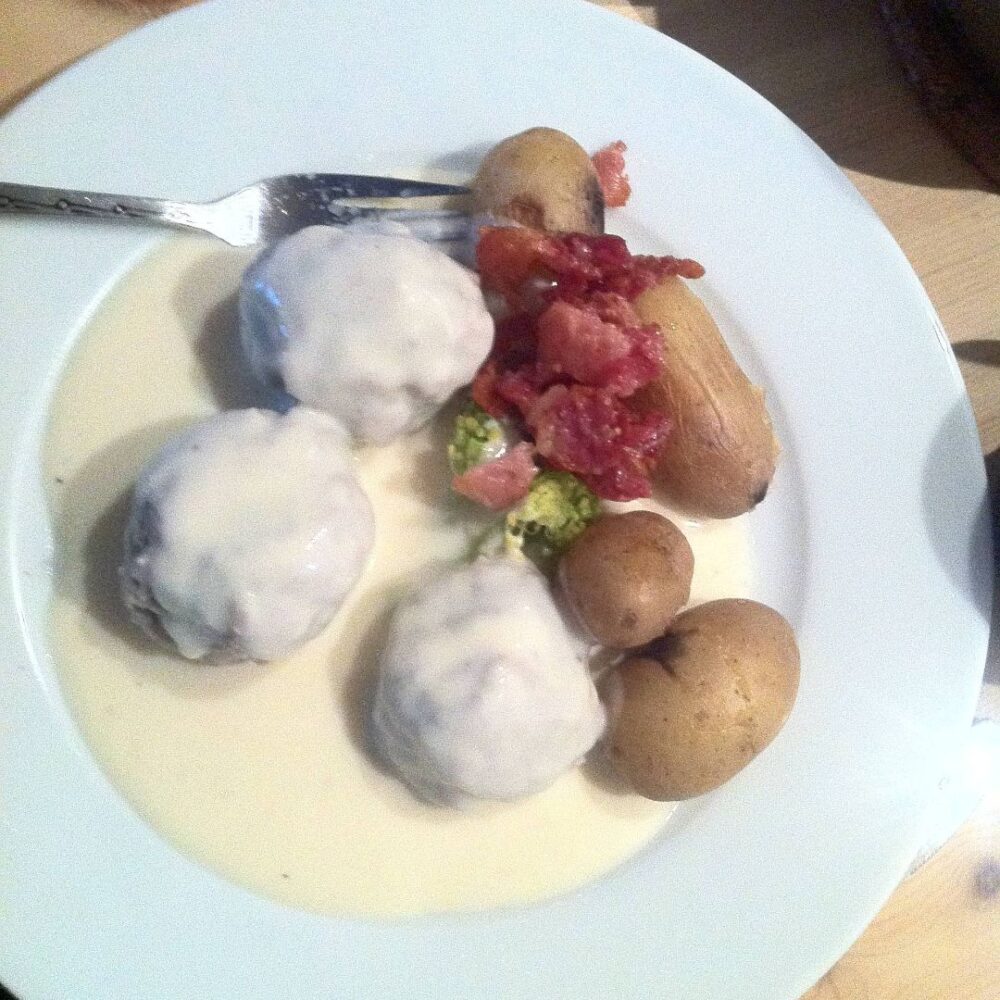
Beef is another staple in Norwegian kitchens, frequently grilled as steaks, minced for meatballs kjøttkaker, and stews.
FISH AND SEAFOOD IN NORWEGIAN CUISINE
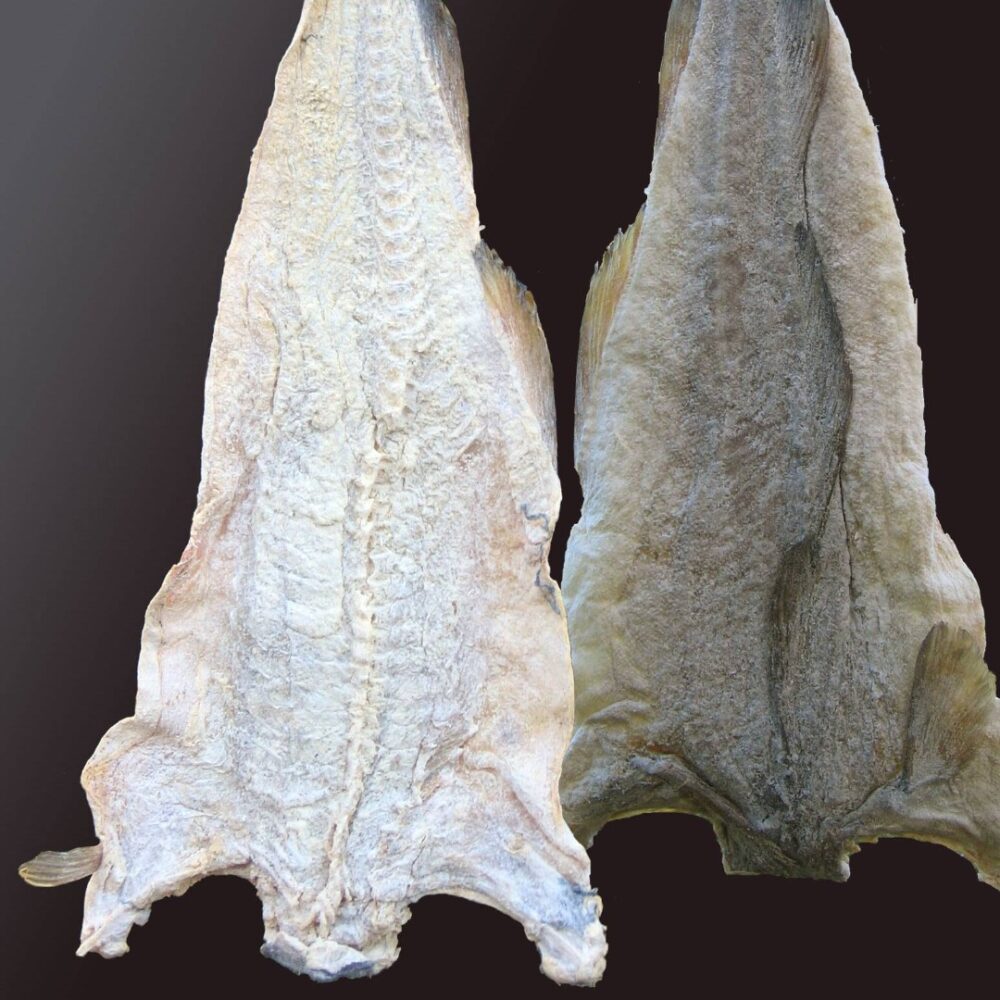
The maritime geography has rendered seafood essential, especially cod and salmon. Cod has been a key export item for centuries, as stockfish (tørrfisk). Made from an Atlantic skrei, a variety that swims through icy Arctic waters and protected fjords, results in a clean, delicate flavour and elegant flakes. Stockfish is then produced by air-drying fillets on a giant wooden rack without salt. It’s soaked and rehydrated before and can then be cooked, grilled, or baked. This ingenious method allowed Vikings to preserve fish and trade them.
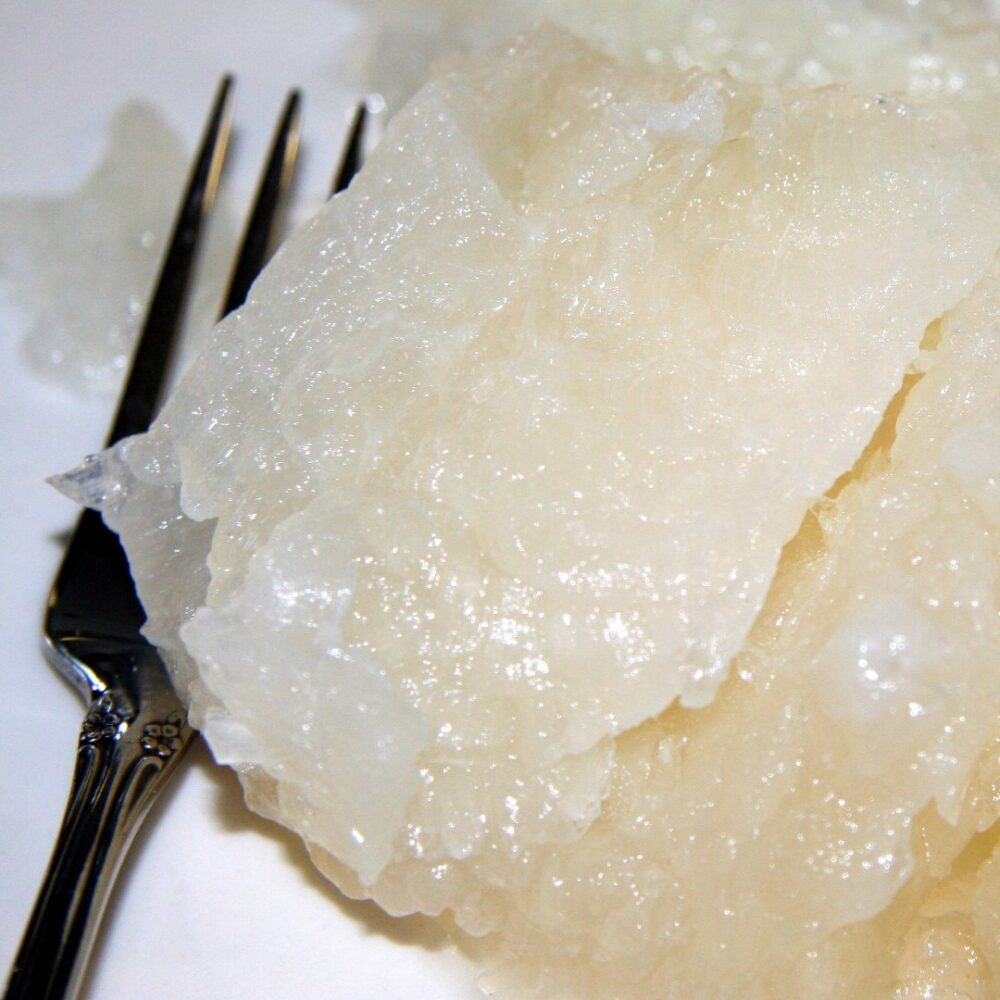
Lutefisk, another cod dish, takes the concept of “acquired taste” to a whole new level. Dried cod is soaked in water and lye (the same lye used in batteries and soap) till it gains a gelatinous texture. With a very distinctive smell and texture it polarizes people – you either love it or find it quite off-putting. As for Norwegians eating it – yes, many do, though it’s more of a holiday, particularly Christmas food. Like many traditional foods, younger generations are less likely to eat it than their grandparents were. It remains an important part of Norwegian heritage, served with bacon and aquavit, a caraway-flavored spirit. Lutefisk is also popular among Norwegian-American communities, especially in the upper Midwest United States, where it’s often served at church dinners and cultural events.
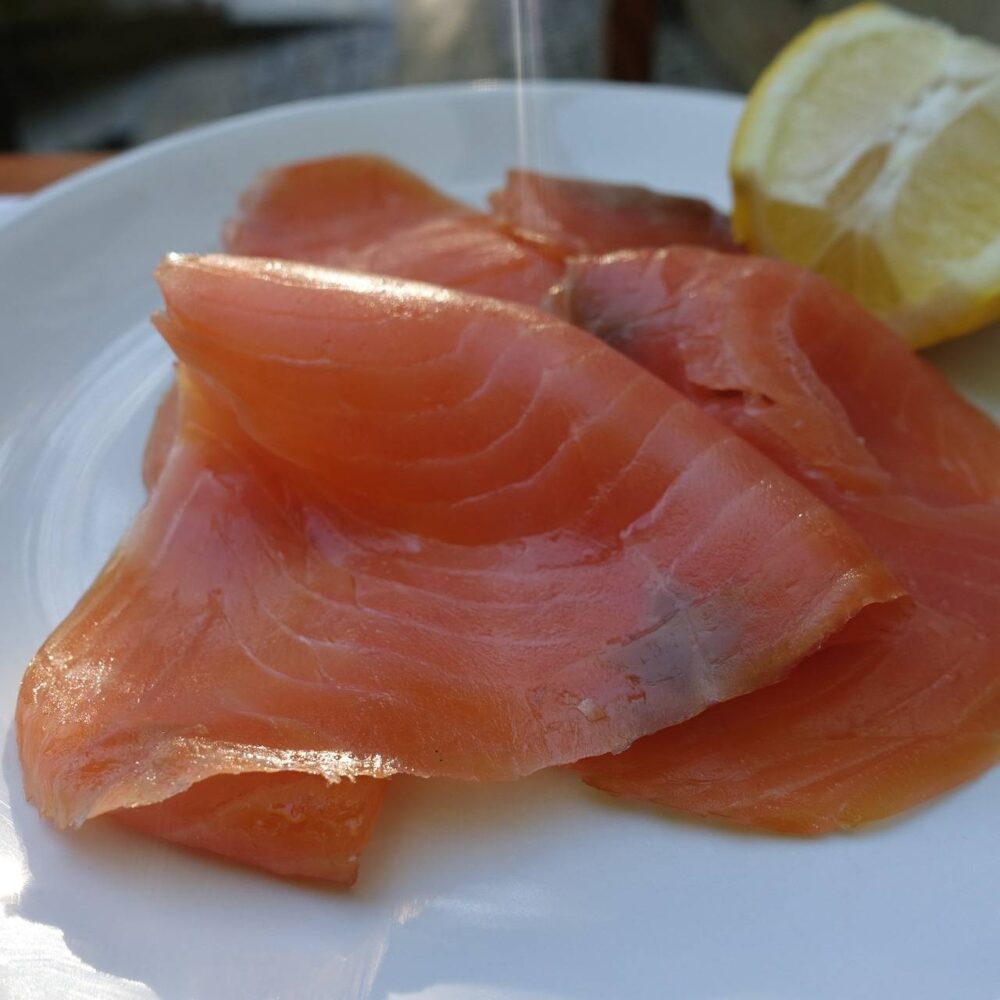
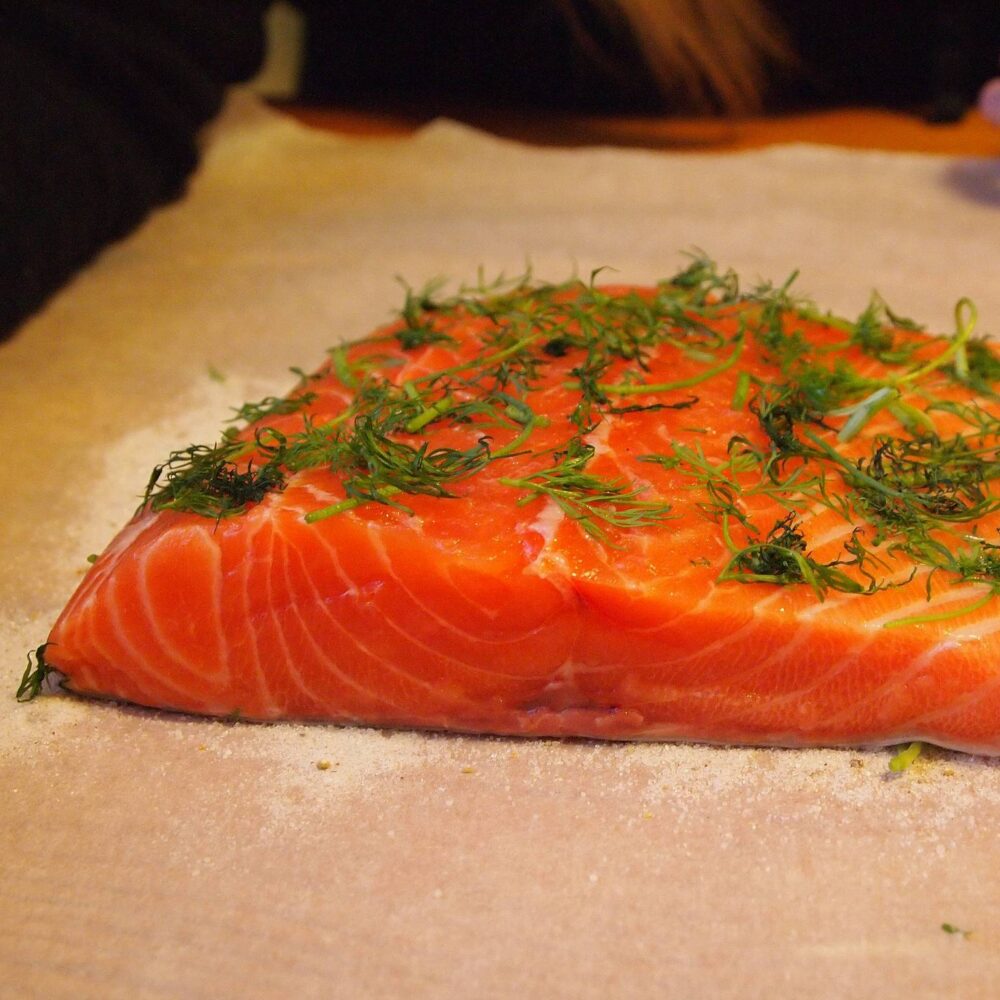
Over time, Norway’s dominant seafood export transitioned from cod to farm-raised salmon, a product of modern aquaculture. The one traditional Norse dish is smoked salmon røkelaks – the most important Scandinavian contribution to modern international cuisine. Gravlax, a salt, sugar, and dill-cured salmon, is also popular in Norway, though it’s originally more associated with Sweden. A more peculiar Norwegian fish dish is rakfisk, a fermented trout that is salted and stored for several months before being eaten raw. It may take courage to try it out for the first time, the mushy texture and strong stink may be bit off-putting.
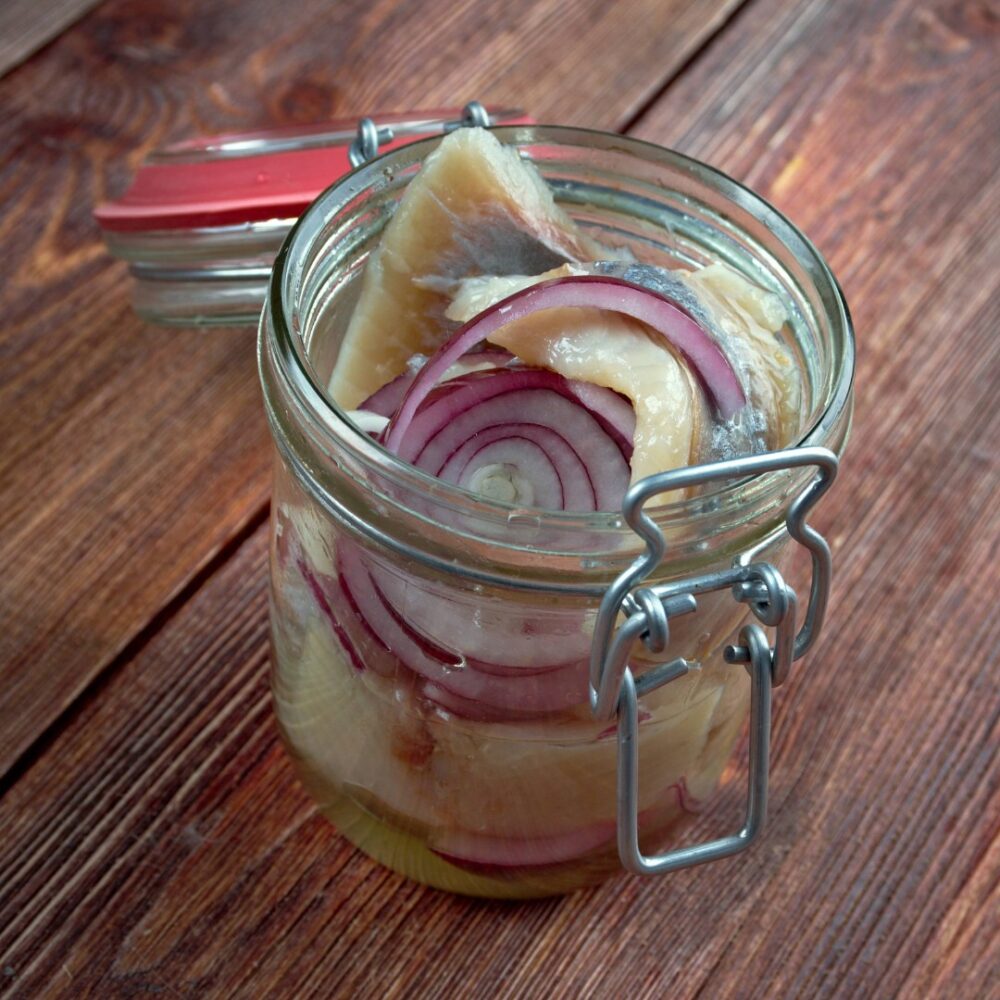
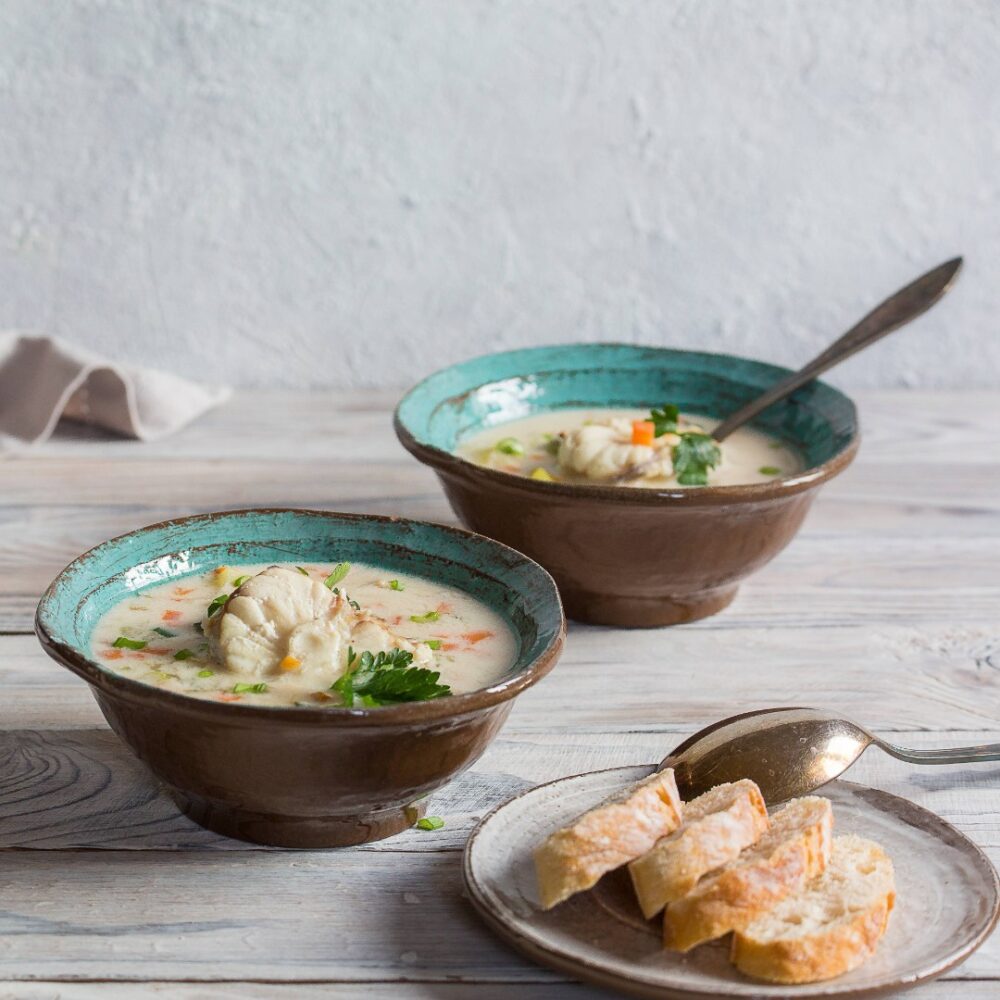
Beyond cod and salmon, Norwegians also cook with herring, halibut, sardines, mackerel, freshwater trout, and char. Seafood is consumed fresh, smoked, salted, or pickled. Herring is particularly popular preserved in salt, named spekesild, but also in many other marinades and pickles. Creamed seafood soups are common along the coastline.
Cold, clear waters of Norway are home to luxurious crustaceans: king crabs, prawns, shrimps, lobsters, langoustines, sea urchins, and scallops. Yet until the 20th century, shellfish were not particularly valued, partly due to the abundance of fish and the time involved in catching shellfish compared to their nutritional value and the fact that such food spoils quickly, even in a northern cool. Nevertheless, prawns, crabs, and mussels have become popular now for their subtle taste, distinctive textures, and lean nutrition. Atlantic shrimp might not be the show’s star, but it is quite a staple in every home – initially boiled and then enjoyed cold with mayonnaise and dill.
MILK AND DAIRY IN NORWEGIAN CUISINE
Milk consumption in Norway has declined in recent years, but cheese and yogurt remain popular. A well-known Norwegian export is jarlsberg – cow’s milk, mild, semi-soft cheese of buttery, nutty flavor and large round holes (or ‘eyes’) similar to Swiss Emmental. Besides Norway, the cheese is also produced in Ireland and in the U.S. state of Ohio, licensed from Norwegian dairy producers.
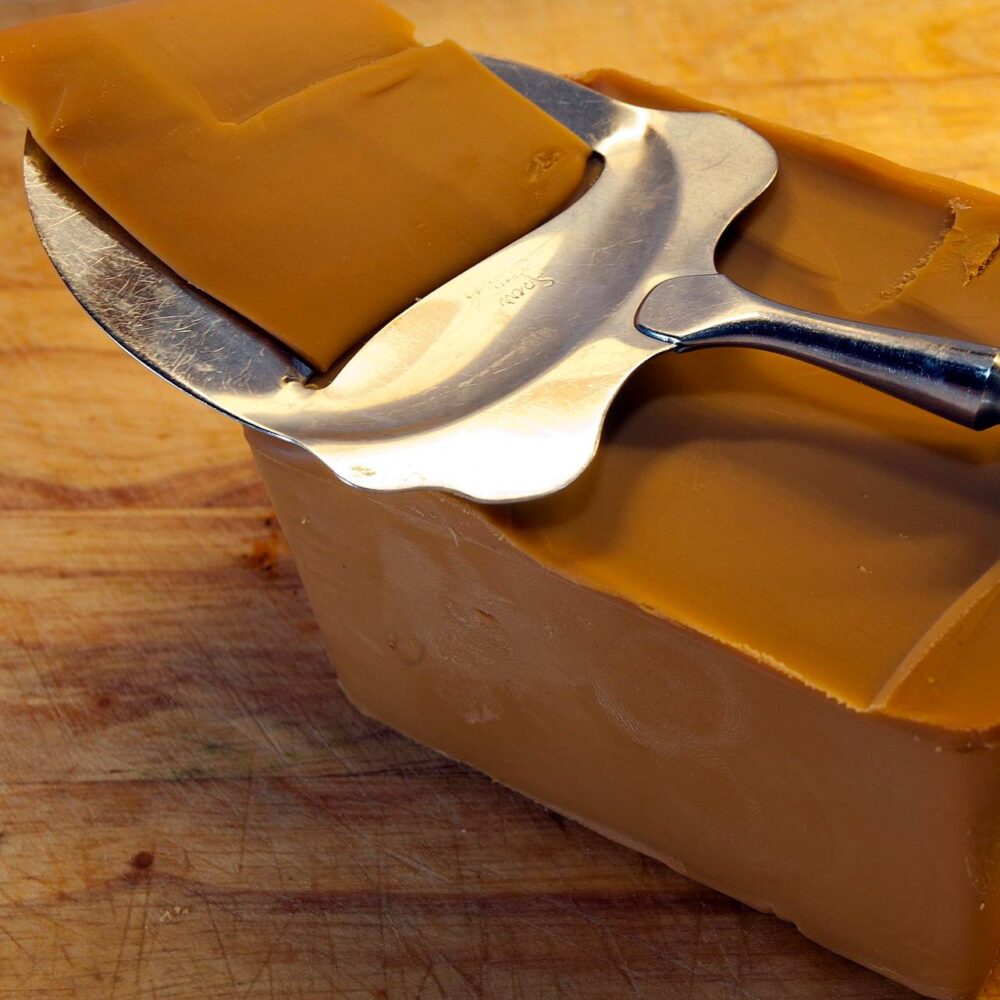
Norway’s iconic food is the sweet brunost, a brown cheese product made from whey, milk, and cream, but it is not an actual cheese. The distinctive brown color is from caramelizing the sugars in milk during the boiling process. It has a sweet, nutty flavor and pairs well with flatbreads, waffles, or simply on its own, it is often brought home by visitors to Norway as a souvenir.
More sophisticated, traditional gamalost, translated as ‘old cheese’, named after its aged appearance, was once a staple. The brownish-yellow product is firm, moist, coarse, often granular. Like many traditional Norwegian foods, gamalost can be stored for long periods without refrigeration. It is not made in sufficient quantity for mass export, and it is rare to find this cheese outside Norway.
Pultost is a soft, mature sour milk cheese with caraway seeds, very low in fat, and comes in spreadable or grainy forms. Pultost is a spread for lefse bread or flatbread, or served with boiled potatoes.
Scandinavian countries have a tradition of using sweet and sour cream in their cuisine, balancing richness (cream) with acidity (sour cream, vinegar, or berries). Creamy sauces are common in pasta, meatballs, fish, and vegetable dishes.
DESSERTS IN NORWEGIAN CUISINE
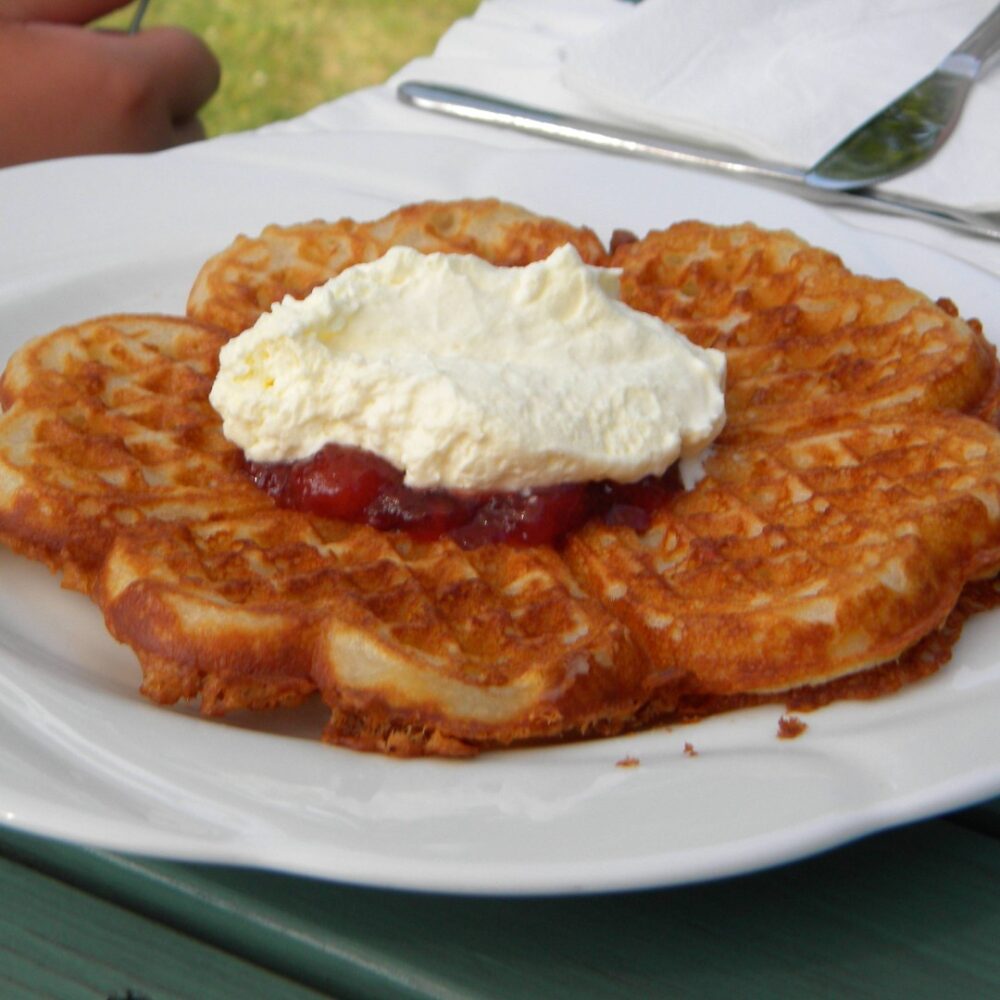
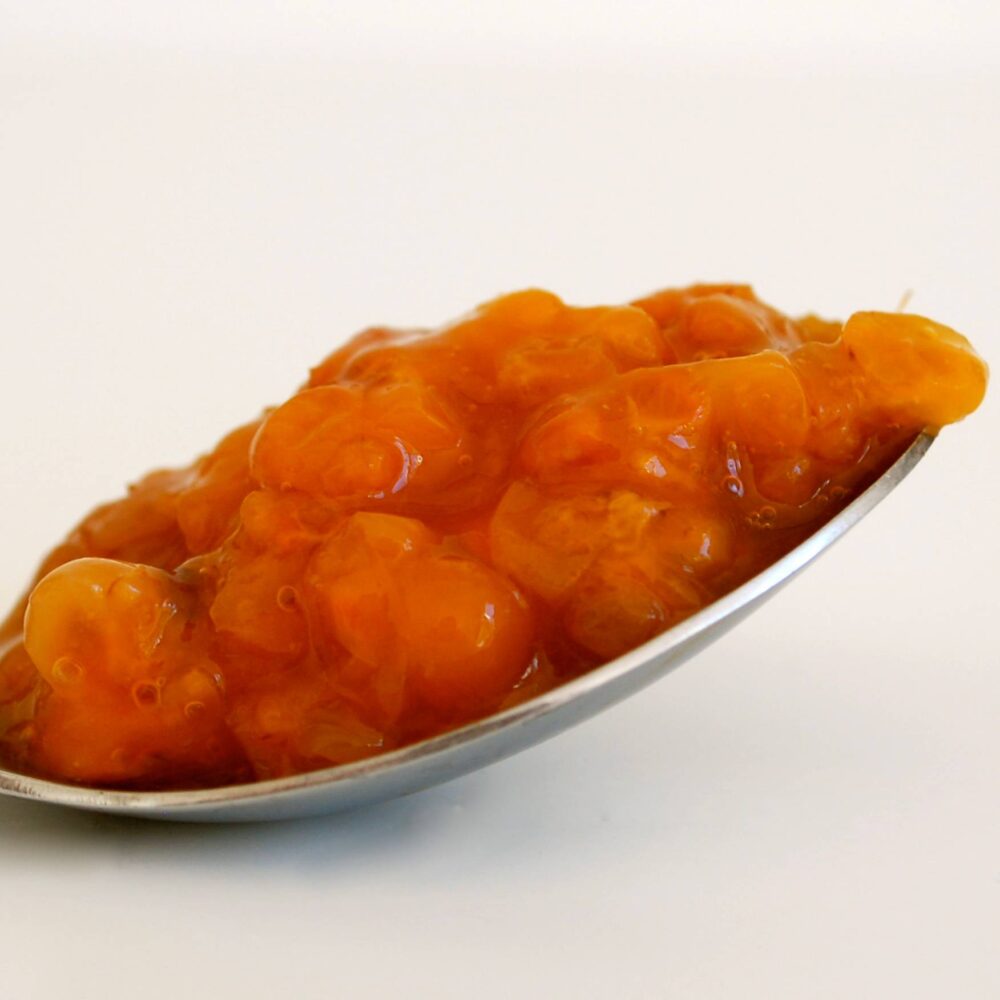
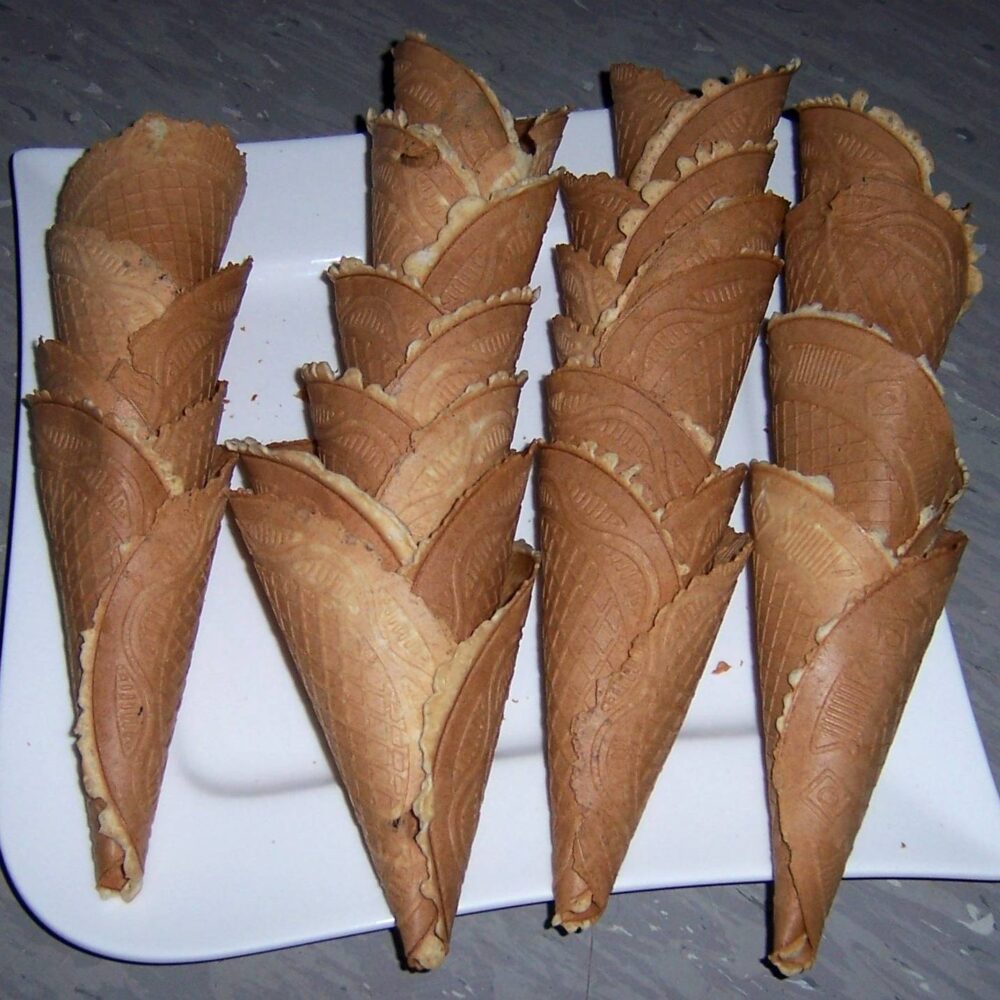
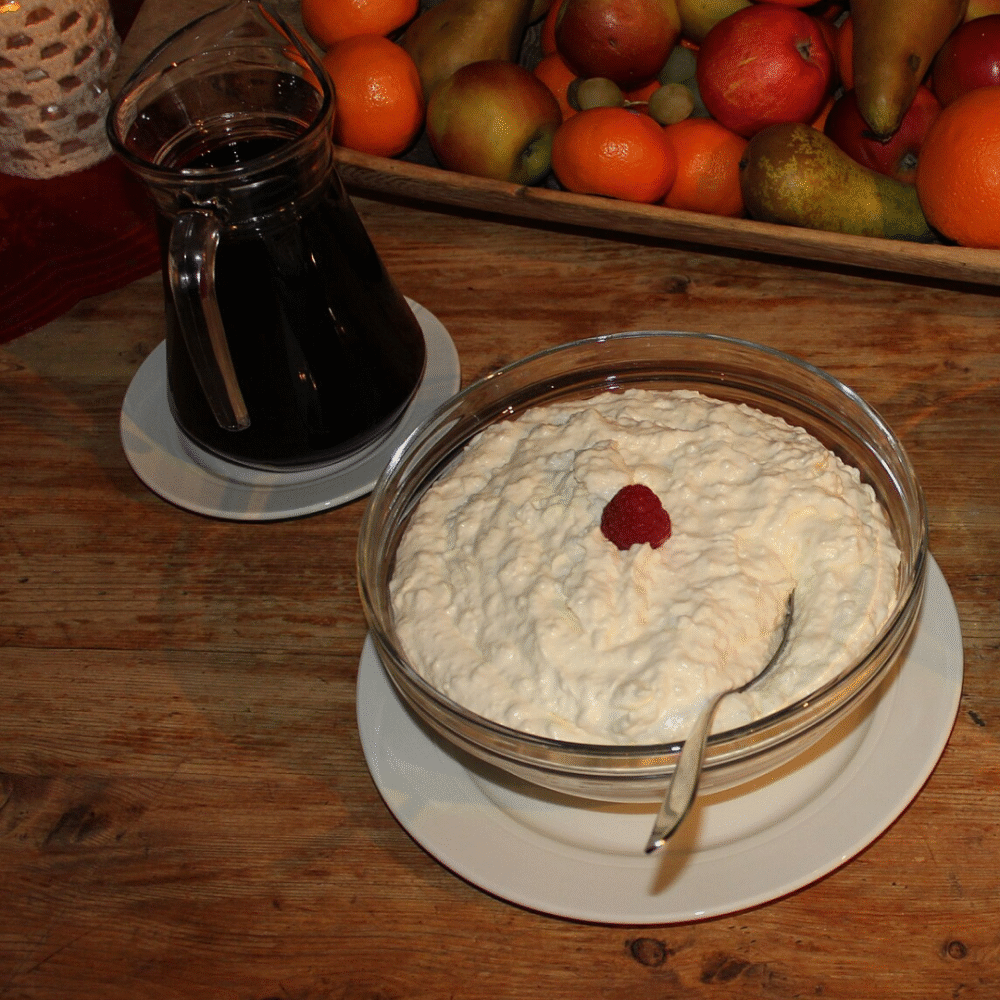
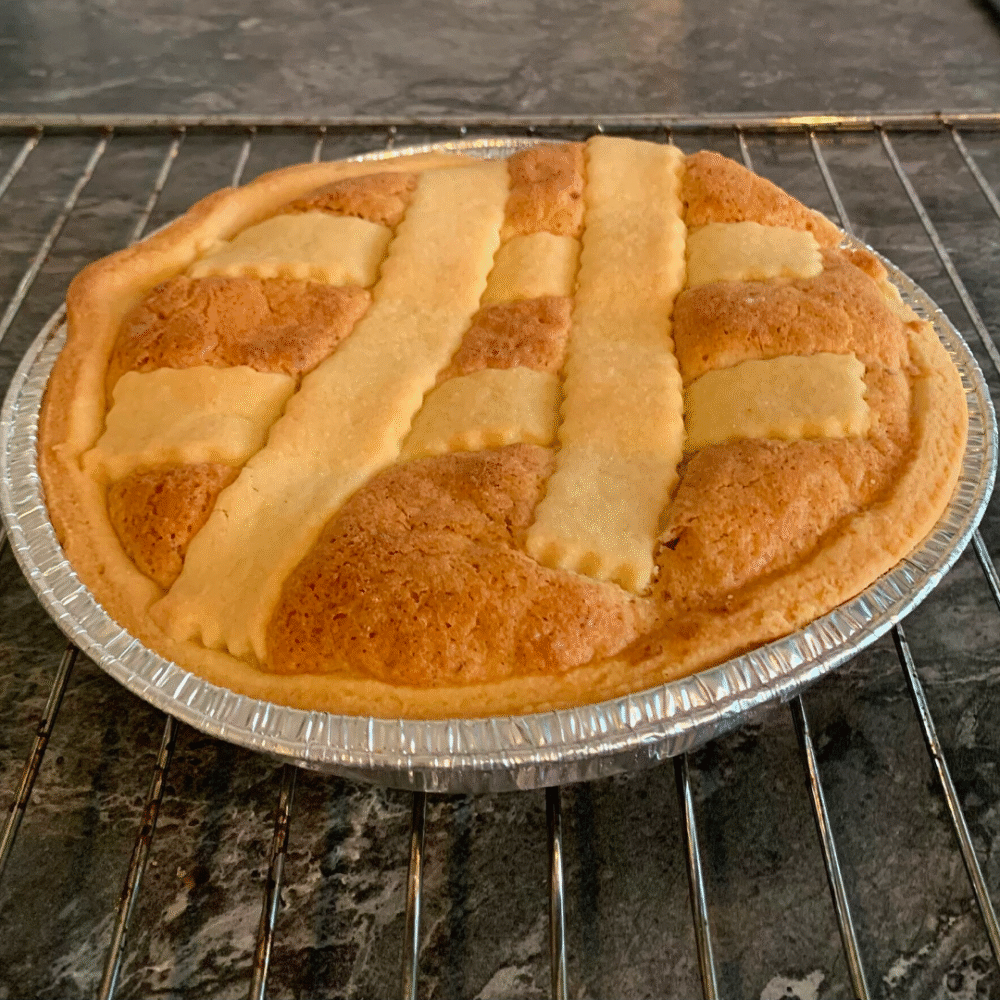
Norwegian desserts tend to be more straightforward and less sweet compared to those in Denmark or some parts of Sweden. Many desserts rely on the dough, berries, and cream, like fruit crumbles, cloudberry jam with waffles, cloudberries with whipped or plain cream, brunost with jam.
Norwegians are among the highest coffee consumers globally – in 2018, they were the fourth. Filtered coffee is a daily ritual, enjoyed with a slice of brunost or a sweet pastry. Aquavit is a traditional Norwegian alcoholic drink, distinctive for its caraway or dill seed, served chilled or at room temperature. Akvavit is an integral part of Nordic drinking culture, where it is often drunk during Christmas dinners and the Midsummer celebration, and as an aperitif.











.jpg)


.jpg)


.jpg)


.jpg)
