THE ESSENCE OF SWEDISH CUISINE
At its core, traditional Swedish cuisine is about making the most of what’s available. It grew out of a cold climate and long winters, that’s why preservation matters so much. Flavor stays clean and restrained, not flashy. Ingredients lead. Traditional Swedish dishes are still an important part of everyday meals, despite modern-day eating and international dishes. Swedish cuisine focuses on cultured dairy products, crisp and soft breads, potatoes, berries, beef, chicken, pork, eggs, and seafood.
There’s also a strong sense of everyday rhythm. Simple home food, regular meals, and coffee breaks that slow the day down. Food supports daily life instead of showing off.
Sweden drinks a lot of coffee, consistently among the highest per capita in the world. Coffee here is treated as a social event; it is expected at work, at home, and with guests. Then there’s fika. It formalizes the coffee break into a shared pause.
GRAINS IN SWEDISH CUISINE
Swedish bread sits firmly within Nordic bread culture, but it stands out for how many grains it uses. Wheat was never the only focus. Rye, barley, and oats matter just as much, often mixed with wheat and baked into dense, hearty loaves using whole grains and sourdough.
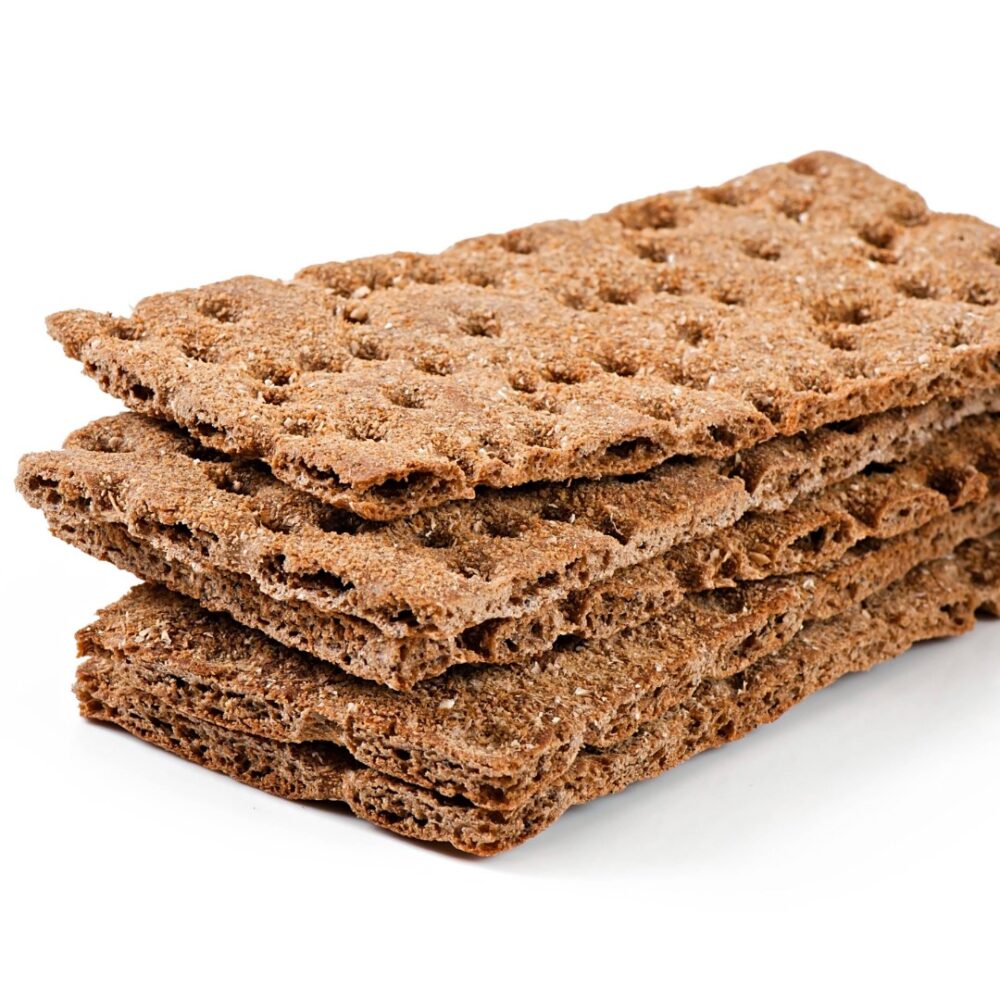
Historically, this came down to practicality. Water mills only ran a couple of times a year, so people needed bread that would last. That’s how crispbread, or knäckebröd, became essential. It could be stored for months until the next milling. Although once considered the poor man’s food, crispbread is a staple, now used in contemporary dishes.
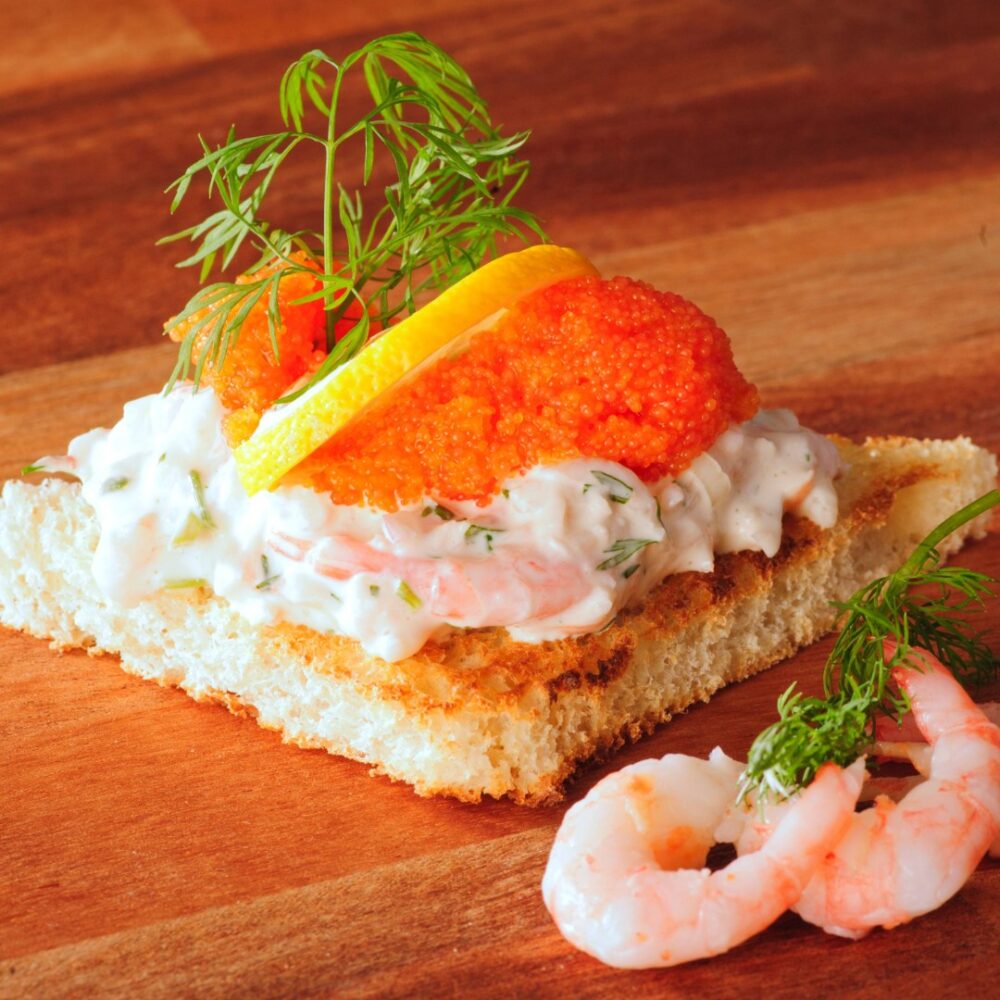
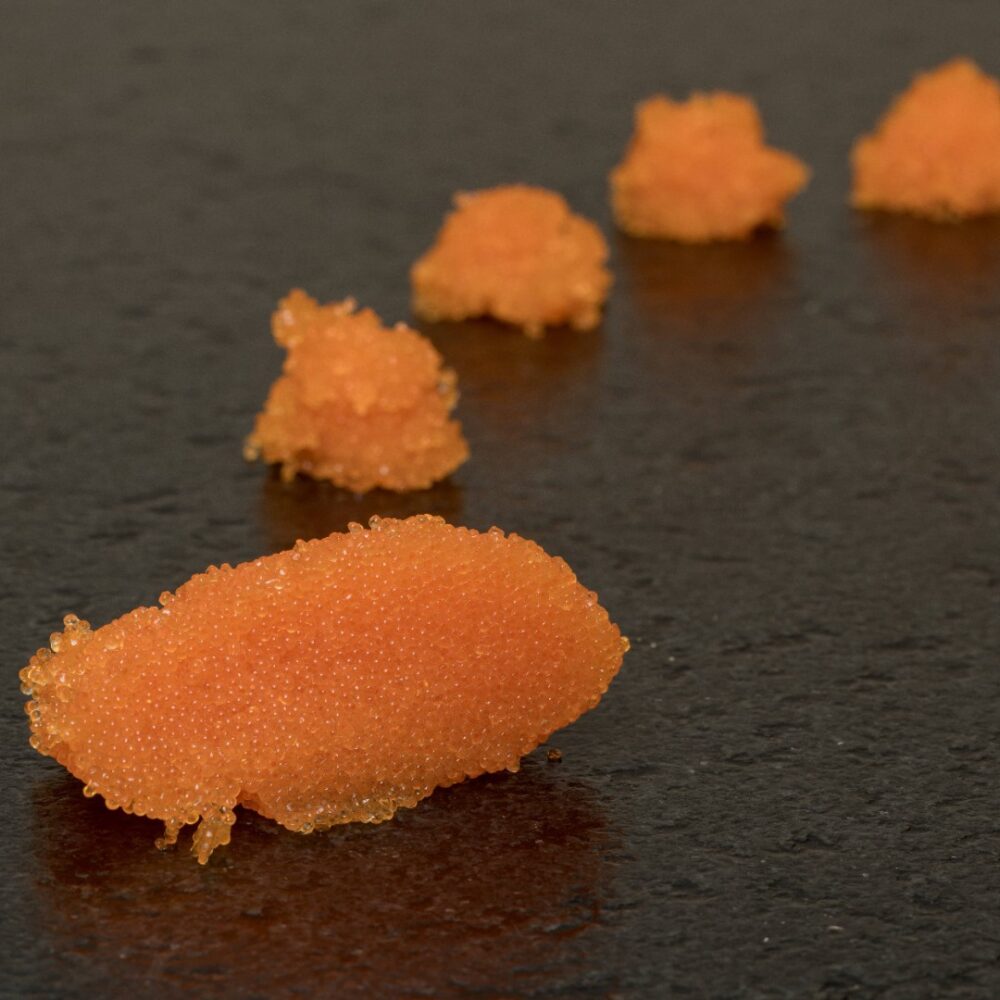
Sandwiches, a staple meal in the Nordics, stuck here because they’re practical, familiar, flexible, and very much in line with Swedish ideas of everyday eating. In Sweden, a sandwich is open-faced, called smörgås. This concept of open sandwiches dates back to the 1400s, when thick slabs of bread served as plates. The shrimp sandwich räkmacka is a real staple in the country, topped with crème fraîche blended with dill and roe, lettuce, boiled eggs, and piled with a generous handful of shrimp.
PRODUCE IN SWEDISH CUISINE
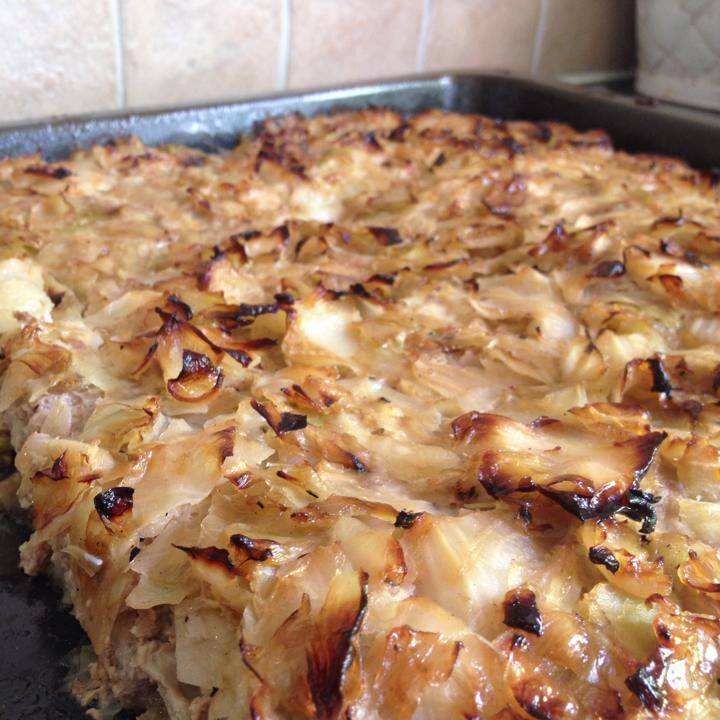
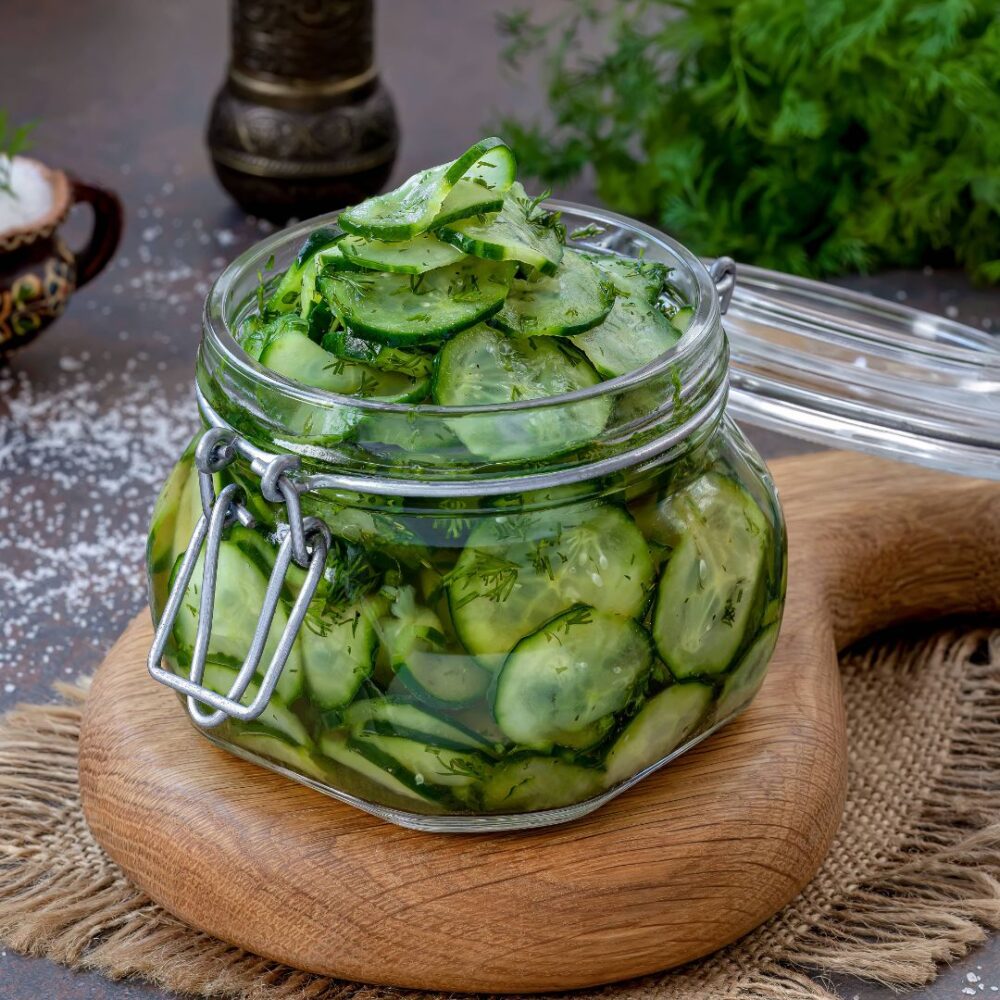
Traditionally, vegetables in Sweden are somewhat secondary compared to meat, fish, and dairy. The northern climate limited veggie options, so cuisine developed around hardy turnips, rutabagas, cabbages and preserved vegetables. Over time, with the advent of modern agriculture, economy and an increased focus on health, vegetables have gained a fair share in Swedish plates.
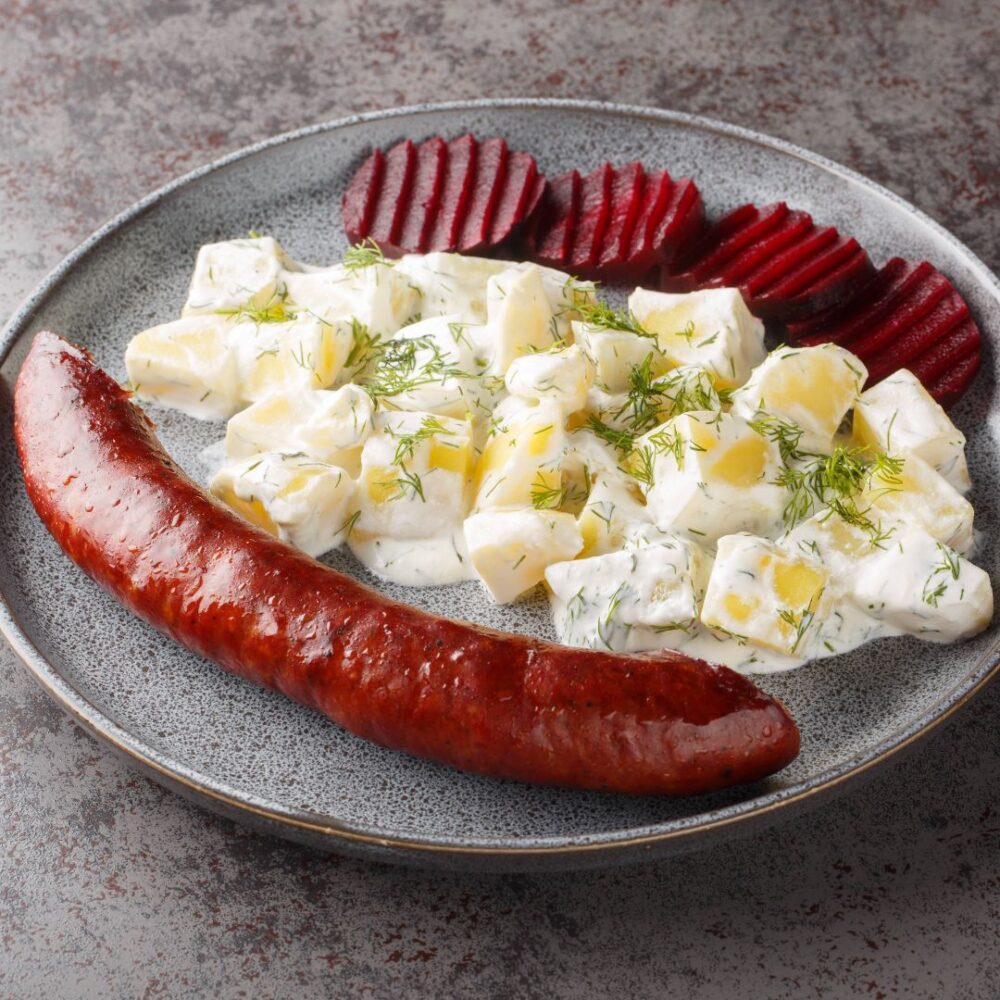
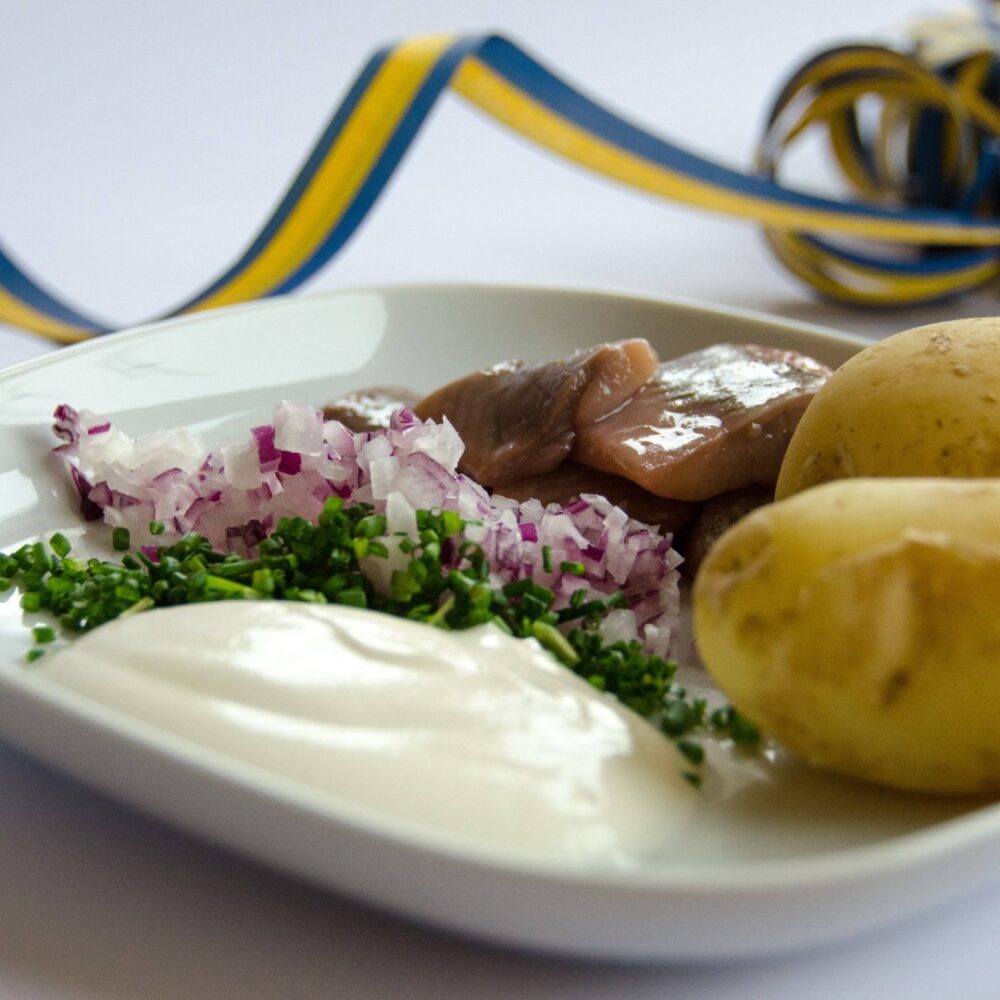
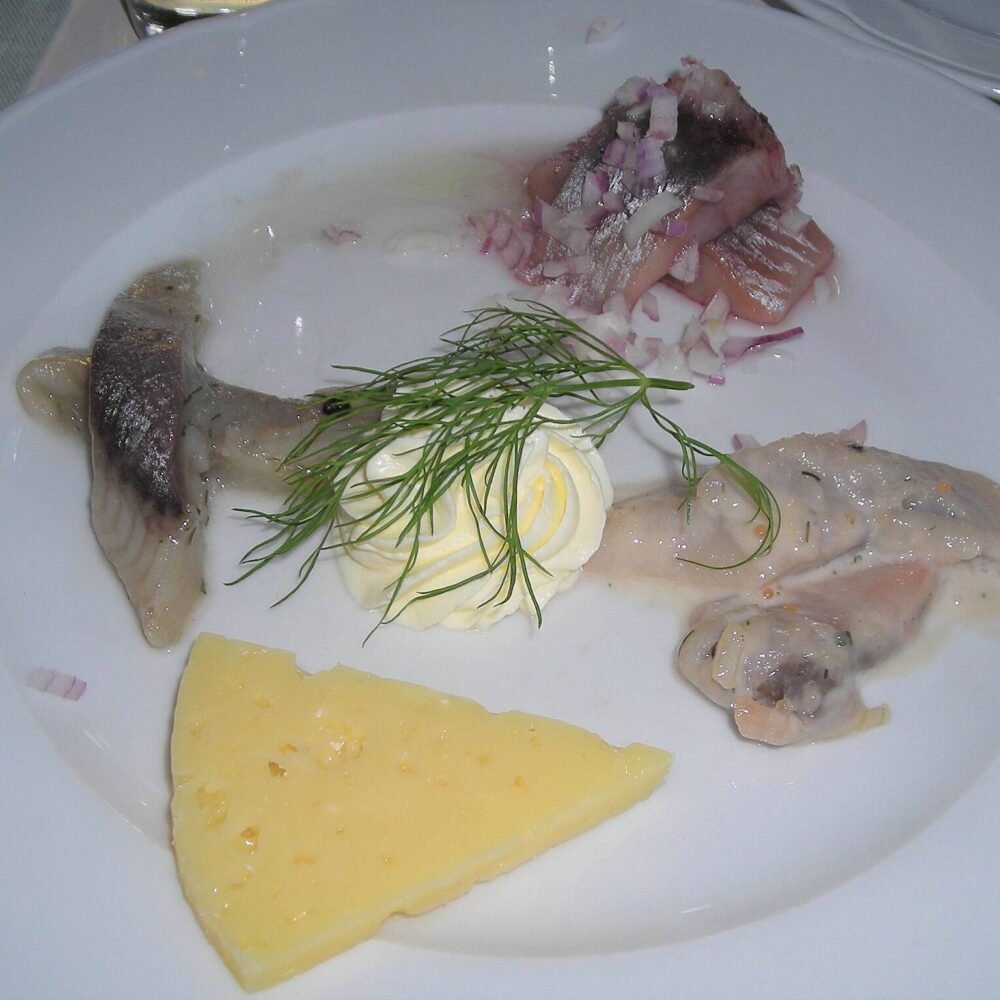
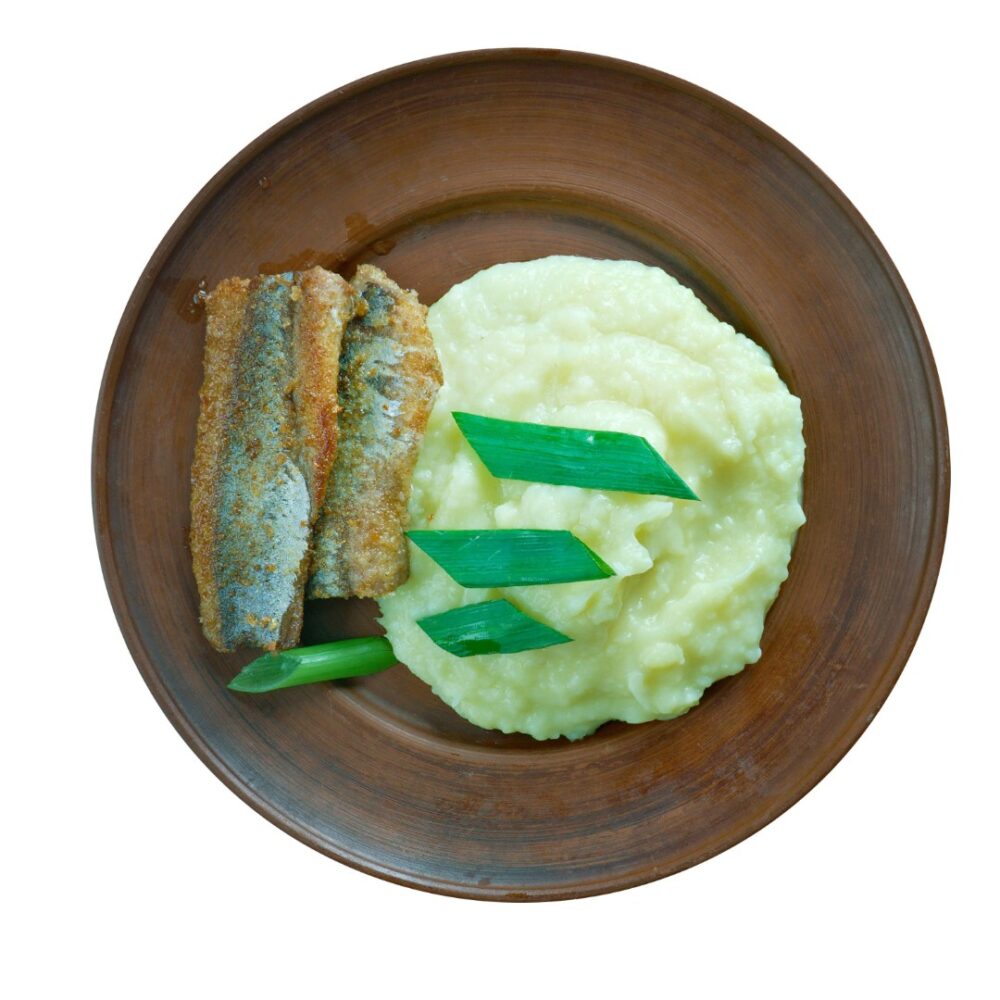
Around 1720, the potato entered cuisine, gradually becoming the most crucial base starch and remaining there till now. The “fresh, new potato” is most appreciated; it ripens in early summer and is enjoyed at the traditional midsummer feast, served with pickled herring, chives, and sour cream.
Swedes use a lot of mushrooms, especially compared to Western countries. Mushroom picking is in Sweden is seasonal, social, and still very much alive. Chanterelles are a real delicacy, served alongside steak, or fried with onions and a creamy sauce on an open sandwich. Close behind comes the porcini, almost as popular and just as loved.
Most highly regarded mushroom is the chanterelle, considered a delicacy. It is usually served as a side dish with steaks or fried with onions and sauce on an open sandwich. Second to the chanterelle and considered as delicious is the porcini mushroom, birch boletes.
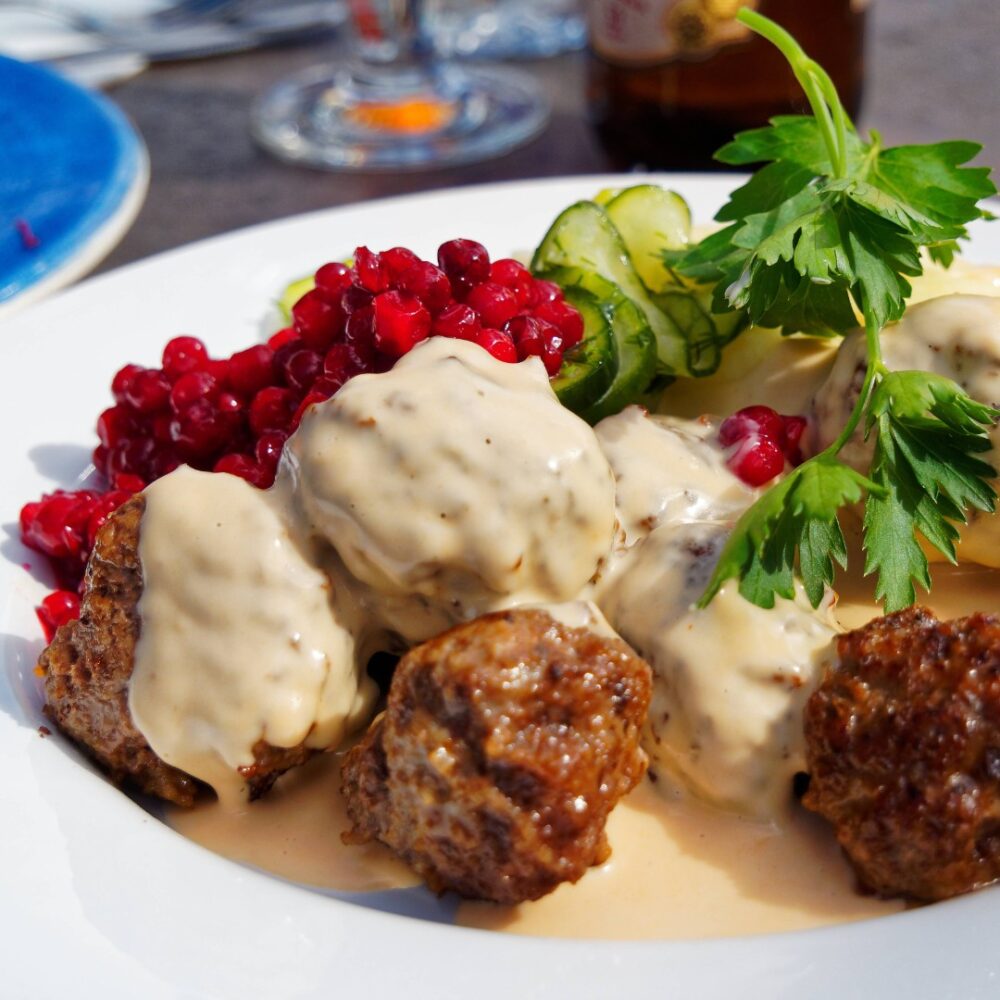
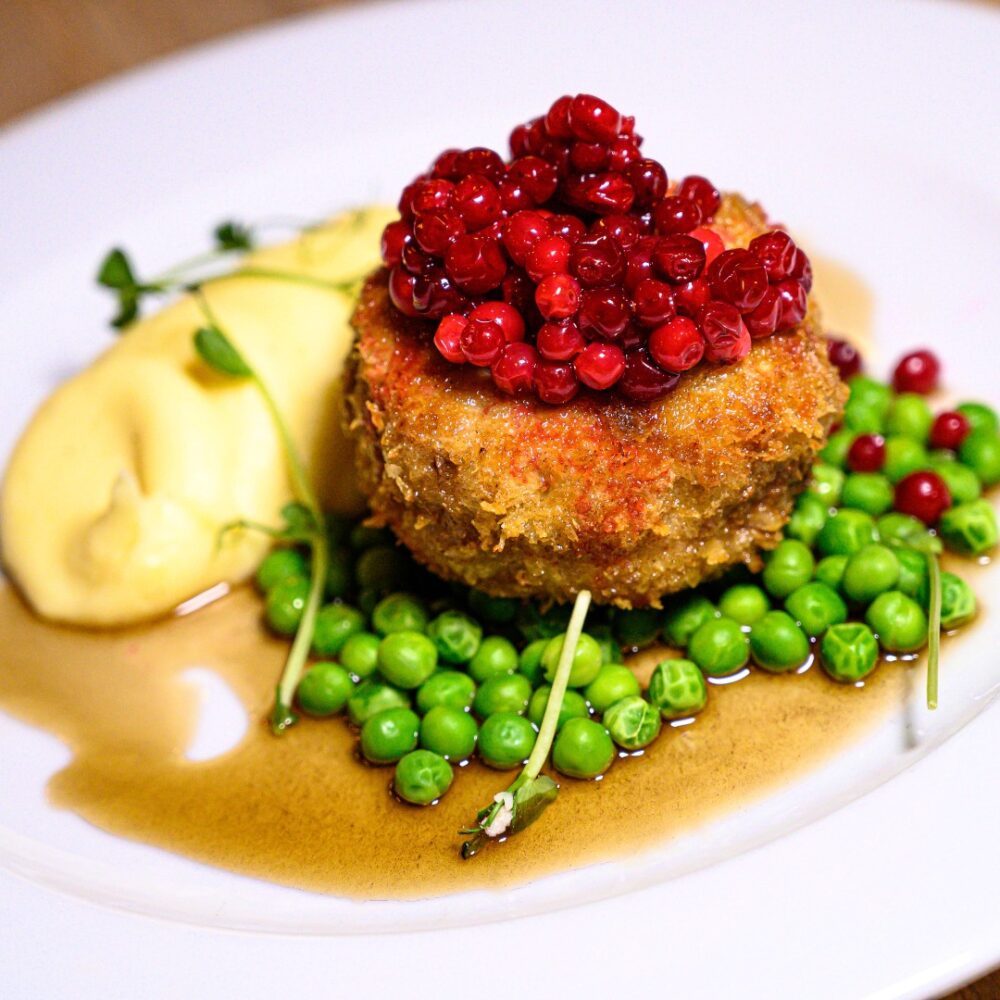
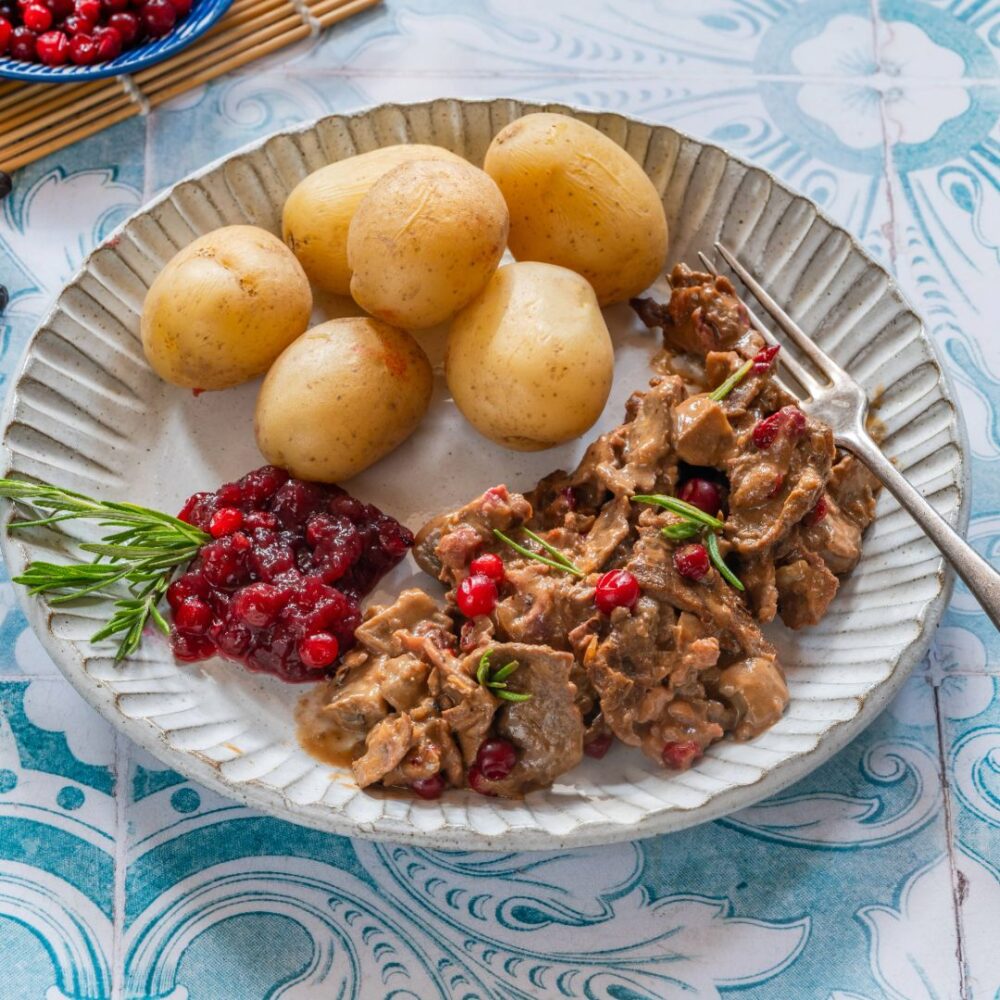
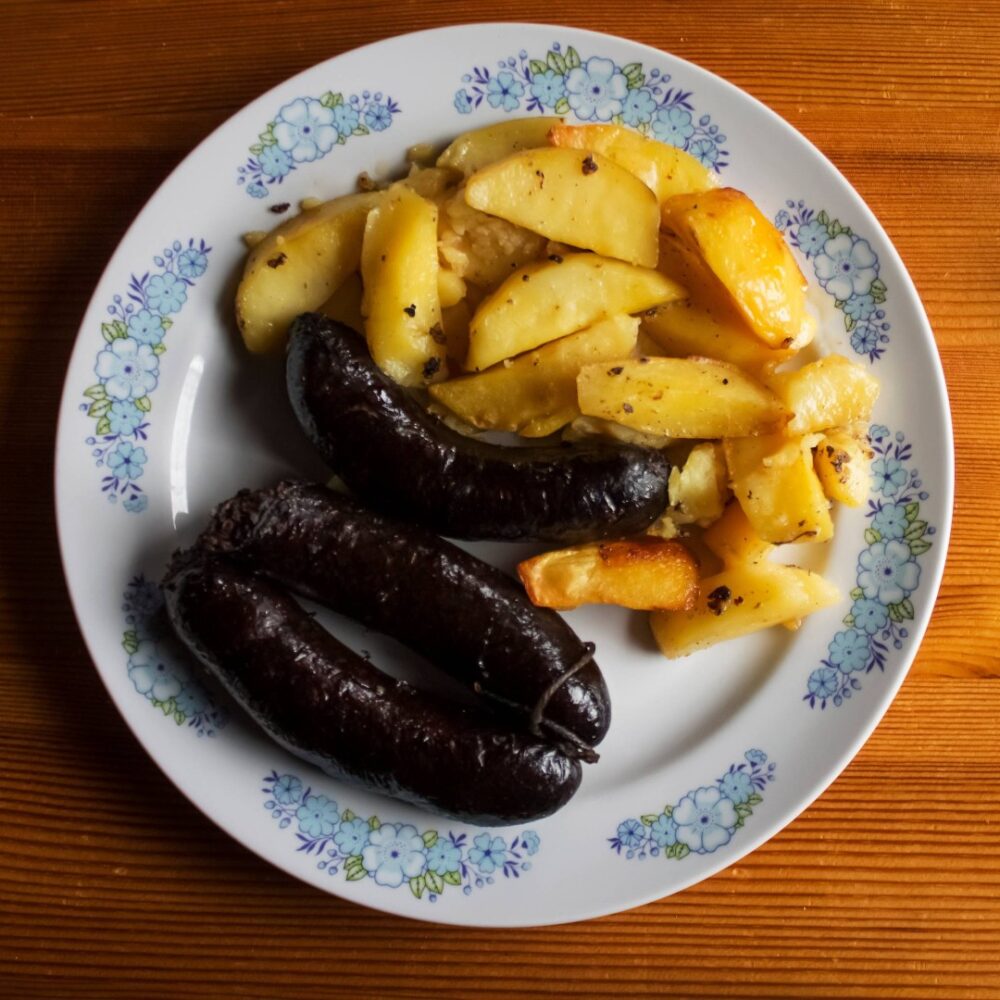
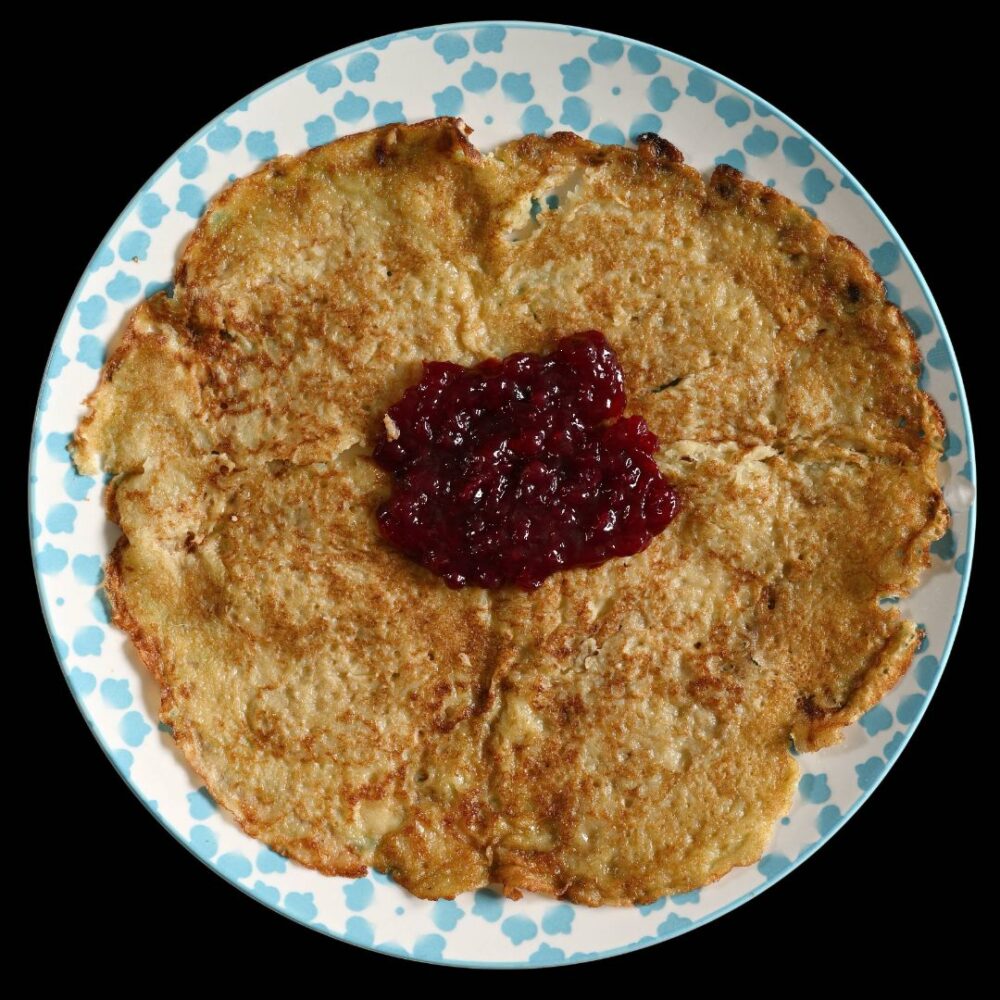
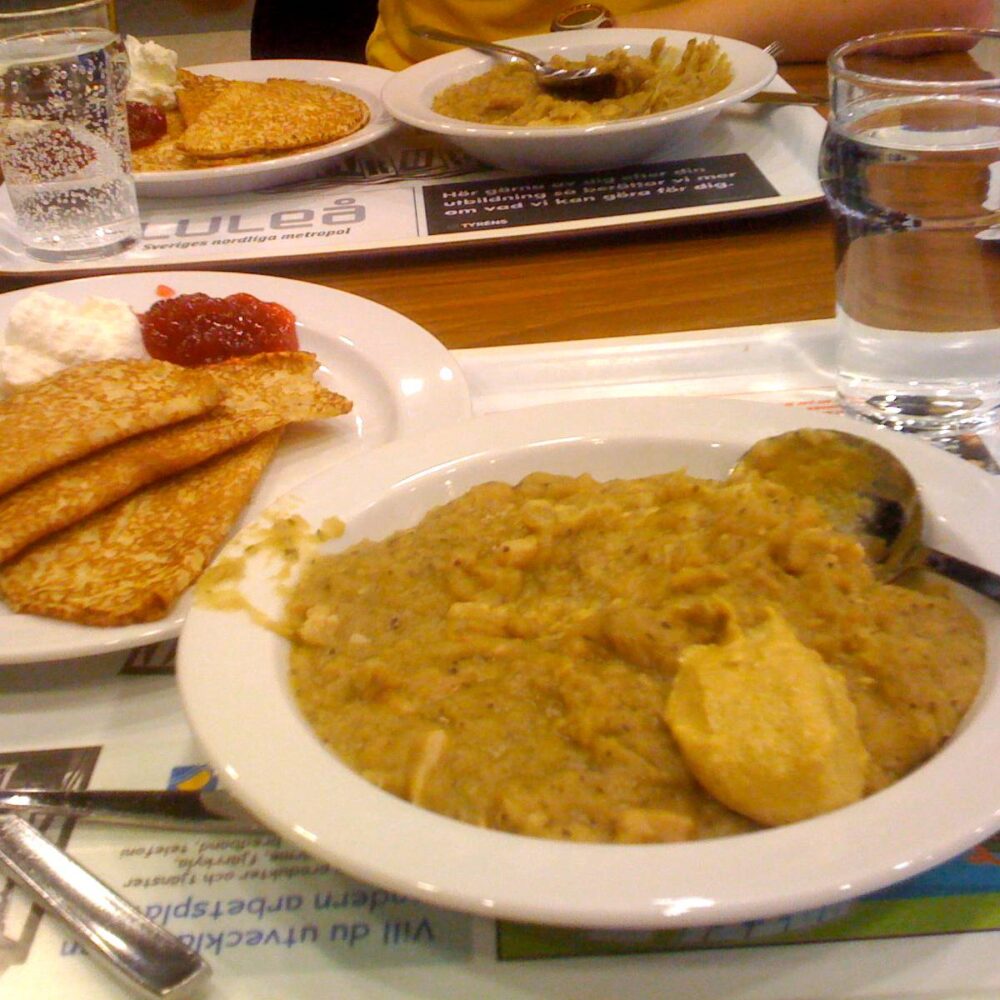
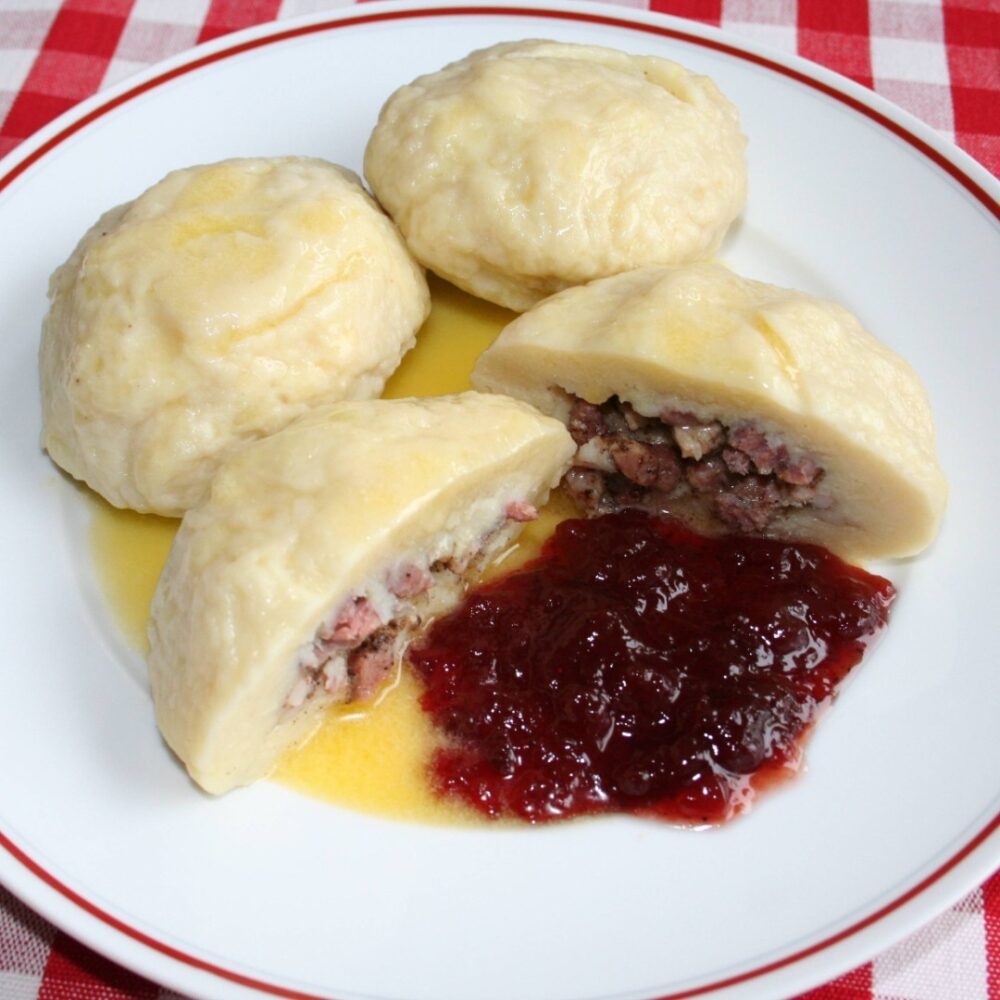
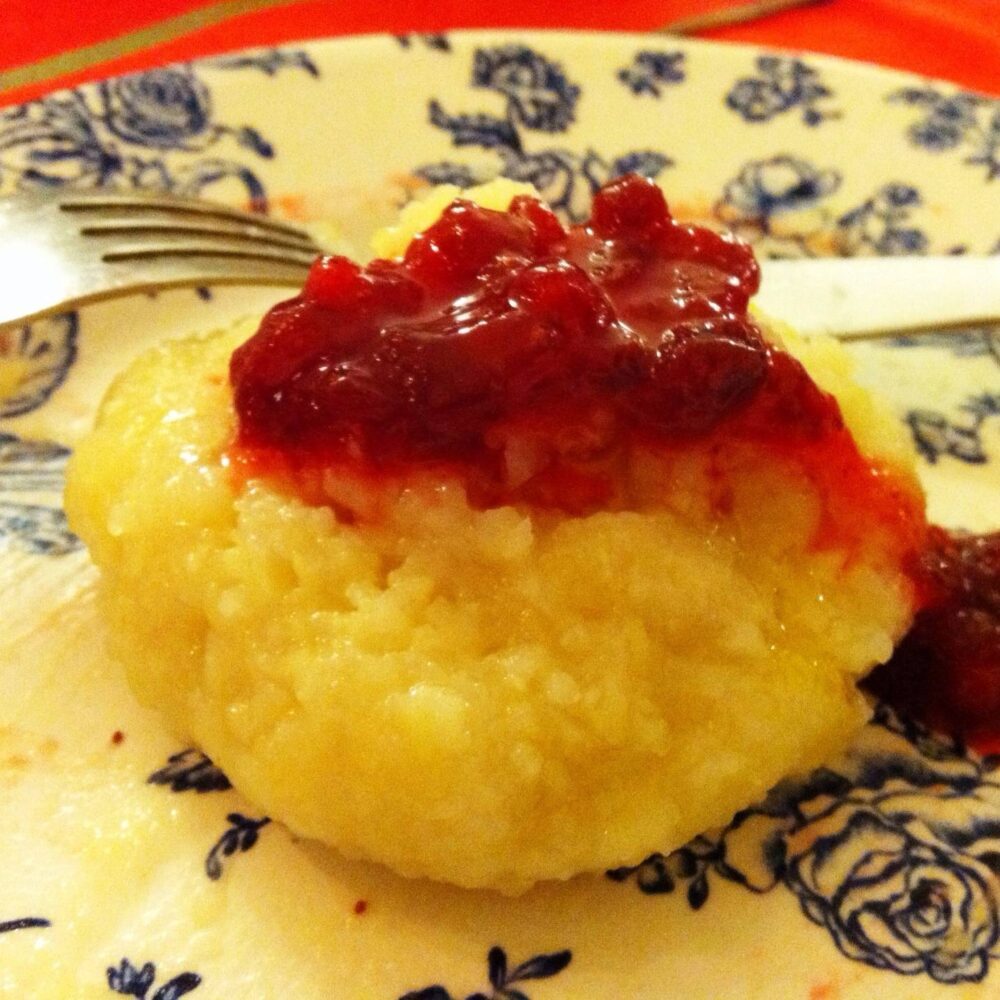
Fresh fruit was limited for much of the year, so berries mattered more. People foraged for what grew naturally and used them to add acidity and freshness to otherwise rich food. Just like ketchup and mustard, Swedes use lingonberries and their jam to accompany food, from meatballs and pancakes to porridge and black pudding. Cloudberries lean more toward desserts and special occasions. Berries also turn into jams, syrups, soups, and drinks that last through winter.
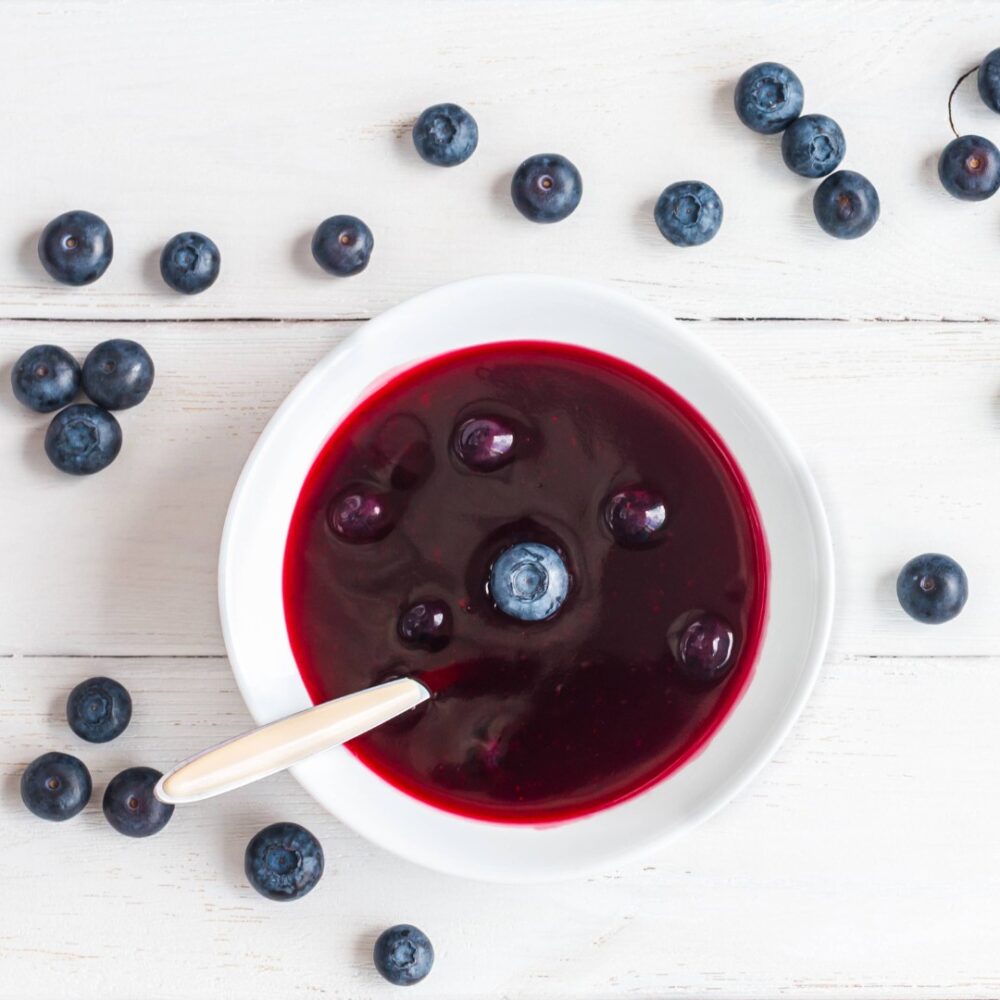
Fruit soups with high viscosity, like rose hip soup nyponsoppa and bilberry soup blåbärssoppa, served hot or cold, are typical of Swedish cuisine.
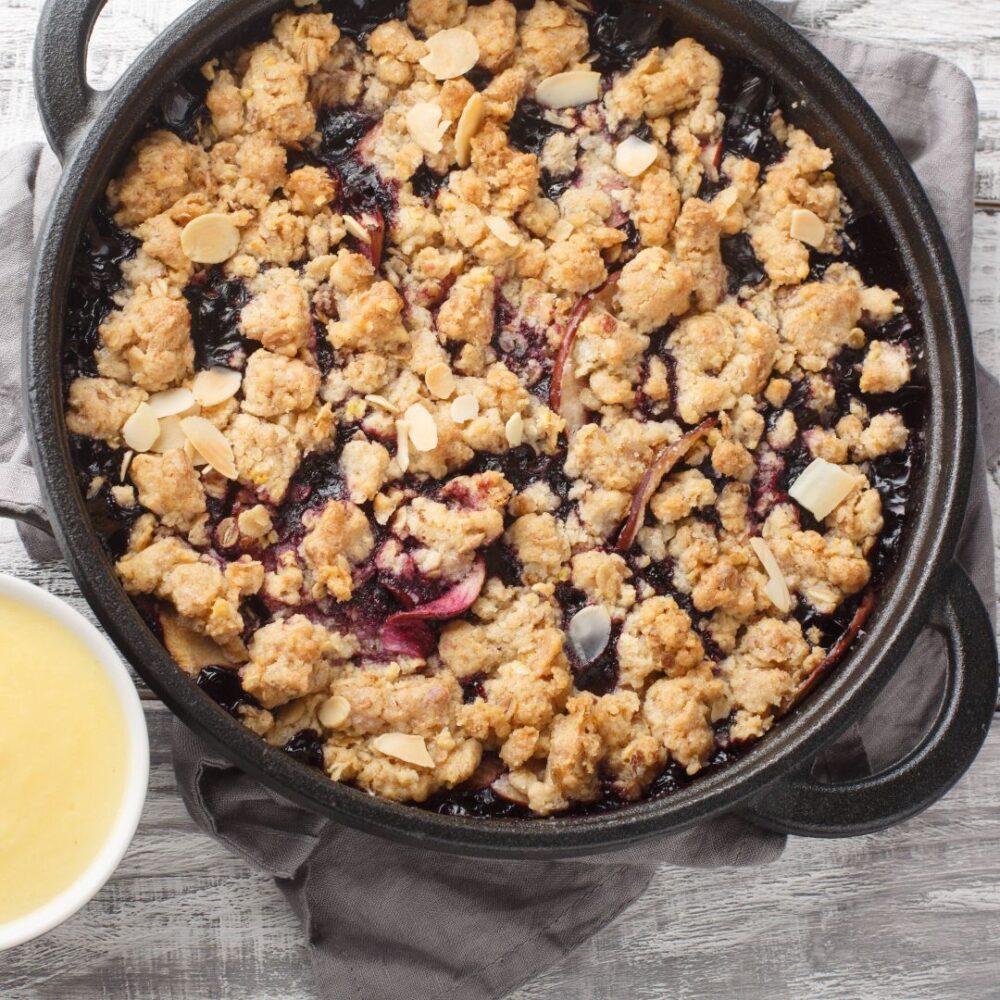
Apples are the most important by far. They show up in cakes, pies, apple sauce, soups, and baked desserts. Pears appear too, but less often. Plums and cherries are used primarily in preserves and baking. Citrus fruits arrived later through trade and were once luxuries. Even today, they’re used more sparingly than in southern Europe.
Unlike berries, fruit stays mostly on the sweet side. You rarely see fruit paired with meat or savory dishes. Its role leans toward baking, desserts, compotes, and jams.
MEAT IN SWEDISH CUISINE
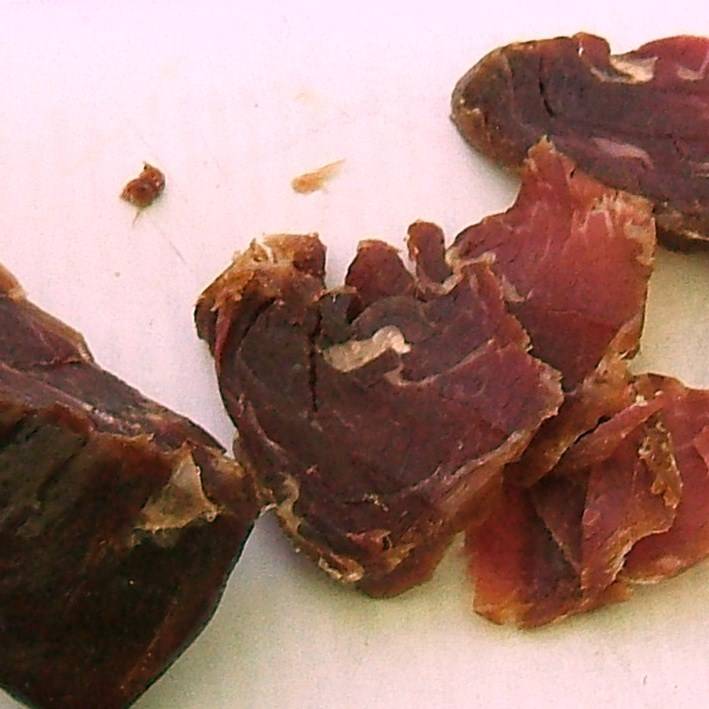
Elk, deer, and wild boar are natural meat choices during the autumn hunting season. Elk and deer are luxurious, yet sustainable options due to controlled hunting. Game meats are roasted, braised, or made into sausages and balance hearty, rustic flavors with a minimalist elegance. Because they are leaner than domesticated meats, the game is often cooked slowly or paired with rich sauces to prevent dryness.
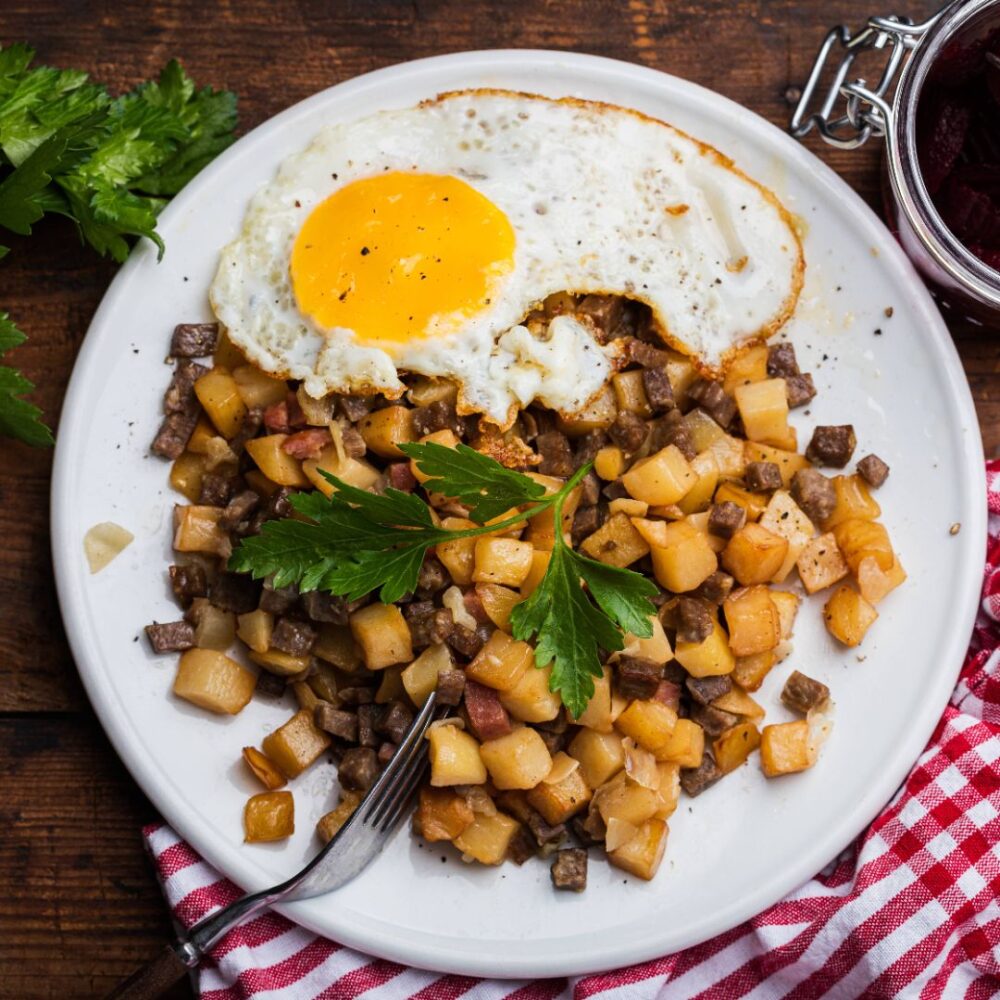
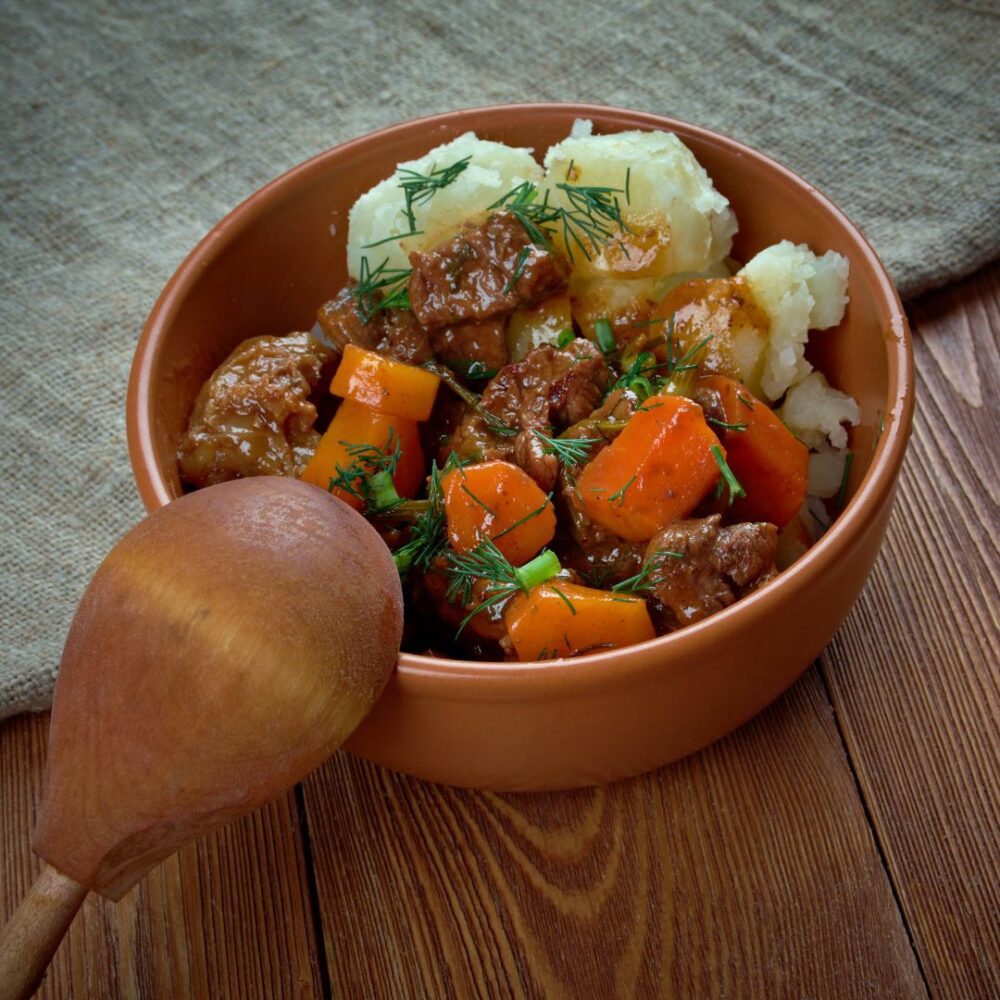
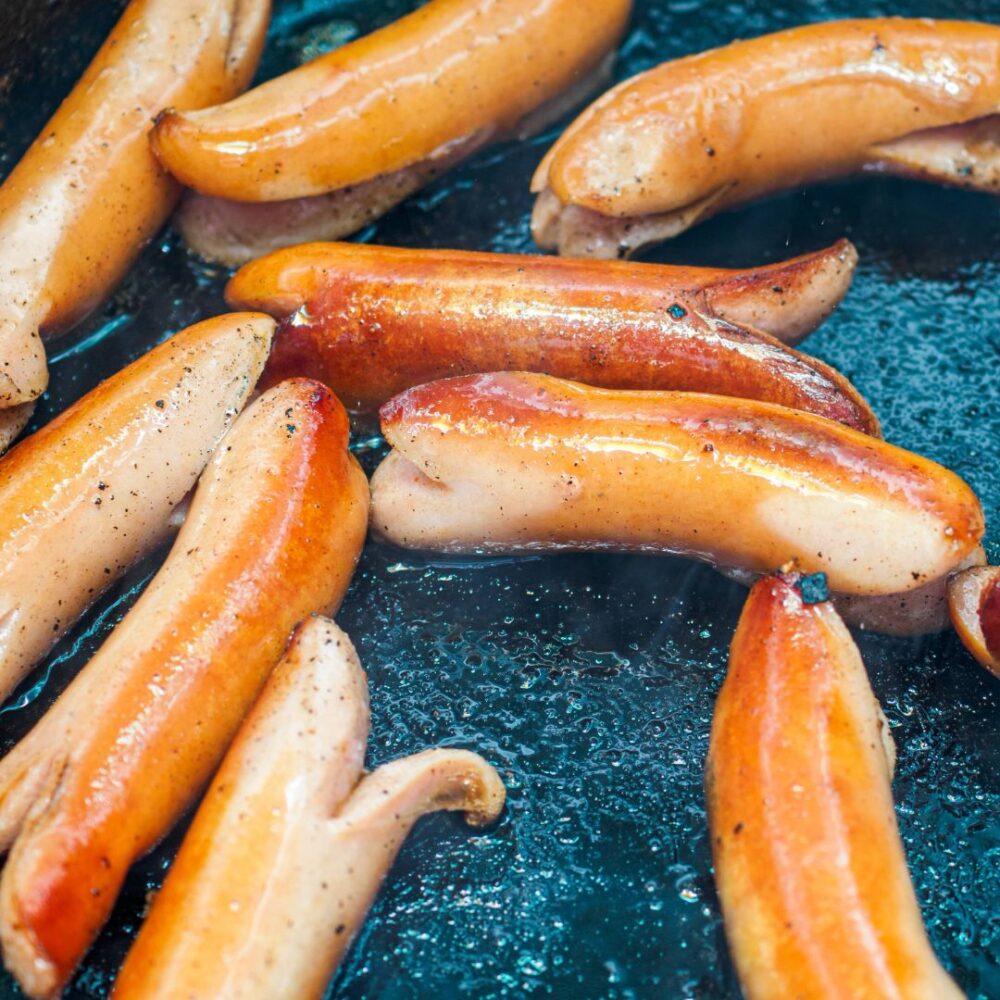
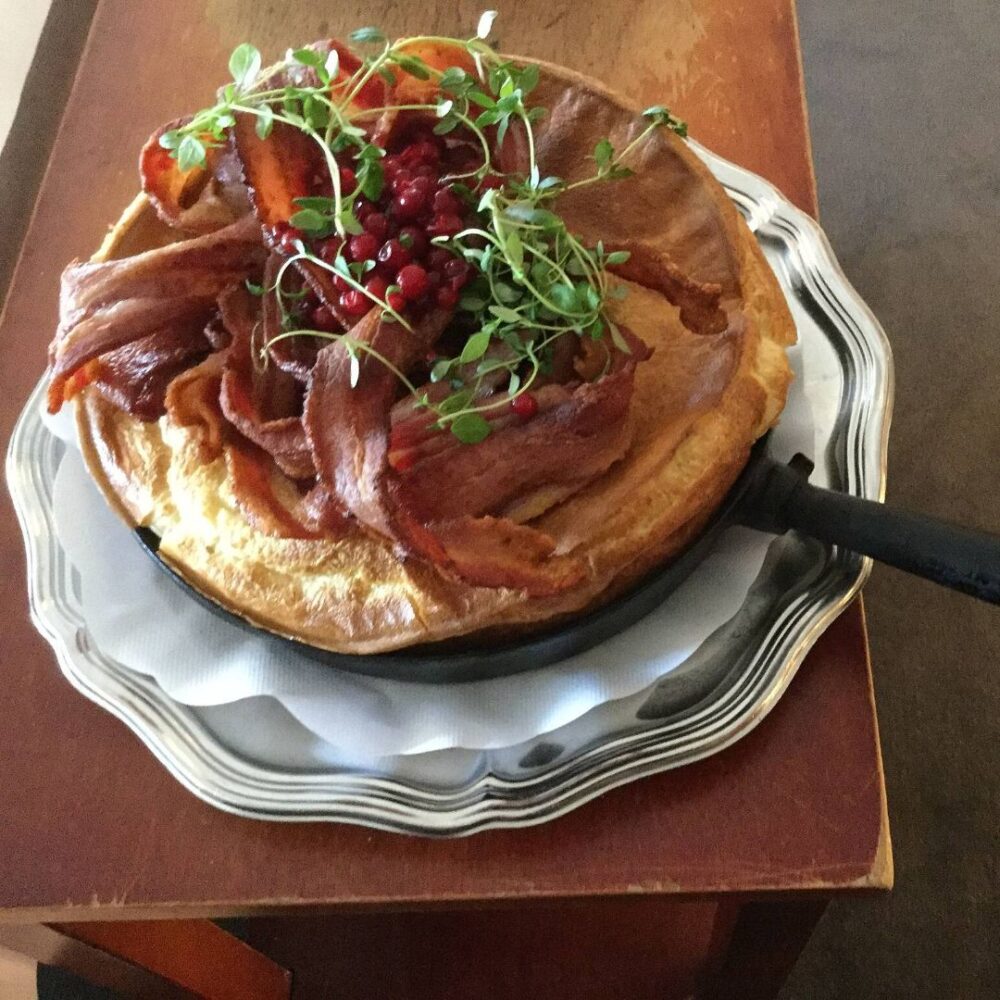
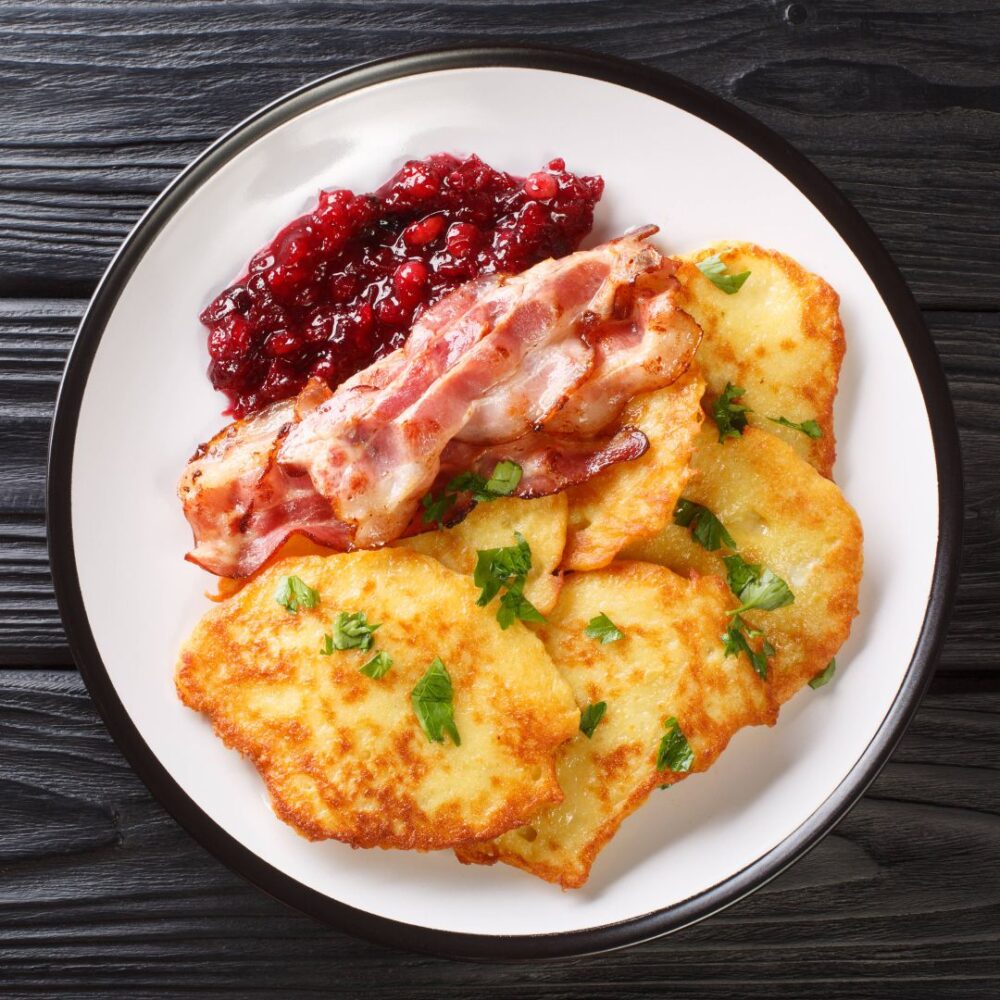
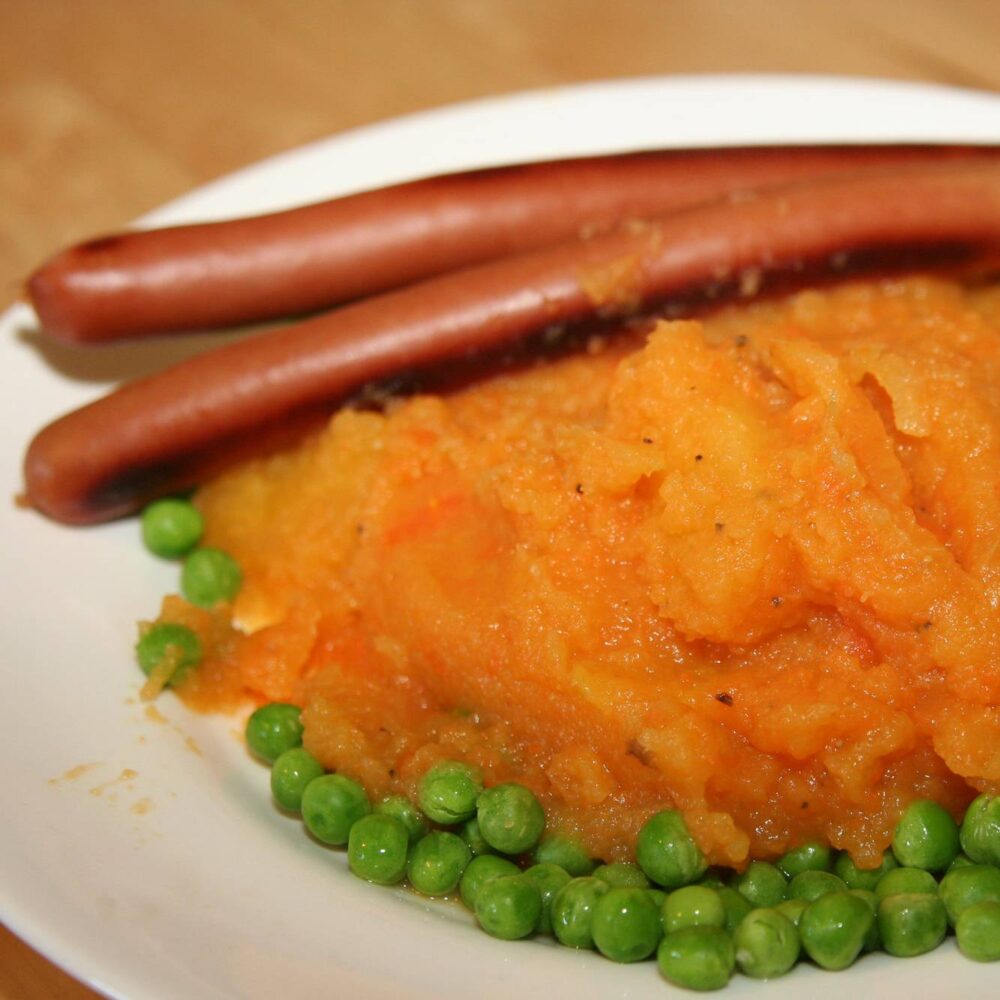
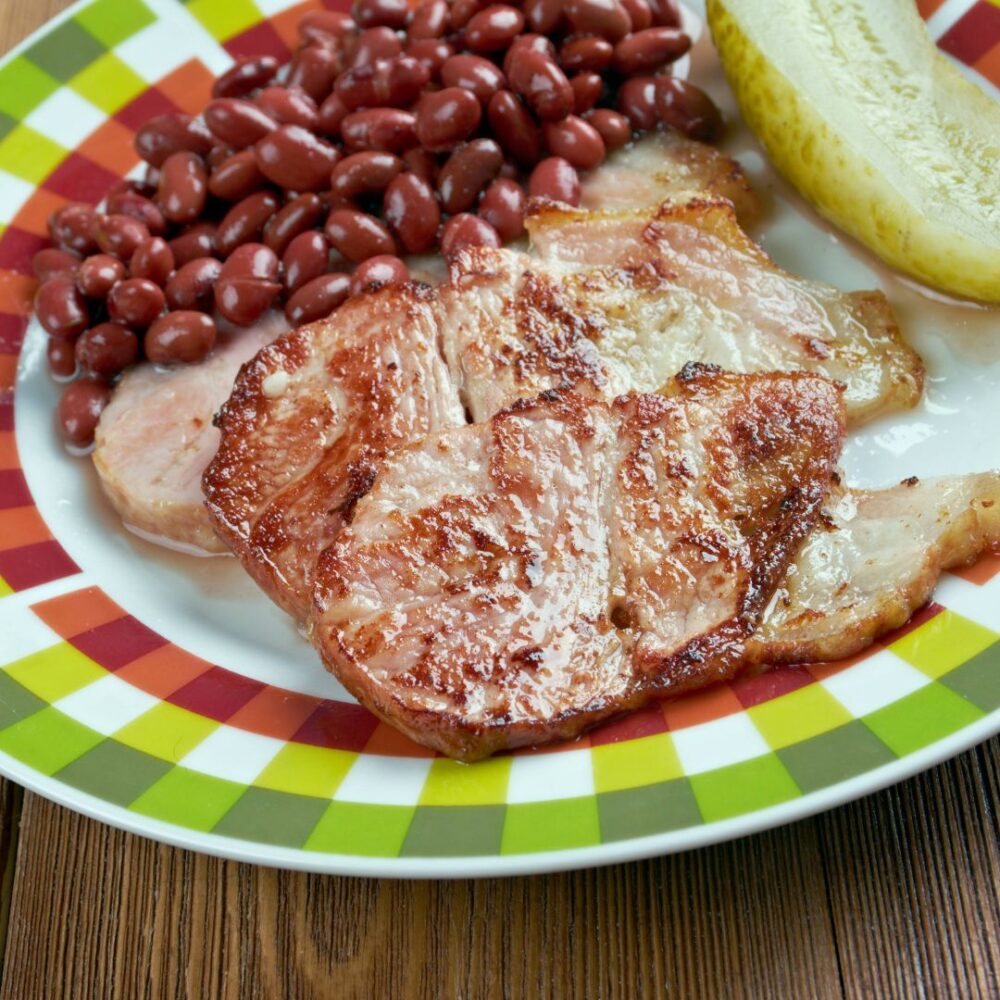
Pork and beef are staple everyday meats in various forms, from sausages, stews, and the iconic Swedish meatballs. They sit alongside other practical classics like pytt i panna, a hash of diced meat, potatoes, and onions often topped with a fried egg, and kalops, a slow cooked beef stew flavored with onion, bay leaf, and allspice. Pork shows up often, whether in crispy pork served with potato pancakes, in yellow pea soup, or as cured and baked ham at Christmas.
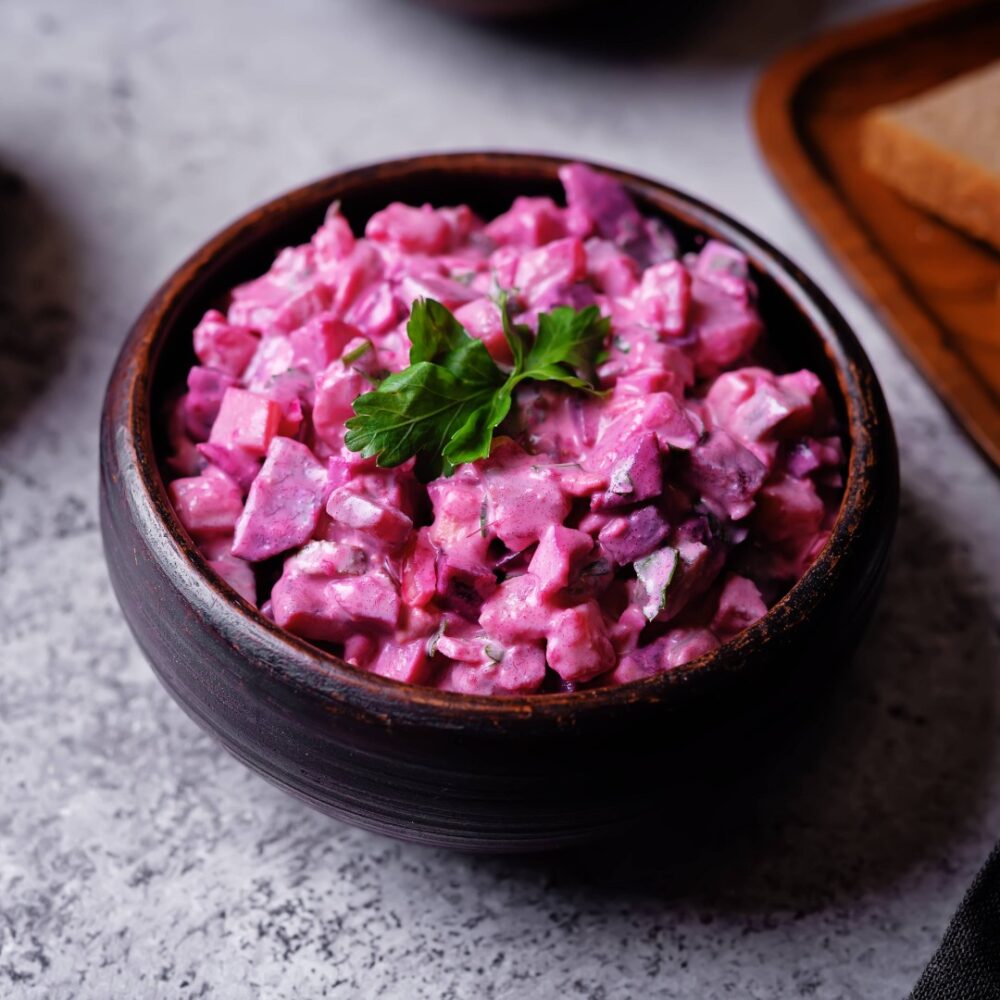
Offal was traditionally a crucial part of Swedish cooking. Although offal consumption has diminished, it remains relatively high compared to other Western countries. In certain regions, blood pudding, beef or pork liver, heart, kidney stews, and black soup from goose blood. Meat dishes are often balanced with acidic and sweet lingonberries, pickled veggies, creating a harmonious contrast to the meat’s richness.
FISH AND SEAFOOD IN SWEDISH CUISINE
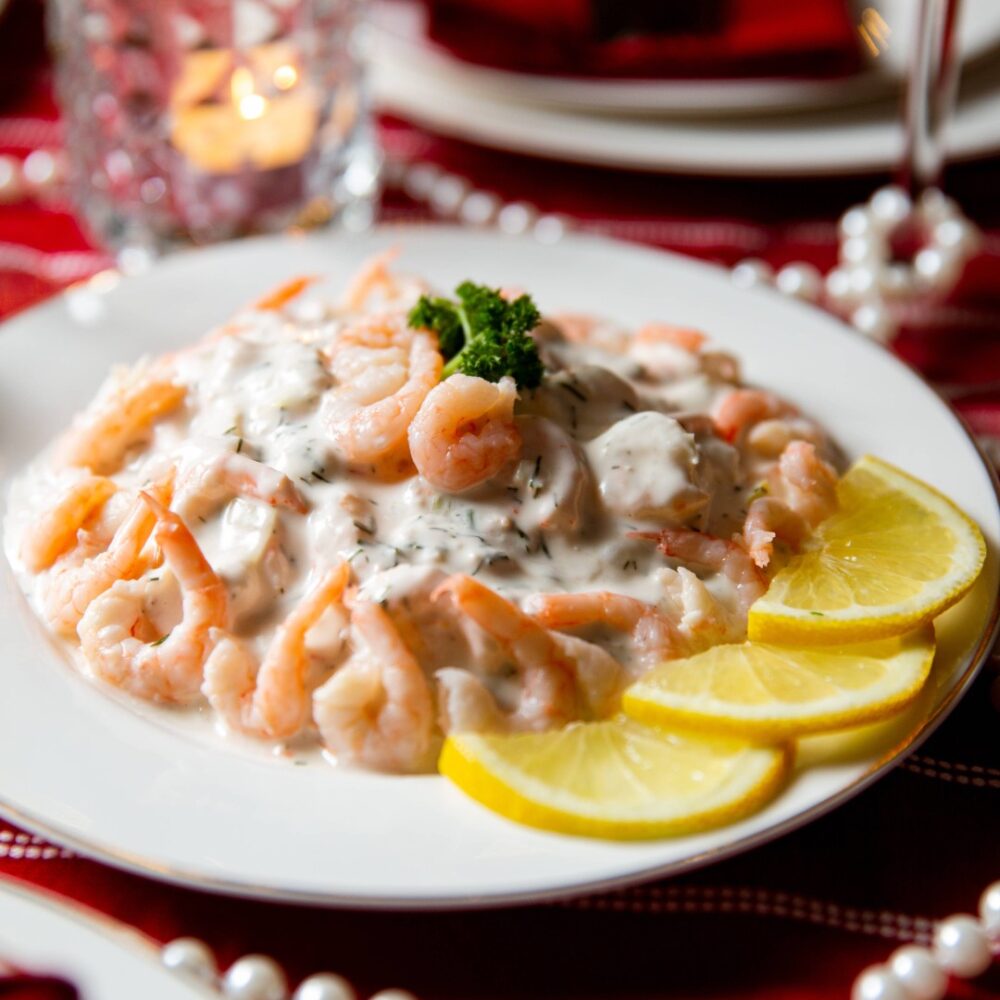
Having a long history of living near extensive marine and freshwater coasts, Swedish people are skilled in preparing seafood well and throughout multiple meals a day. Fishing thrives in coastal communities, providing high-quality cod, mackerel, arctic char, salmon, herring, and many others.
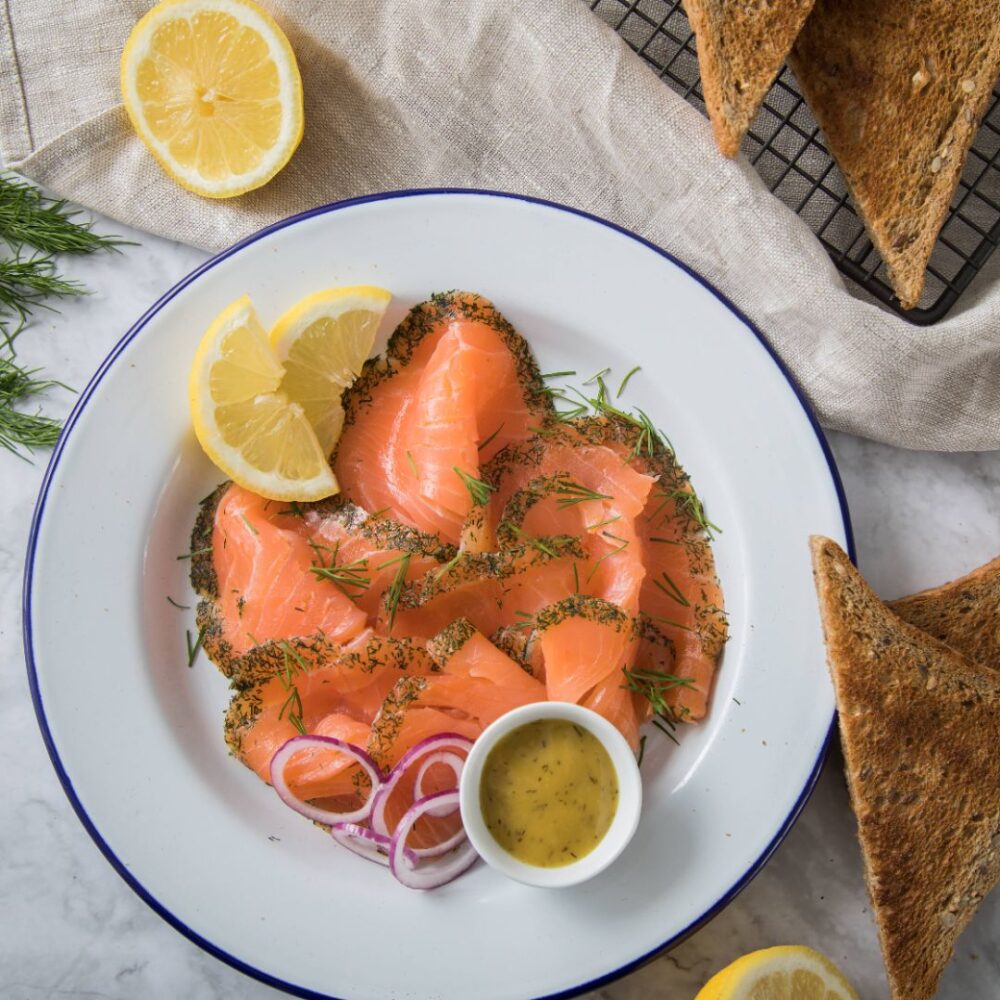
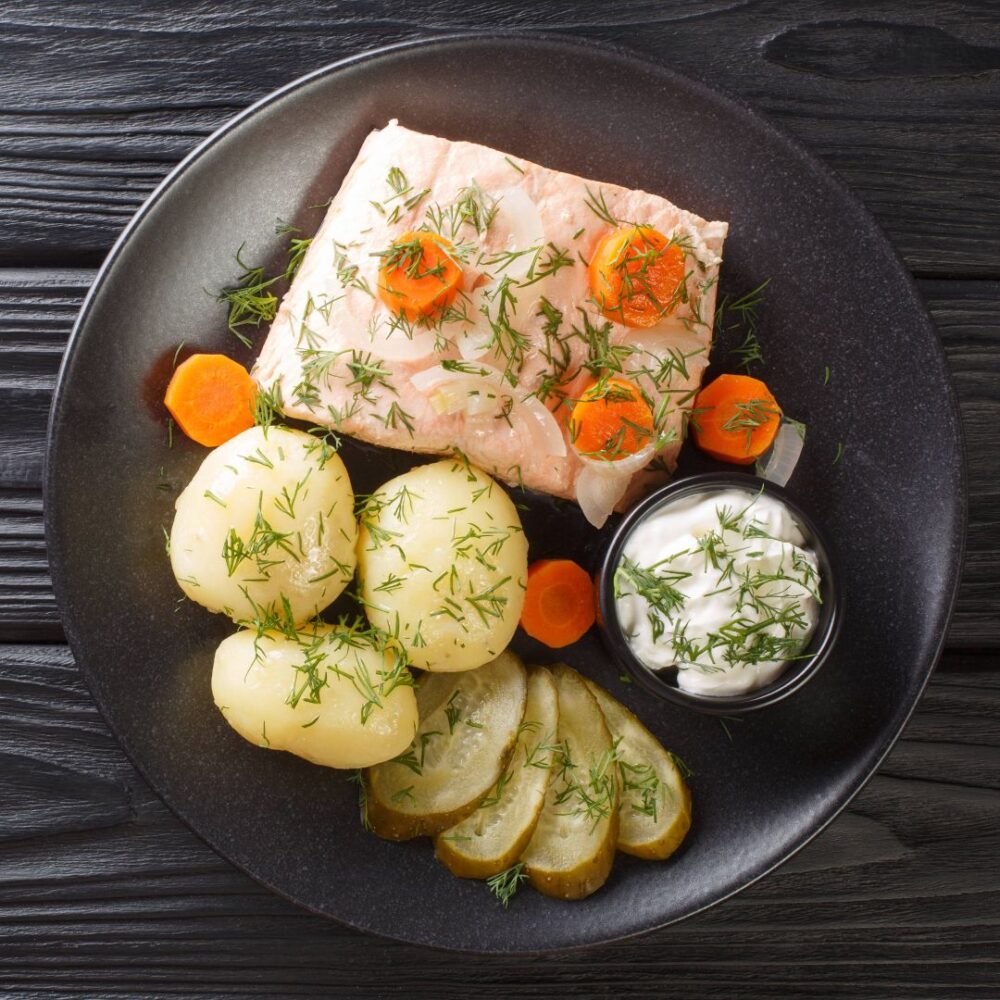
Gravlax, Sweden’s cured salmon dish, has a history intertwined with the Vikings, who buried fish in sand and salt for partial fermentation. Today, the fish is buried only in salt, sugar, and dill, the critical herb in gravlax. Curing typically lasts 24 to 48 hours, allowing the fish to take on a delicate, rich flavor without cooking. It’s served cold and thinly sliced, accompanied by mustard sauce hovmästarsås, rye bread, or crispbread. Although it’s a traditional Scandinavian dish, gravlax has become popular worldwide.
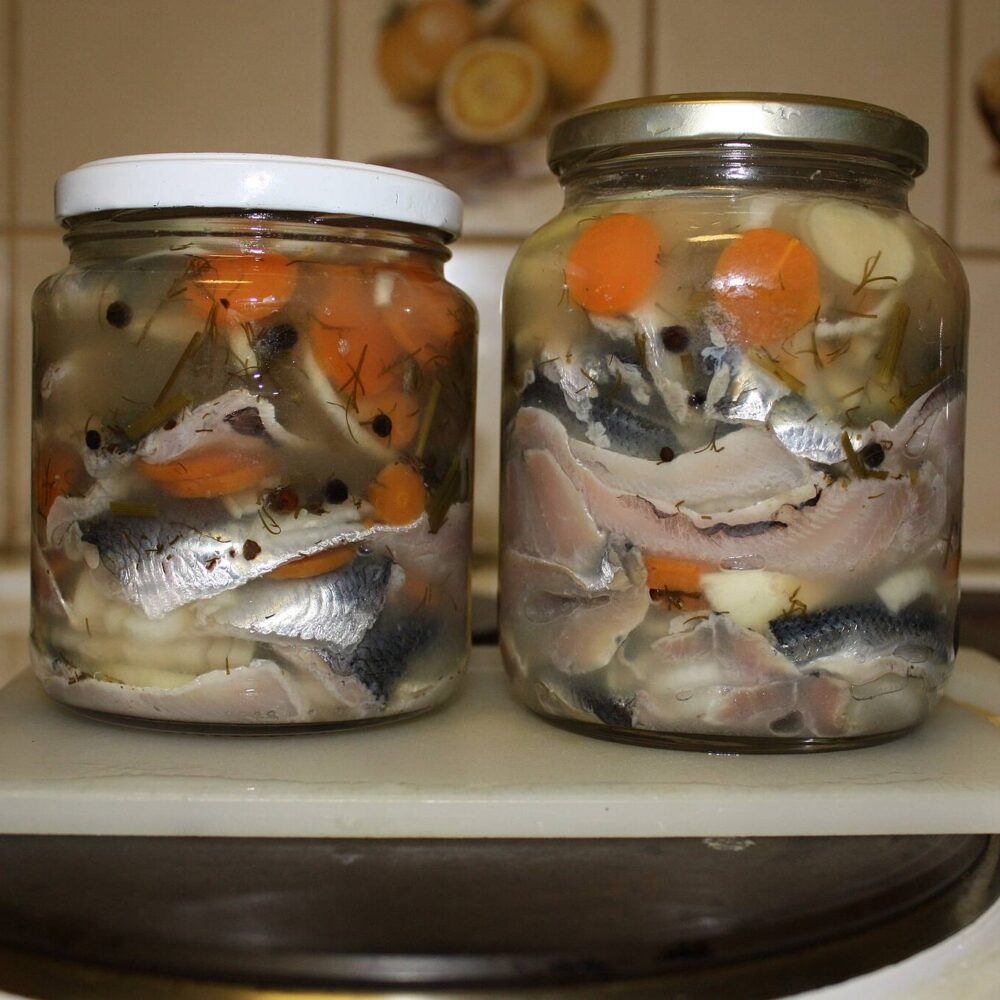
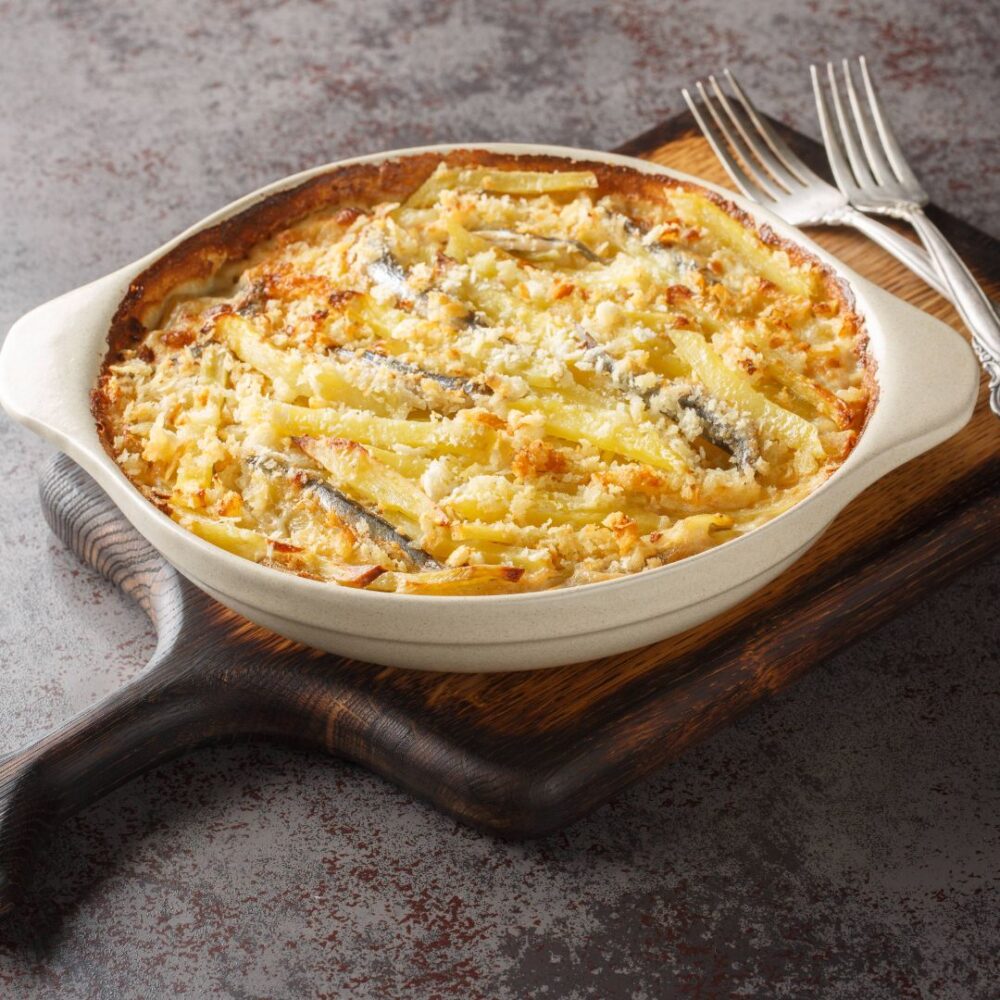
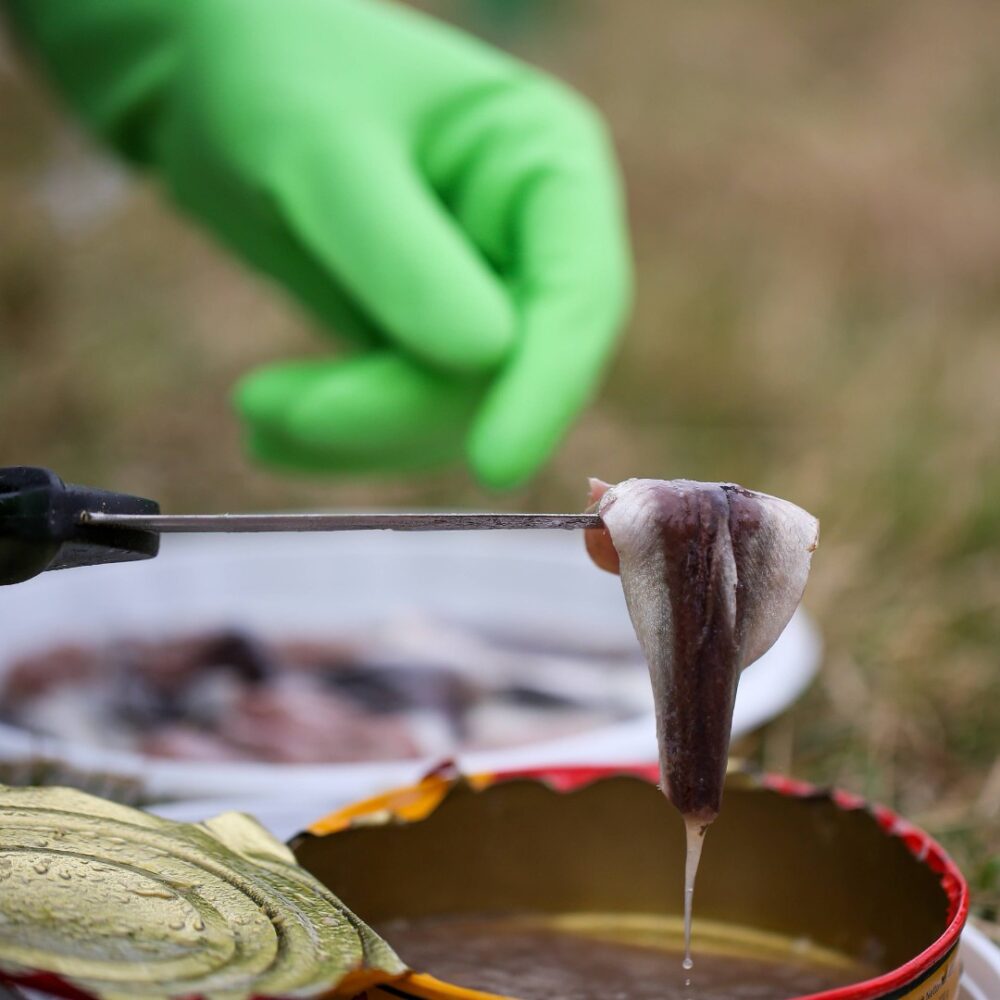
Herring has been central to Swedish cooking since the Middle Ages and was once a major trade product across Europe. It’s most often eaten pickled, with potatoes, onions, and mustard sauce. Smoked herring is also common. Then there’s surströmming, a fermented herring known for its strong, pungent smell – a delicacy by many Swedes, but it is not for the faint of heart!
MILK AND DAIRY IN SWEDISH CUISINE
Milk and dairy consumption are high. A glass of milk is a standard weekday drink for both children and adults. Swedes have a long history of using fermented dairy, like filmjölk, a product similar to yogurt but with a slightly looser consistency, mostly eaten with cereals. Sweden has a tradition of hard cheeses – västerbotensost, a firm cheese grated over dishes; cream cheese färskost, and fresh cheeses like quark used in baking and cooking, sandwiches, and spreads.
Butter is a cornerstone of Swedish cooking, as well as cream and sour cream. Cream goes into sauces for meat and fish, mushroom dishes, soups, and stews. The goal usually isn’t richness for its own sake, but softness and balance. Cream smooths out salty, acidic, or earthy flavors, especially with game, fish, and mushrooms. Sour cream, usually gräddfil, is just as common. It’s mild, slightly tangy, and used both cold and warm. You’ll see it with potatoes, fish, pancakes, and in sauces, dips, and dressings. It adds freshness without being sharp. Together, cream and sour cream shape a lot of what people think of as Swedish flavor.
DESSERTS IN SWEDISH CUISINE
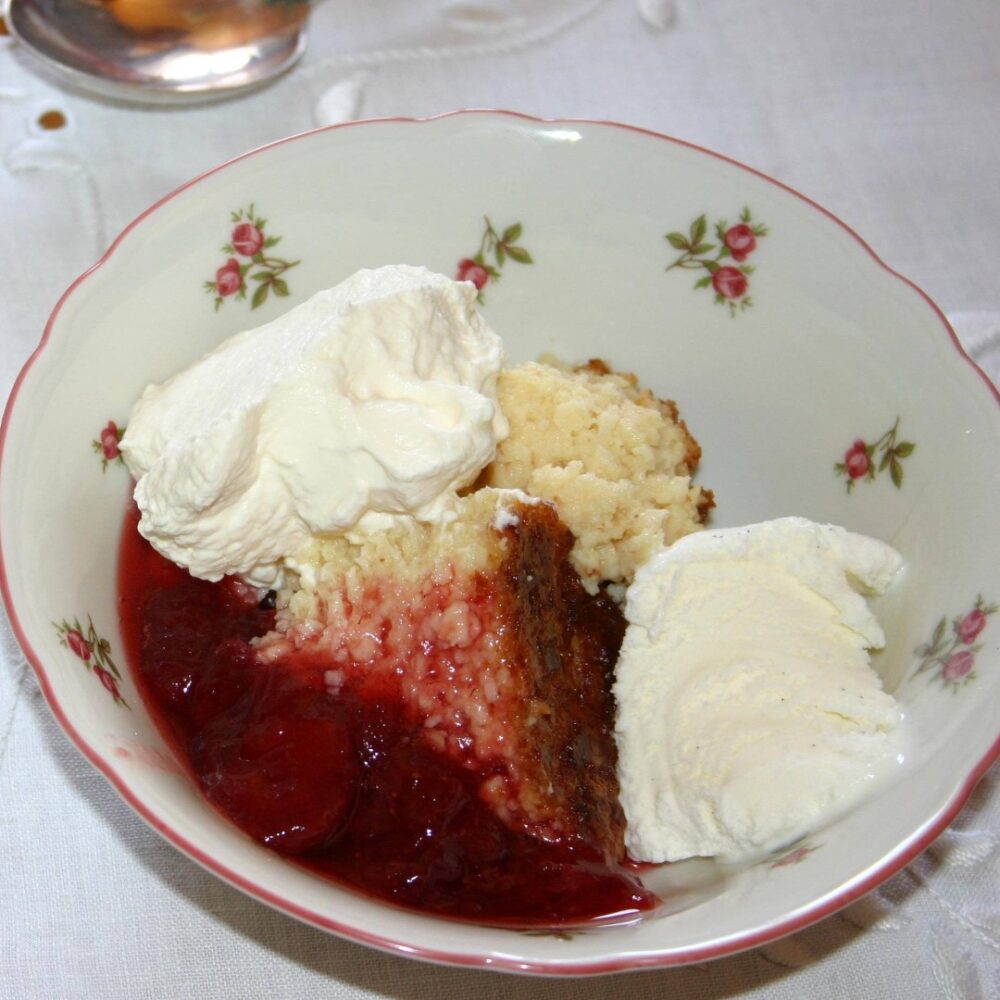
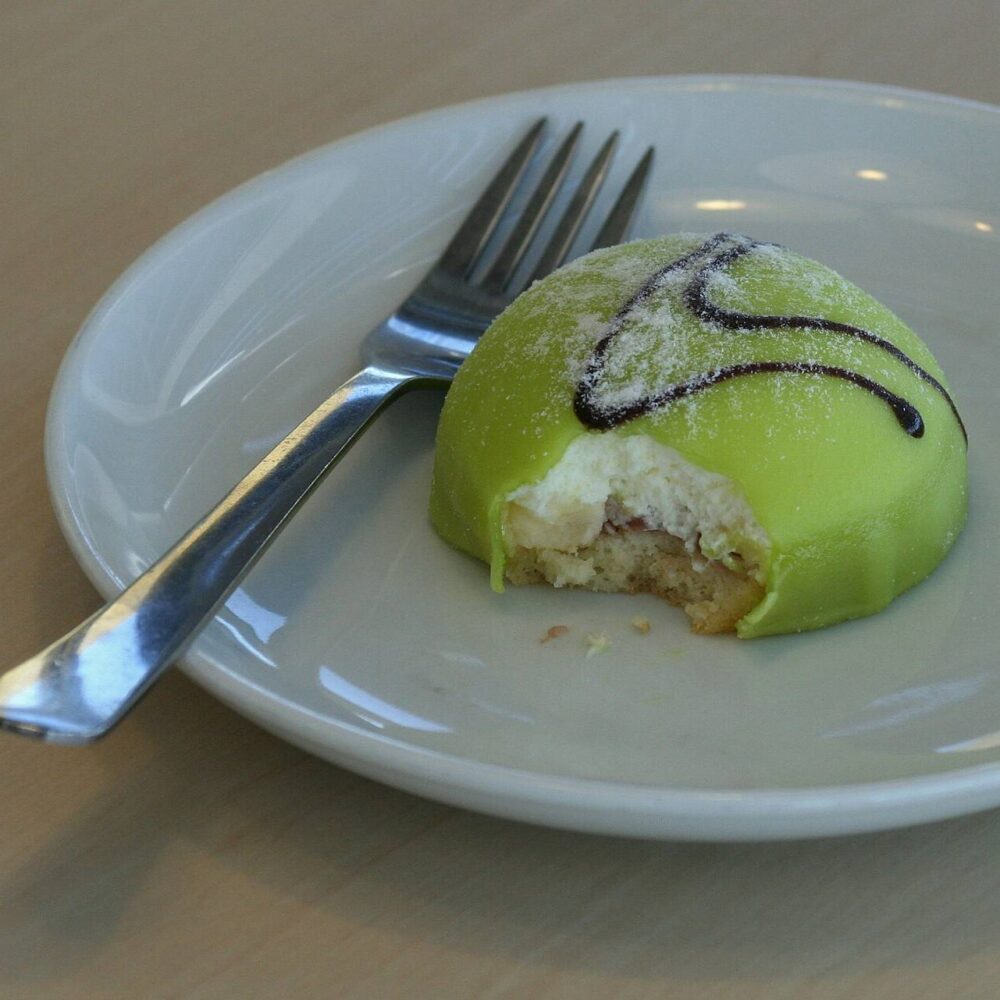
Swedish desserts are generally simple and not overly sweet, especially compared to many other world cuisines. Sugar arrived late and was expensive for a long time, so desserts stayed modest. Cakes, buns, and simple pastries are the norm, often meant to be eaten with coffee during fika break. Swedish desserts evoke a sense of warmth and comfort, perfect for enjoying on a chilly day. Cinnamon rolls kanelbullar are perhaps the most iconic pastry spiced with cinnamon, sugar, and butter. Swedish desserts often feature bold flavors like cardamom, cinnamon, and almond and are tied to specific seasons.