THE ESSENCE OF MALTESE CUISINE
Maltese food leans on ingredients that make sense for small, sun-baked islands in the middle of the Mediterranean. Seafood pulled straight from the water, good crusty bread, tomatoes, capers, olives, citrus, plenty of herbs. You also see lots of simple vegetables, local cheeses, and meats that are practical to raise on limited land: rabbit, pork, and poultry.
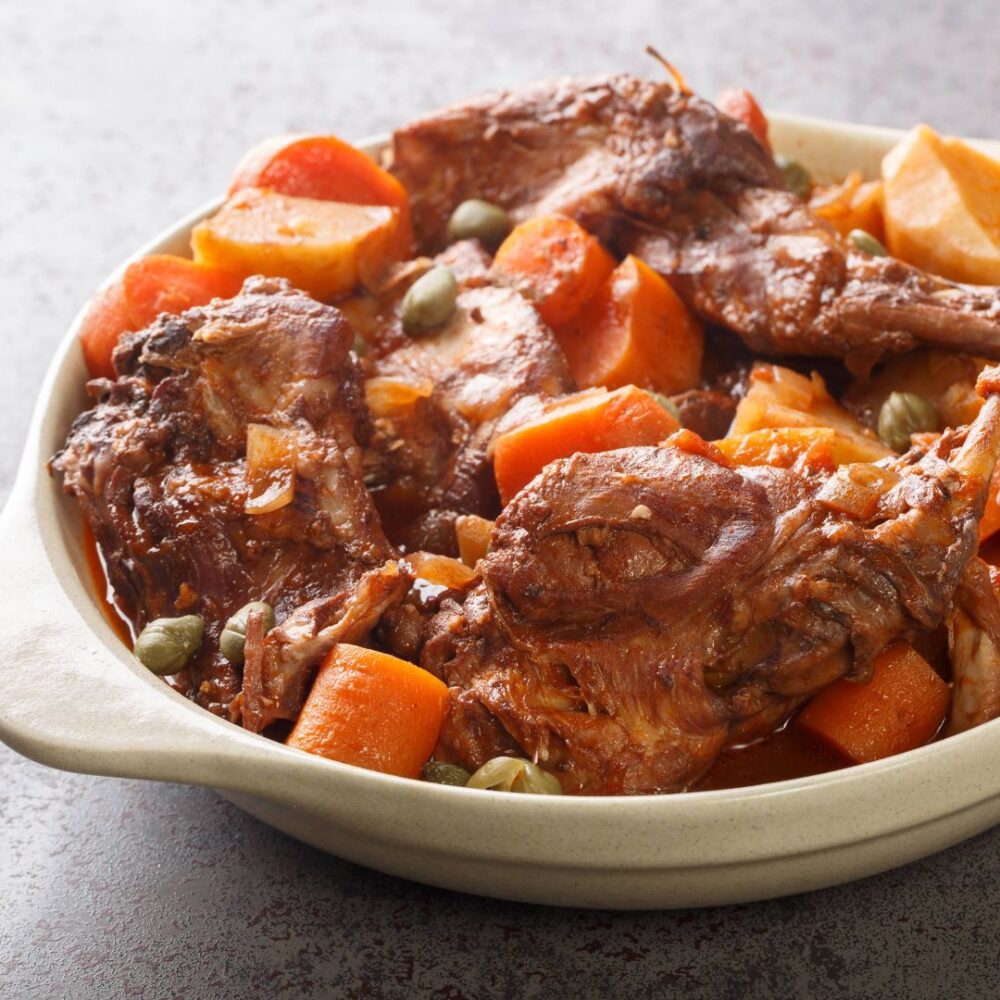
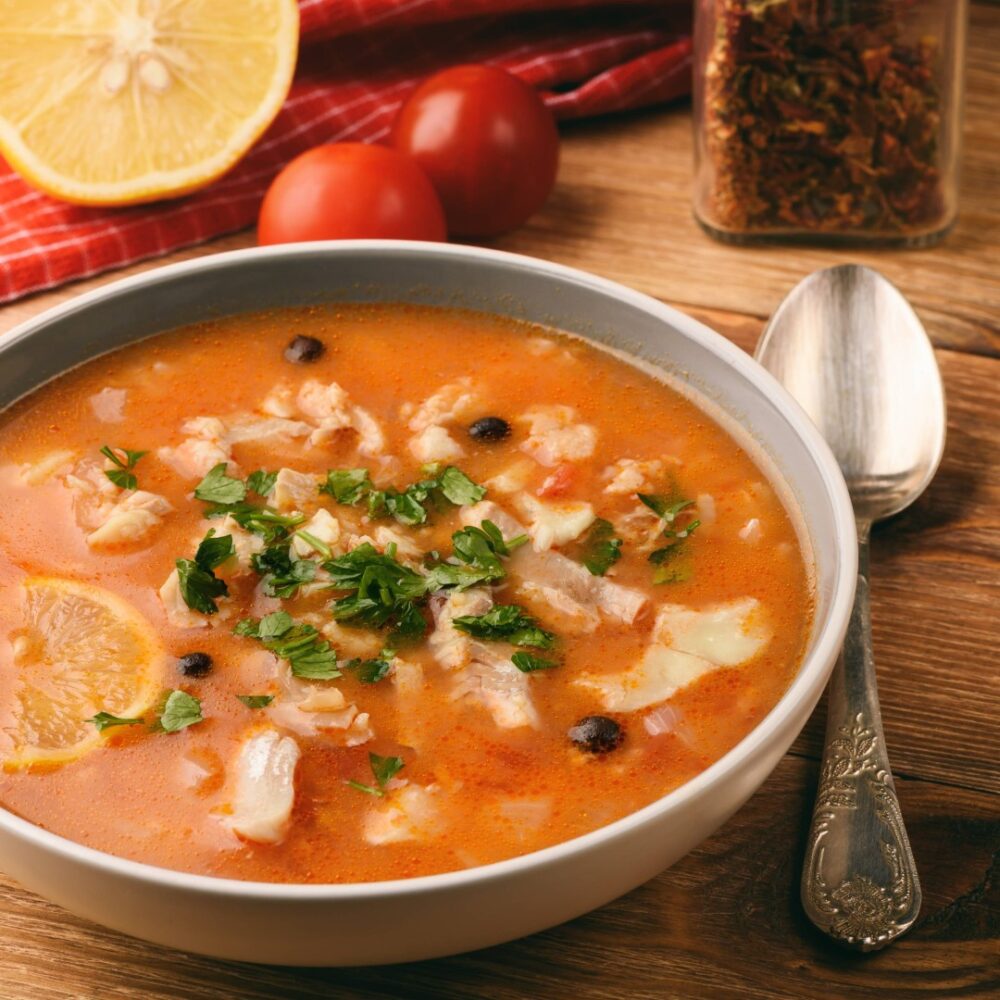
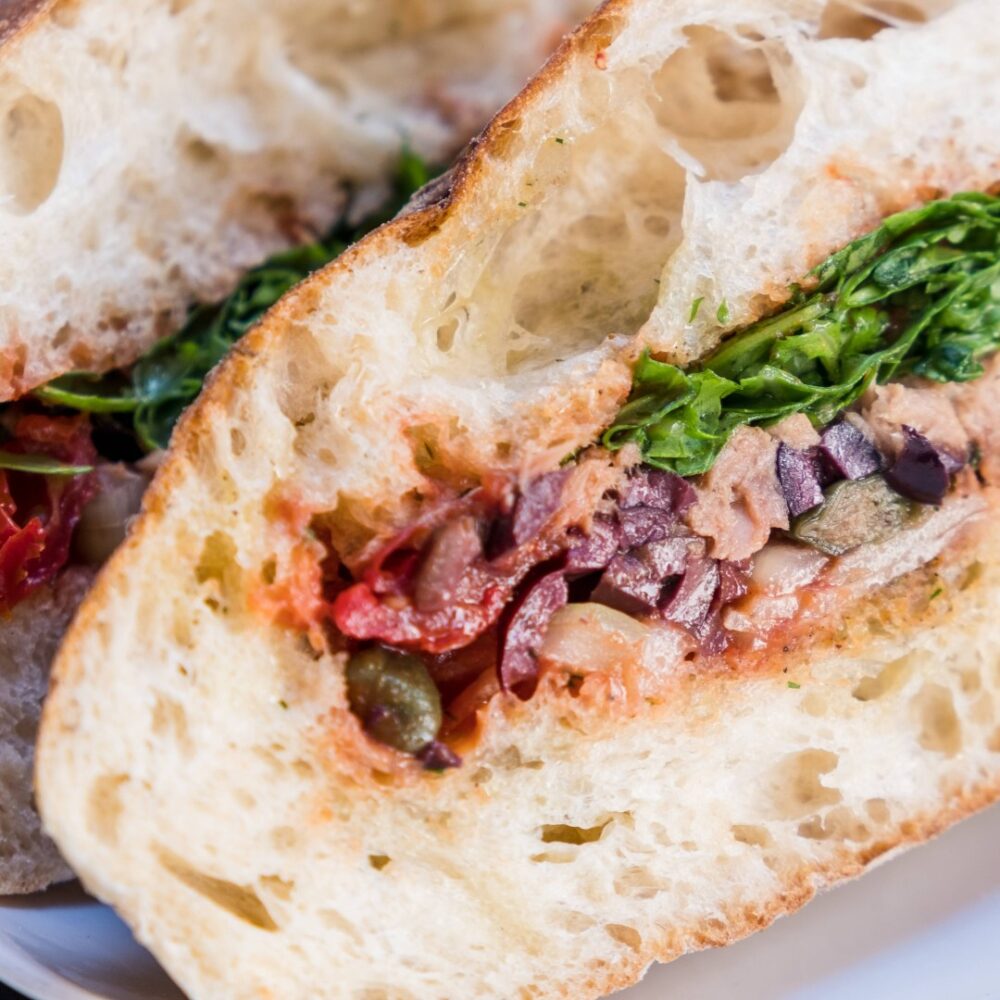
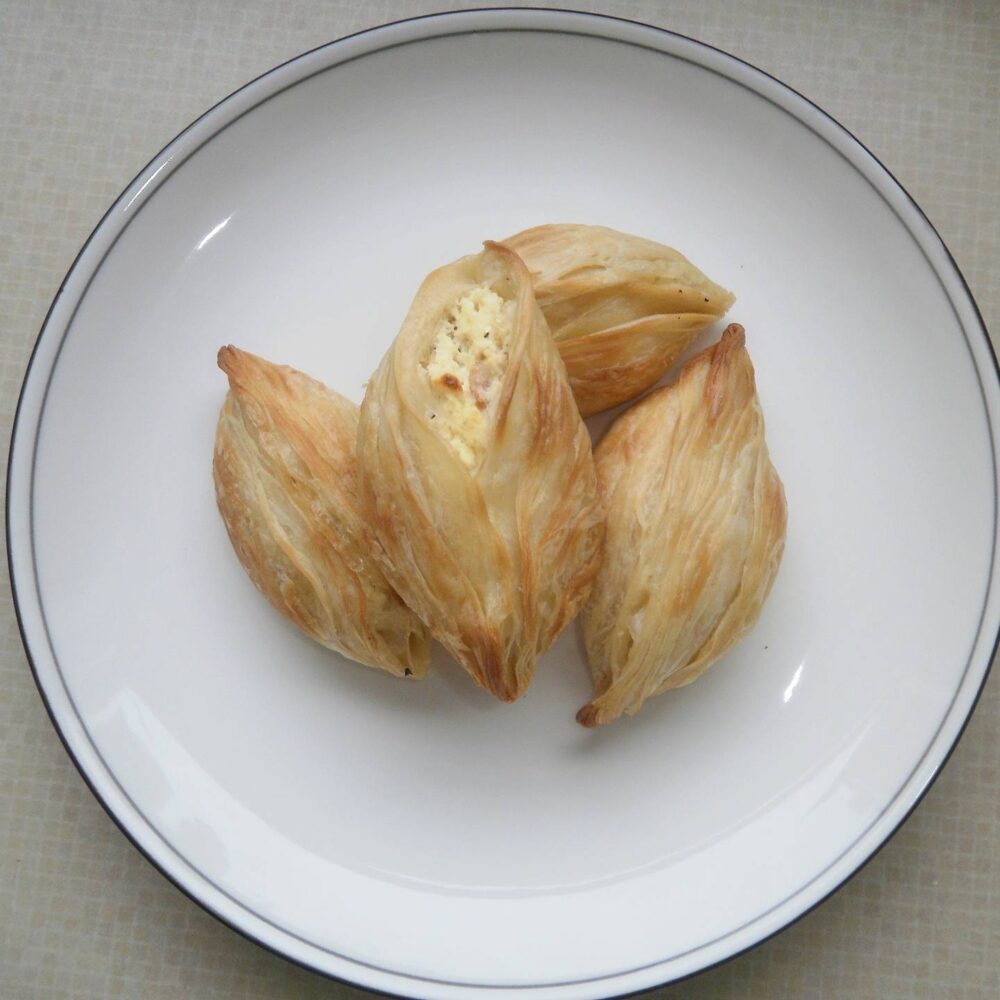
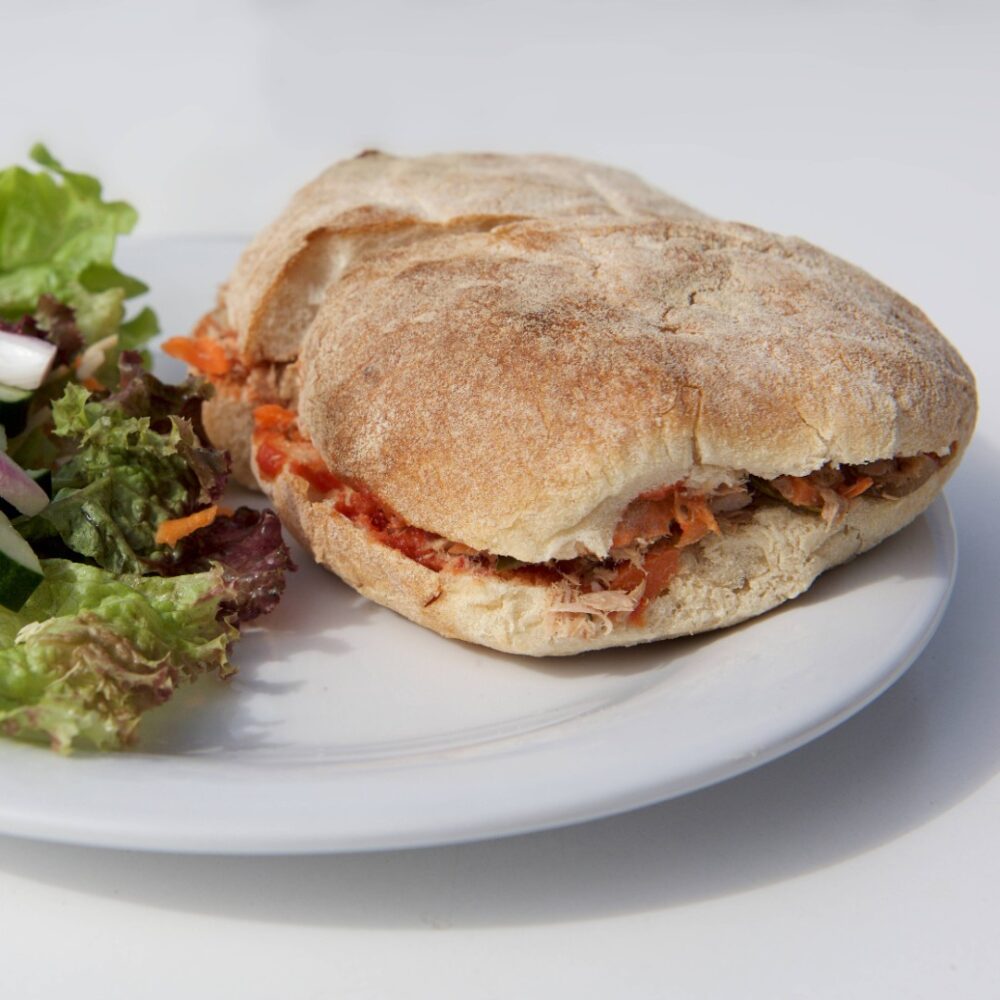
What makes Malta stand out is the mix. You taste Sicily, North Africa, the Middle East, and a touch of Britain, but it still feels like its own thing. Classic rabbit stew, ftira with tomato and olive oil, aljotta fish soup, or pastizzi are comforting and full of character.
GRAINS
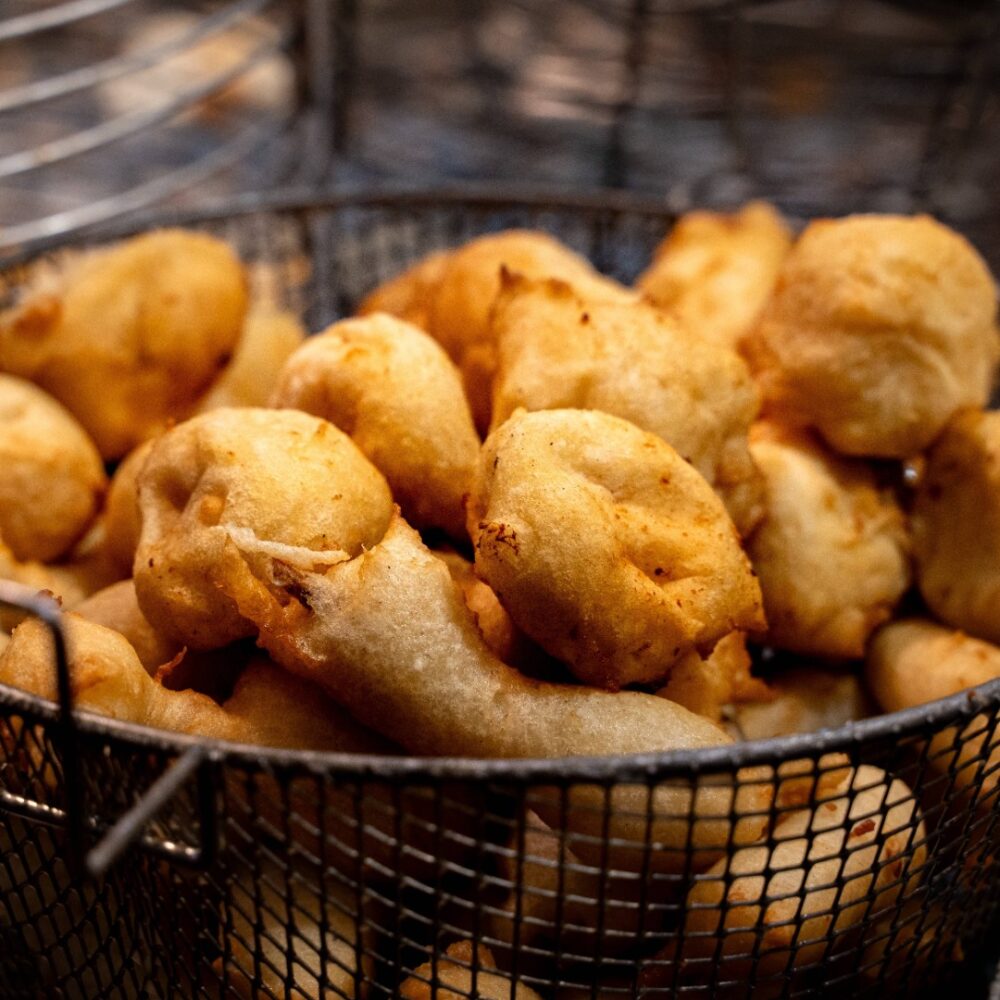
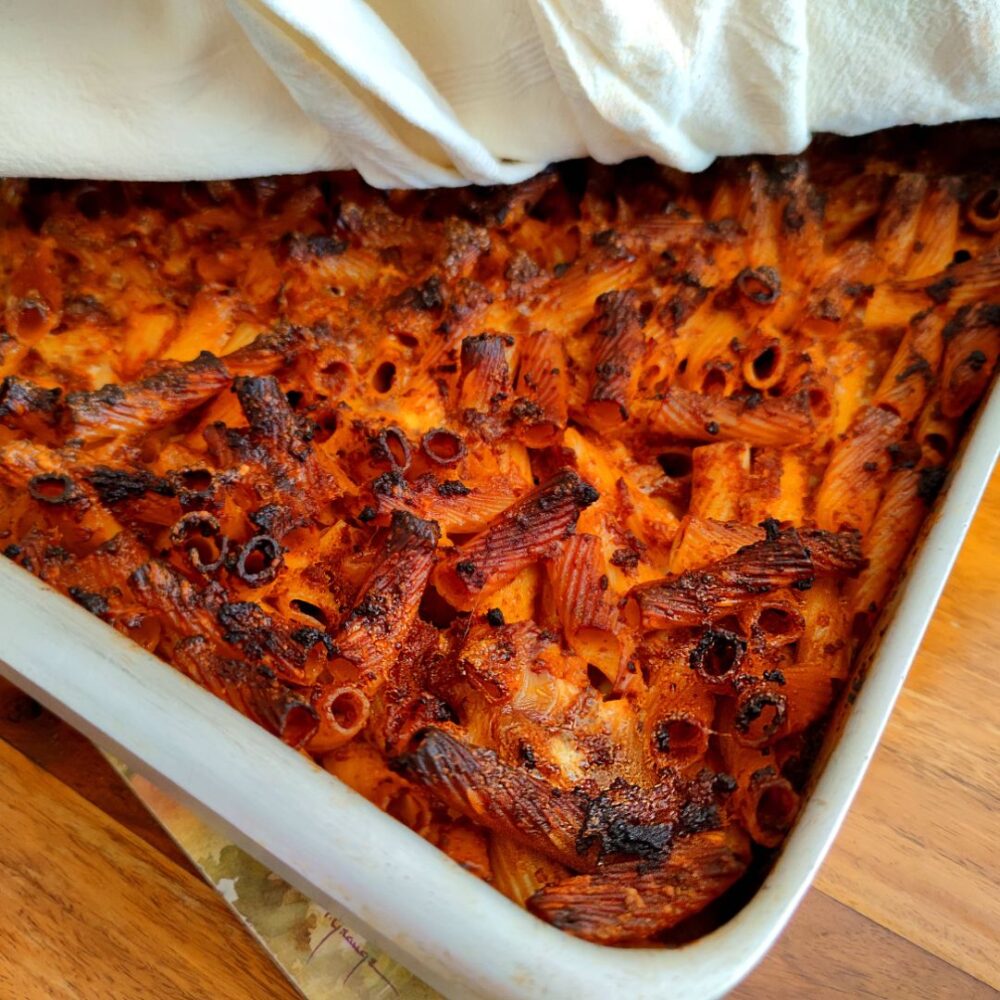
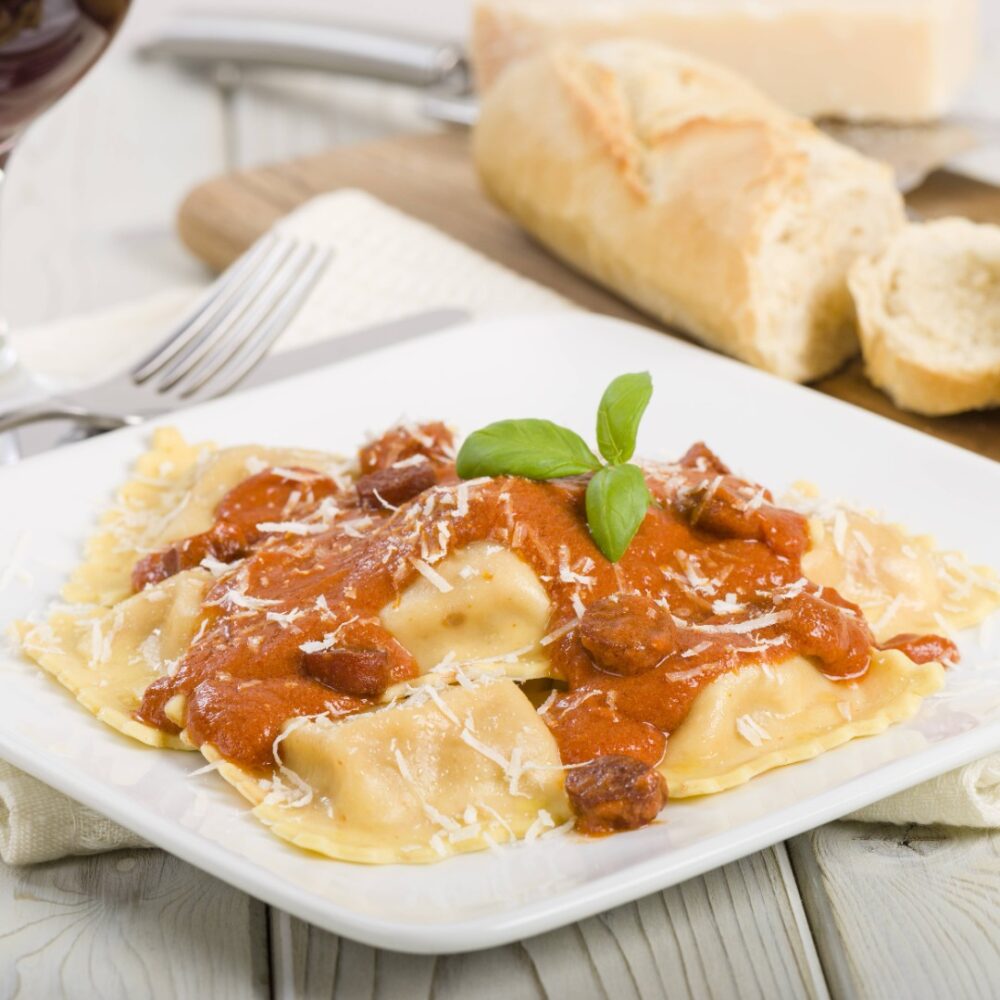
When it comes to grain foods, bread and pasta are the absolute staples. Ħobz, a crusty white or brown bread, is served alongside dishes for dipping in olive oil or sauces. Flaky pastries with ricotta or mushy peas pastizzi are a staple street snack. A strong legacy of Sicilian influence: penne, rigatoni, and macaroni pastas are cooked with simple tomato or pesto sauces. Corn and rice are rather modest in traditional cuisine compared to bread and pasta.
PRODUCE
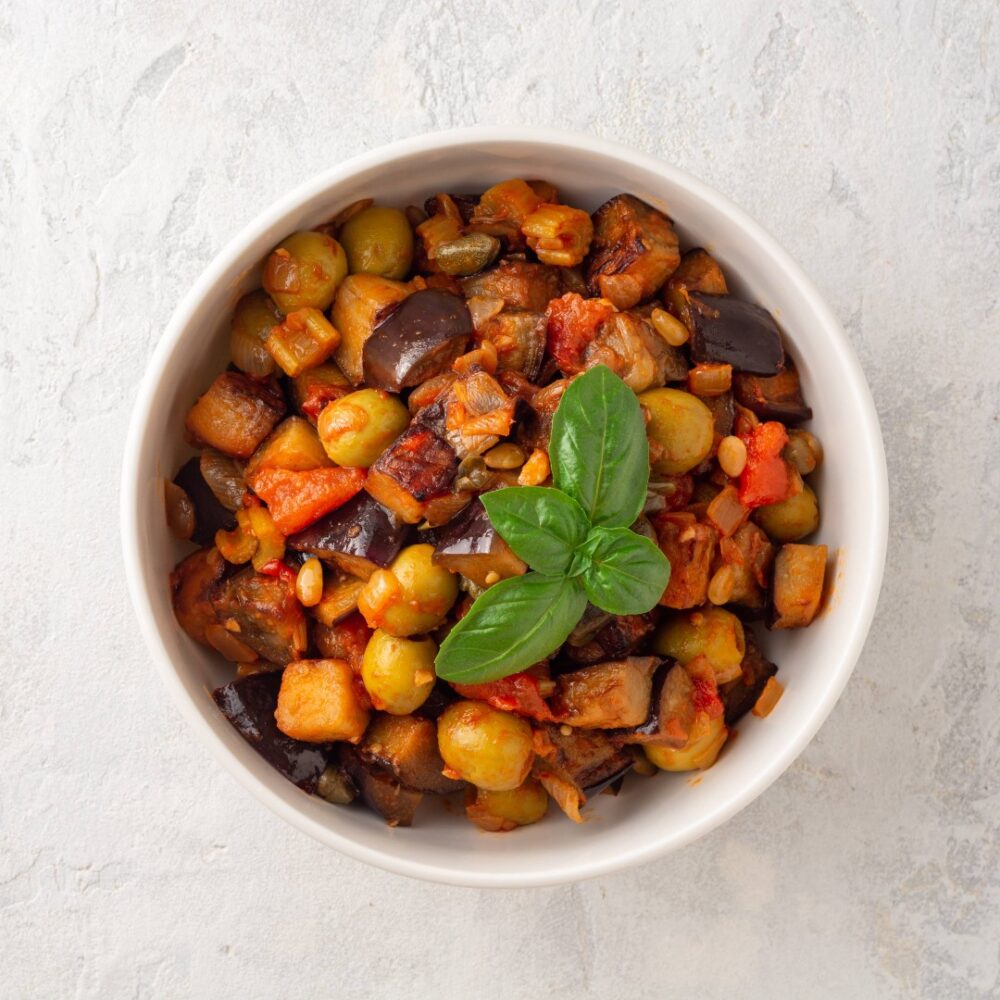
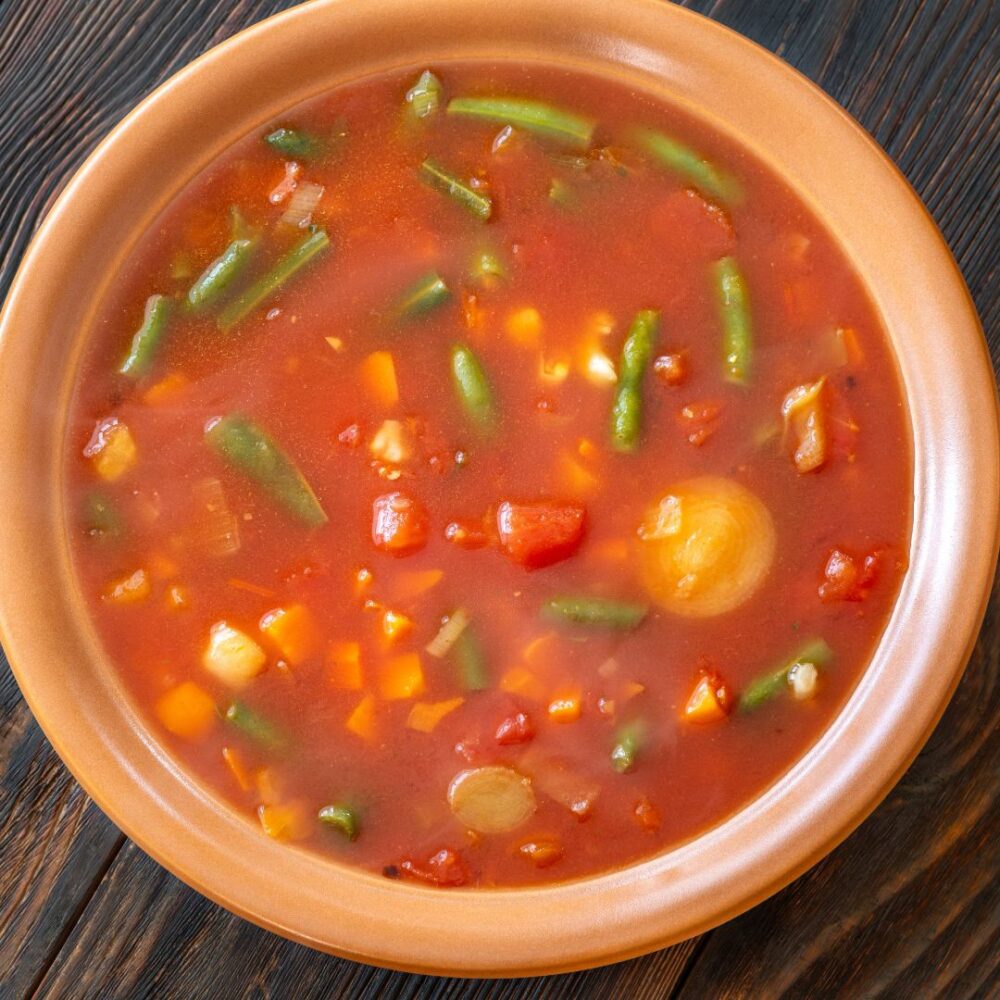
Simply grilled, roasted, or steamed seasonal vegetables are common in Malta. Salad is dominated by tomatoes, cucumbers, onions, bell peppers, and capers; olives also find their way into salads for a salty and briny flavor. Hearty additions of broad beans and lentils make salads more filling. Many produce dishes share similarities with Italian cuisine, like in kapunata (it. caponata – eggplant dish), or minestra (it. minestrone veggie soup).
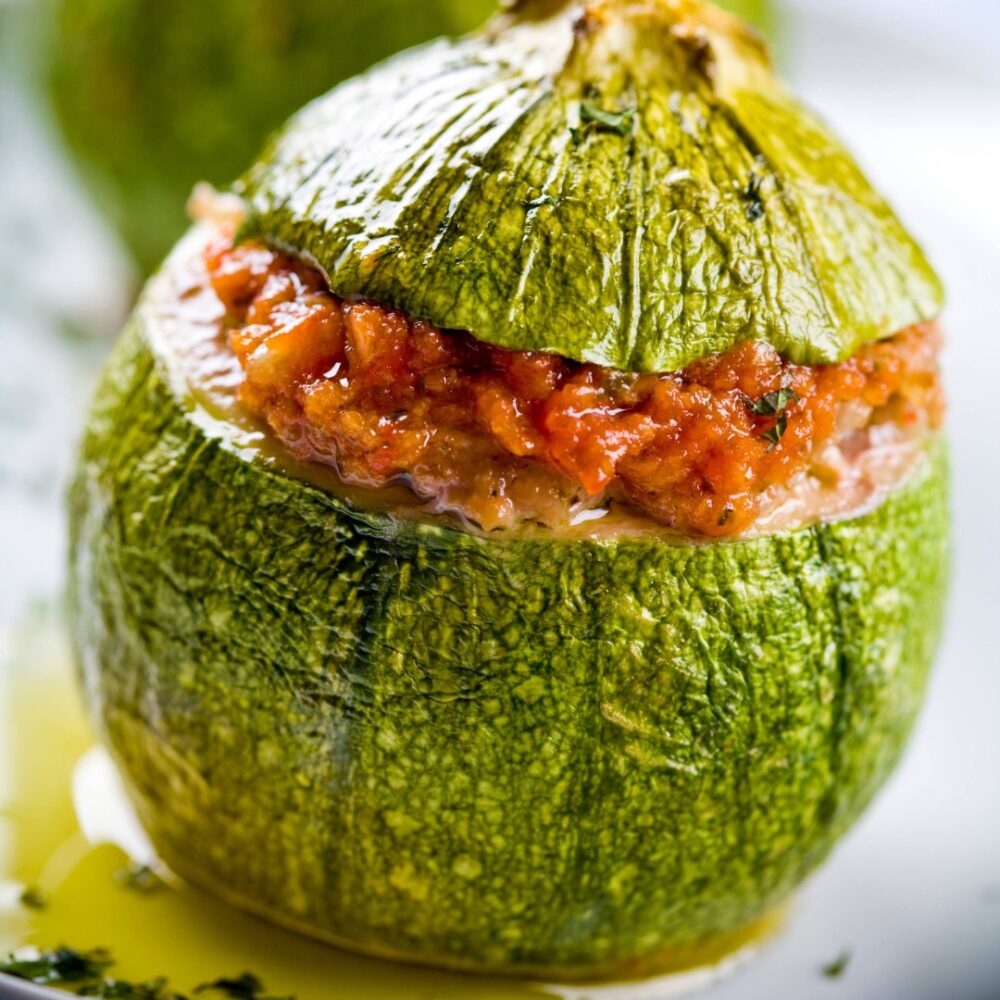
Stuffed vegetables, mimli, is a broader Mediterranean tradition, where tomatoes, bell peppers, zucchini, and eggplants are hollowed out and filled with various mixtures of pork sausage, beef, eggs, and local cheeses.
Unlike some cuisines that feature elaborate cooked fruit desserts, Maltese cuisine tends to focus on fresh fruits in their natural state. A common way to enjoy them is sliced, chilled, and served as a platter – stone fruit, figs, melons, pears, grapes, citrus, or pomegranates. Country is famous for its Malta bloods – oranges of deep red color, and juicy sweetness.
MEAT
Maltese cuisine is rather balanced in traditional meats, but it’s the rabbit that enjoys a national meat status. The story starts with the Phoenicians, who are believed to have brought rabbits to Malta around 3,600 years ago. Rabbits thrived in the countryside due to the lack of natural predators. The Order of Knights of the Hospital ruled Malta restricted rabbit hunting to protect the dwindling population (or just reserve it as a privileged sport for themselves). This angered Maltese locals, who saw this restriction as excessive control. Eating rabbits became a subtle form of resistance against the Knights. After the French occupation of Malta in the late 18th century, the restrictions on rabbit hunting were lifted. With the pressure off, the wild rabbit population rebounded, and the Maltese also began to domesticate rabbits, raising them alongside other livestock.
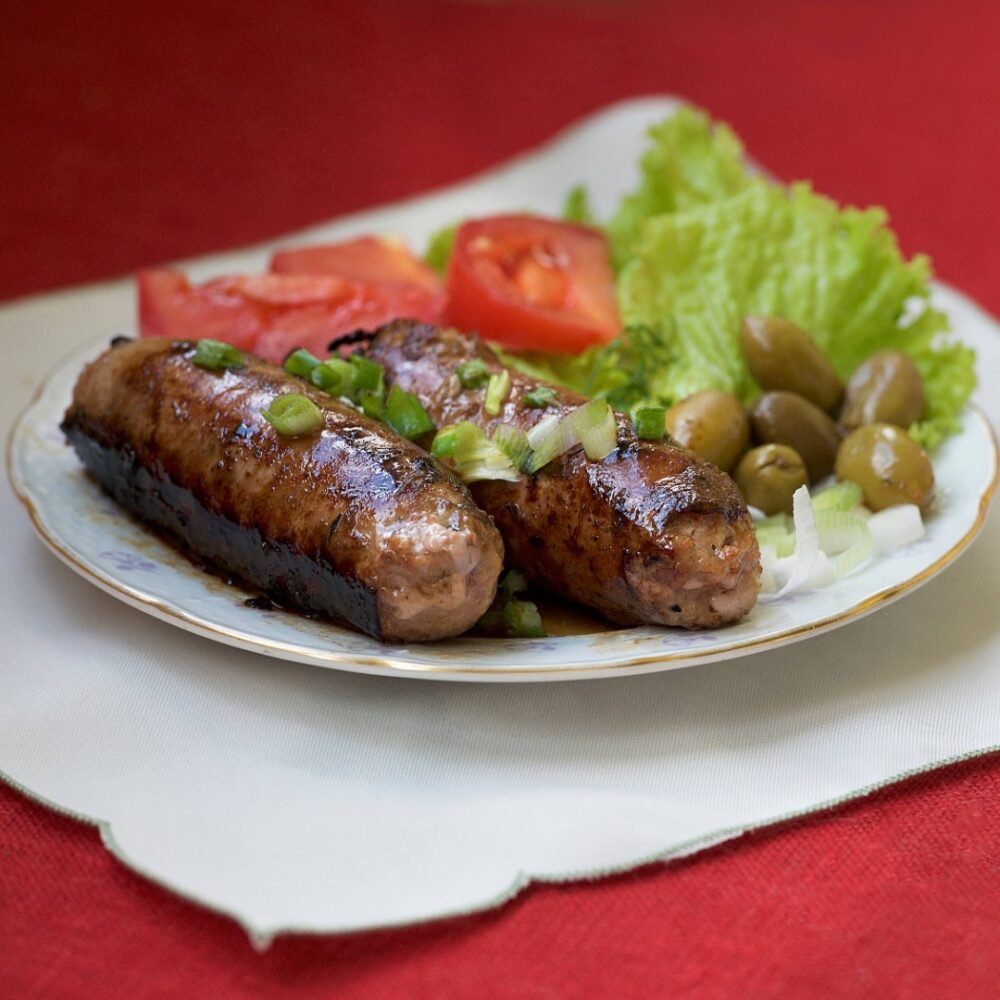
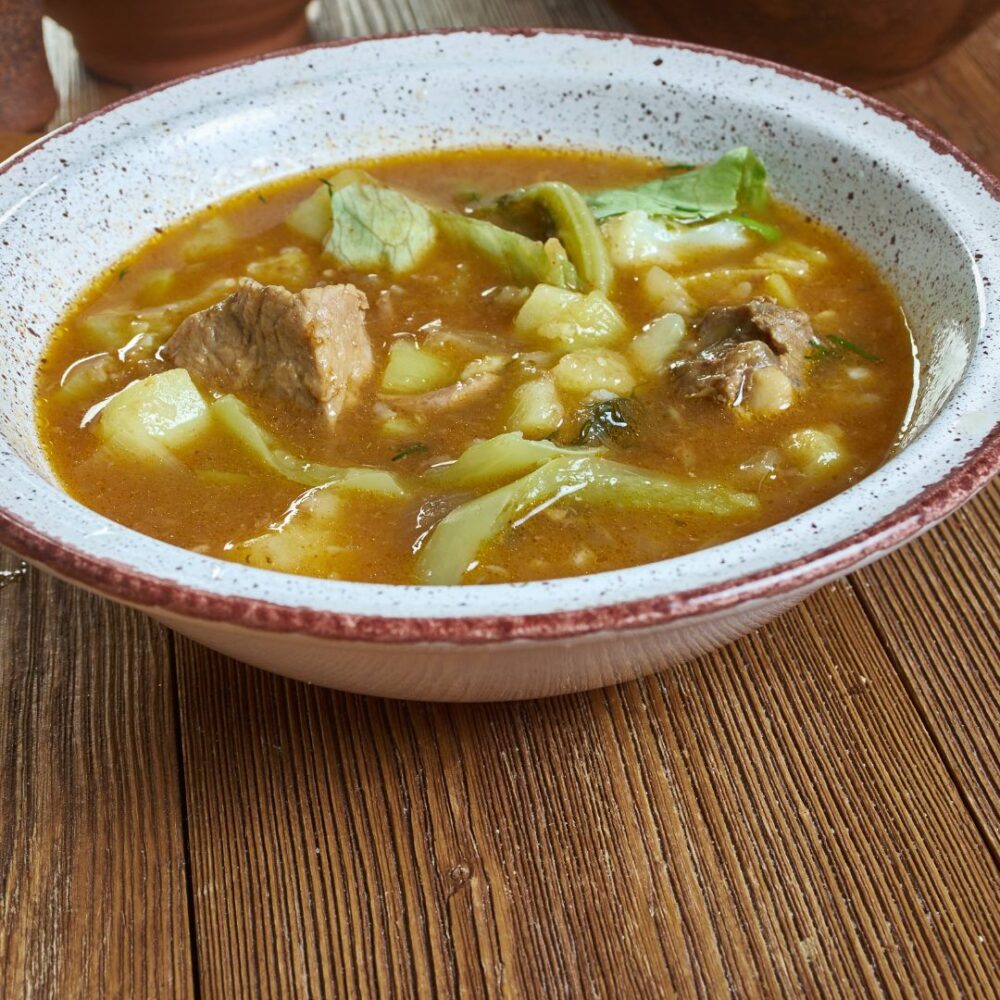
Poultry, beef and pork are rather common meats. Pork became a big part of Maltese cooking, possibly because Malta sat right at the border of the Christian world. Eating something that wasn’t allowed in Muslim food culture likely helped Maltese communities show they were different. People enjoye pork in many forms, from simple grilled cuts to stuffed flank, to local sausages. Home cooks often added a bit of pork to everyday dishes like kawlata, a vegetable soup, or ross il forn, a baked rice dish.
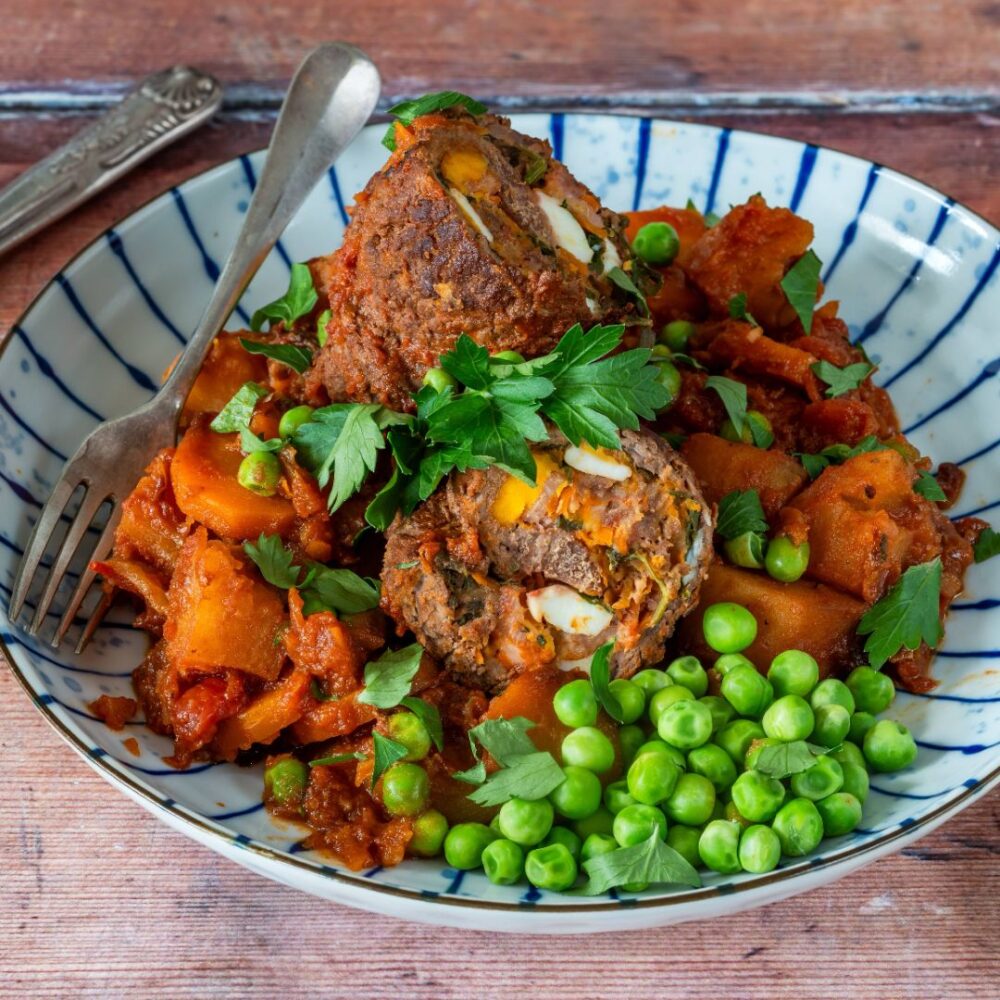
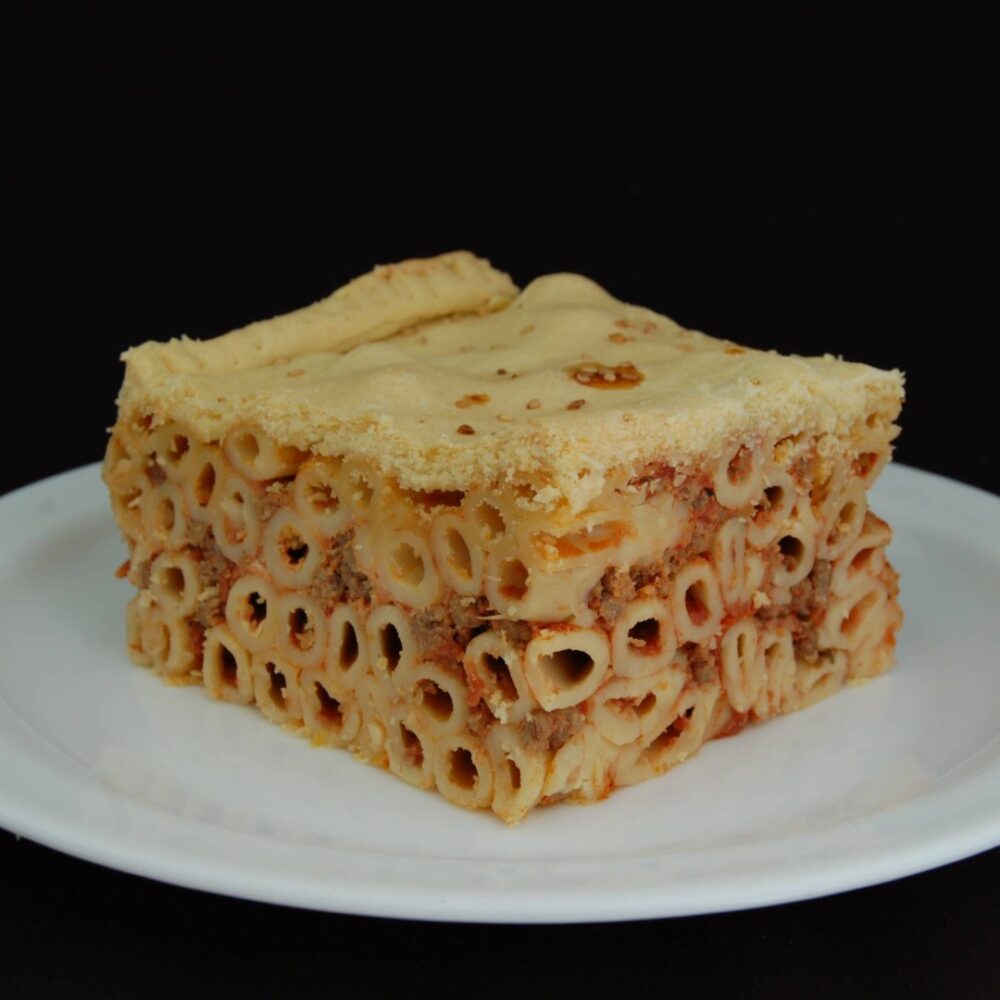
Beef features in signature dishes: bragioli (beef olives) wraps thin beef slices around stuffing that typically contains bacon, hard-boiled eggs, breadcrumbs, and herbs, then braises everything in red wine and tomato sauce. Beef mince fills stuffed vegetables like marrows and eggplants. Timpana, a baked pasta casserole enclosed in puff pastry, traditionally combines minced beef and pork with chicken liver and bacon.
Chicken appears more casually in home cooking. Bħal fil-forn, a traditional peasant dish, combines chicken, beef, or pork with potatoes in onion sauce.
FISH AND SEAFOOD
The quality of the fish and seafood in Malta has been outstanding. People rely on the daily catch, so dishes feature seasonal fish lampuki (mahi-mahi or dorado), octopus, swordfish, and small coastal fish. To flavor, cooks use ingredients that grow well on the islands: tomatoes, olives, capers, garlic, herbs and good olive oil.
Maltese seafood often includes garden vegetables, beans or potatoes. Lampuki pie is a great example: fish baked with spinach, mint, cauliflower, olives and pastry.
Rustic stews and broths play a big role. Aljotta is a fish soup with garlic, tomato and herbs that feels very “home kitchen”. Octopus and calamari get slow-cooked until tender. Tuna, anchovies, and other fish might be cured, salted, or packed in oil — a practical part of local flavors.
MILK AND DAIRY
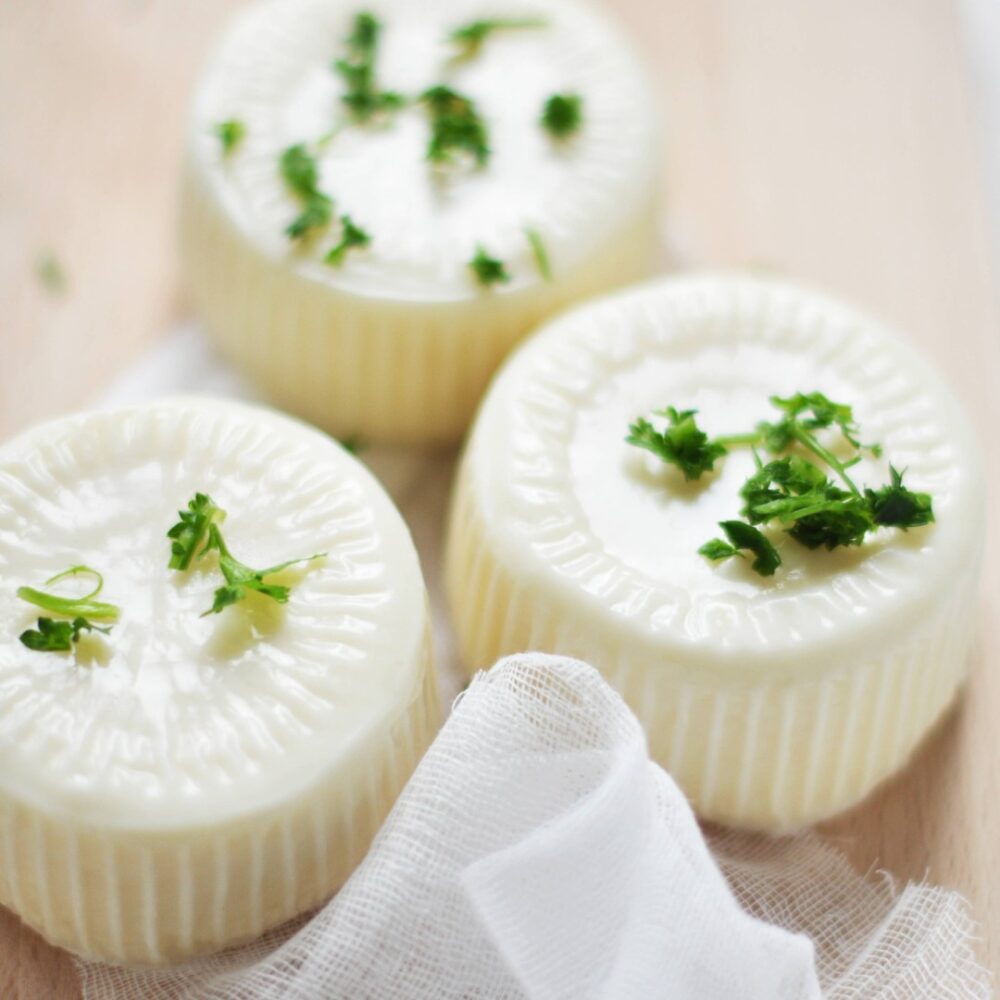
Milk consumption numbers bounce around from year to year, but overall consumption stays pretty high. Fresh cow’s milk is popular; ricotta is a major staple, alongside British cheddar and local gbejna (a small, round cheese made from sheep’s or goat’s milk). In some traditional soups, it is quite popular to add eggs and a lump of gbejna cheese. Yogurt is popular plain, with honey or fruits for breakfast.
DESSERTS
Figures indicate that sugar and sweetener consumption in Malta is one of Europe’s highest, a common trend among many developed countries. Its consumption can be attributed to various sources, primarily sugary sodas – it is estimated that Malta is the second highest per capita consumer of soft drinks. Kinnie is the popular local soda; it stands out from the generic drinks with its unique flavor of citrus and bitter herb undertones.
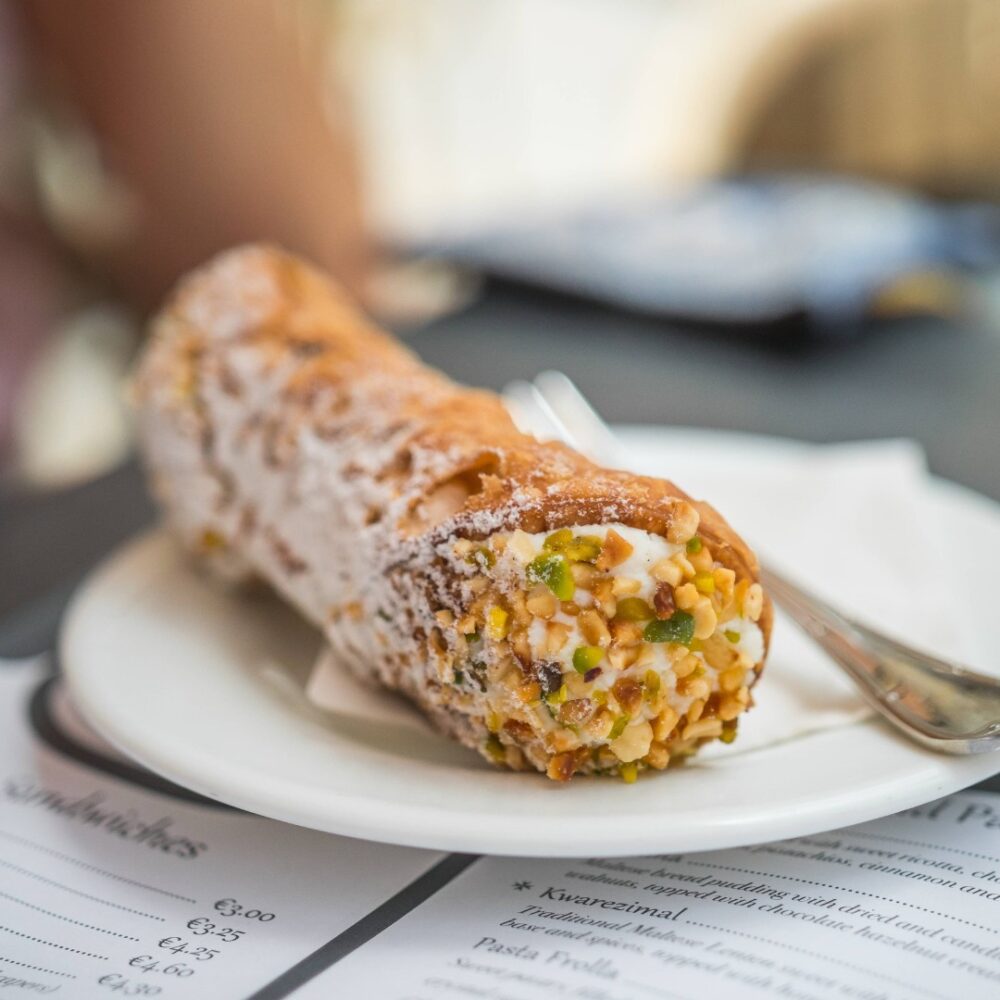
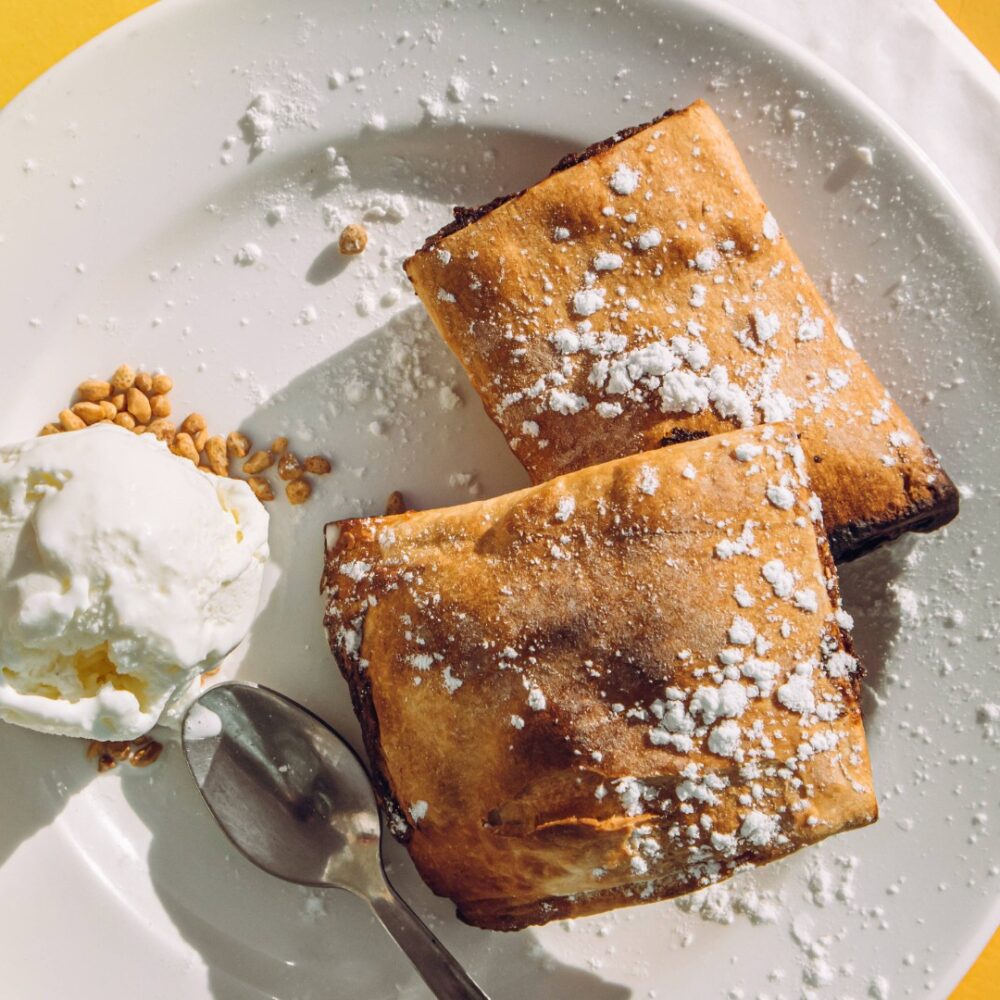
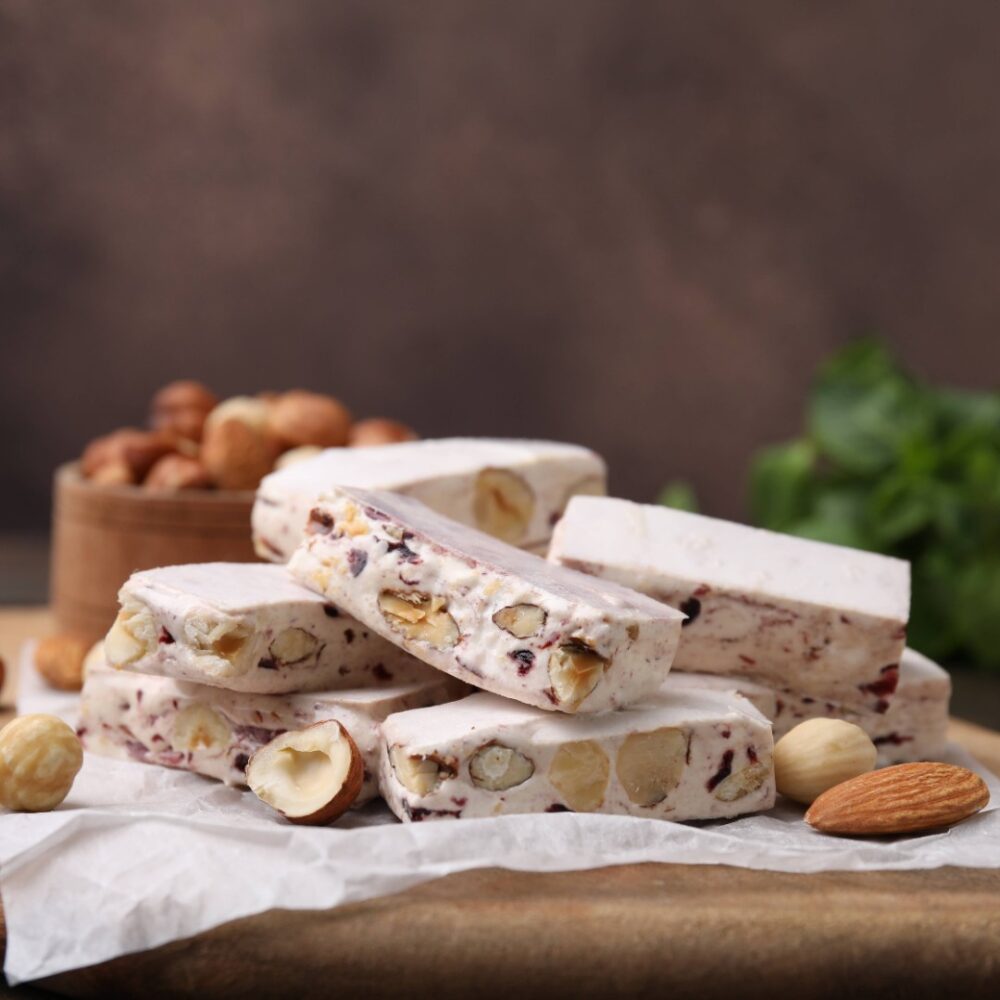
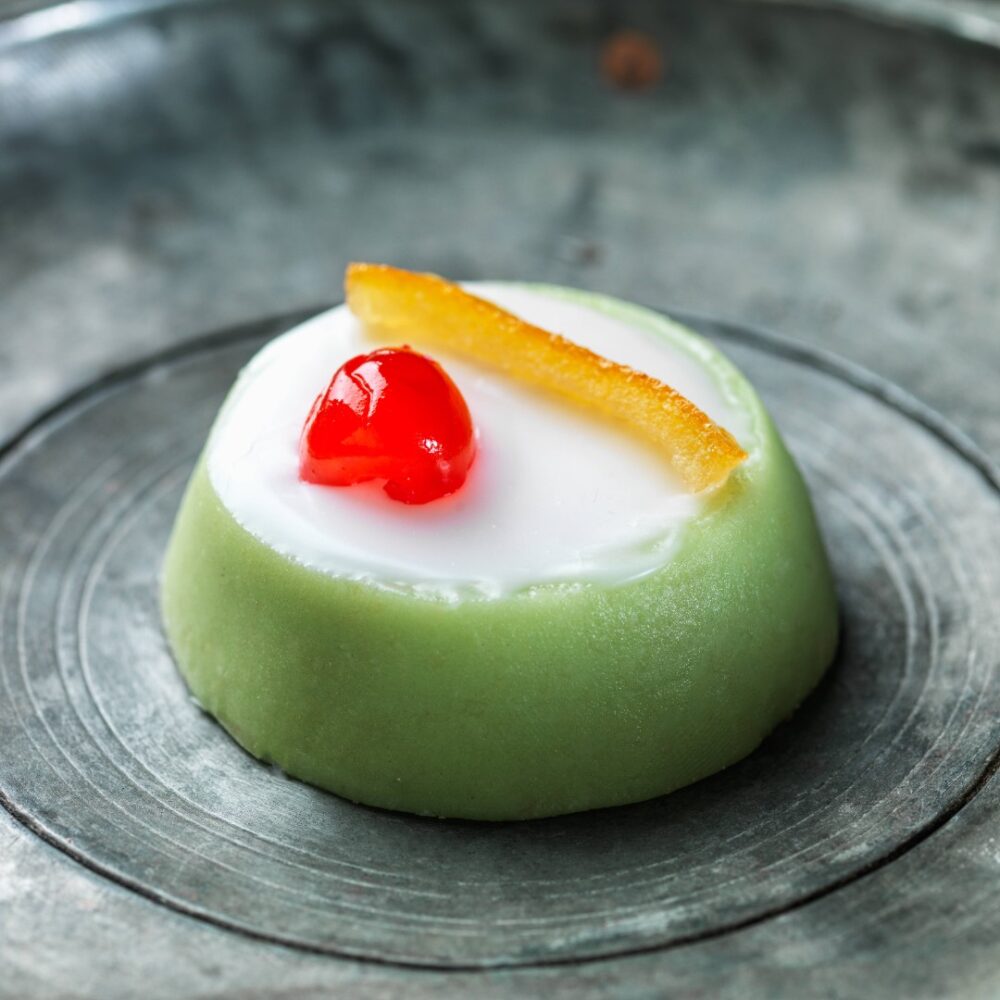
Maltese desserts can walk the line between sweet and savory, less heavily spiced than some neighboring regions: cinnamon might be used, stronger spices like cloves or cardamom are less common. Local honey, seasonal figs, dates, and citrus feature desserts. Ricotta cheese, with its creamy texture, is a frequent star. Pastries come in flaky and crispy. Overall, there’s a focus on contrasting and interesting textures.