THE ESSENCE OF ETHIOPIAN CUISINE
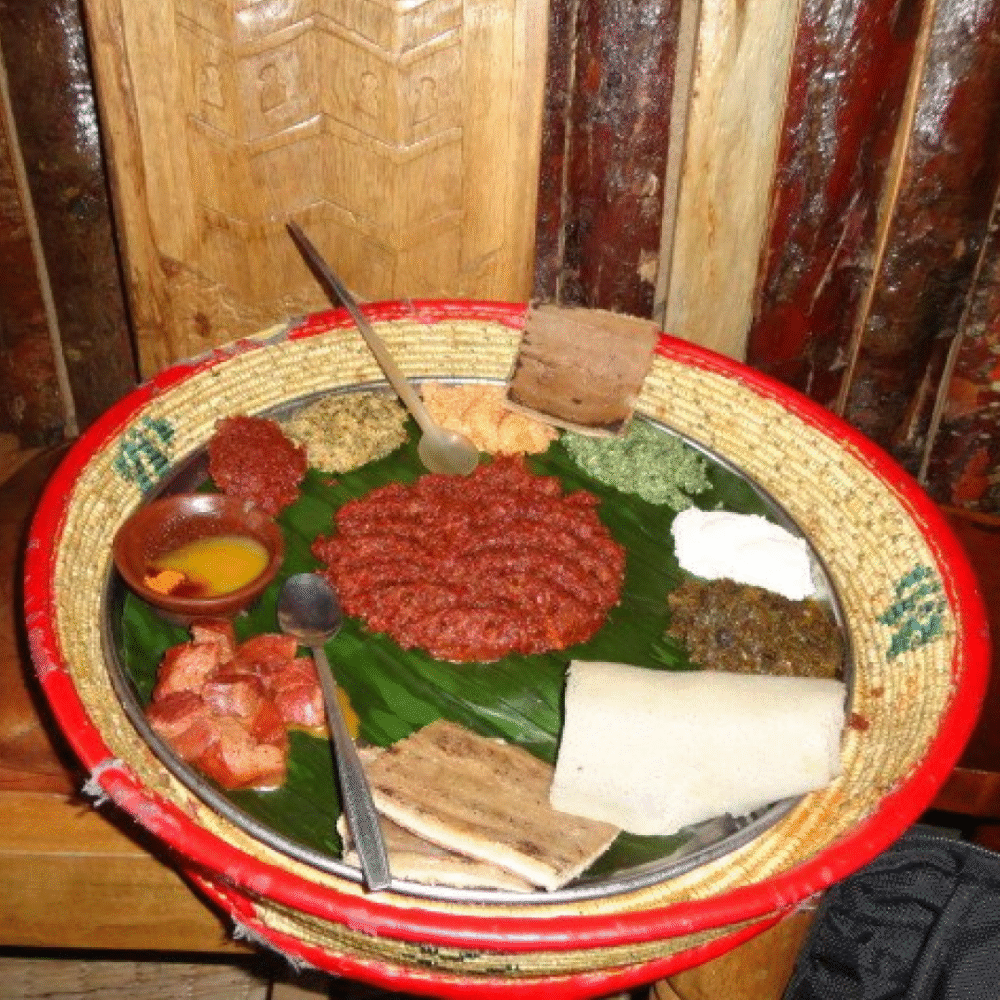
A visitor who arrives expecting Ethiopian food to be injera with lentils will be confused. Fermented enset bread, a plate of raw beef, coffee with butter, a drink of barley and fenugreek seeds. None of it is wrong, and all of it is Ethiopia. There are so many different tribes, and one needs to be an open person to embrace everything. The same dish can be welcome at one table and forbidden at the next, depending on who is sitting there. This is a land of extremes – of vegans and carnivores. Also, a place where food is eaten in its pure form – simple and minimally processed.
And yet, it does come back to injera.
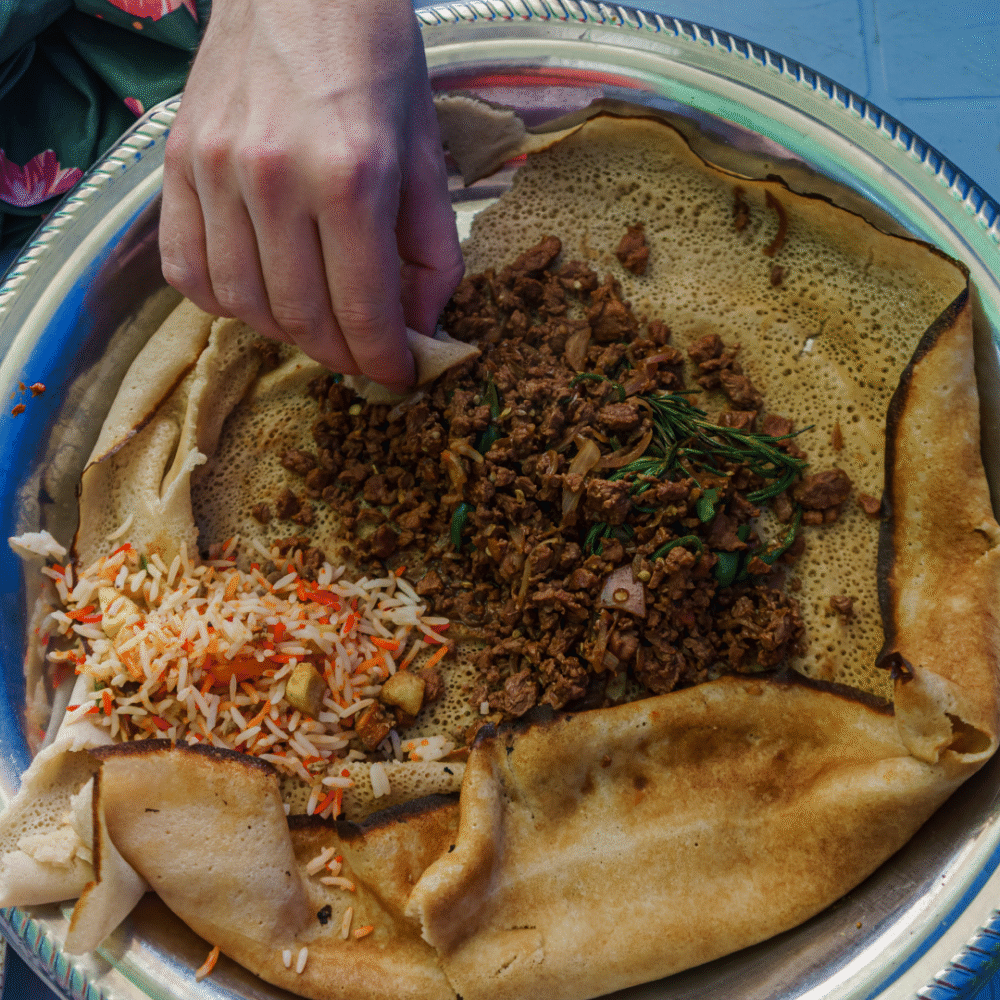
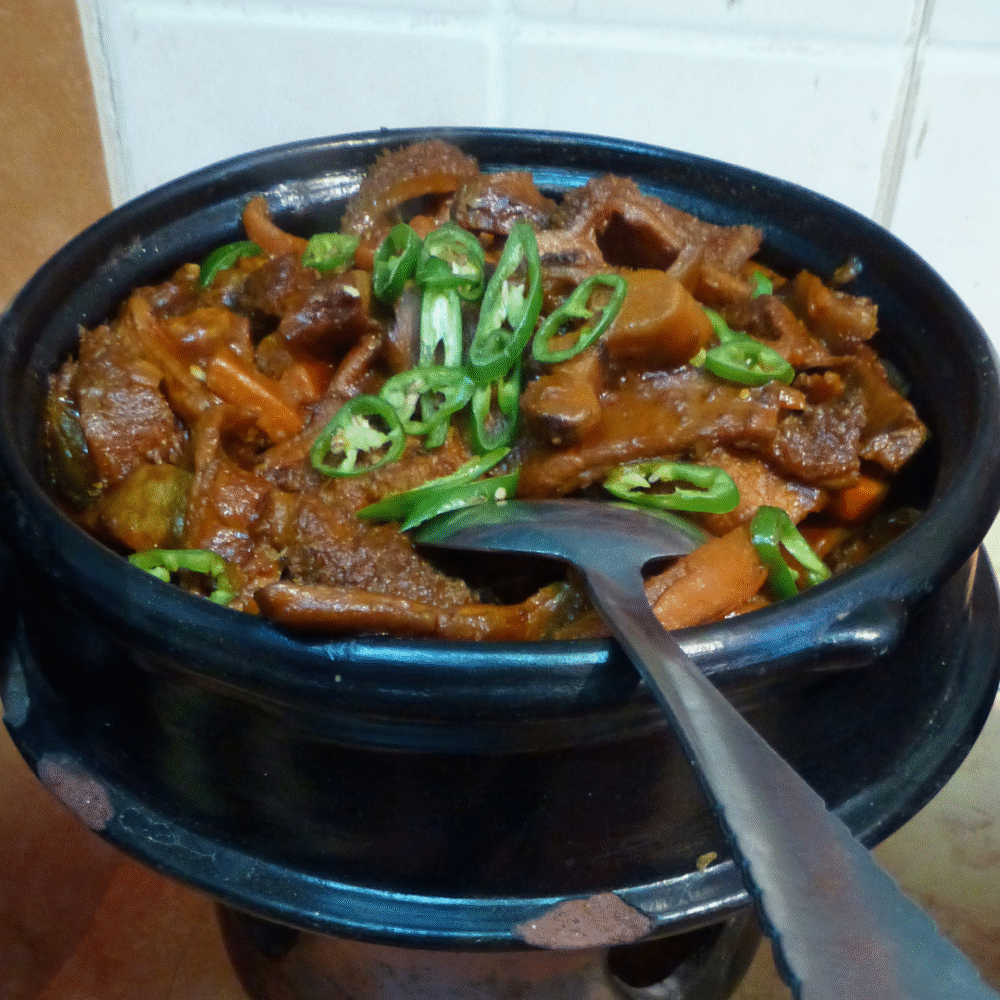
Food is served on a communal platter for all to share. Most meals are built around injera – a spongy, fermented teff (small ancient grain) flour flatbread. An assortment of different stews (wot / wat) on top follows. When one asks about the menu for a meal, the answer is often simply injera, because it is understood that stews will accompany it. Usually, a meal includes several vegetarian options and one meat stew. You can also opt for purely vegan option as this country has some of the best vegetarian food. Majority of stews are deliberately intense – spiced with the complex, earthy, hot spices.
Don’t be surprised to be fed in Ethiopia. Its the old tradition of gursha — the act of feeding another person a morsel by hand as a gesture of friendship and respect. Its the most profound expressions of culinary intimacy.
Flavor-wise, the cuisine is built around harmony. A few core spice blends run through most dishes, which are slow-cooked, soft in texture, and served warm. Rarely are there raw elements, sweetness in a savory dish, or crunch.
Ethiopian coffee is iconic in the world and very present locally – strong, fruity, floral, hand-picked. It is grown by small farmers, in forests or semi-wild conditions, using minimal chemicals, and therefore has a huge genetic diversity and many flavor variations. The traditional coffee ceremony is still common: fresh beans are roasted, ground with a pestle, and brewed, all infused with the aroma of smoke. Rue is sometimes added for fragrance. Also, salt is pretty common. Even butter. It brings out the dark flavor. Even coffee shells are consumed to achieve the cheap version of a caffeine kick. The taste, though, is more reminiscent of a tea than coffee.
GRAINS IN ETHIOPIAN CUISINE
Nearly 60% of the Ethiopian diet comes from grains, most of them grown locally and tied to place. Where other cuisines center on rice, bread, or noodles, Ethiopian cuisine centers on fermented grains, particularly injera, the teff flatbread that functions as both bread and plate.
Teff is a tiny, ancient, gluten-free whole grain native to Ethiopia, a nutrient-dense superfood. Smaller than a poppy seed, it has a mild, earthy, and nutty flavor. It is a staple crop in Ethiopia and Eritrea, where it is a vital part of the diet. Teff has traveled with local diaspora and can now be found in the US, the United Kingdom, and Israel, but it is still very niche compared to other grains.
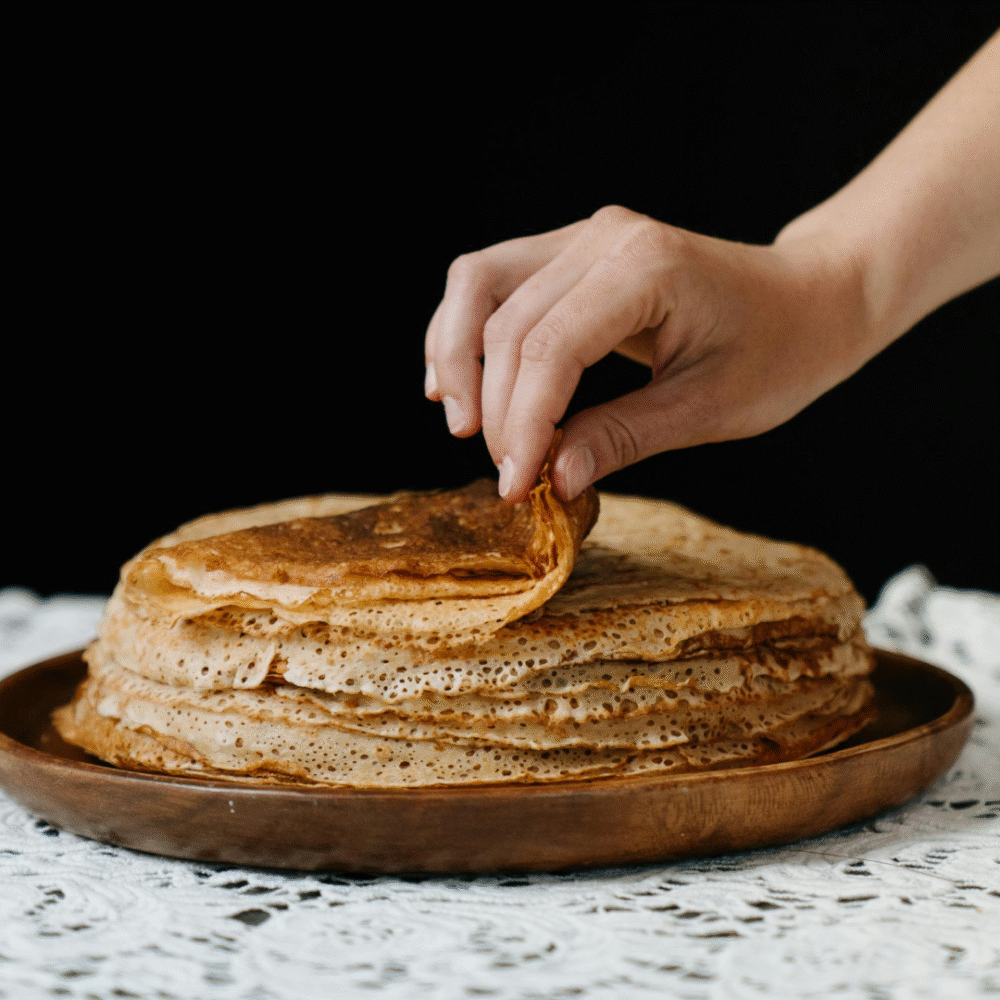
Injera is no ordinary crepe, even if it looks like one. A big pancake, bread actually, with tiny wholes in it, chewy and elastic. When preparing it, it’s all about the batter, which may be made from maize and teff. People fermented it at least for a day, and more, 2-3 days to achieve the sourness, which people love. It is also a utensil to scoop everything.
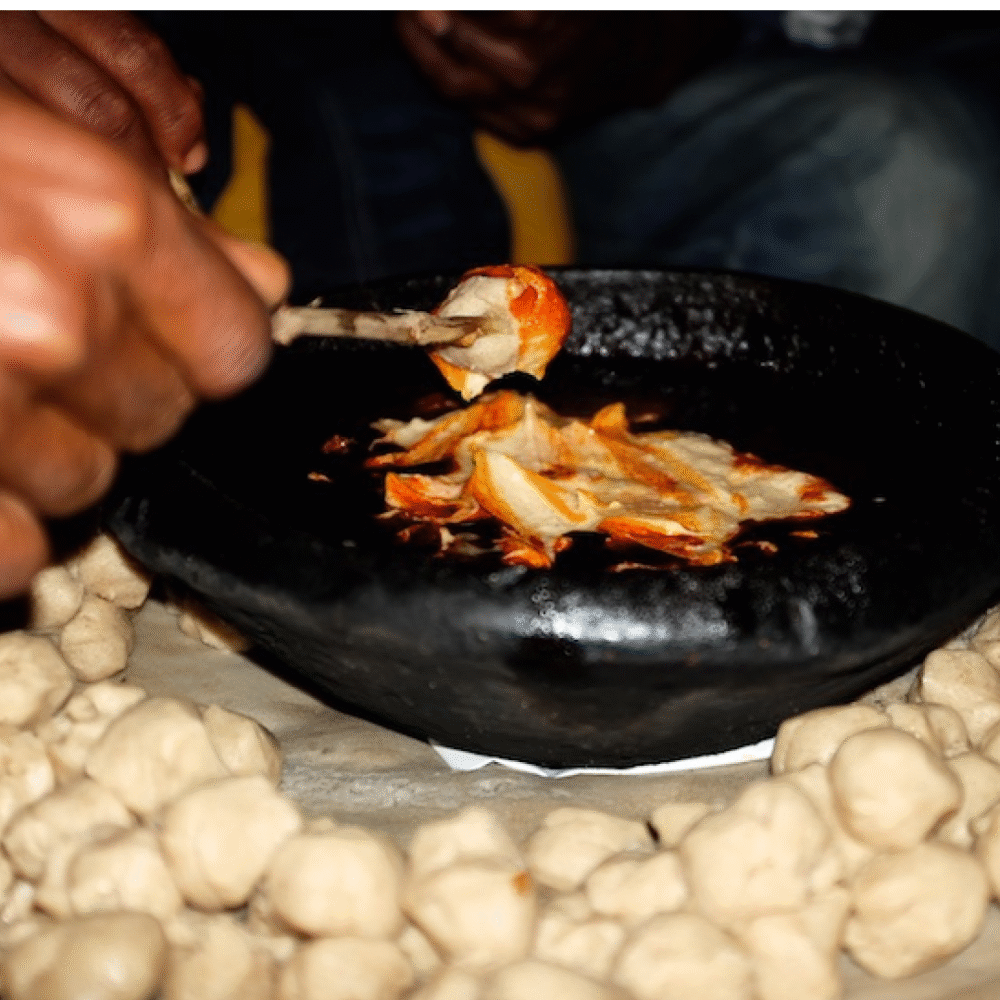
Most people assume injera is universal, but it is not. Southern groups like the Gurage use kocho. It is a fermented flatbread made from enset, a false banana tree, which is also a staple for over 20 million people. It is a massive herb that provides year-round food security and earns the nickname “tree against hunger”. This plant is harvested; the starch-rich parts are pulverized into a mash, which is buried and fermented for months. Fermented mass is pressed and griddled into a dense, slightly sour flatbread kocho.
Maize is widely consumed: boiled nifro snack for a light meal, porridge genfo for breakfast, kitta, a pan-cooked flat bread. Maize does not define the cuisine the way it does in Mexico, or in southern and eastern Africa’s Malawi, Zimbabwe, and Kenya. But it is important for food security. They don’t carry the layered spice logic (berbere, stews) the way injera-based meals do; that’s why they may feel less representative of the cuisine, even if widely eaten.
Spaghetti and macaroni are now popular staple foods in Ethiopia, served with local ragouts as well as tomato or Bolognese sauce. Pasta is easy to find in Addis Ababa, and consumption is spreading to smaller cities. All this is due in part to the brief Italian occupation from 1935 to 1941. One version of an injera meal features a portion of spaghetti Bolognese, sometimes with berbere mixed into the sauce, placed in the center of injera and eaten by hand.
PRODUCE IN ETHIOPIAN CUISINE
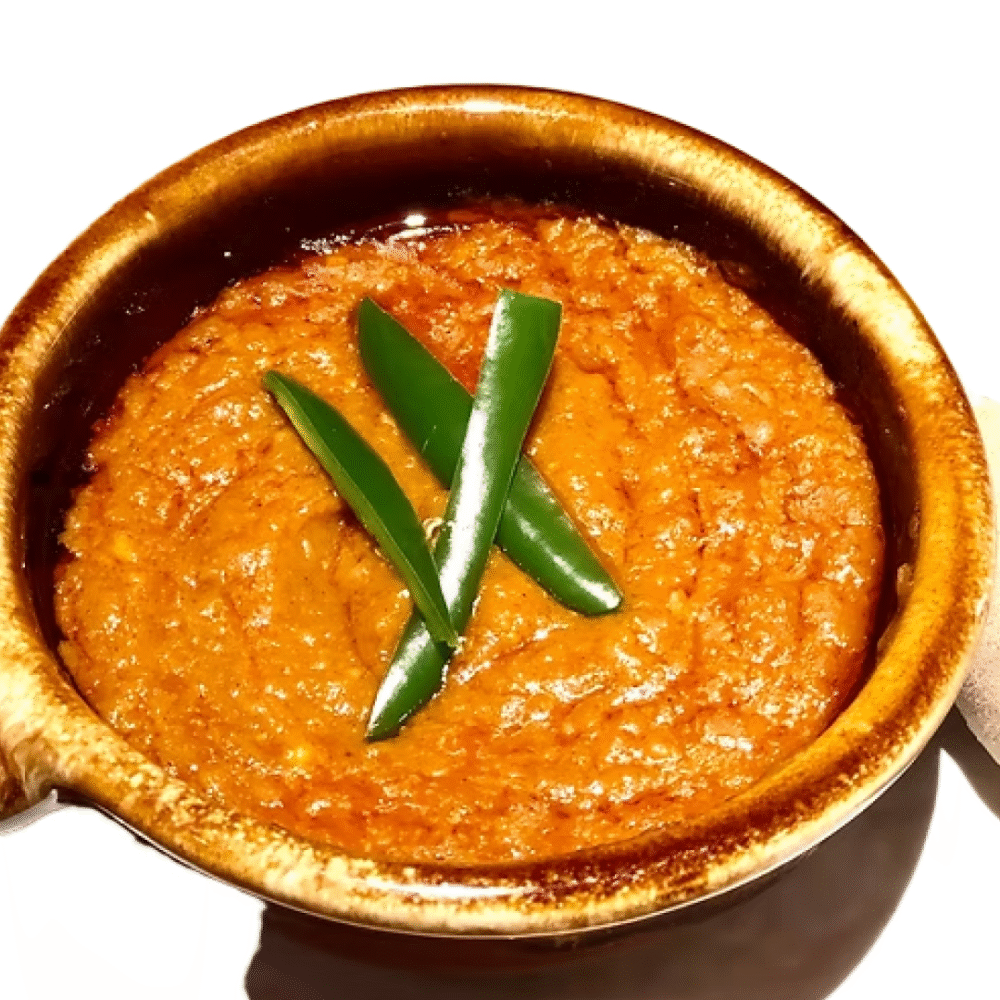
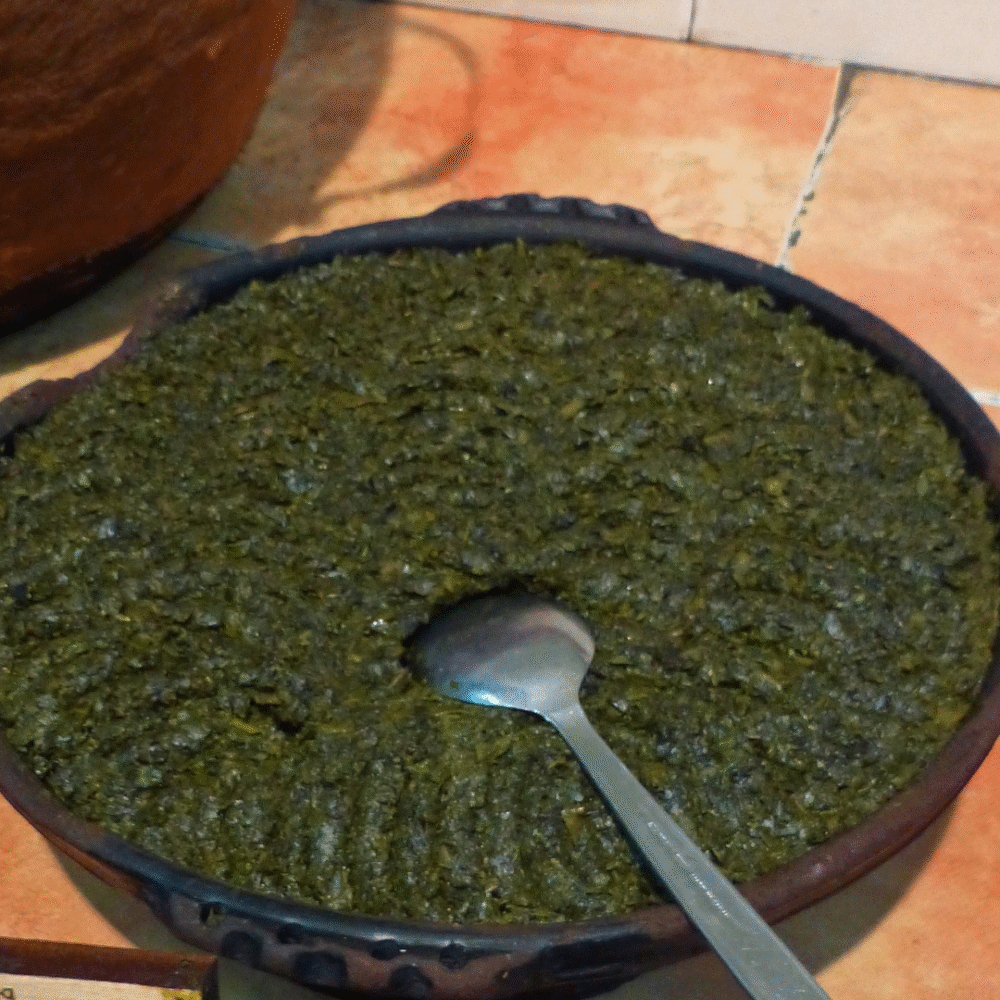
Vegetables in Ethiopian cooking are rarely the focus of their own. They are carriers of spices: berbere spice mix, niter kibbeh (spiced clarified butter), awaze spice paste. When lentils, cabbage, collard greens, or split peas are cooked, you don’t taste cabbage; you taste fragrant cabbage stew with turmeric and onion. Raw vegetables are nearly absent in traditional cooking. No extensive salad culture, except for timatim (tomato) salad and azifa (green lentil) salad, which provide a fresh contrast to heavy dishes. There’s also very little dairy in the vegetable dishes – Ethiopian fasting food is effectively vegan.
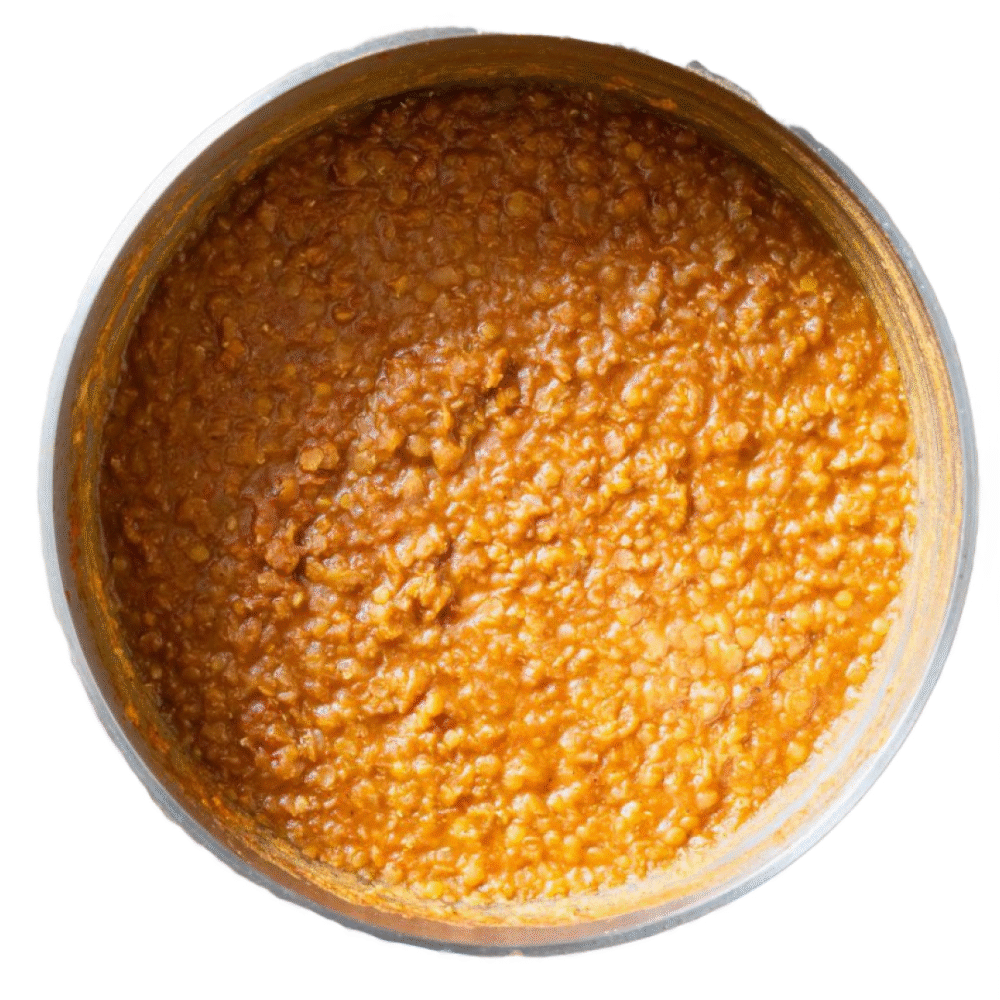
Legumes are treated as seriously as meat. Misir red lentils, shiro ground chickpeas, and ater split peas stews are full dishes, built with the same layering of spice you’d give a meat stew. All of them can frequently be found on beyainatu, a traditional vegan platter, a bit of every type of assorted stews on injera. It’s designed to be meatless, but there is no sense of anything missing because of the different flavors and textures.
Fresh fruit is common in daily life, but rarely part of dishes. Fruits are eaten as snacks, breakfast, or after meals, but not mixed into stews (wats) or main plates. However, fresh, layered juice or smoothies are present – mango, avocado, pineapple, papaya, orange, and strawberry are layered into colorful desserts.
MEAT IN ETHIOPIAN CUISINE
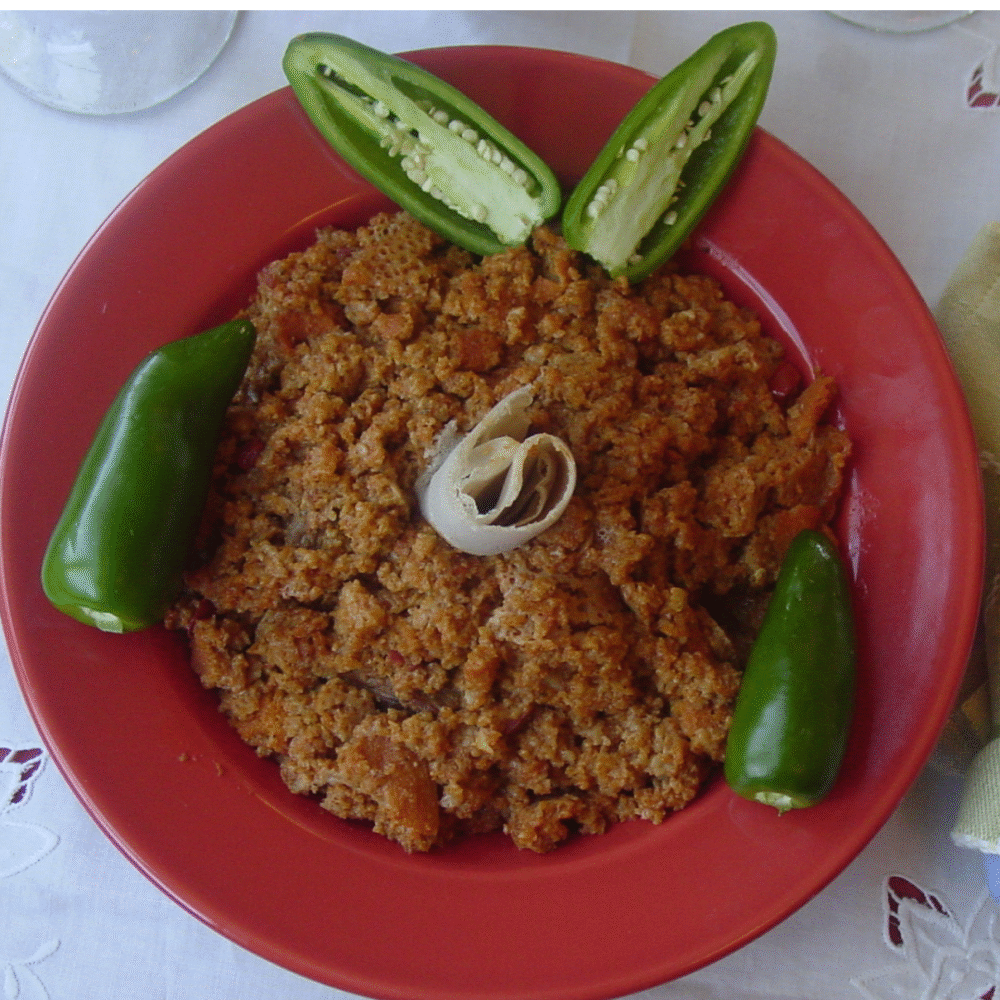
When people are not eating plants, they’re eating beef. Or goat. When fasting ends, meat returns more — but rarely as an everyday habit. Meat stays limited by cost and availability, yet for many Ethiopians, fresh raw meat is a delicacy and speciality. Siga bet – fresh beef house – restaurants will have a butcher counter where you can select your cut and have a bite immediately, that will be a bite of tere siga – raw meat.
Why raw? First off, it’s for a ritual called q’wirt. One Ethiopian described it this way: “The cutting is part of the ceremony. You don’t want someone else’s filthy hands touching it.” Also, after fasting with no animal products, meat becomes significant precisely because Ethiopians spend so much of the year avoiding meat entirely. Raw meat at a celebration is a full release from that restraint. Even offal is eaten raw as well – the kidneys, heart, liver, even stomach. As the milk is shared between the tribe members, so is the blood of a freshly slaughtered animal. Every calorie matters, and blood is full of minerals and nutrients. The whole animal is then grilled over the hot embers.
A national Ethiopian dish is a doro wat – tender chicken in fresh sauce, simmered for a few hours in berbere spices, with boiled eggs added at the end. Heavy, oily, flavorful, thick. Served on top of injera, usually very spicy. For doro wat, men do the slaughtering after a blessing, but only women are allowed to cook it.
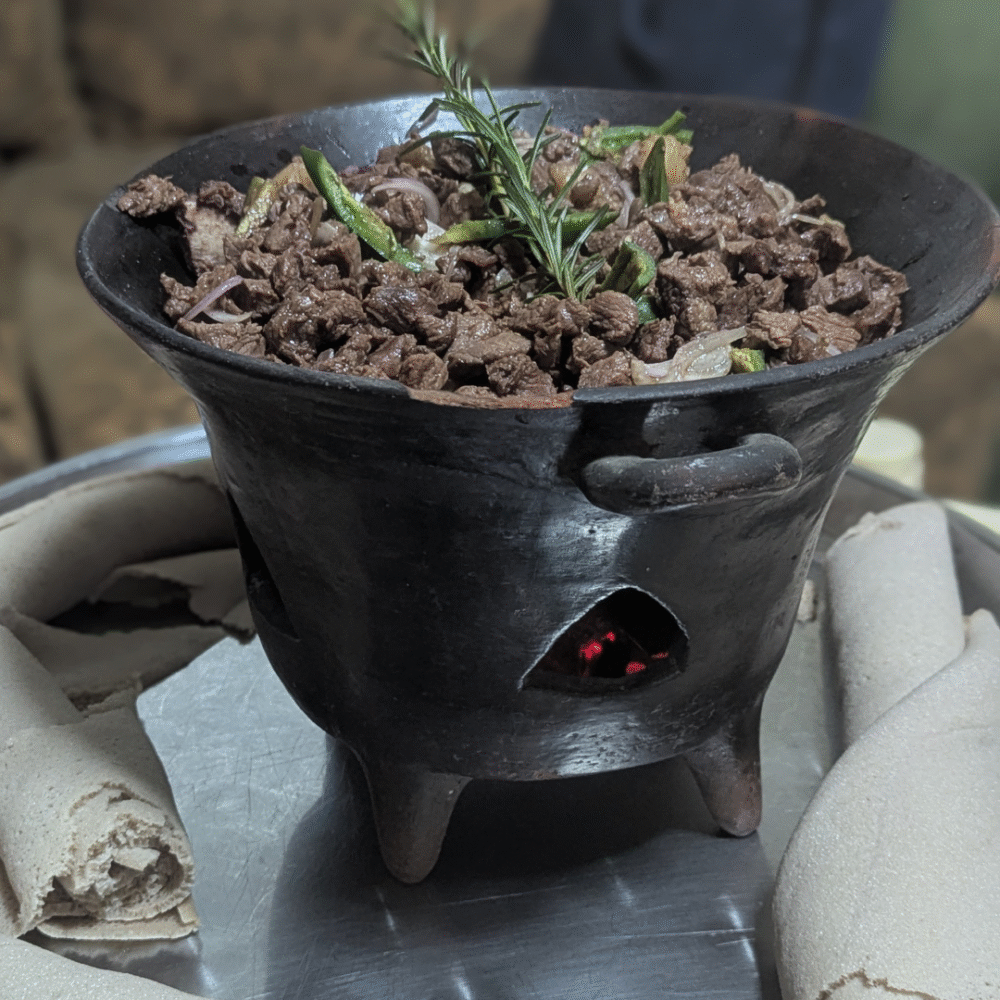
One of the few Ethiopian dishes that isn’t slow-cooked for hours is tibs. Meat for tibs is seared quickly over high heat, which gives it some texture and char. Historically, it was for special guests, as a gesture of respect. Over time, it became more for everyday, but it still appears at holiday tables.
FISH AND SEAFOOD IN ETHIOPIAN CUISINE
Fish is not central to Ethiopian cuisine, and that makes geographic sense. Ethiopia is landlocked. But it’s not absent either. Where fish is available and affordable, people eat it. Where it isn’t, they don’t think about it much.
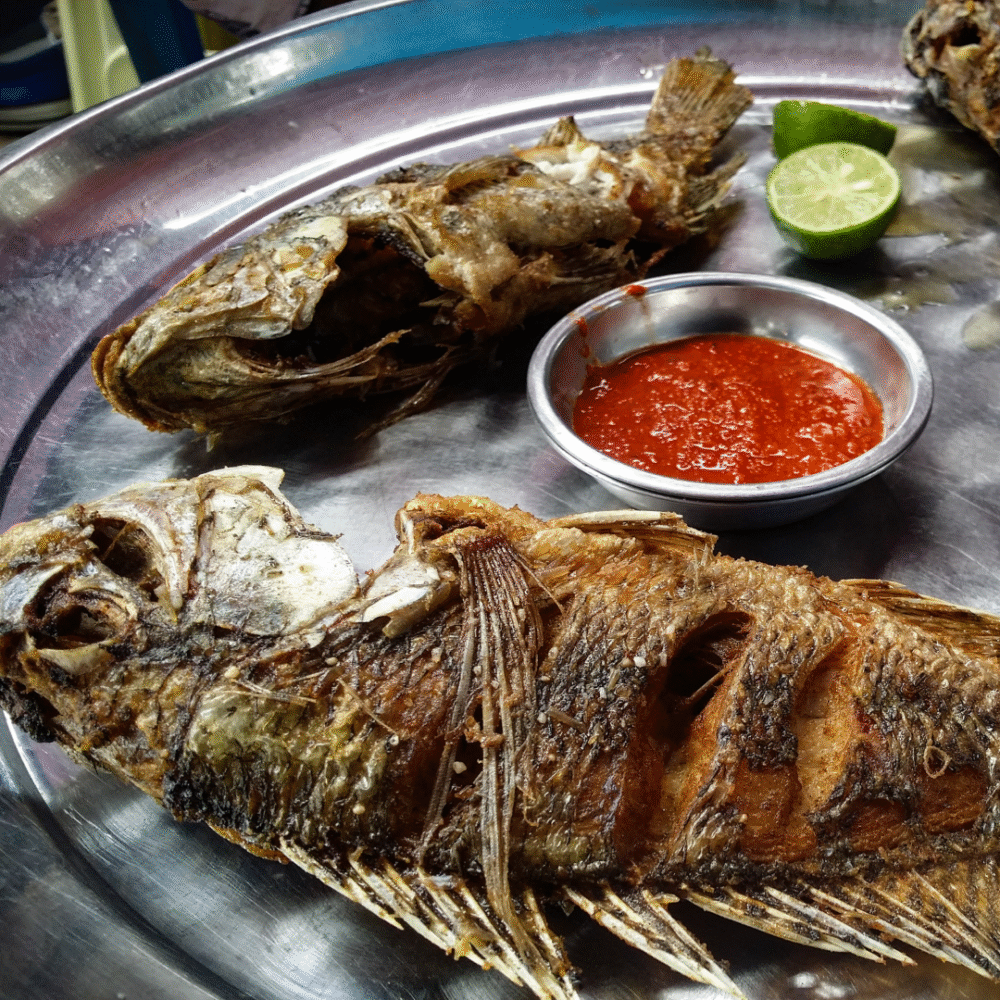
The country has an extensive network of lakes and rivers. Nile tilapia is the most commercially important species, covering more than half of the total catch. Nile perch is also caught in significant quantities in southern lakes. The main preparations are asa tibs, which is fish fried or sautéed with berbere, and asa wat, a fish stew built the same way as meat stews, with the same spice logic. Asa tibs is particularly favored during Orthodox fasting.
EGGS AND DAIRY IN ETHIOPIAN CUISINE
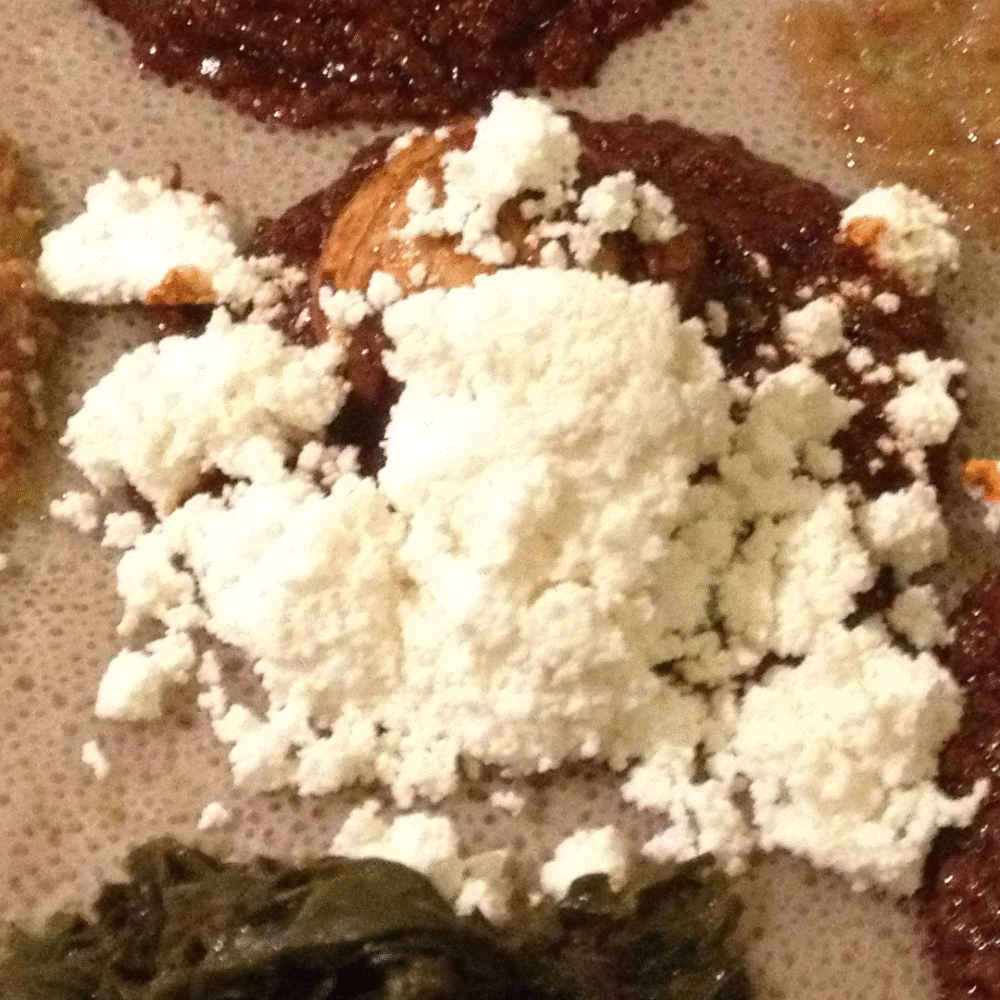
The cheese in Ethiopia is ayib. It’s fresh, mild, and crumbly, similar in texture to cottage cheese. Its main job is to cool and balance the heat of spiciness alongside kitfo or spicy stews. It’s deliberately low in flavor so it doesn’t compete, just tempers. There’s no aged cheese tradition, no cheese culture in the European sense. Yogurt exists but isn’t central.
FATS AND SUGARS IN ETHIOPIAN CUISINE
The most important fat is niter kibbeh, spiced clarified butter. It’s infused with garlic, ginger, and a bunch of spices and runs through a large part of Ethiopian cooking. It’s not eaten on its own; it’s a cooking medium and flavor base. The version using vegetable oil instead of butter is called yeqimem zeyet.
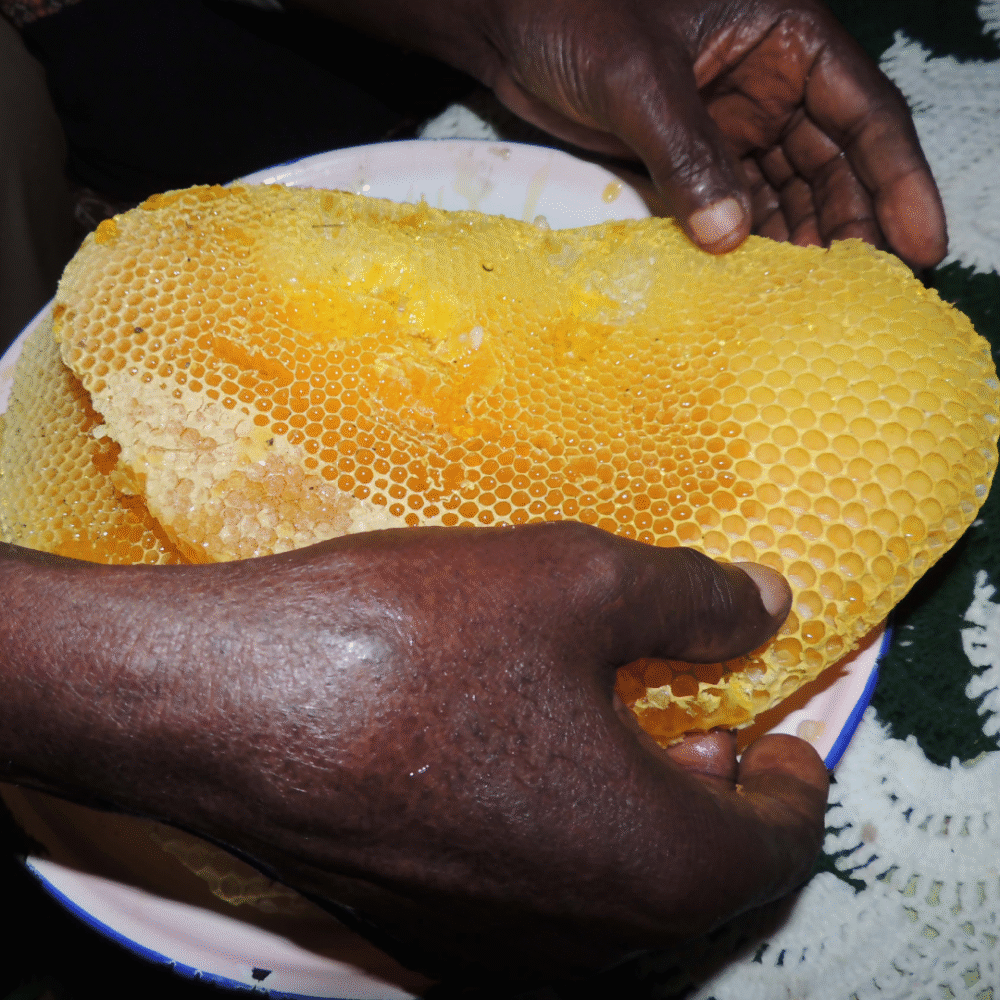
Dessert is not really part of traditional Ethiopian cuisine; there is no word for it in local languages. Historically, the after-dinner treat was tej, honey wine, or talla, a traditional grainy beer. Sweet was something you drank, not ate.
What does exist are grain-based snacks and breads that sit somewhere between food and sweet. Beso is barley powder with butter and a pinch of spice, common for children’s breakfasts. Kolo is roasted barley and chickpeas with butter. Katenga is the last piece of injera smeared with berbere and butter, reserved as a small treat. None of these are desserts in the Western sense. They’re simple, mildly sweet, and grain-based dishes.
What changed things was the arrival of Italian and Greek bakeries in the 20th century. Tiramisu, baklava, and simple pastries became part of urban food culture, particularly in Addis Ababa. These aren’t Ethiopian inventions, but they’ve been absorbed.