Quantifying culinary diversity across countries.

Argentinia food: discover traditional cuisine

About country

Culinary influences

Staple ingredients

Key flavorings

Iconic dishes

Argentina is vast. Nearly 2.8 million square kilometers, stretching over subtropical forests in the north down to windy steppes in the south. The highest mountains in the Americas are wedged along the western edge. Most of its 46 million people live in cities; nearly half are crowded into Buenos Aires and its surrounding province.

What sets Argentina apart from most of its neighbors is the sheer number of Europeans who made it their home. Between 1857 and 1940, roughly 6.6 million people arrived from Italy, Spain, and elsewhere in Europe – a migration wave second only to the United States in scale. Argentina’s population is about 97% European or mixed European-Indigenous by ancestry, and Indigenous heritage runs within that mixed group. Genetic studies estimate 30 to 56% of Argentines carry some Indigenous ancestry, yet just 2.8% identify as indigenous today, since most people with that ancestry think of themselves as simply Argentine. Catholicism is the dominant religion, though secularism is widespread.

Buenos Aires exploded from a colonial town of 40,000 into a booming city. It shipped beef and grain worldwide and made Argentina one of the wealthier nations in Latin America. That agricultural dependence has left the economy vulnerable: droughts devastate harvests, export prices fluctuate, and inflation has repeatedly destabilized living standards. But farming and ranching remain the backbone of what Argentina produces and sells.

5 most similar countries by ingredients

5 least similar countries by ingredients

Country Food Similarity Index https://objectivelists.com/country-food-similarity-index/
Argentine cuisine comparisons

Icon
GEOGRAPHY AND CLIMATE
WET EAST, DRY WEST, WARM NORTH, COLD SOUTH

– Climate ranges from subtropical in the north to cold in the far south
– Most farming lies in the wetter central and eastern lowlands
– In the Andean west, agriculture is substantial in irrigated valleys and oases.
– In Patagonia, crop farming is limited because of aridity, cold and wind

FERTILE CENTRAL PLAINS — THE PAMPAS

– Fertile grasslands form Argentina’s main farming region
– They support wheat, maize, soybeans and cattle

ANDES AND THE DRY WEST

– The Andes leave much of western Argentina dry
– Snowmelt irrigation allows grapes, fruit and vegetables to grow in western valleys
– In the high, colder northwest, potatoes, maize, quinoa, llamas and goats, which are better suited to the conditions

WARM, HUMID NORTHEAST

– This corner of the country is far wetter and warmer than the rest
– Those conditions suit yerba mate, rice and citrus

COLD, DRY PATAGONIA

– The far south is cold, dry and windswept
– Sparse grassland there suits sheep grazing better than crops

KEY PRODUCTS

Grains: maize, wheat, barley, rice
Oilseeds: soybeans, sunflower, peanuts
Fruit: grapes, lemons, oranges, apples, pears
Other crops: yerba mate, sugar cane, potatoes
Livestock: cattle, sheep, poultry
Fisheries: hake, squid, shrimp

Icon
INTERNAL FOUNDATIONS
INDIGENOUS ANDEAN SOCIETIES

– Northwestern peoples cultivated maize, beans, squash, potatoes, and quinoa
– Maize was cooked into stews, fillings, and doughs, surviving today in locro, humita, and tamales

GAUCHO CATTLE ECONOMY 17-19c

– The Spanish introduced cattle in the 16th century
– Cattle created unusually high access to meat, which became a central food
– Whole cuts roasted over open coals became common – the origin of asado
– Gaucho (skilled cattle herders) later impacted Argentine national imagery

BEEF BECOMES AN INDUSTRY 19-20c

– Fenced ranches, improved cattle breeds and railways transformed Pampas ranching
– Meatpacking plants first produced salted, later chilled and frozen beef
– Beef became central export and everyday diet

REGIONAL FOOD BECOMES NATIONAL

– Migration to Buenos Aires brought regional dishes to the capital
– Restaurants, media and internal migration spread them to a wide national audience
– Locro, originally Andean, spread and became associated with holidays
– Urban parrillas (grill houses) carried rural grilling into the city

YERBA MATE BECOMES EVERYDAY

– Guaraní peoples used yerba mate before Spanish colonization
– Its caffeine content sits close to coffee’s
– Spanish adopted it, learned to cultivate it, and carried yerba beyond its growing zone
– Grown regionally, it stayed far cheaper than tea or coffee
– Association with gauchos and national identity helped mate survive competition from other drinks
– Today mate is consumed across Argentina

Icon
EXTERNAL INFLUENCES
SPANISH COLONISATION 16-18c

– Settlers moved from Peru and Chile and brought cattle, sheep, pigs, wheat, barley, and grapevines
– Spanish vines spread; wine production became established in the west
– Spanish cooking brought wheat-based foods, sausages, cured meats, stews, frying, preserves, and egg-and-milk desserts

BRITISH-LED BEEF MODERNISATION 19-20c

– British investments built the railways and the first meat-packing plants
– British cattle breeds replaced the older Spanish criollo stock, changing the meat itself
– Export demand helped turn Pampas beef into a specialized industry

WELSH INFLUENCE (from 1865)

– Welsh settlers established communities in Patagonia’s Chubut province
– Introduced afternoon tea traditions, cakes, breads, and preserves
– Influence remains concentrated in Patagonian tea houses

ITALIAN MASS IMMIGRATION late 19-20c

– Poverty in Italy pushed mass migration to growing Argentina cities
– They made pasta and pizza part of ordinary urban eating
– Cooks rebuilt the dishes around what was local
– Many Italian dishes now read as Argentine food and drink

SPANISH MASS MIGRATION LATE 19-20c

– Later Spanish immigration reinforced older Iberian influences
– Tortilla, puchero, chorizo, seafood became established

FRENCH INFLUENCE 19-20c

– In the 1850s, French agronomist Michel Aimé Pouget introduced Malbec, which became an emblematic wine grape
– French restaurant and pastry traditions also influenced hotels, cafés and upper-class dining

GERMAN INFLUENCE (19–20c)

– German and Volga German settlers established communities in Entre Ríos, Buenos Aires Province, and Patagonia
– Brought Central European baking, sausages, sauerkraut, and pork preparations
– Kreppel (fried dough), berlinesas, apple strudel, and crumb cakes

JEWISH INFLUENCE (late 19–20c)

– Ashkenazi and Sephardic immigrants, particularly in Buenos Aires
– Brought knishes, varenikes, pastrón (pastrami), and traditional breads
– Preserved traditions of pickling, cured meats, and kosher cooking

SYRIAN-LEBANESE MIGRATION 19-20c

– Families leaving the collapsing Ottoman Empire settled in the northwest
– They brought foods using bulgur, lamb, sesame, and Middle Eastern spices
– Dishes such as kibbeh and sfija/fatay entered

Icon
RELIGION AND CULTURE
CATHOLIC CALENDAR

– Catholicism left few everyday dietary restrictions
– Its clearest food effect survives during Holy Week, when fish consumption rises

THE FOUR MEAL DAY

– Daily eating commonly follows breakfast, lunch, merienda, and dinner
– Merienda gives coffee, mate, bread and pastries a regular afternoon place
– Dinner is late; 9–11 PM is typical

ASADO AS A GATHERING

– Asado brings family or friends together, especially on Sundays
– Building the fire and grilling are part of the social event

MATE AS A SOCIAL RITUAL

– Mate is drunk alone or shared
– In a group, one person refills the vessel and passes it around in turn
– Sharing mate forms part of everyday visiting and conversation

The average Argentinian daily plate size is

1997 g.
Icon

Grains

Icon

Fish and seafood

Icon

Produce

Icon

Eggs and dairy

Icon

Meats

Icon

Sugar, fats and nuts

Core ingredients

THE ESSENCE OF ARGENTINIAN CUISINE

Argentina eats through meat and wheat. Beef is exceptionally important, but that does not mean steak every day. Bread, empanadas, potatoes, dairy, chicken, and eggs fill out the rest of the ordinary casual table. Italian staples – pasta, pizza, Milanesa (breaded meat) are established enough to call it Argentina’s local food. Asado, a national tradition of slow grilling, is collective and usually belongs to weekends and friends’ gatherings. Meat comes from the grill, and the gathering forms around it.

Cuisine changes sharply once you leave the central grassland plains, called the Pampas. Beef and the Pampas dominate the export image, but that’s one region’s food standing in for the whole map, while each geographoc region pulls a different set of ingredients. In the Litoral (the northeastern region), river fish surubí, dorado, pacú, boga, and sábalo are local freshwater species. In Patagonia, lamb often replaces beef as the roast meat. In the Northwest, maize, potatoes, peppers, llama in some highland areas, tamales (corn dough stuffed and steamed in a husk) and humitas (a soft fresh-corn filling, often wrapped the same way) connect Argentina to the wider Andes. And in Cuyo, the western wine region bordering Chile, olives, irrigated produce and goat are widespread; Mendoza’s regional food includes chivito (young goat), locro (a thick corn and squash stew) and its own empanadas alongside viticulture.

So the national cuisine has a peculiar geography: its internationally recognized center is strongly beef-and-Italian, while its margins reveal much older Andean, Guaraní and regional foods.

No single flavor-balancing system runs through the cuisine. Much of the main food is built around the ingredients: browned meat, breaded meat, dough, cheese, tomato, potato. When grill is served, acidity and herbs usually arrive separately with chimichurri or salsa criolla.

The day traditionally has four meals: breakfast, lunch, merienda and dinner. Merienda is a traditional light meal or afternoon snack that bridges the gap between lunch and dinner, which is usually quite late.

And then there is mate. Argentinian will always pause for mate: at home, at work, outside, alone or in a group. Mate is present in more than 90% of local households.

Icon Mate is present in more than 90% of local households.

GRAINS IN ARGENTINIAN CUISINE

Argentina does not organize meals around one grain as clearly as rice-based cuisines do. Meat, potatoes, and vegetables can form a meal without grain. Still, wheat is dominant: bread, pasta as a main course, pizza, empanada dough, pastries, and breadcrumbs for milanesas.

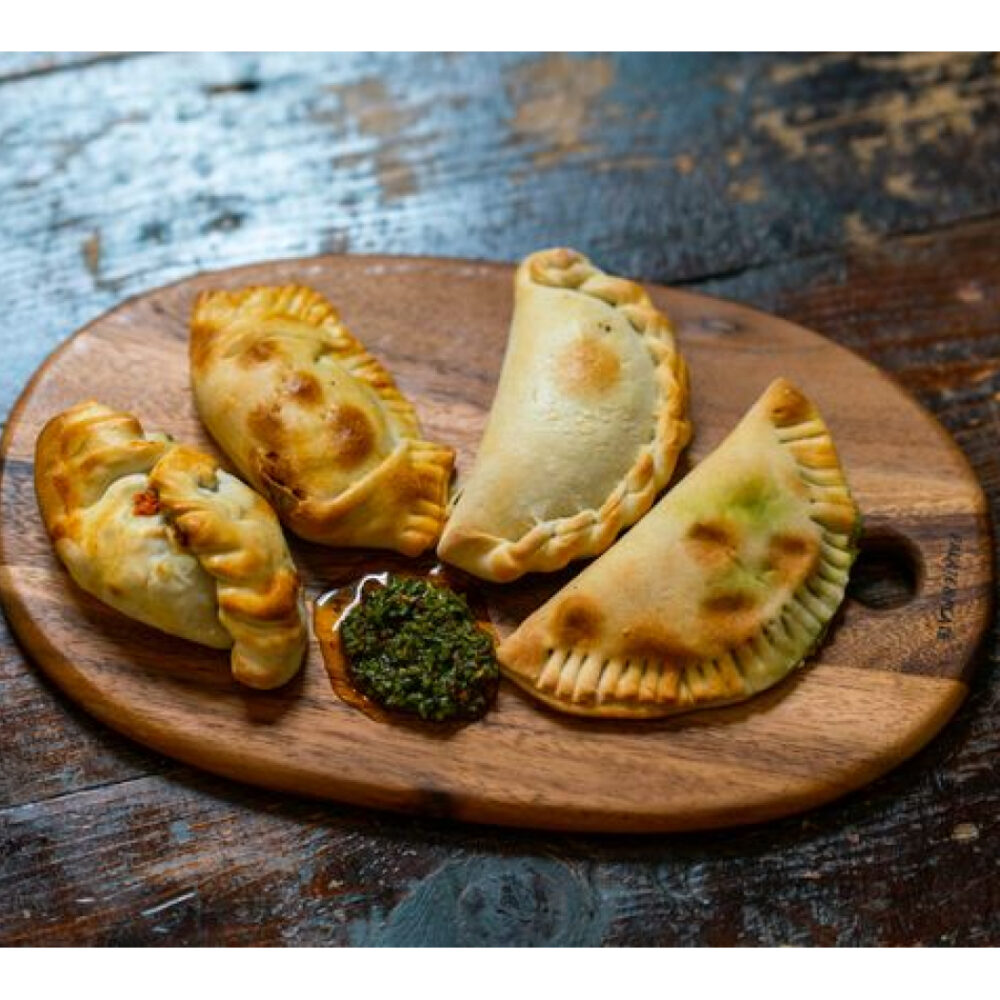
Empanadas are not originally from Argentina, but they are a massive part of cuisine today. The basic form came through Spain; the provinces then developed their own versions. Beef is the classic filling, but chicken, ham and cheese, and vegetable versions are also common. Regional empanadas use potato, lamb, fish, goat, or humita (sweet corn filling). The dough is the same, but what it encloses tells you where you are.

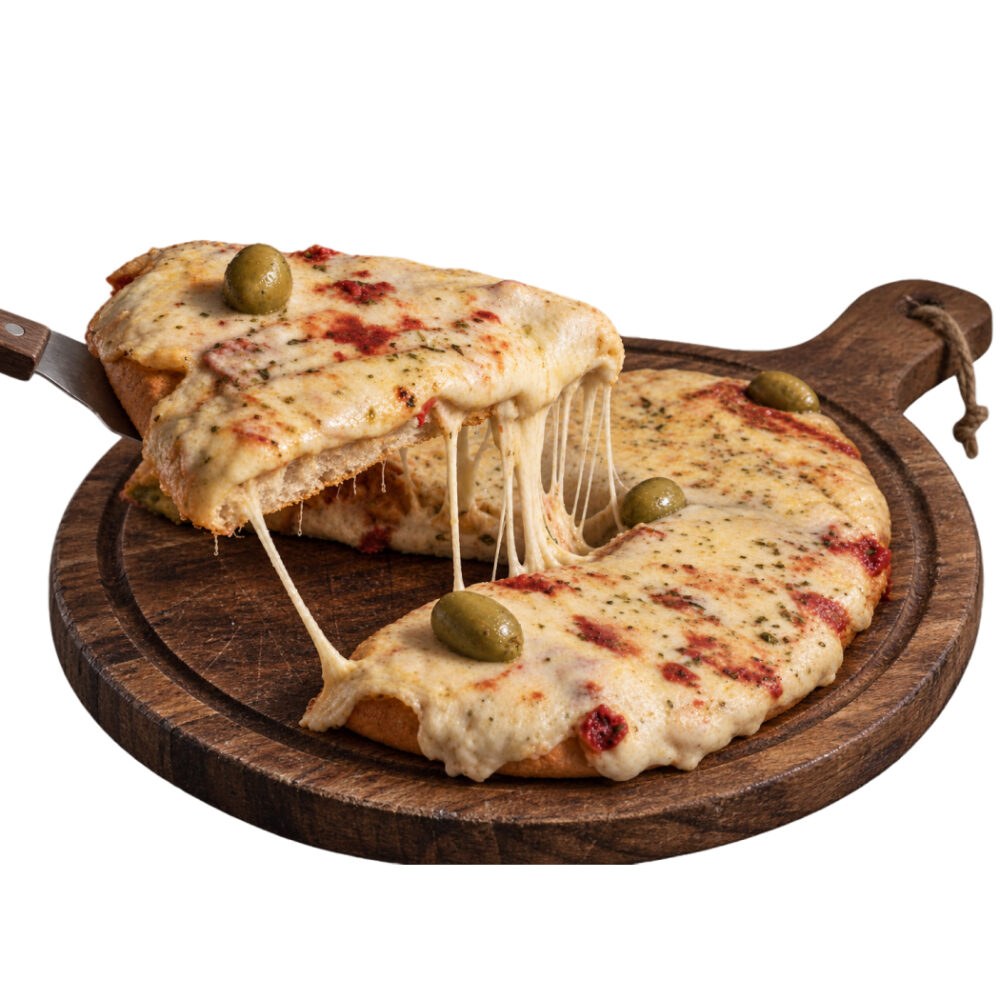
Italian immigration made noodles and stuffed pastas part of home cooking. Ravioles, tallarines and ñoquis, pizzas are ordinary Argentine foods, with distinct local forms. Buenos Aires pizza al molde, for example. Compared to the original Neapolitan model, it uses a deeper pan, more yeast, and relatively rapid fermentation to produce a thick, spongy base under a heavy layer of cheese. A slice may also be eaten with fainá, a Genoese chickpea-flour flatbread, placed directly on top.

Icon Buenos Aires has developed one of the densest pizzeria cultures outside Italy.

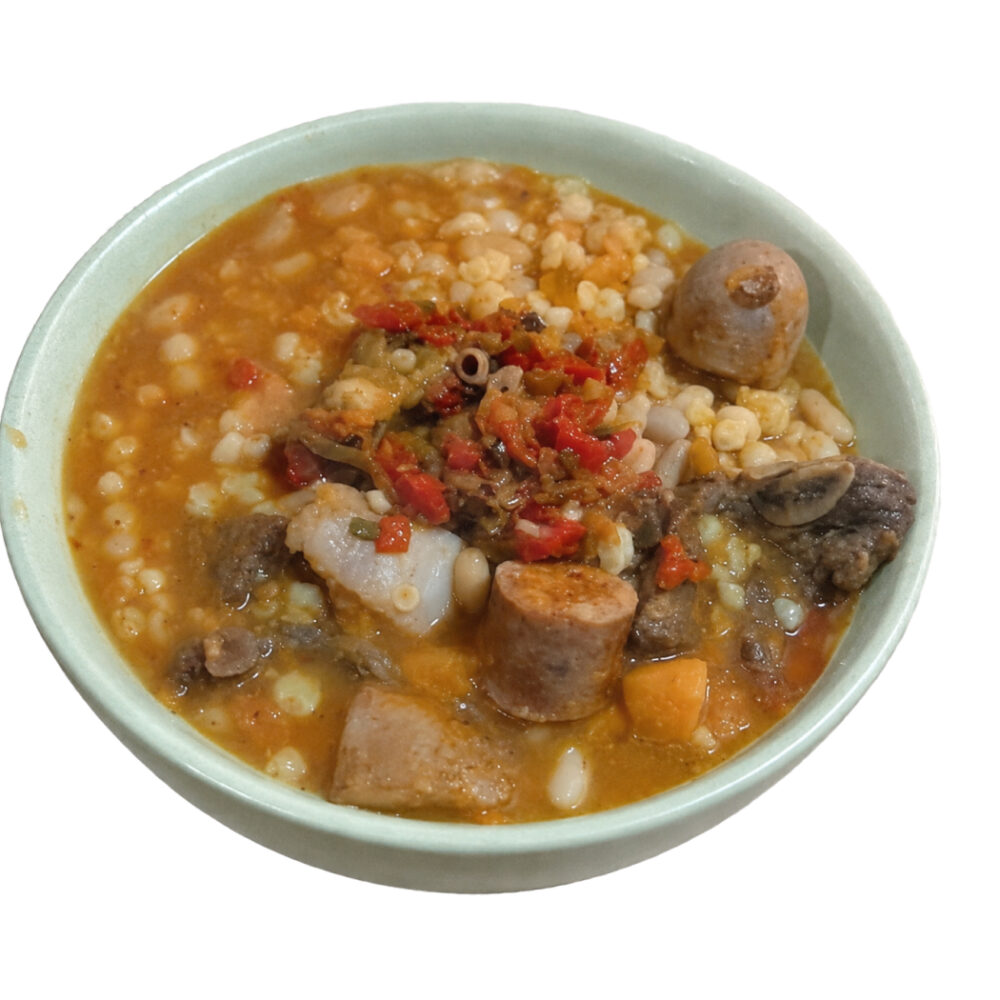
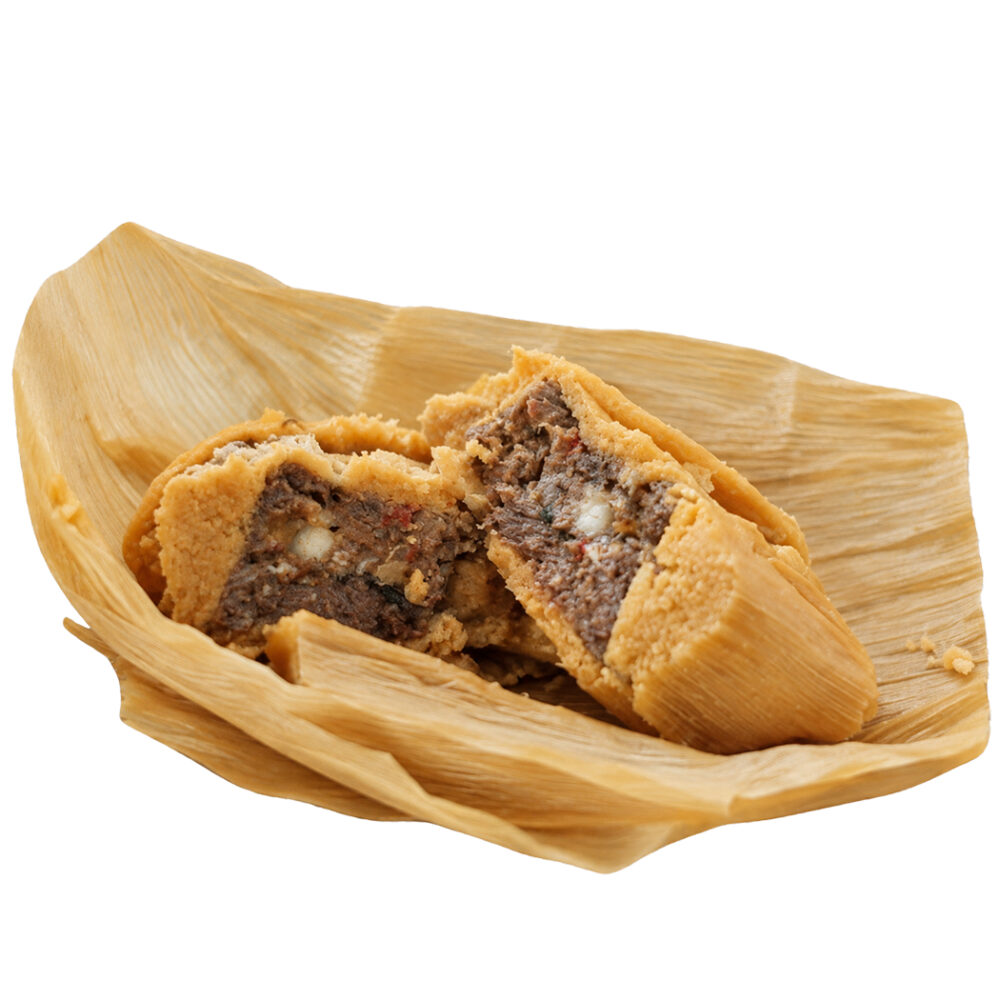
The cultural weight of corn exceeds its role in modern meals. Maize predates wheat by millennia and is still fundamental in northwestern Argentina in humita (a soft fresh-corn mixture, often with cheese), tamales (corn dough wrapped around a filling), and locro (a stew of maize, beans, squash, and meat).

Rice, oats and barley are secondary. They contribute to nutrition, agriculture, and particular dishes. Quinoa and amaranth were Andean staples before Spanish contact. Yet their cultivation shrank steadily afterward and never recovered; official reporting on Argentine quinoa today still describes it as grown mostly for small household use.

PRODUCE IN ARGENTINIAN CUISINE

Fewer than one in five adult Argentines eat the five daily servings of fruit and vegetables the government’s own nutrition guidelines call for, according to the country’s 2018 national risk-factor survey. It describes where produce sits on the plate. For most of Argentina’s culinary history, a meal without meat wasn’t really a meal, and a salad wasn’t a dish in its own right — it was a guarnición, something beside the food. Vegetables accompany a meal, cut through its richness, or hold the space until the next piece of beef arrives. An asado comes with ensalada mixta to the side: lettuce, tomato, onion, oil and vinegar, nothing more complicated.

What counts as vegetables splits along a geographic line in country’s middle. In the Pampas and Buenos Aires, the produce is largely post-conquest and European in origin — lettuce, tomato, onion, bell pepper, eggplant, zucchini, brought or expanded by Spanish and Italian. In the Northwest, the produce base predates the Spanish: squash (zapallo), corn (choclo), beans (porotos), and potato, and also carries more variety. Jujuy’s Quebrada and Puna regions still grow dozens of native potato varieties alongside oca and ulluco — Andean tubers that rarely reach markets outside the region and are, at this point, better known in gourmet circuits in Buenos Aires and abroad.

Potatoes, tomatoes, onions, sweet potatoes, squash, carrots, lettuce, beans and garlic account for about 65% of national vegetable output. Chard, cassava, zapallito, maize, eggplant and peppers turn up in Argentine home cooking. Potato has perhaps the broadest everyday popularity. It’s cooked beside meat, becomes purée, fries or tortilla filling, and goes into stews. Squash is often a vegetable or purée.

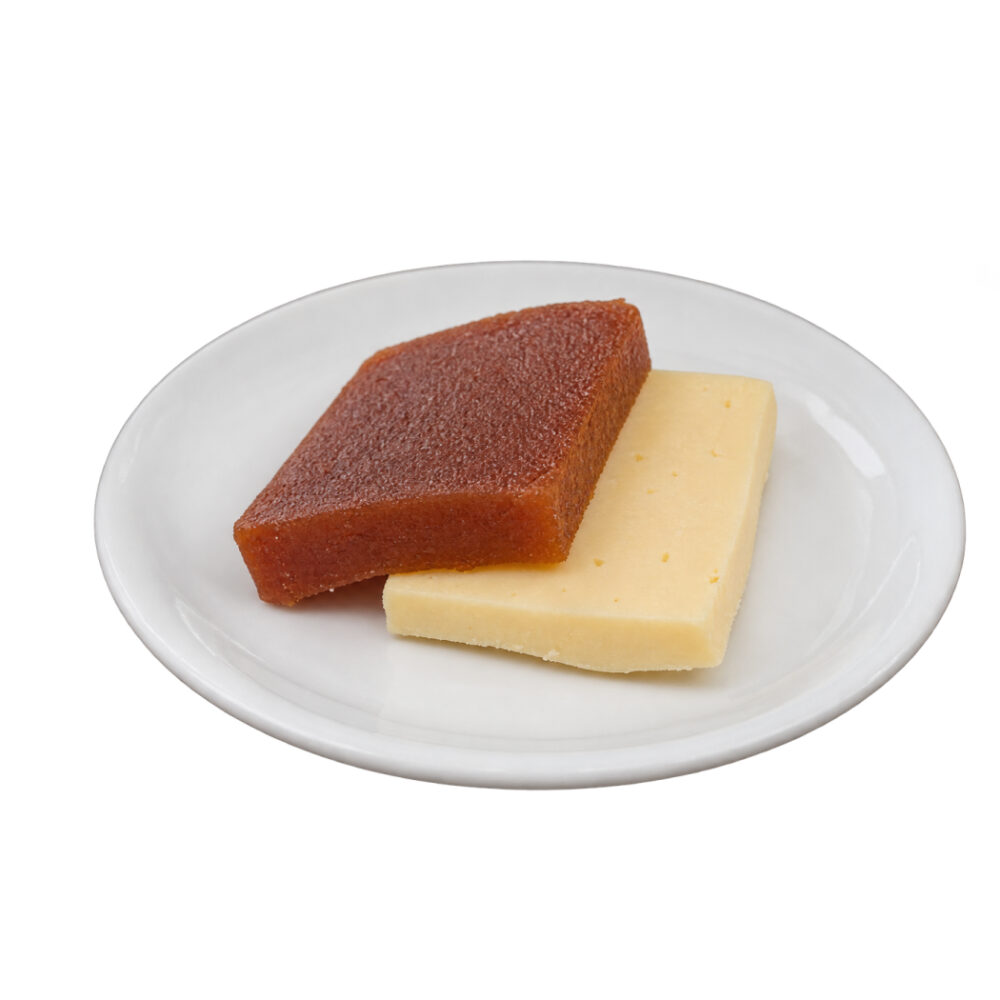
Fruit in Argentina almost never shares a plate with the main course. Its territory is dessert, and the clearest case of that is queso y dulce — a slab of cheese next to a slab of quince paste dulce de membrillo. This combination is so embedded in the culture that it earned three separate nicknames: vigilante, Martín Fierro, and Romeo y Julieta.

Beyond dessert, dried peaches in syrup were, by some accounts, the second-most popular preserved fruit on Argentine tables through the early twentieth century, after quince. Fresh grapes mostly skip the fruit bowl and go straight to wine. Argentina’s fruit identity abroad runs through Malbec rather than any single fresh fruit.

MEAT IN ARGENTINIAN CUISINE

Beef outranks every other meat; it’s a meat of identity. But consumption changes: beef remains first, but chicken runs almost level with it. That is a major change from the older diet, when cheap cattle from the Pampas made beef extraordinarily abundant. Cattle introduced by the Spanish multiplied across the temperate grasslands, and by the nineteenth century Argentina had built a large economy around hides, tallow and meat. Refrigerated exports later turned beef into one of the country’s major industries. Today, beef keeps its prestige even as households buy more chicken and pork.

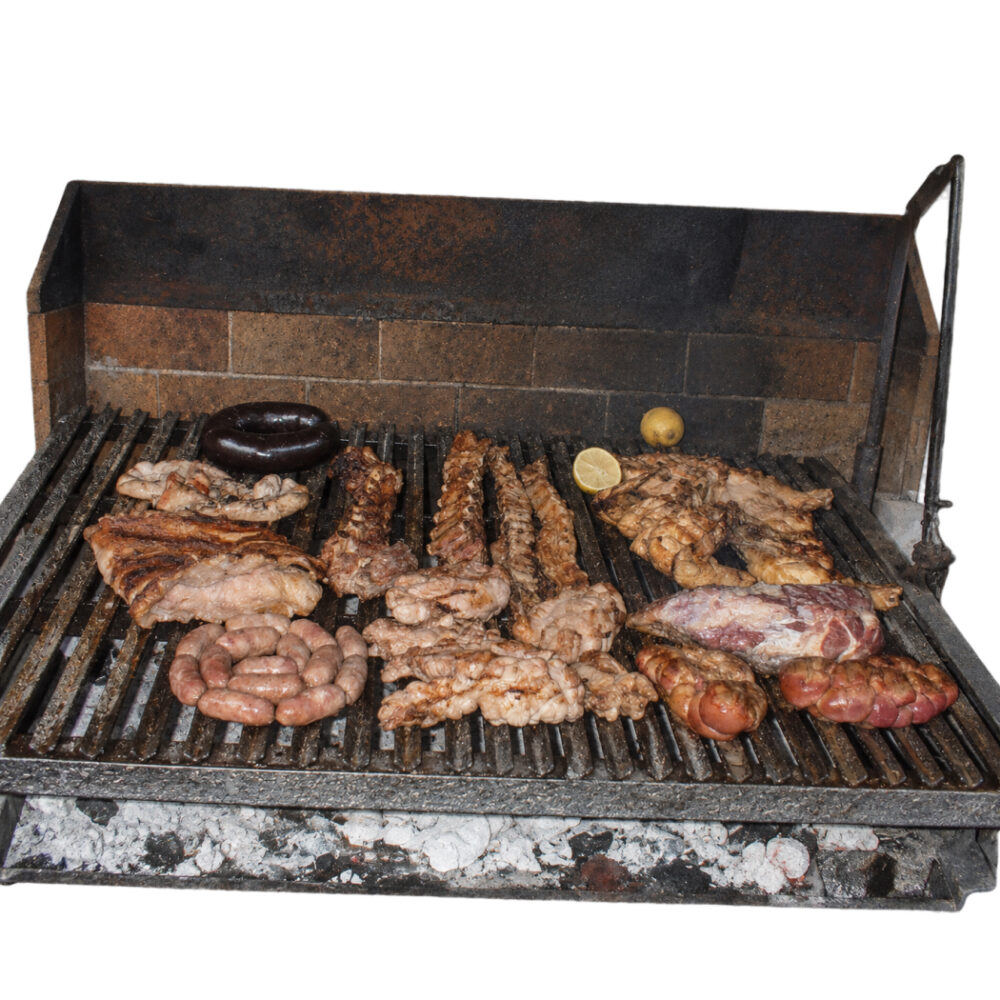
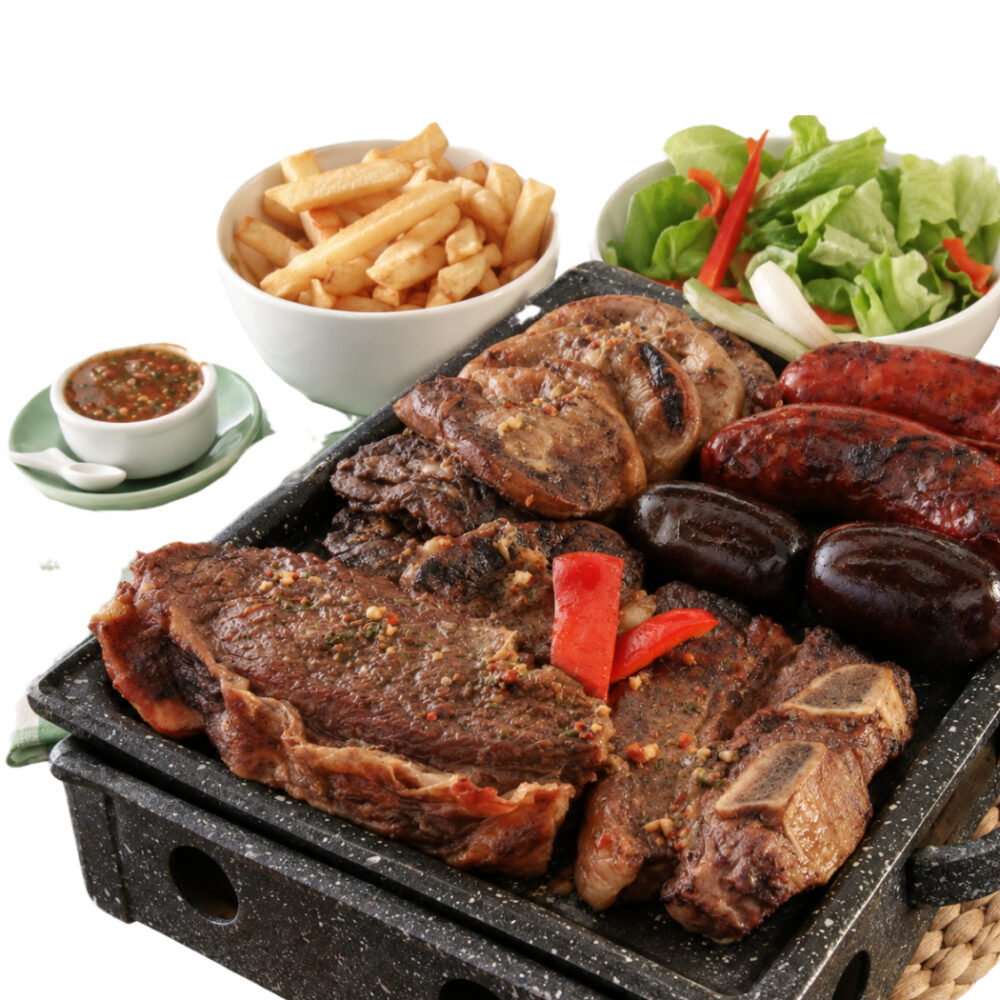
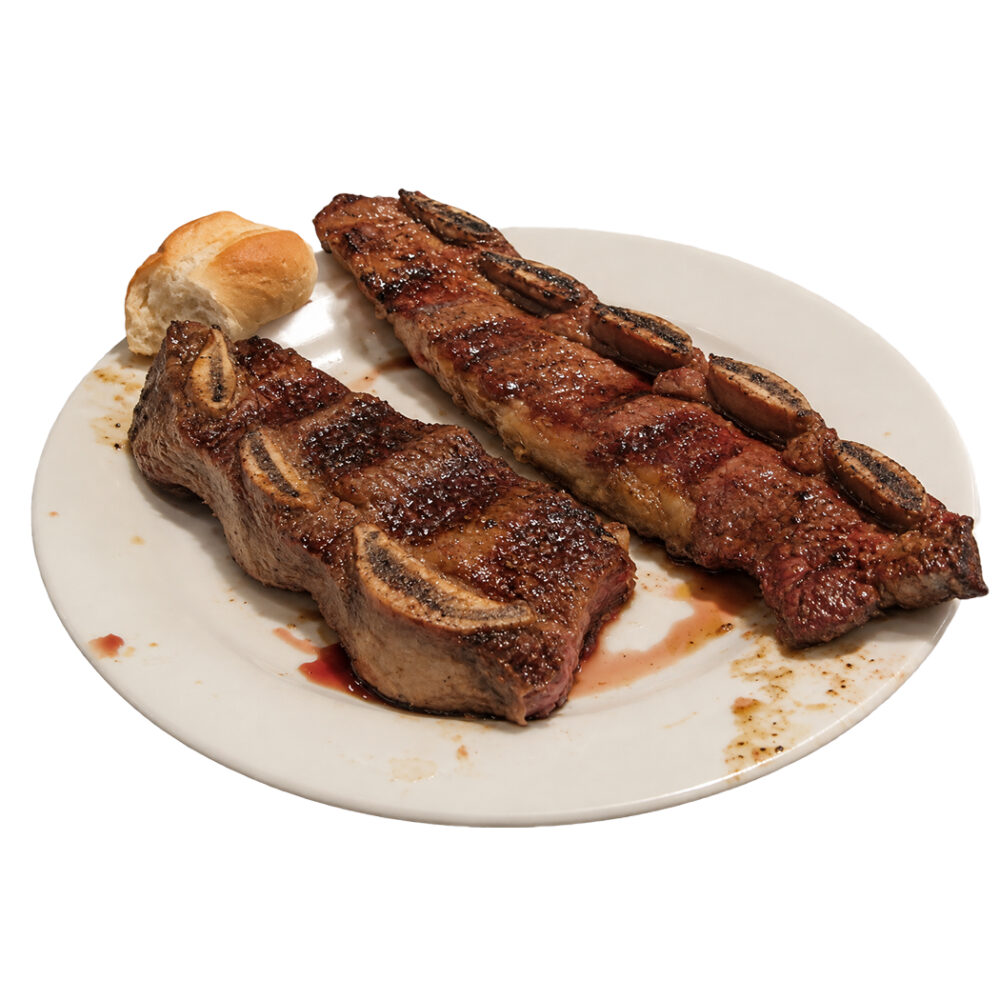
Most weeknight protein in Argentina is milanesa, a breaded cutlet, eaten far more routinely than anything off a grill. Asado is a Sunday event, which is often translated simply as barbecue, but it’s more than that; it’s a prolonged family event.  A typical grill may begin with chorizo, morcilla sausages, and achuras (offal), because they cook fastest and get served as a starter. They’re followed by cuts such as asado de tira, vacío, and matambre.  That’s a different logic from Brazilian churrasco, which serves continuously off rotating skewers with no course order, or Uruguayan asado, structurally the closest cousin but served with more pasta on the side.

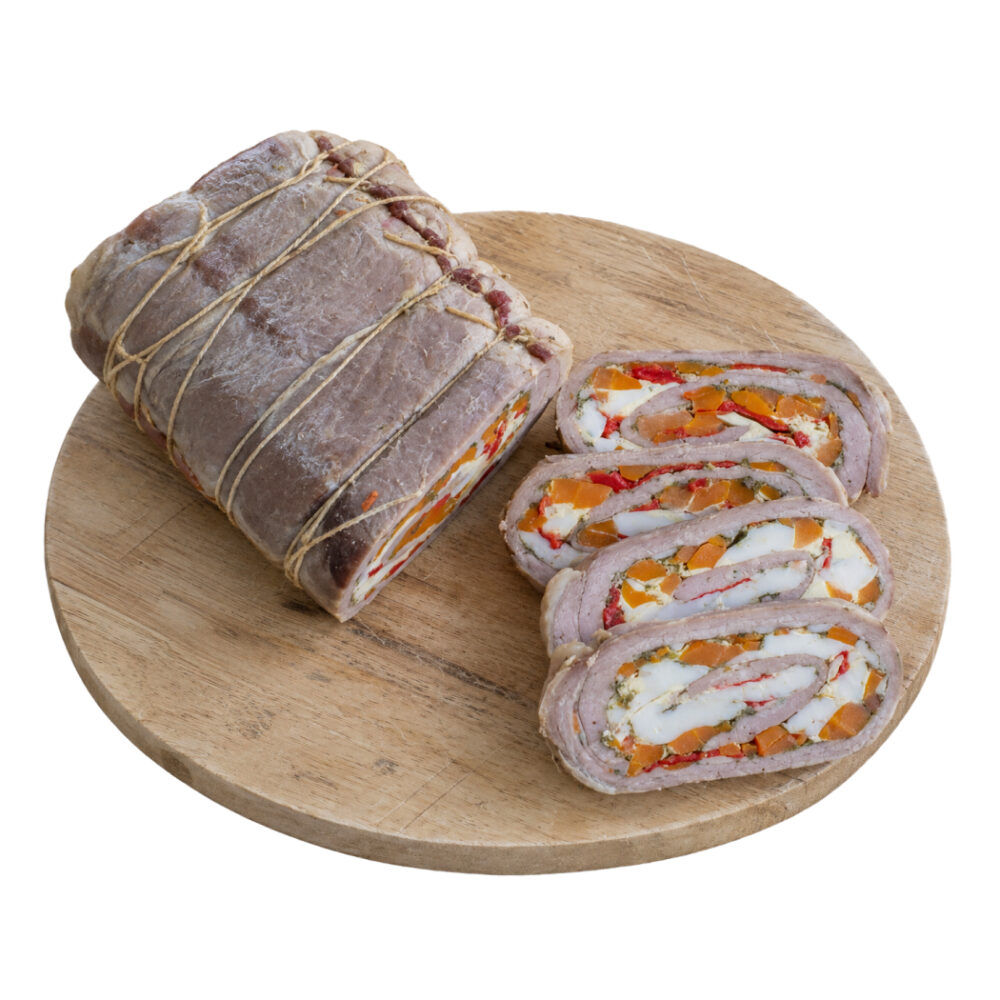
Matambre is a very thin cut of beef from Argentina and Uruguay, and it is also the name of a popular stuffed meat dish made from that cut. The thin muscle between the hide and ribs can go directly onto the grill or become matambre arrollado, seasoned, rolled, tied, and cooked. The word combines the Spanish words matar (to kill) and hambre (hunger), meaning a hunger killer because it cooks fast and satisfies immediate hunger. Some people call it the “fly shaker” because the cow uses this specific muscle to twitch and brush away insects.

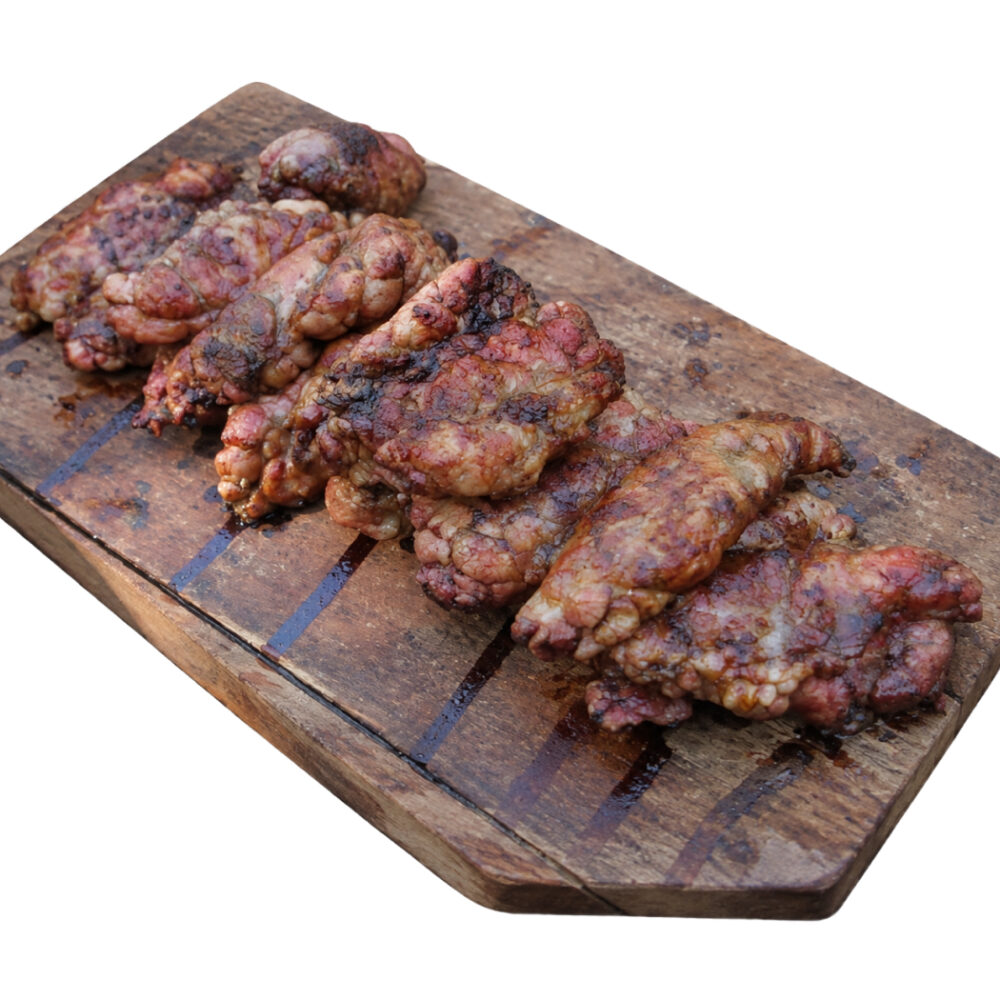
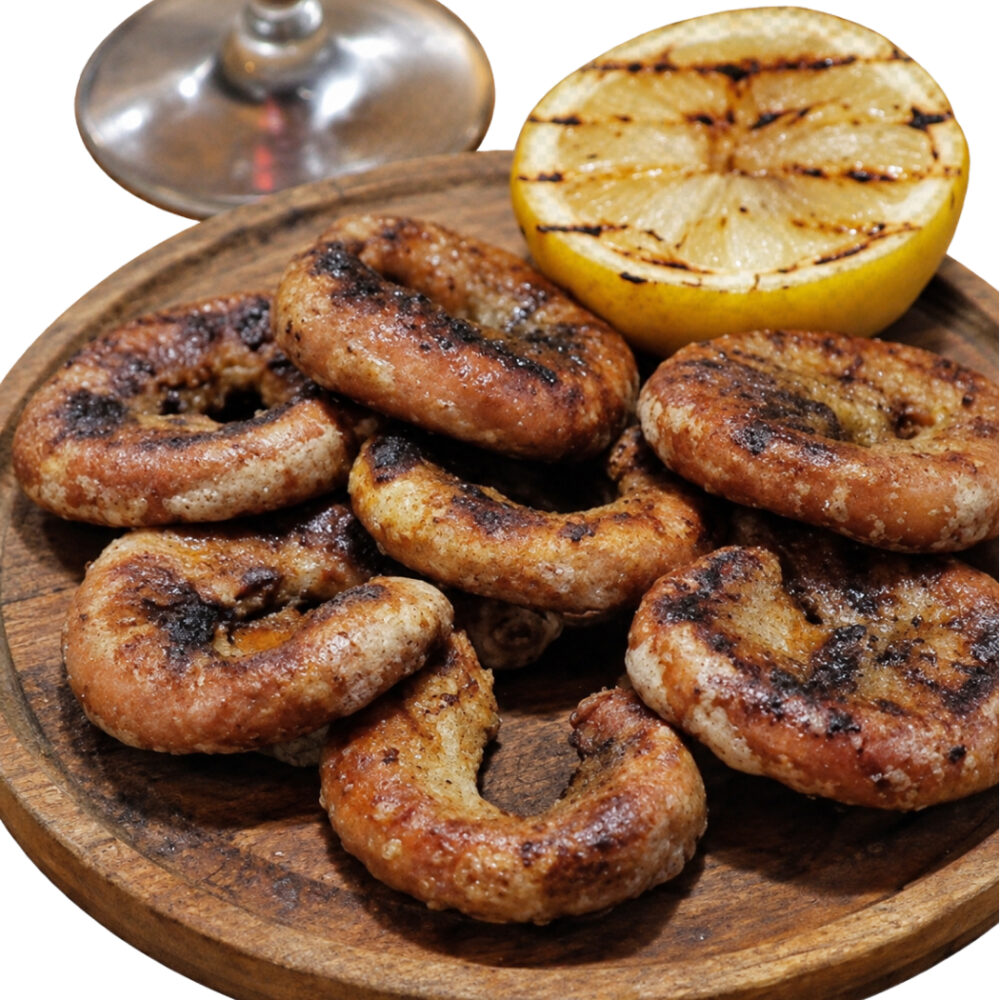
Offal are established parts of the parrilla grill. Collectively, organ meats are commonly called achuras. Some achuras, especially sweetbreads, can be expensive delicacies.

Patagonian lamb is cooked on a frame or spit beside an open fire. In parts of Cuyo and the northwest, goat and young cabrito goats matter far more than they do in Buenos Aires.

Pork in Argentina has inherited European curing.  Chorizo, salame, bondiola, ham, and other chacinados (cured meats) are common in sandwiches, picadas (sharing platters), and asado.

FISH AND SEAFOOD IN ARGENTINIAN CUISINE

Argentina is a major fishing country with a minor fish-eating culture. It’s a secondary protein in most households, visible in particular regions and during Holy Week, but not an everyday staple the way meat is.

That is striking for a country with an extensive Atlantic fishery and such an extensive river system. The reason is partly historical competition from cheap terrestrial meat, and fish never gained position in the national diet. Patagonian red shrimp, squid and king crab can read internationally as Argentine seafood, but they are not everyday national cooking. For domestic fish eating, merluza, usually hake, matters much more. It appears as fillets, baked, fried or breaded.

EGGS AND DAIRY IN ARGENTINIAN CUISINE

Dairy in Argentina is a colonial import, plain and simple — cattle arrived with the Spanish in the 16th century, and nothing in the region’s earlier diet involved milking an animal. That’s why the dairy that developed here runs on European technique rather than anything local: Italian-style fresh cheeses, French-style confections, and no indigenous layer underneath either.

Argentina is the second-largest cheese producer in Latin America and among the top ten cheese-producing countries worldwide. However, cheese is rarely the main focus — it melts onto pizza, gets grated on pasta, grilled as provoleta before the real meal starts. The exception is queso y dulce — a slab of fresh cheese eaten with dulce de leche or membrillo (quince cheese), sometimes called postre vigilante. Yogurt is minor, mostly consumed for breakfast.

Dulce de leche, or milk and sugar reduced into a spread, is huge. It fills alfajores (cookies), tops flan, and gets eaten off a spoon. Argentina and Uruguay both claim to have invented it.

Eggs are everyday food; their consumption is unusually high. People fry eggs alongside meat or potatoes, fold them into tortillas, and use them in empanada fillings, breading, and baking.

SUGAR AND NUTS IN ARGENTINIAN CUISINE

Argentine sweets are fairly sweet by Western European standards and often follow a sugar, dairy, and pastry formula.  Dulce de leche, meringue, chocolate coatings, quince paste and syrup-soaked pastries often push sweetness further than the Italian and Spanish forms that started country’s baking. Alfajores show the pattern well: the form came through Iberia from an Arab predecessor based on nuts and honey, then Argentina rebuilt it around biscuits and dulce de leche.

The defining sweet is dulce de leche. Argentina consumes about 2.2 kg per person annually, and it functions less like a single dessert, spread and flavor. Argentine desserts repeatedly combine soft filling with contrasting pastry or biscuit: crumbly alfajores de maicena, crisp layered rogel, lattice-topped pasta frola, fried pastelitos, dense fruit pastes with cheese. Creamy and cold forms appear too, especially ice cream.

Argentine food runs mild — far less chili than Peru or Bolivia, less layered with dried spice than Brazil’s Bahian cooking. The Northwest, closest to the Andes, uses cumin and ground ají (capsicum pepper) more. Everywhere else — the Pampas, the coast, Patagonia — runs on salt, garlic, and parsley. Seasoning is restrained during cooking, sharper on the finished dish. A steak may reach the grill with little more than salt, then meet chimichurri or salsa criolla at the table.

Fresh aromatics dominate: onion and bell pepper cook into empanada fillings, stews, and tomato sauces. Garlic and parsley often work to flavor meat, potatoes, and sauces. Oregano goes into pizza, tomato sauce, and chimichurri. Black pepper is used everywhere. Bay leaf goes into anything cooked a long time. In the northwest, dried cumin, pimentón (dry paprika) and ají molido are more widespread. Ají molido — the most characteristically Argentine dry chile seasoning. Usually mild to moderately hot, with more warmth and pepper flavor than aggressive heat.

The Argentine flavors run around vinegar, salt and oregano, basil, bay and ají; household versions commonly add garlic, parsley and oil.

PROVENZAL — hopped garlic and parsley with no oil or vinegar, dusted onto milanesa, papas fritas, or sautéed mushrooms after cooking. Functions as a finishing seasoning.

CHIMICHURRI –  a loose herb-and-vinegar sauce, usually made with parsley, garlic, oregano, vinegar, oil, salt and ají molido. It is served with grilled beef, sausages and offal, or used as a marinade. Sharp, herbal and only mildly hot in most Argentine versions.

SALSA CRIOLLA is closer to a finely chopped relish: usually tomato, onion and bell pepper dressed with vinegar, oil and salt. It is served cold with asado, achuras and especially choripán. Unlike chimichurri, its main job is freshness and crunch.

MAYONESA CASERA — homemade mayonnaise, looser and more acidic than the commercial jarred kind, standard on sandwiches de miga and alongside milanesa.

SALSA GOLF — mayonnaise beaten with ketchup. Cold, used for shrimp cocktail, fries, sometimes milanesa.

Icon

Herbs

PARSLEY

OREGANO

BAY LEAVES

THYME

BASIL

Icon

Spices

CUMIN

BLACK PEPPER

DRY CHILI

PAPRIKA

NUTMEG

CINNAMON

Icon

Aromatics

GARLIC

ONION

BELL PEPPERS

TOMATO

SPRING ONION

Icon

Condiments

WINE VINEGAR

WINE

MAYONNAISE

BEEF FAT

OLIVE OIL

Select to see authentic flavor combinations and what they go with

Icon

Meats

ASADO – Beef and other meats cooked slowly over embers, usually as a shared social meal rather than a single cut. The national parrilla repertoire typically includes ribs, vacío, sausages and offal.

PARRILLADA – Mixed grill that brings several meats, sausages, and achuras (offal) to the table together.

ASADO DE TIRA – Beef ribs sawn across the bone into strips and grilled. One of the characteristic cuts around which Argentine parrilla cooking developed.

CHORIPÁN – Grilled chorizo in crusty bread, usually finished with chimichurri or salsa criolla. 

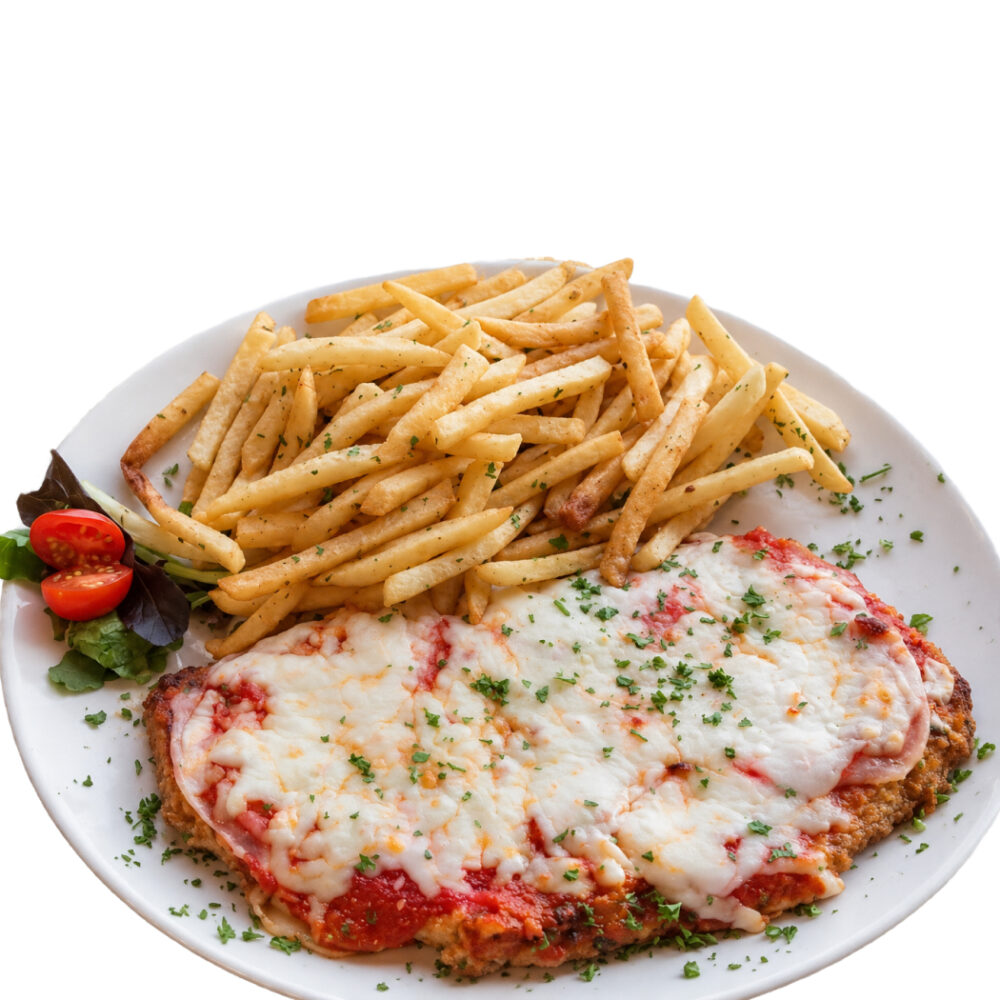
MILANESA DE CARNE – Thin beef coated in egg and breadcrumbs and fried or baked. Italian-derived but now among Argentina’s most ordinary and culturally entrenched meat dishes.

MILANESA A LA NAPOLITANA – Milanesa topped with tomato, ham, and melted cheese. Despite its name, the combination is a Buenos Aires/Argentine creation rather than a Neapolitan standard. It is now a classic bodegón dish.

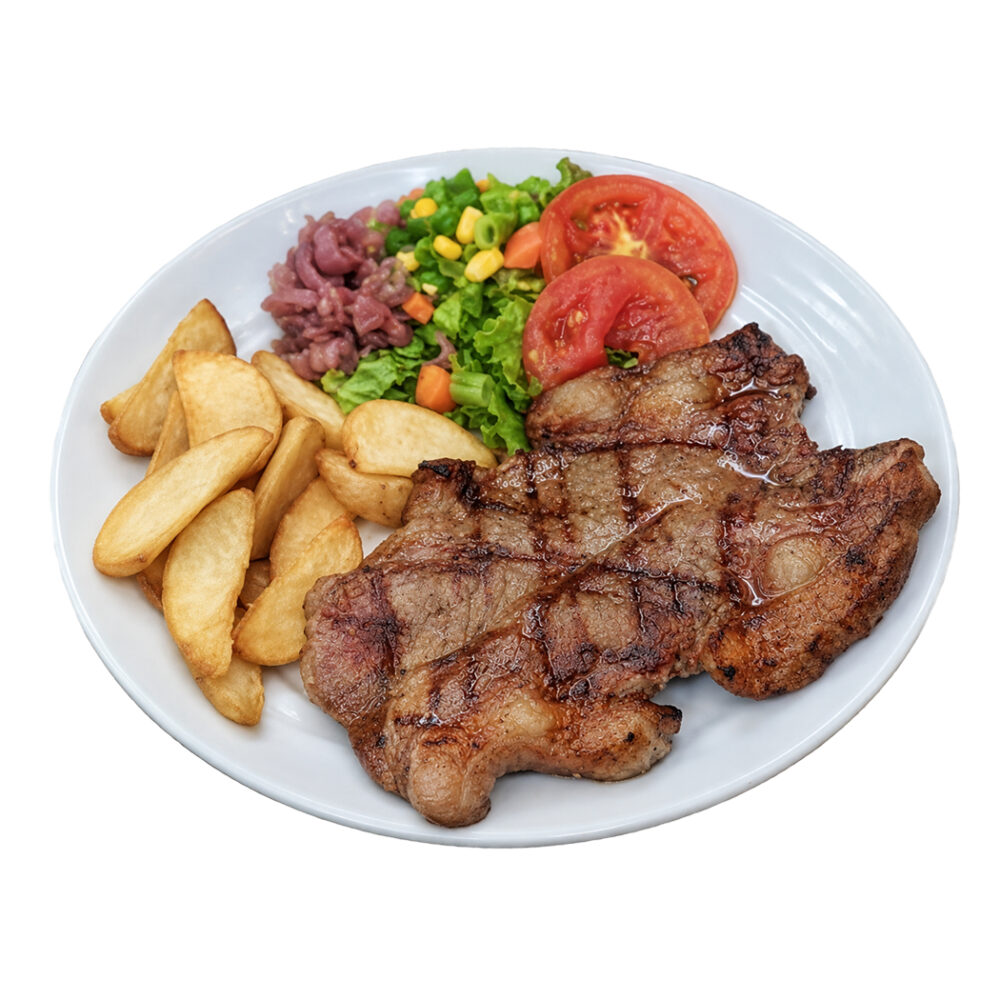
BIFE / CHURRASCO – Simply grilled or pan-cooked beef steak, far closer to everyday beef eating than the tourist image of elaborate steakhouse cuts suggests.

BIFES A LA CRIOLLA – Beef steaks cooked with tomato, onion, peppers and usually potatoes in their own juices; a classic home-cooking treatment rather than parrilla food.

MATAMBRE ARROLLADO – Matambre filled, rolled, tied, and cooked, commonly containing vegetables and a hard-boiled egg. Served sliced, often cold, and especially familiar on celebration tables. Argentina’s meat code treats it as an established named preparation.

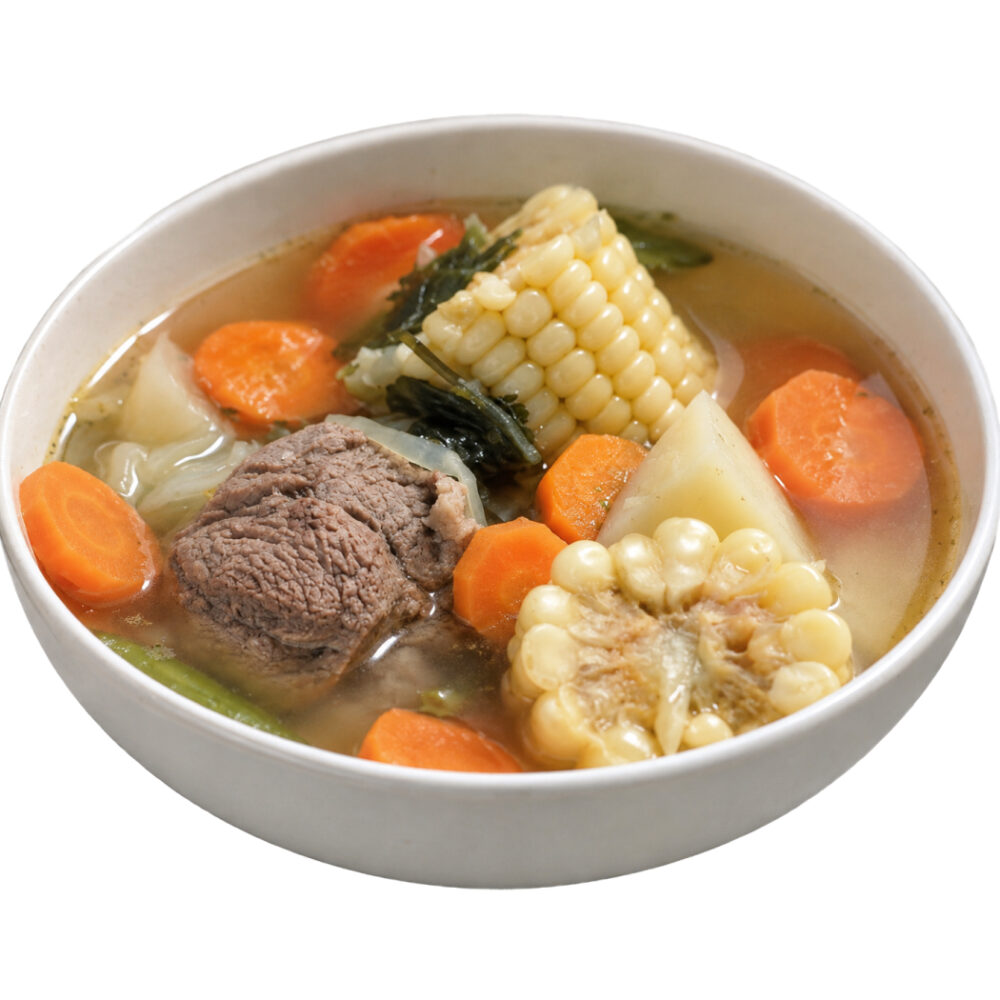
PUCHERO – Beef boiled with potatoes, squash, corn and other vegetables. Spanish-derived and historically important winter family food.

GUISO DE MONDONGO – Beef tripe stewed with tomato, vegetables and often beans or chickpeas. A traditional cold-weather dish with local festival traditions as well as everyday versions.

MOLLEJAS A LA PARRILLA – Grilled sweetbreads, one of the most valued achuras in parrilla culture rather than merely a cheap offal dish.

CORDERO PATAGÓNICO AL ASADOR / A LA ESTACA – Whole or large sections of lamb opened beside a wood fire and cooked slowly. A defining meat preparation of Patagonia rather than of the Pampas.

POLLO AL DISCO – Chicken cooked with vegetables, wine or stock in a broad iron disc originally associated with agricultural equipment. Now a familiar communal/rural preparation in several provinces.

PICADA – Shared platter of salami and other cured meats with cheese, olives and small accompaniments. It is a social eating format rather than one cooked recipe, but it belongs firmly to Argentine aperitif and gathering culture.

Icon

Fish and seafood

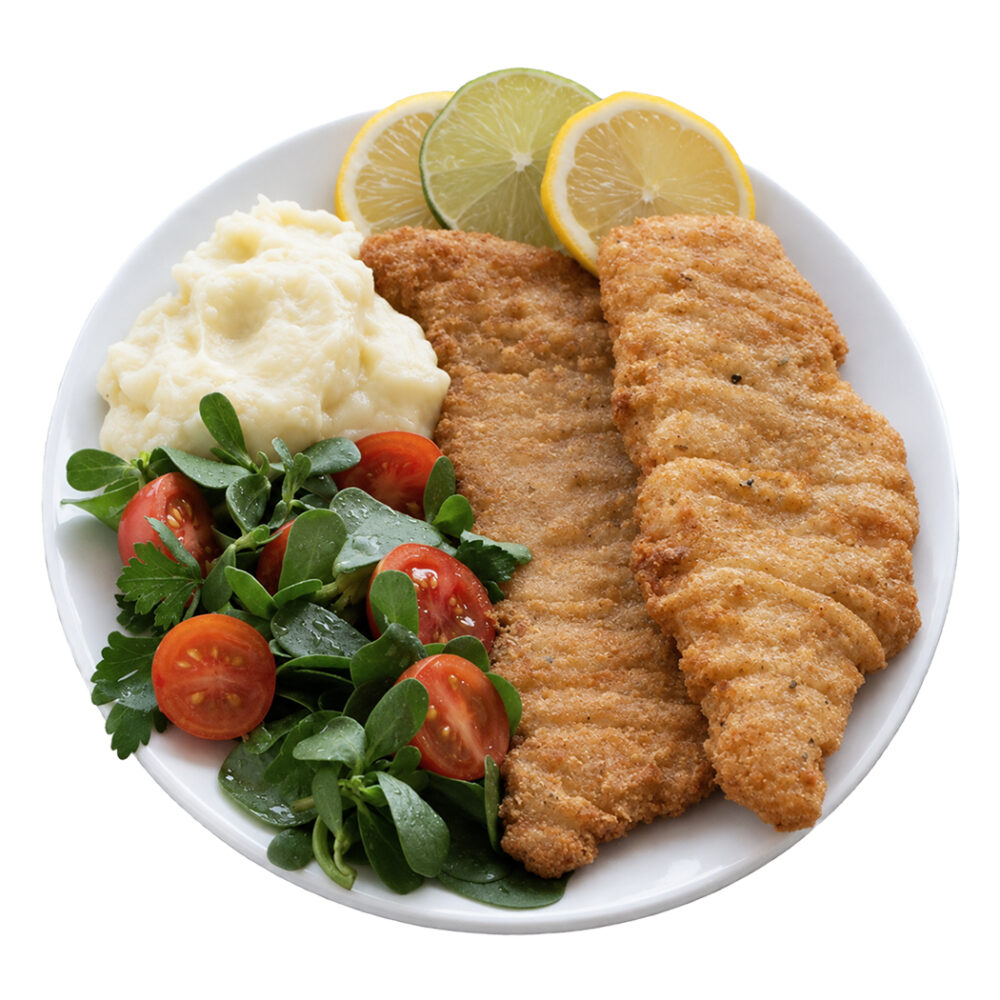
FILET DE MERLUZA A LA ROMANA – Hake coated in flour and egg and fried, usually served with lemon and potatoes or purée. One of Argentina’s clearest everyday national fish dishes and a traditional bodegón standard.

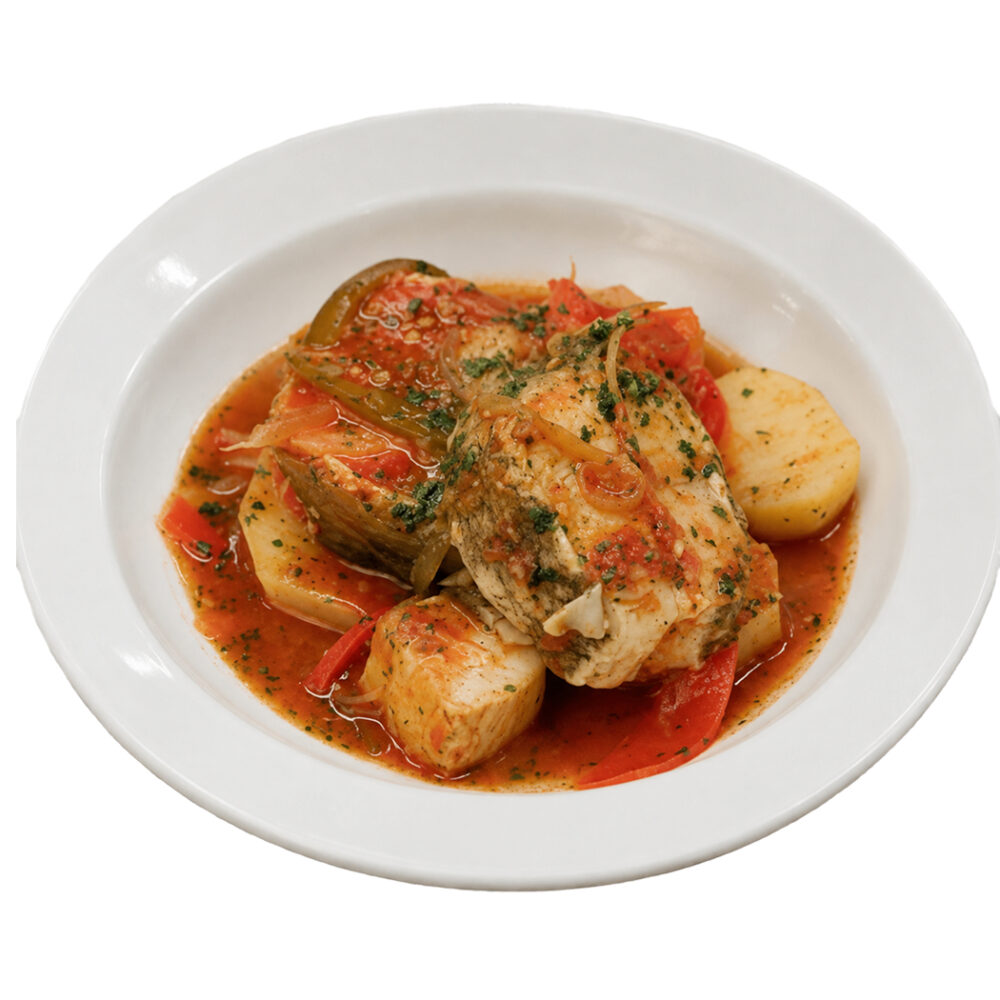
CHUPÍN DE PESCADO – River-fish stew with vegetables and cooking liquid, particularly associated with Entre Ríos and the wider Litoral. Surubí, boga and patí are common choices.

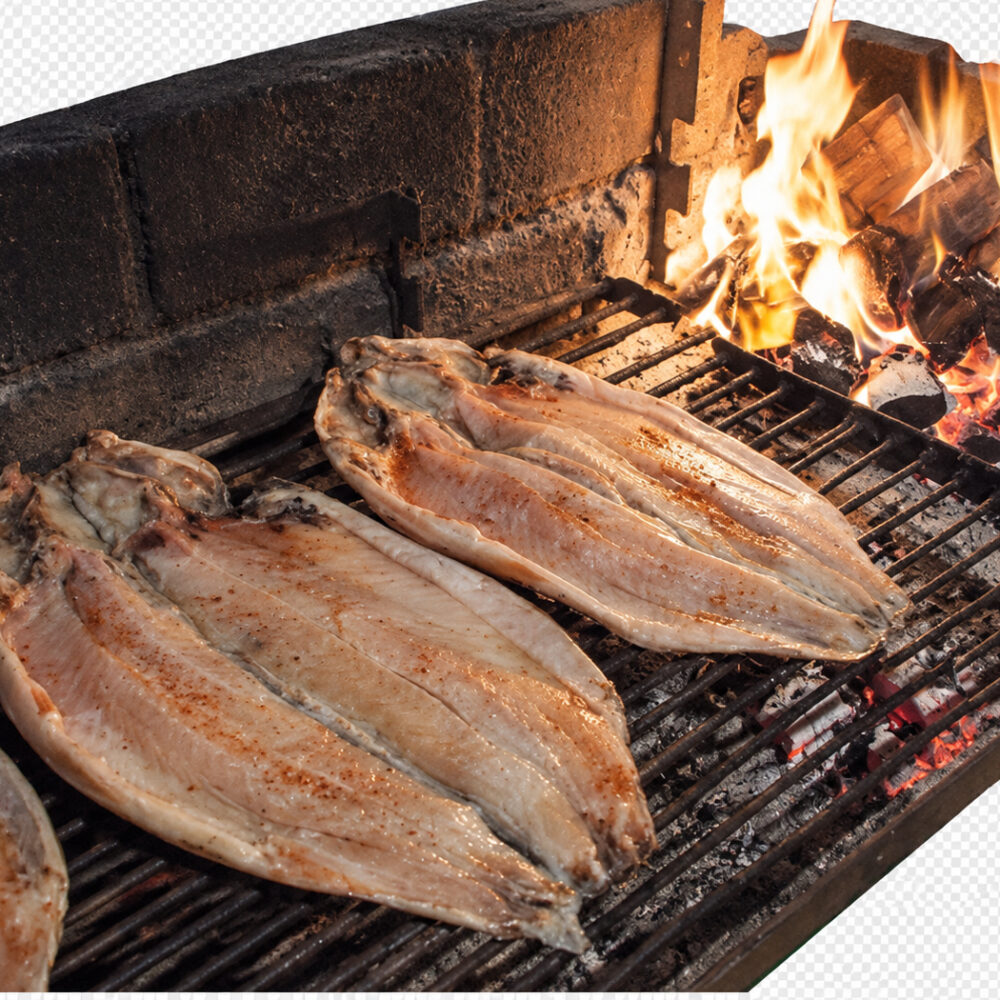
PACÚ A LA PARRILLA – Fatty Paraná-basin fish grilled over fire. One of the most recognizable expressions of Corrientes/Misiones/Formosa river cuisine.

EMPANADAS DE PESCADO DE RÍO – Wheat turnovers filled with dorado, surubí or other river fish. They connect the nationally familiar empanada form with the Litoral’s local protein base.

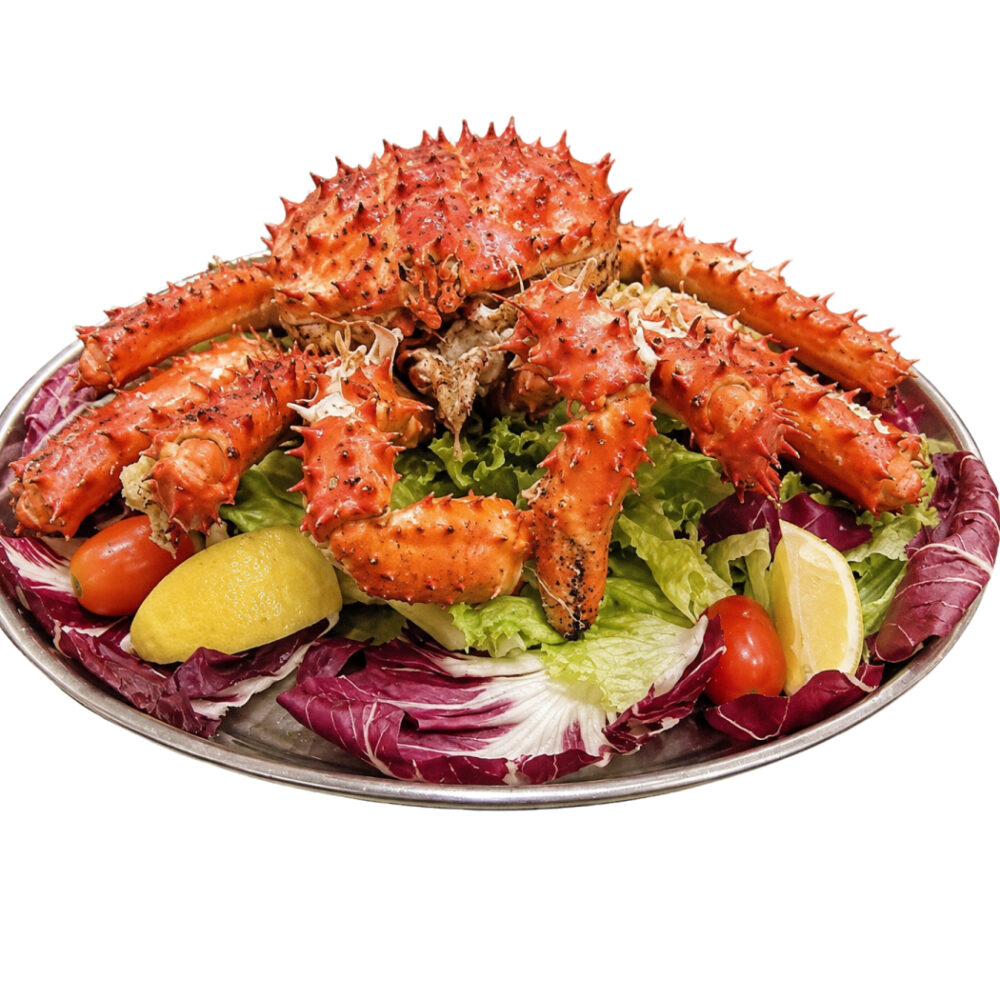
CENTOLLA FUEGUINA – Beagle Channel king crab is served simply cooked, but also in casseroles, gratins, soups, and filled pastas. It is a signature Tierra del Fuego.

Icon

Grains

EMPANADAS — Wheat-dough pastries baked with meat, chicken, cheese, corn or other fillings. One of the few foods officially recognized as Argentine food heritage, with strongly established provincial versions from Salta, Tucumán, Mendoza and elsewhere.

LOCRO — Thick stew based on cracked maize with squash, beans and meats. Andean origin.

TAMALES NORTEÑOS — Cornmeal dough wrapped in corn husks around a seasoned filling of beef or pork, squash, onion and sometimes egg or raisins. One of the defining foods of the Argentine Northwest.

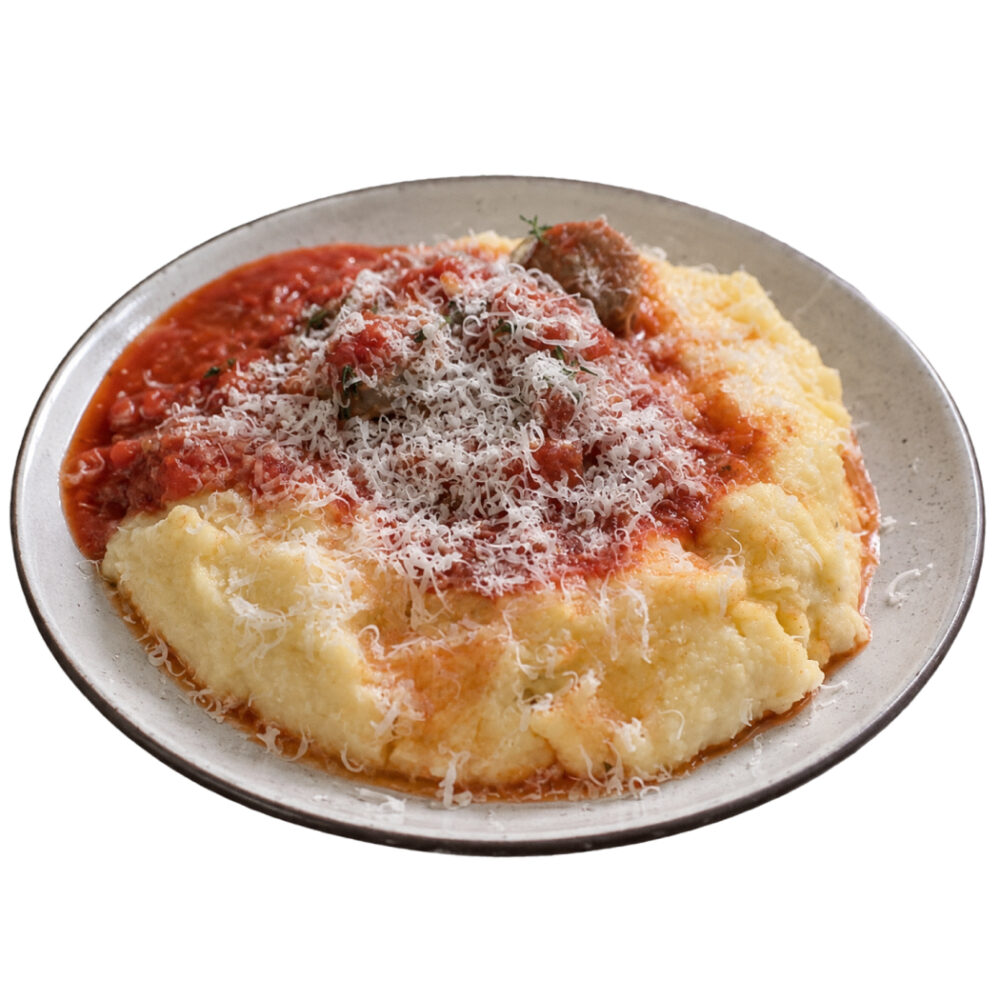
POLENTA CON TUCO — Cornmeal polenta topped with tomato or meat sauce. Italian-derived, but long absorbed into Argentine family and immigrant cooking.

PIZZA AL MOLDE / DE MUZZARELLA —a thick, cheese-heavy pizza that set the national standard — a real departure from the Neapolitan model it descended from.

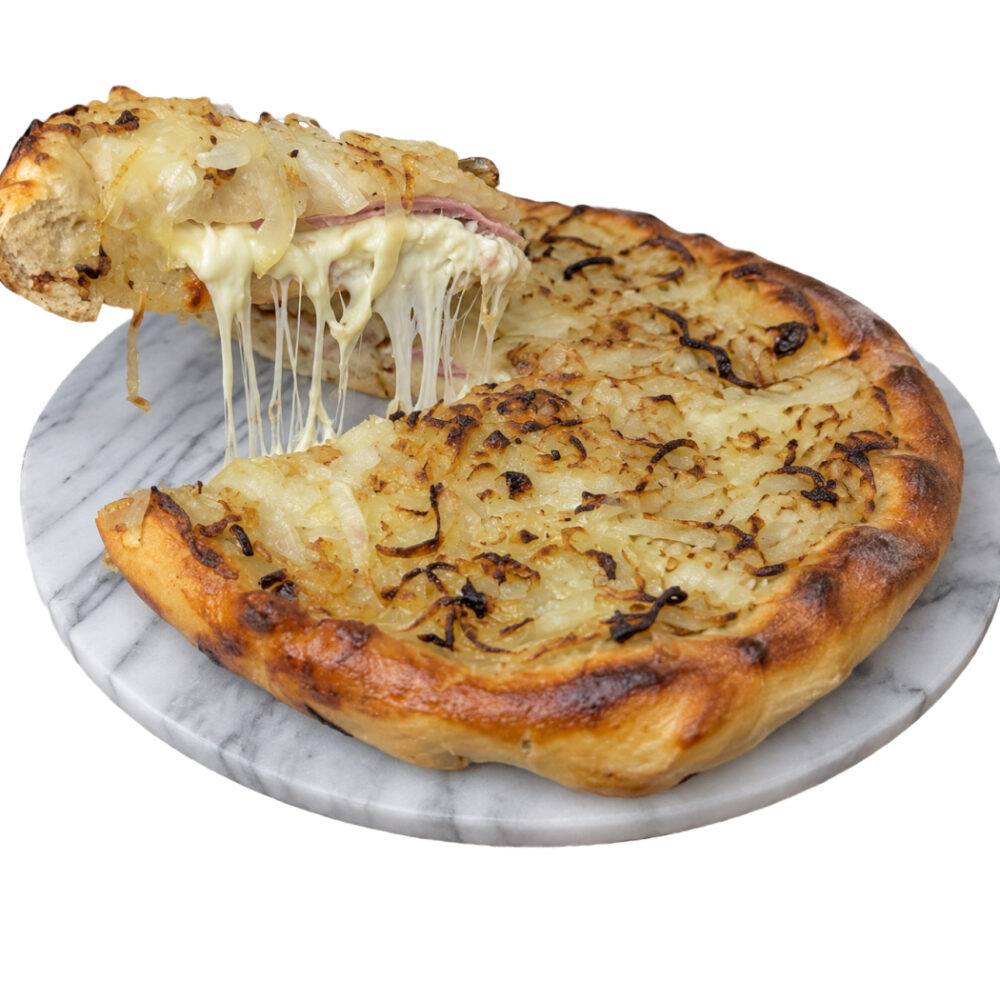
FUGAZZETA — Thick onion pizza filled with cheese.

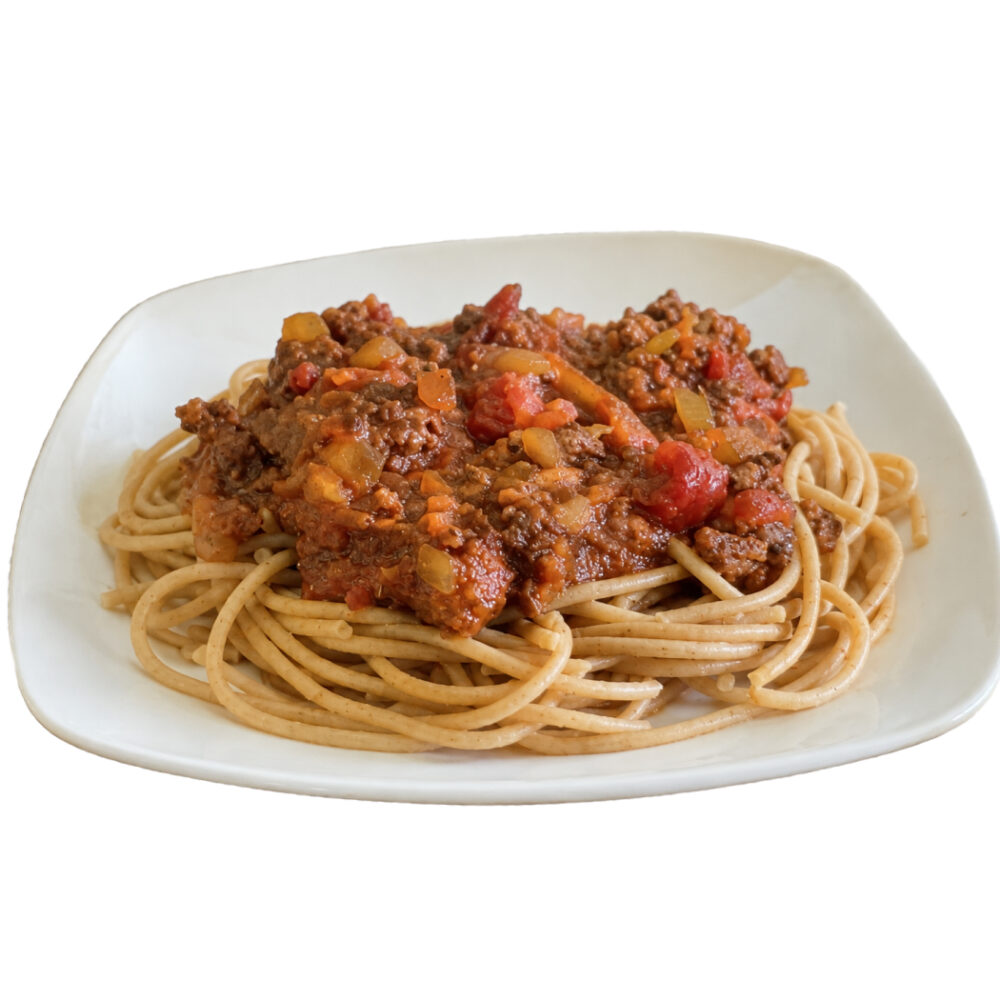
 TALLARINES CON TUCO –  Wheat pasta with tomato or meat sauce.

Icon

Produce

ÑOQUIS DE PAPA / ÑOQUIS DEL 29 – Potato-and-flour gnocchi eaten nationally, with a particularly Argentine ritual of serving them on the 29th of each month, often with money placed beneath the plate for prosperity.

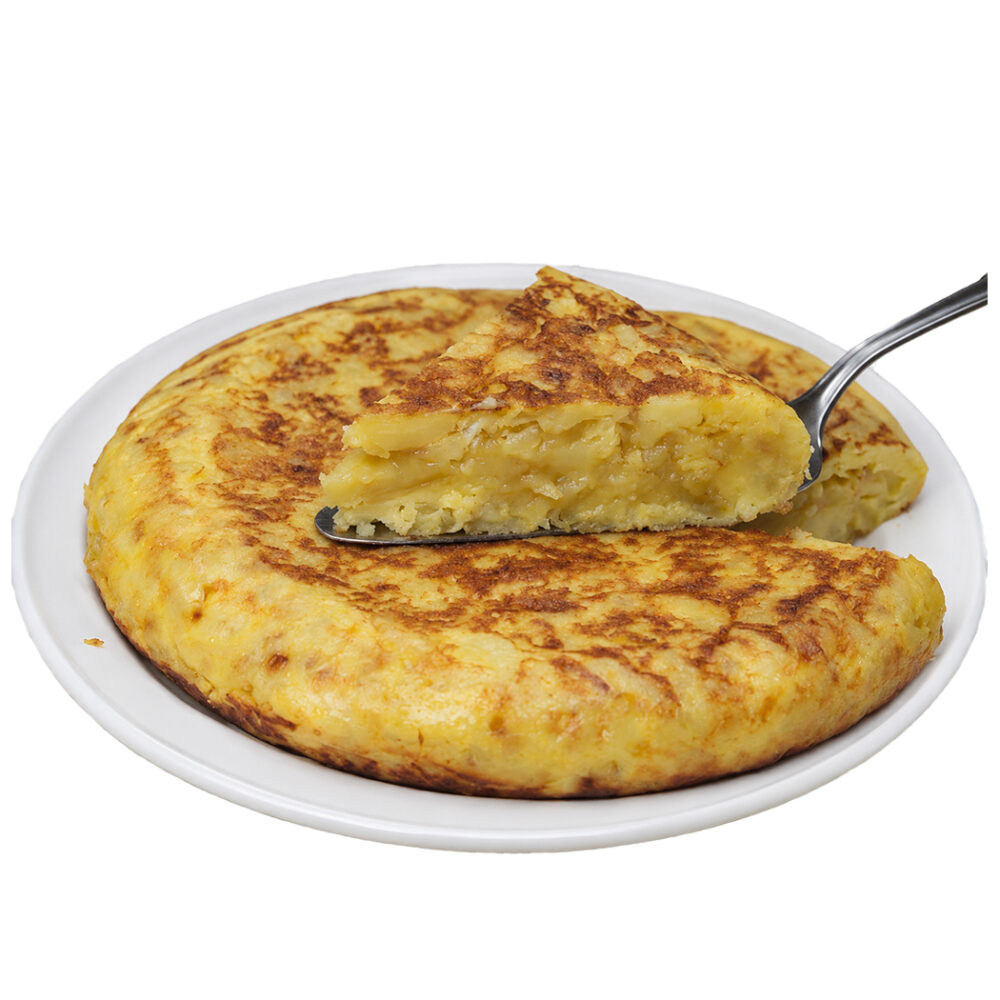
TORTILLA DE PAPAS – Potato, egg, and usually onion cooked into a thick skillet tortilla. Spanish in origin, but deeply established in Argentine homes and bodegones.

TARTA PASCUALINA / TARTA DE ACELGA – Savory pastry filled primarily with chard or spinach, often with ricotta and whole eggs. Part of Argentina’s Italian-derived home-cooking repertoire.

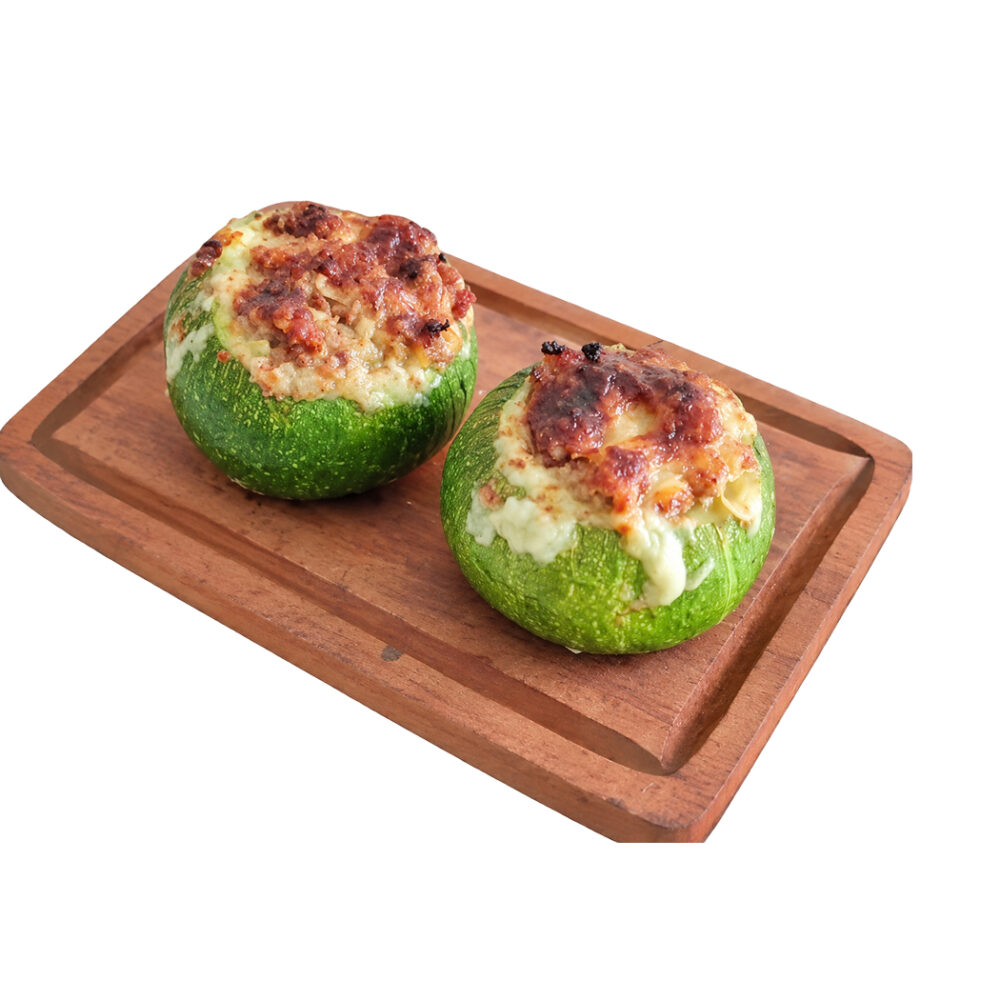
ZAPALLITOS RELLENOS – Argentine summer squash hollowed, stuffed, and baked, commonly with meat, vegetables, rice, or cheese. A longstanding home-cooking preparation rather than a restaurant showpiece.

GUISO DE LENTEJAS – Lentil stew usually strengthened with onion, vegetables and often chorizo, pancetta or beef. A familiar cold-weather household dish; it appears in national consumption data as a named preparation.

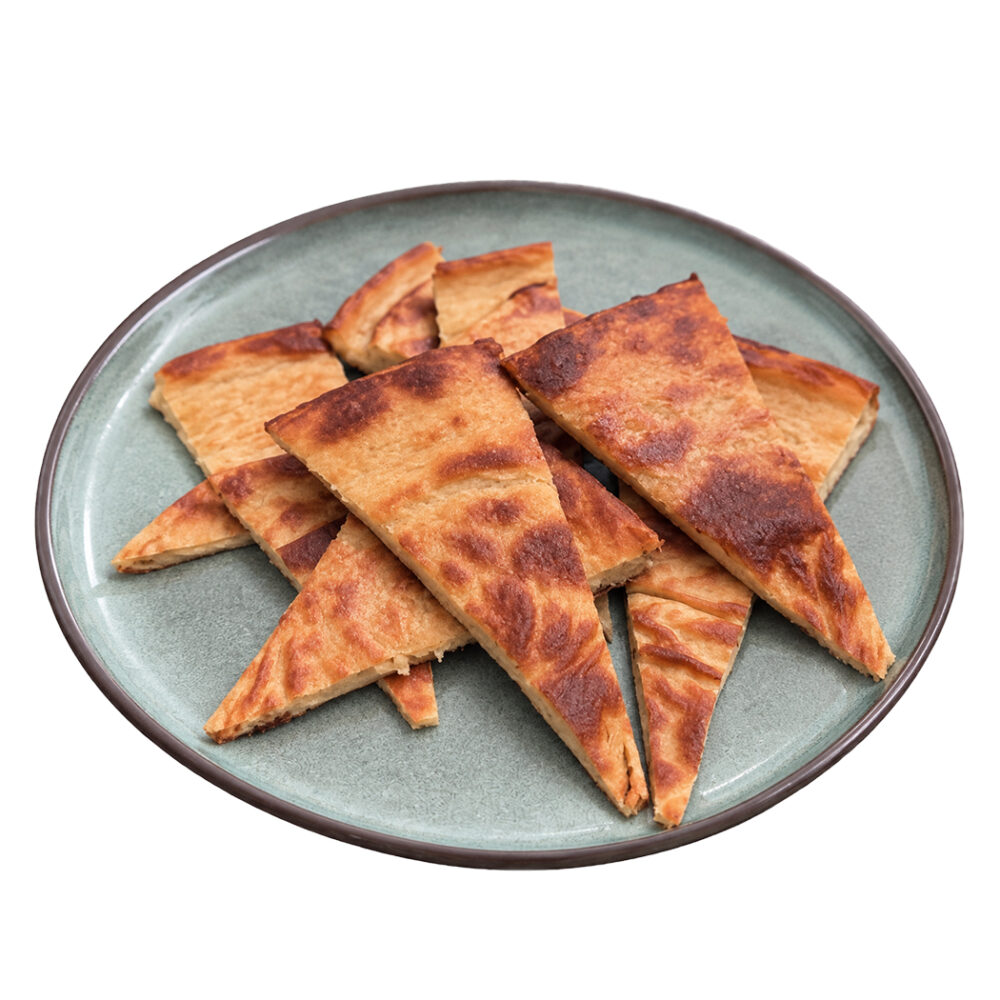
FAINÁ – Thin chickpea-flour flatbread traditionally eaten with pizza, especially in Buenos Aires. It arrived with Genoese migrants and became part of the local pizzeria ritual.

MANDIOCA FRITA – Fried cassava, common as a starch or accompaniment in the Northeast, where cassava has a much larger culinary role than in the Pampas.

TOMATICÁN – Cuyo dish based on tomato, onion and corn, sometimes with egg. One of Mendoza and western Argentina’s clearest produce-led traditional preparations

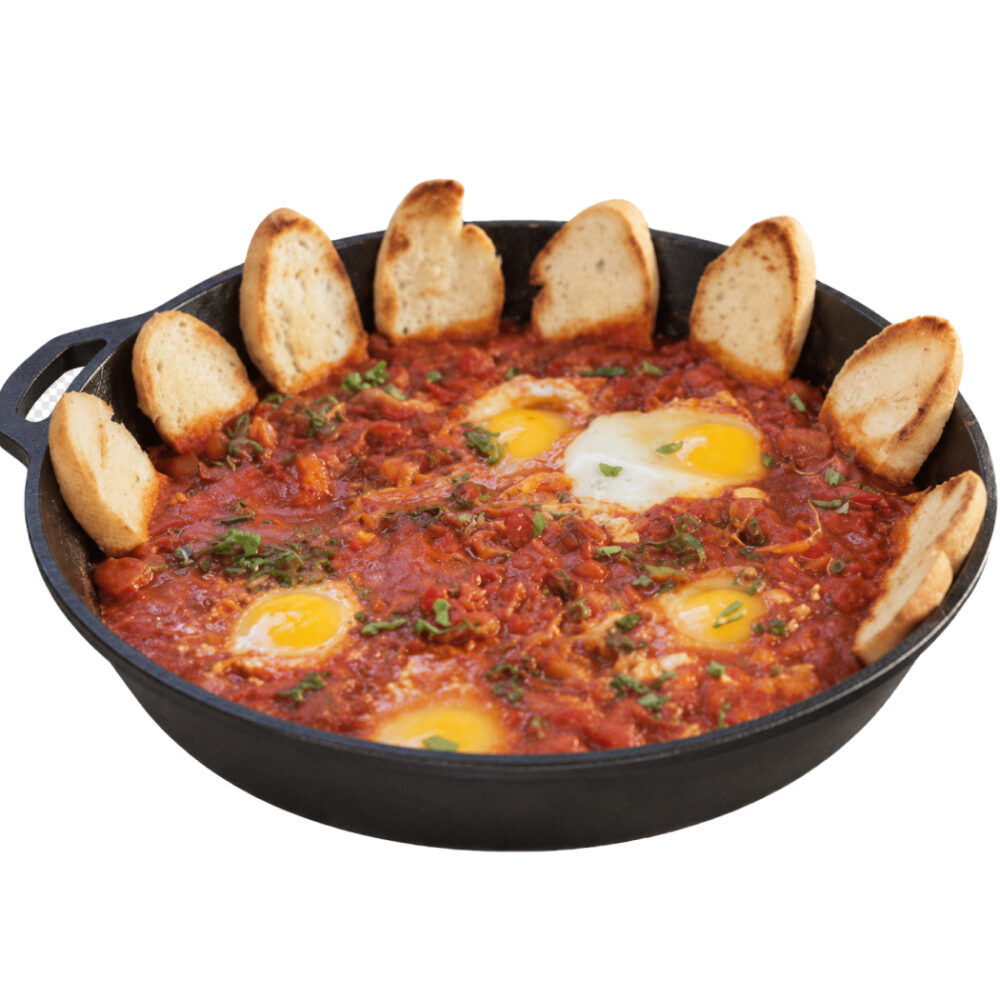
TOMATES RELLENOS – Fresh tomatoes stuffed most commonly with rice, tuna, egg, mayonnaise, or combinations thereof. A particularly familiar Argentine summer and Christmas-table preparation.

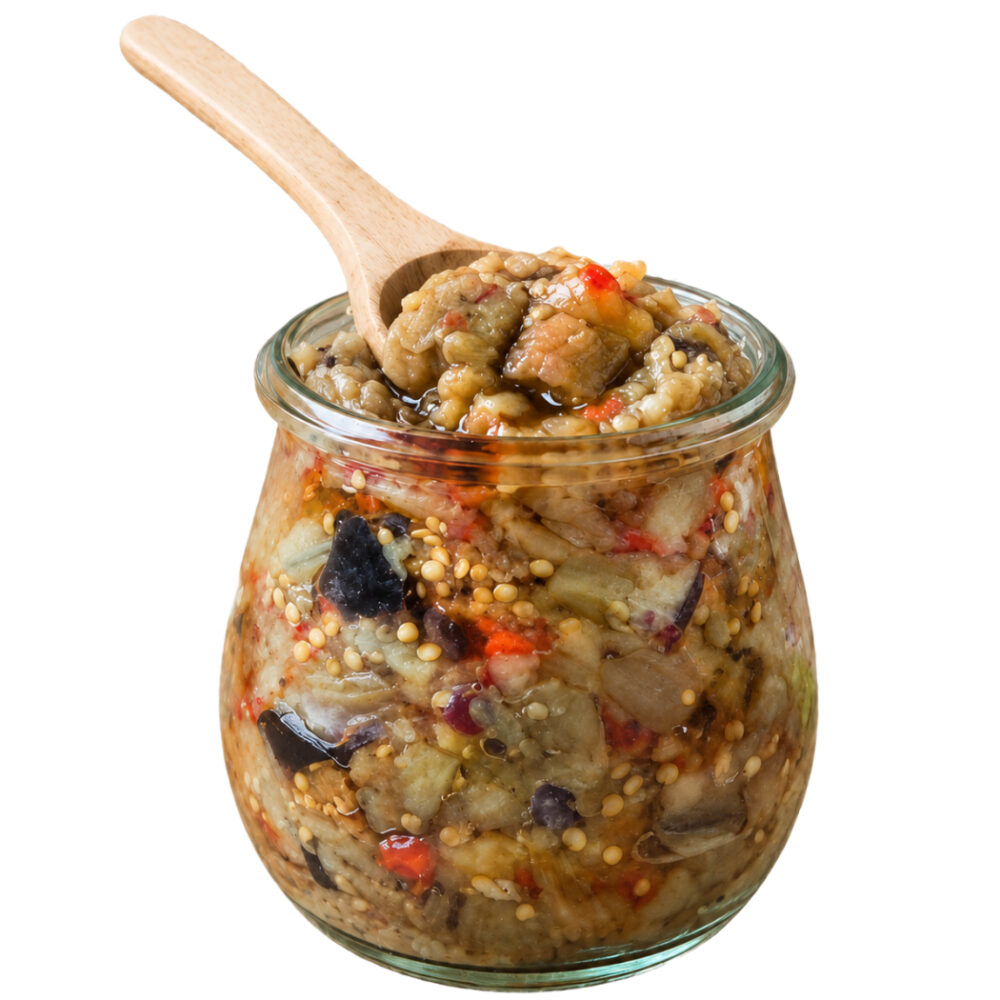
BERENJENAS AL ESCABECHE – Eggplant cooked and preserved with vinegar, oil, garlic, and seasonings, served with bread, meat, or picadas. It represents the Italian/Spanish preserving side of Argentine home cooking.

Icon

Eggs and dairy

PROVOLETA – A thick slice of Argentine provolone grilled until browned on the outside and molten on the inside, normally served as an opening course during an asado. It is the clearest national dish in which cheese itself is the point.

QUESILLO CON MIEL DE CAÑA – Fresh stretched-curd cheese served with dark sugarcane syrup. A standard dessert combination in Tucumán, Salta and Jujuy and one of northern Argentina’s strongest dairy preparations.

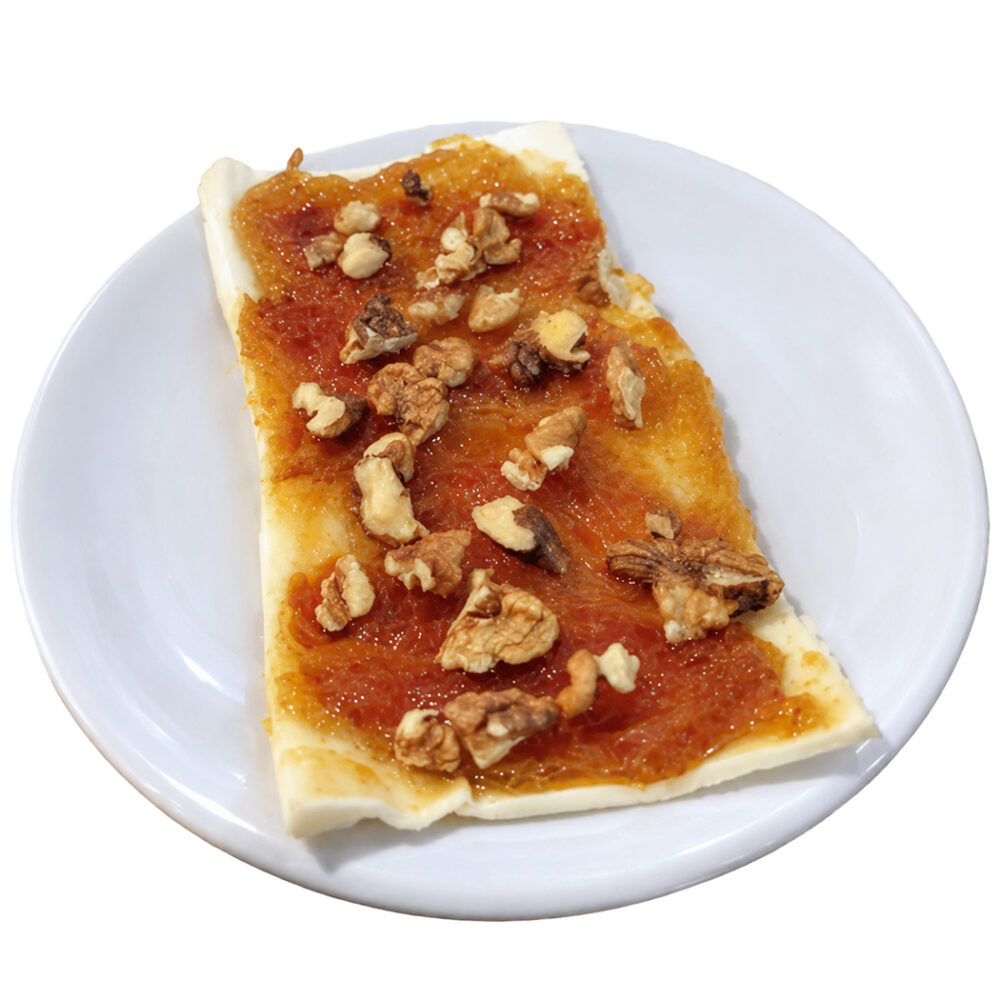
QUESILLO CON DULCE DE CAYOTE Y NUEZ – Mild fresh northern cheese paired with fibrous cayote preserve and walnuts. Particularly associated with Tucumán and the Northwest.

REVUELTO GRAMAJO – Scrambled egg mixed with very thin fried potatoes and strips of ham. A distinctly porteño bodegón dish that became nationally recognizable.
Icon

Sugar, fats and nuts

Alfajores

ALFAJOR – Two biscuits or pastry layers around a filling, most often dulce de leche, frequently coated in chocolate or glaze. It exists in distinct regional forms and is one of Argentina’s nationally defining sweets.

CHOCOTORTA – No-bake layers of chocolate biscuits with dulce de leche and cream cheese. A relatively modern Argentine home dessert that became nationally ubiquitous despite its commercial-product origins.

ROGEL – Many thin crisp pastry layers separated by dulce de leche and usually finished with Italian meringue. The modern named form became established in Buenos Aires in the 1960s.

PASTA FROLA – Lattice-topped buttery tart most commonly filled with quince paste, though sweet potato paste also appears. It is so familiar nationally that Argentine government educational material simply calls it “a very well-known cake in our country.”

FLAN CON DULCE DE LECHE – Egg-and-milk caramel custard served with dulce de leche, one of the standard endings to an Argentine restaurant or family meal.

POSTRE VIGILANTE / QUESO Y DULCE / FRESCO Y BATATA – Slices of fresh cheese with quince or sweet-potato paste. Simple enough to seem barely like a recipe, but deeply established in Argentine bodegones and homes.

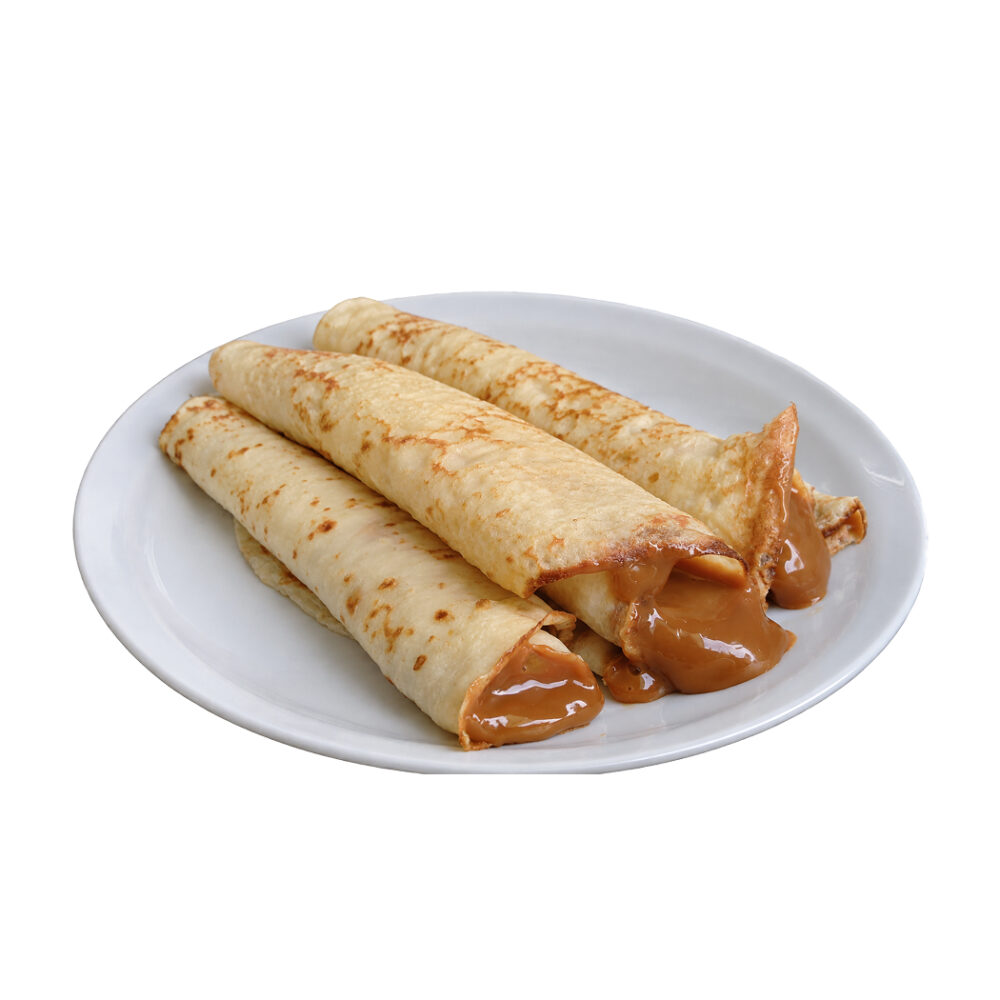
PANQUEQUES CON DULCE DE LECHE – Thin crêpe-like pancakes rolled around dulce de leche, sometimes sprinkled with sugar and caramelized. A firmly Rioplatense use of an imported pancake format.

Back to Top