Quantifying culinary diversity across countries.

Polish food: discover traditional cuisine

About country

Culinary influences

Staple ingredients

Key flavorings

Iconic dishes

Poland is the sixth largest country in the European Union by area, stretching from over 700 kilometers of Baltic coastline in the north to vast agricultural plains in the east and center. Home to 38 million people, it is one of the most ethnically homogeneous countries in Europe, with national minorities making up no more than 3% of the population. About 60% of Poles live in urban areas, with Warsaw ranking among Europe’s top financial hubs today.

The country joined the EU in 2004, retains its own currency, the złoty, and boasts one of the highest rates of higher education attainment in Central Europe. Its economy is the largest in Central and Eastern Europe, a combination of industrial output and deep agricultural roots that reflects its geography well.

Religion has long been a defining feature of Polish identity. Around 87% of the population identifies as Catholic, though church attendance has been declining in recent years.

5 most similar countries by ingredients

5 least similar countries by ingredients

Country Food Similarity Index https://objectivelists.com/country-food-similarity-index/
Polish cuisine comparisons

Icon
GEOGRAPHY AND CLIMATE
CLIMATE

– Cold winters, short growing season, limited crop diversity
– Hardy crops: rye, wheat, barley, potatoes, root vegetables
– Strong reliance on preservation

FLAT LOWLANDS

– 75% of territy is lowland plains
– 60% of land is agricultural
– Large-scale grain farming, monocrop terrains

CENTRAL AND EASTERN PASTURES

– Pig and poultry dominant; cattle present but secondary
Twaróg (farmer’s cheese), household staple
– Core fats: sour cream, butter, and lard

FORESTS

– ~30% of teritorry is forested
– Chanterelles, porcini, and other wild mushrooms foraged when in season
– Seasonal berry foraging

BALTIC SEA AND INLAND WATERS

– Northern coast provides herring, cod, and sprats
– Herring closely tied to Catholic fasting; a Lent staple
– Freshwater carp, pike, perch dominate inland

SOUTHERN HIGHLANDS

– Carpathian mountain range in the south
– Sheep farming centered in the Podhale region

KEY AGRICULTURAL PRODUCTS

– Wheat, rye, barley
– Potatoes, sugar beets, cabbage, carrots
– Apples, currants, strawberries
– Pork, poultry, beef
– Milk, twaróg, butter, sour cream
– Rapeseed oil
– Wild mushrooms

Icon
INTERNAL INFLUENCES
PEASANT FOOD TRADITIONS

– Until the 20th century, the majority of Poles were peasants
– Food revolved around farm and harvest cycles
– Pre-potato diet was based on millet, rye,  cabbage, and groats
– Most peasants ate porridge, not bread. One-pot cooking dominated
– From the 18th century, potatoes started to dominate
– Seasonal pig slaughter was a community event
– Sausage-making was a collective household tradition
– Honey was the primary sweetener
– Beer and mead the standard drinks

NOBLE AND MANOR CUISINE

– Poland’s noble class, the szlachta, was one of the largest in Europe, roughly 8–10% of the population
– Multi-course feasts displayed wealth, hunting skill, and access to imports
– Manor cooks refined peasant ingredients: marinated, stuffed, elaborately presented
– Standard noble meats: goose, pheasant, hare, wild boar, venison
– Several festive dishes still prepared today

RISE OF URBAN FOOD

– Medieval towns brought food production out of home into organized trade
– Baker guilds set the standards for local breads and pastries
– Urban butchers turned sausage-making into a craft
– Markets moved regional foods beyond the villages

Icon
EXTERNAL INFLUENCES
EASTERN BORDERLANDS

– Polish-Lithuanian Commonwealth (16-18c): Lithuanian, Ruthenian/Ukrainian, Belarusian contact
– Expanded dumpling and filled-dough traditions
– Buckwheat (kasza) as a spreading staple
– Beet soups in multiple regional forms

OTTOMAN INFLUENCE (15-17c)

– Black pepper and nutmeg: cheaper in Poland than elsewhere in Europe, due to close Ottoman trade
– Coffee in Polish culture; widespread from the 18th century

ITALIAN INFLUENCE (16c)

– Queen Bona Sforza (16 c.) brought Italian court cooks
– Introduced cauliflower, broccoli, spinach, leeks, celery
– Soup vegetables still called włoszczyzna — “Italian stuff”
– Refined sauces, broader herb use, reduced meat dominance at court level
– Fork use popularized in courts

HUNGARIAN INFLUENCE (16-17c)

– Goulash stews (gulasz) entered Polish cooking
– Hungarian wines imported by the Polish upper classes from the 16th century

ASHKENAZI JEWISH (16-20c)

– One of Europe’s largest Jewish populations before WWII
– Gefilte fish, cholent-style stews, bagels, goose fat, pickling refinement

GERMAN INFLUENCE (13-19c)

– Centuries of contact: shifting borders, shared urban space
– Coarsely ground pork sausage styles; Śląska kiełbasa (Silesian sausage)
– Pork + sauerkraut + potato combination mirrors German plating
– Baking overlap: pretzels, strudel doughs, dense dark breads, layered poppy seed rolls
– Expanded beer culture

AUSTRIAN INFLUENCE (18-20c)

– Galicia under Habsburg rule 1772–1918
– Viennese pastry techniques; layered cakes and tortes
– Schnitzel-like breaded meats adopted and adapted

FRENCH COURT INFLUENCE (18-19c)

– French chefs in aristocratic households
– Multi-course structure, elaborate sauces, refined plating

Icon
CULTURE AND RELIGION
RELIGION

– Catholicism since the 10th century; ~71% today
– Religious calendar structured eating: fasting → feast → celebration
– Up to 180 fasting days per year historically
– Lent reinforced mushroom, cabbage, and groat dishes
– Christmas Eve: 12 meatless dishes
– Easter: pork, sausage, eggs, horseradish

DINING CULTURE

– Home cooking seen as a quality standard
– Clear divide between daily and festive tables
– Bread treated as sacred; bread and salt as a hospitality ritual
– Recipes passed from mother to daughter across generations

ENDURING HABITS

– Mushroom foraging embedded across all classes and regions
– Soup a daily staple, followed by a main dish
– Long winters made fermentation a necessity; over time, a cultural skill

The average Polish daily plate size is

2188 g.
Icon

Grains

Icon

Fish and seafood

Icon

Produce

Icon

Eggs and dairy

Icon

Meats

Icon

Sugar, fats and nuts

Core ingredients

THE ESSENCE OF POLISH CUISINE

Polish cuisine isn’t quick, and it may not always win the aesthetic awards. It’s heavy, hearty, and may demand hours of time. But that’s exactly the point. This is real soul food — the kind that comes from necessity, tradition, and the belief that good things take work. It evolved over the centuries to be eclectic, rich in meat, potatoes, buckwheat, mushrooms, butter, cream, eggs, and pickles of all sorts.

There’s a beautiful coexistence of simple peasant food – porridges, soups, potatoes, and cold meat cuts and elaborate holiday dishes, like hand-formed pierogi, poppy seed cakes, and whole baked carp.  Sour flavors are surprisingly big: fermented foods, pickles, rye bread, and sour cream that fit with nearly everything.  It’s unpretentious food that prioritizes flavor and nourishment.

Polish people eat soups daily. They’re nutritious and warming, usually based on poultry or vegetable broths: chicken rosół, tomato zupa pomidorowa, pickled cucumber zupa ogórkowa, pea soup grochówka, red borscht barszcz czerwony, and sour rye żurek.

A typical Sunday dinner for a Polish family would consist of two courses and dessert. A great example would be chicken broth  rosół for the first course, and pork loin (kotlet schabowy) with potatoes and beets  salad (buraczki) for the second. Then there is an obligatory cake of some kind for dessert, such as cheesecake (sernik), or a piece of apple pie (szarlotka).
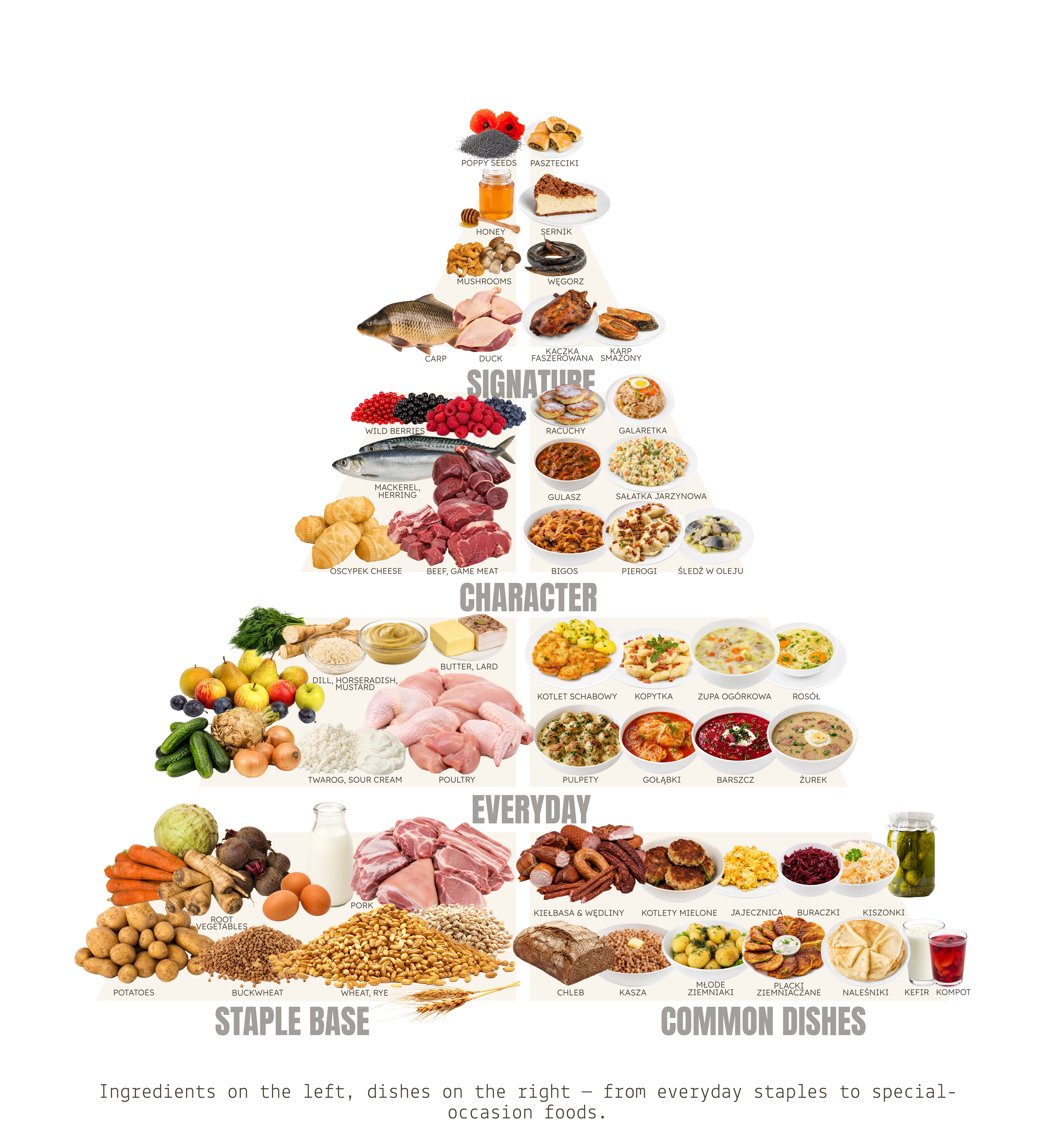
GRAINS IN POLISH CUISINE

Kasza, groats, is one of those words that covers a lot: buckwheat, barley, millet, pearl barley, oats. All minimally processed, all important locally. Poland has varieties of groats, much the same way Italy is known for its pastas, cooked as kasza since medieval times. For centuries it was considered “food for the poor”, but perception is now flipping for the benefits of whole grains. Buckwheat kasza gryczana, is almost a national starch. Poles use roasted buckwheat, which has a nutty, earthy flavor, has a low glycemic index, and holds its shape during cooking. Buckwheat kasza is served as a side dish instead of potatoes, mixed into soups, or incorporated into kaszanka, a traditional blood sausage.

Though wheat prevails, rye is also significant to this date. Zakwas, a rye sourdough starter, is something Polish families keep alive for years. It feeds mainly two dishes. First, there’s the dark, dense sourdough bread that can last up to two weeks without spoiling. And then there’s żurek, a sour rye soup that’s genuinely unusual in world cuisine. Żurek is made with soured rye flour (akin to sourdough), potatoes,  eggs, boiled pork sausage or pieces of smoked sausage, bacon or pork ribs. The soup is tangy and thick in texture. It is considered a strong part of Polish culture and has been eaten in Poland since at least the Middle Ages.

A wheat dough pierogi is interesting in a global context because they sit inside a huge “stuffed dough” family that stretches from Chinese jiaozi to Italian ravioli to Central Asian manti. Poland didn’t invent these dumplings, but fully absorbed them into its national identity. The technique likely traveled west through medieval trade routes and by the 13th–15th centuries, filled dumplings were already established in the Polish-Lithuanian lands. Over time, they stopped being a borrowed form and became local. The fillings reflect Polish agricultural reality: wheat for dough, dairy, cabbage, buckwheat, mushrooms, and meat for fillings. Why did they become so popular? Mostly for the efficiency. A small amount of filling stretches far inside the dough. Pierogi could be made vegetarian, festive, or luxurious. They also store and reheat well. In Poland today, pierogi sit somewhere between comfort and occasion food. Many families make them for weekends, certain types are strongly tied to Christmas Eve, especially the sauerkraut and mushroom fillings. At the same time, frozen pierogi are common as an easy weekday meal.

PRODUCE IN POLISH CUISINE

“It’s all cabbage and potatoes”. Cabbage and potatoes matter, yes. For a cool climate, cabbage is foundational, especially fermented. Beets are also consumed creatively. Many countries use them; Poland built an entire salad and soup set around them. Carrots, parsley root, celeriac, leeks and parsnip form a recognizable aromatic base, often called włoszczyzna (the Italian stuff), used in broths across the country. That tight, repeated combination is very Polish compared to Mediterranean sofrito or French mirepoix.

The main course is typically accompanied by surówka, shredded cabbage, carrots, turnips, and cooked beetroot. Dressed with lemon and sugar. This differs from sałatka, which is a wide term for the salad, as this is not a salad in the Western sense. It’s a fixed component of the meal, side to a meat dish and potatoes, but mostly at home or in a milk bar, not in a restaurant.

Spring in Poland historically meant a wave of wild plants into the kitchen. Sorrel, young beet greens, dandelions, and stinging nettles were all used in soups. Sorrel soup (zupa szczawiowa) is still common. As the hot season is so short, the fresh veggies undergo a fermentation treatment, and that is not vinegar pickles. That’s natural lactic fermentation, when vegetables rest in salted brine with garlic, dill, horseradish root, and spices. The result is salty, sour, texturally crunchy veggies that counterbalance pork, sausage, and fried foods.

The average Pole carries a shaman’s knowledge of mushrooms, berries, and ancestral recipes.

Wild mushrooms, especially boletus species, are unusually popular compared to many other European cuisines. Tart berries – wild raspberries, blueberries, currants revive game and roasted meats; also are used as a fresh summer filling to pierogis (pierogi z jagodami). Hot raspberry tea or syrup (sok malinowy) is still a home remedy for fevers and colds. In cuisine, they appear in compotes and liqueurs like malinówka.

Poland is the largest producer of chokeberries (aronia) in the world. Sour cherries, known as wiśnia nadwiślanka, have a Protected Designation of Origin status since 2009.  Two varieties of plums also hold Protected Geographical Indication status.

MEAT IN POLISH CUISINE

If you hear the word meat in Poland, then think pork, that is the nation’s favourite. An average Pole consumes the most pork globally, even 150grams per day! For centuries, Polish people raised pigs, and other small animals like chickens and geese, because they require little land, reproduce quickly, and are easy to keep in villages. The tradition of small-scale pig farming continued for generations.

The autumn pig slaughter, świniobicie, typically happened between November and early winter, with good practical reasons behind. By December, the nine or ten-month-old pigs were fat enough, and as temperatures drop, it was the best time to preserve meat in cold air. Because people were stocking up on supplies before winter, it became customary to slaughter more than one pig. Families visit their relatives to help, produce fresh sausages, prepare hams and lards, and smoke and cure them in large quantities.  It’s less common now, but still happens in some rural areas.

Polish cooks use pork in just about every way possible: fresh, braised, rendered into lard, and turned into sausages of remarkable variety. Dozens of regional kiełbasa (sausage) styles, eaten hot or cold, smoked or cured, in sandwich, soups, for breakfast, lunch or dinner. Germany, Austria, and parts of Central Europe also share it, but Poland’s everyday reliance on smoked pork as a flavor base is very consistent.

Daily meat in Poland is about practical, repeatable formats. The everyday icon is kotlet schabowy — a breaded, pan-fried pork cutlet, similar to Wiener schnitzel but made from pork loin. Chicken cutlets (kotlet drobiowy) function the same way. Dishes like pork neck stewed with onions, or gulasz wieprzowy, appear regularly. Meatballs (klopsiki), meatloaf (pieczeń rzymska), and cabbage rolls (gołąbki), minced pork/beef wrapped in cabbage) are common domestic dishes. They combine grain, rice, or bread with meat and so extend the meat. Beef is rather rare quantity-wise; it appears more in broth than as steak.

Beyond sausages, Poles have a tradition of wild boar, venison, and duck, as game has long been a delicacy for the Polish gentry.  Among the delicacies of the Polish nobility were honey-braised bear paws served with horseradish-flavoured salad, smoked bear tongue, and bear baconBigos Królewski, or “Royal Bigos,” featured luxurious wild game, venison, or wild boar, and because the nobility had access to good wine, the hunter’s stew was cooked with it. The 18th century saw the development of a poor man’s version, bigos hultajski, where vinegar and lemon juice were replaced with cheaper sauerkraut, and cabbage acted as a filler to reduce the amount of meat. So the same dish exists in two historical registers: one noble, one peasant.

FISH AND SEAFOOD IN POLISH CUISINE

What’s rather absent compared to other European cuisines is robust, fresh seafood. Despite Baltic Sea access, Poland never developed the fresh fish bars, grilled fish markets, or daily seafood consumption patterns common in Mediterranean or Atlantic coasts. Poland repeatedly lost access to the Baltic Sea throughout its history due to wars, so its cuisine came to be dominated by freshwater fish.

Carp is most important during the Christmas Eve dinner (Wigilia), where it can be fried in breadcrumbs, baked in aspic, or served in a sweet-sour sauce. This Christmas carp tradition is so embedded that cities set up temporary fish markets in December where people buy live carp to keep in bathtubs before preparing. Freshwater pike, zander, trout, and tench appear regularly, often baked, poached in court-bouillon, or fried.

The variety of herring is impressive: marinated in oil, or vinegar with onions; pickled Jewish-style; served in sour cream; or done Greek-style with tomatoes and peppers. The herring comes from the Baltic, though much gets imported.

Smoking in Poland is not a borrowed trend; it developed independently and early. Archaeologists discovered what appeared to be the remains of a fish-smoking factory in Poland dating back to the seventh century. Smoked trout, perch, pike, and eel from rivers and lakes dominate and have a different character from Scandinavian or British smoked sea fish. Smoked eel (wędzony węgorz) is a luxurious treat. It is fairly oily and strong-tasting, eaten with shots of vodka.  There’s a domestic tradition of turning smoked fish into spread, pasta rybna. Smoked fish blended with mayonnaise, herbs, and sometimes horseradish is a standard open sandwich topping.

MILK AND DAIRY IN POLISH CUISINE

Polish dairy creates a balancing and binding function: śmietana, cultured sour cream, goes into soups, sauces, and can finish almost every Polish dish. Twaróg fresh curd cheese is eaten for breakfast and put into sweet fillings. Kefir and buttermilk are everyday drinks.

Also interesting is scale. Poland is one of Europe’s largest milk producers today, yet the cuisine still favors simple, minimally aged cheeses. Oscypek, the smoked sheep’s cheese from the Tatra region, stands out as a rare, protected, shepherd product, but most dairy is humble and functional.

The closest thing to a public snapshot of everyday Polish food is milk bars (bar mleczny). Their name comes from their early focus on cheap dairy and egg-based meals, with no meat. They began in the late 19th century and expanded massively under the socialist system, offering budget-friendly, traditional Polish home cooking.

DESSERTS IN POLISH CUISINE

Polish desserts boldly use poppy seeds and a fresh curd cheese twaróg. Poppy seeds are a star of makowiec, a dense spiral cake in which ground poppies are sweetened with honey and rolled into yeast dough. The Polish cheesecake sernik uses twaróg rather than cream cheese, creating a drier, more granular texture that feels a bit rustic. Pączki are Poland’s version of donuts, but they’re fried and filled with jam.

Communist-era scarcity fundamentally rewired Polish baking. Under soviet influence, Poles needed ration cards for sugar, flour, and butter.  Empty shops were the norm, and state bakeries churned out mass-produced bread and simple pastries because that’s all the centralized system could manage. The creativity that emerged from this scarcity, like the wuzetka cake, which was invented during these shortages. It’s a chocolate sponge filled with whipped cream and marmalade that became iconic precisely because it could be made with whatever was available. Ciepłe lody, or “warm ice cream,” was created at the time. It’s actually an egg-white mousse served in a waffle that looks like ice cream. Poles also developed szyszki, caramel cones made with puffed rice, a homemade wafer cake with fruit preserve filling instead of caramel. That resourcefulness stuck.

Poland’s current artisanal bakery renaissance is partly a reaction against communist-era mass production. Places like Zaczyn in Kraków now use 25-hour fermentation processes and grind flour on-site, deliberately returning to pre-war techniques that communism erased.


SEASONINGS

Polish cooking doesn’t aim for complexity. It gets intensity through repetition and layering of a few core elements: fermentation, smoke, fat, few herbs and spices.  Each component is strong on its own, and together they create something that hits multiple taste receptors at once.

Polish cooking uses lard and bacon fat as a foundational flavor carrier. Bacon is rendered until the fat runs clear, and that pork fat becomes the medium that holds everything together.

Acid is the second pillar, and Poles use it more aggressively than most Western European cuisines. Sour cream is a staple condiment for many dishes.  Fermented sauerkraut, cucumbers, and other vegetables balance fat.

The spice palette is restrained. Dried marjoram dominates in kielbasa and pork dishes. Caraway is a bread and sauerkraut staple seasoning, adding a distinctive anise note. Dill gets used fresh and dried, thrown in by the handful.

Smoked meats like kielbasa and kabanos aren’t just preserved; they’re smoked, and that flavors the entire pot. Even cheese gets smoked, like oscypek.

Polish food doesn’t chase the crispy-tender contrast you see in Asian stir-fries or the al dente precision of Italian pasta. Things are cooked until soft, often braised for hours until the meat falls apart. Potatoes get boiled and sometimes pan-fried in butter, but crispness isn’t the goal. It creates comfort through softness.

SAUCES

Most of these sauces rely on fundamental sour cream.  They’re designed to complement hearty meats and starches, not overpower them.

SOS PIECZENIOWY – roast gravy, made from meat drippings, stock, sometimes thickened with flour. Served with kotlet schabowy, roast pork, meatballs, and mashed potatoes.

SOS GRZYBOWY – mushroom sauce, uses dried forest mushrooms, typically porcini. Poles rehydrate these mushrooms and simmer them with cream or stock to create an earthy sauce that accompanies dumplings, meats, and potato pancakes.

SOS KOPERKOWY – dill sauce, made with fresh dill, sour cream, and often a roux base, is poured over boiled potatoes or fish and vegetables. The sauce is creamy with that distinctive dill tang.

SOS CHRZANOWY – is pure horseradish sauce, sometimes mixed with cream or beets. It’s sharper than ćwikła and traditionally served with boiled beef or pork dishes.

SOS CEBULOWY – onion sauce, sometimes cream-based, sometimes gravy-based.
SOS MUSZTARDOWY – mustard sauce, often paired with pork or boiled meats.

ĆWIKŁA – pink sauce / condiment, which combines grated beets with horseradish, creating a sweet-sharp condiment for cold meats.

Icon

Herbs

DILL

MARJORAM

PARSLEY

CHIVES

WILD GARLIC

SORREL

BAY LEAVES

Icon

Spices

BLACK PEPPER

ALLSPICE

WHITE PEPPER

CARAWAY

JUNIPER BERRIES

DILL SEED

Icon

Aromatics

GARLIC

ONION

DRIED MUSHROOMS

CELERY ROOT

CARROT

PARSLEY ROOT

Icon

Condiments

PORK FAT

BUTTER

SOUR CREAM

HORSERADISH

FRUIT VINEGAR

MUSTARD

POPPY SEEDS

MAYONNAISE

BERRY PRESERVES

HONEY

Select to see authentic flavor combinations and what they go with

Icon

Meats

Aw58, CC BY-SA 4.0 , via Wikimedia Commons

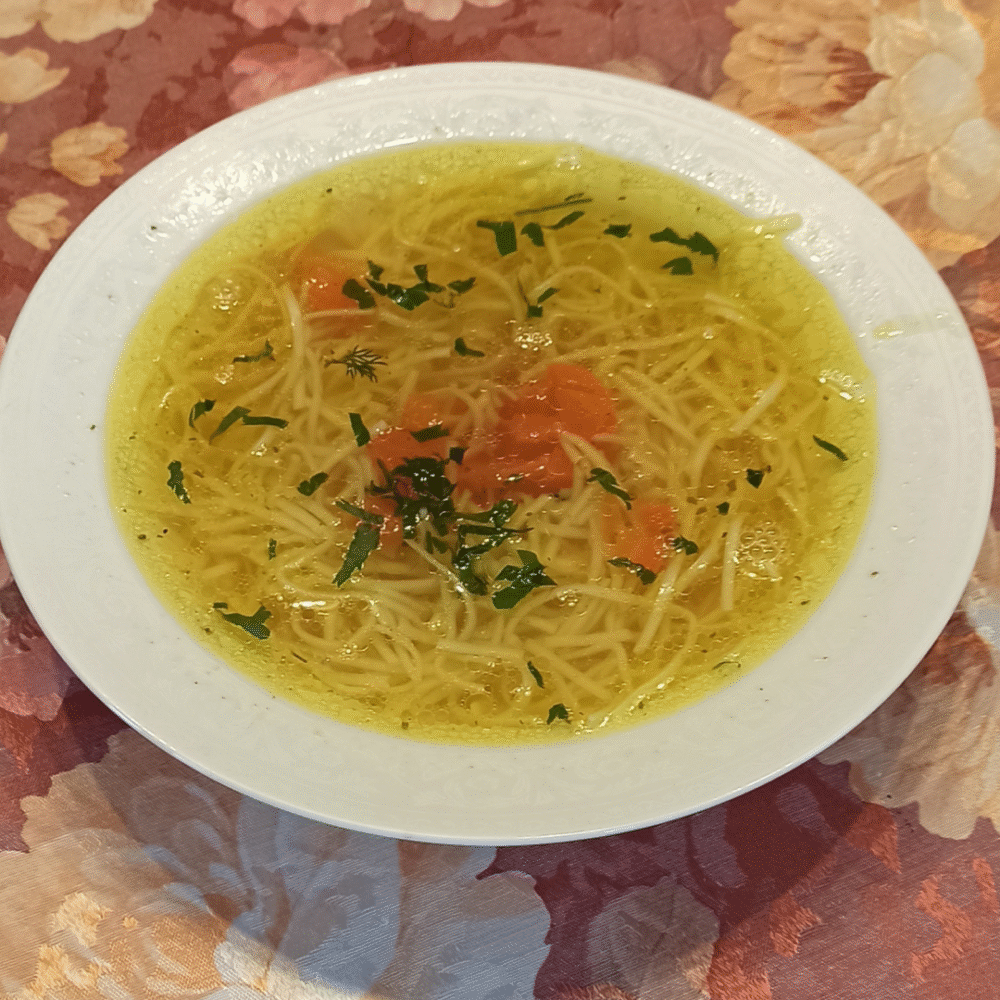
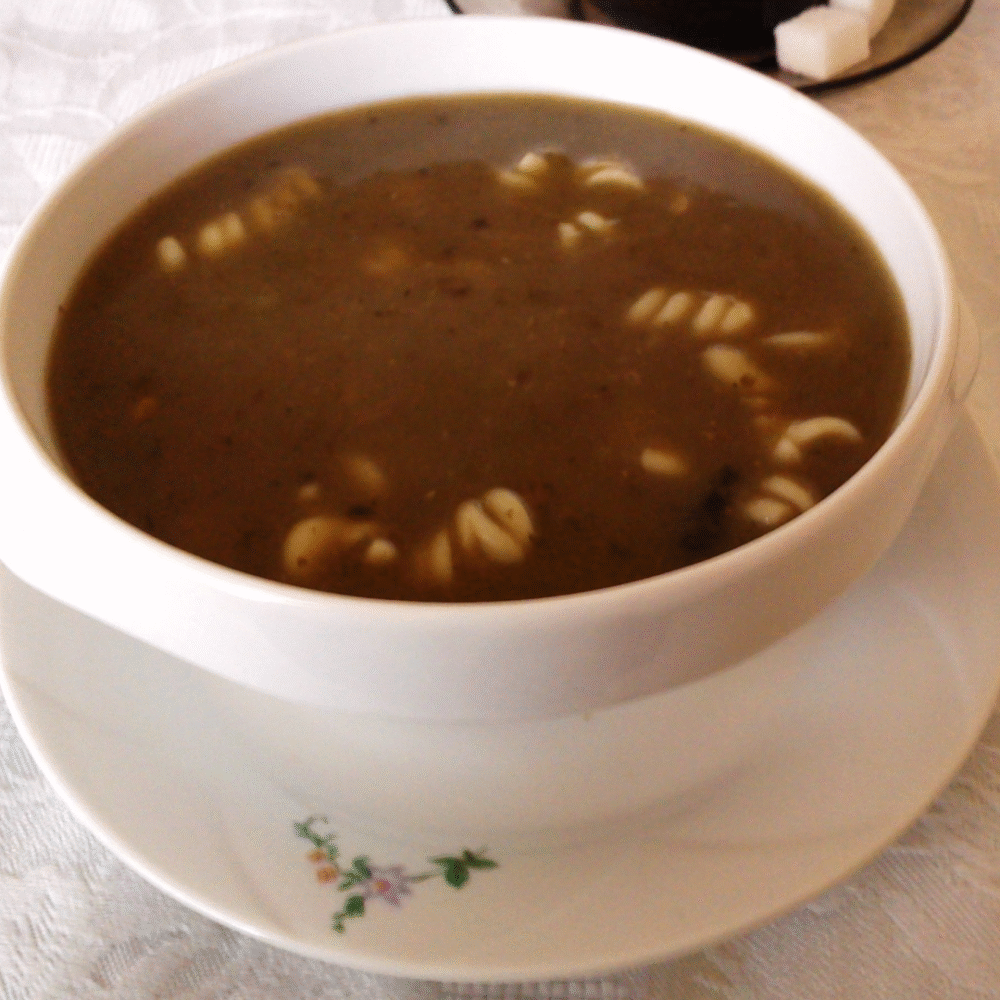
ROSÓŁ – one of the most popular Polish soups, served during family dinners, prepared primarily on chicken broth. Its most popular variety is the rosół z kury, or clear chicken soup. It is served with capellini pasta, Polish makaron nitki.

Alina Zienowicz Ala z, CC BY-SA 3.0 , via Wikimedia Commons

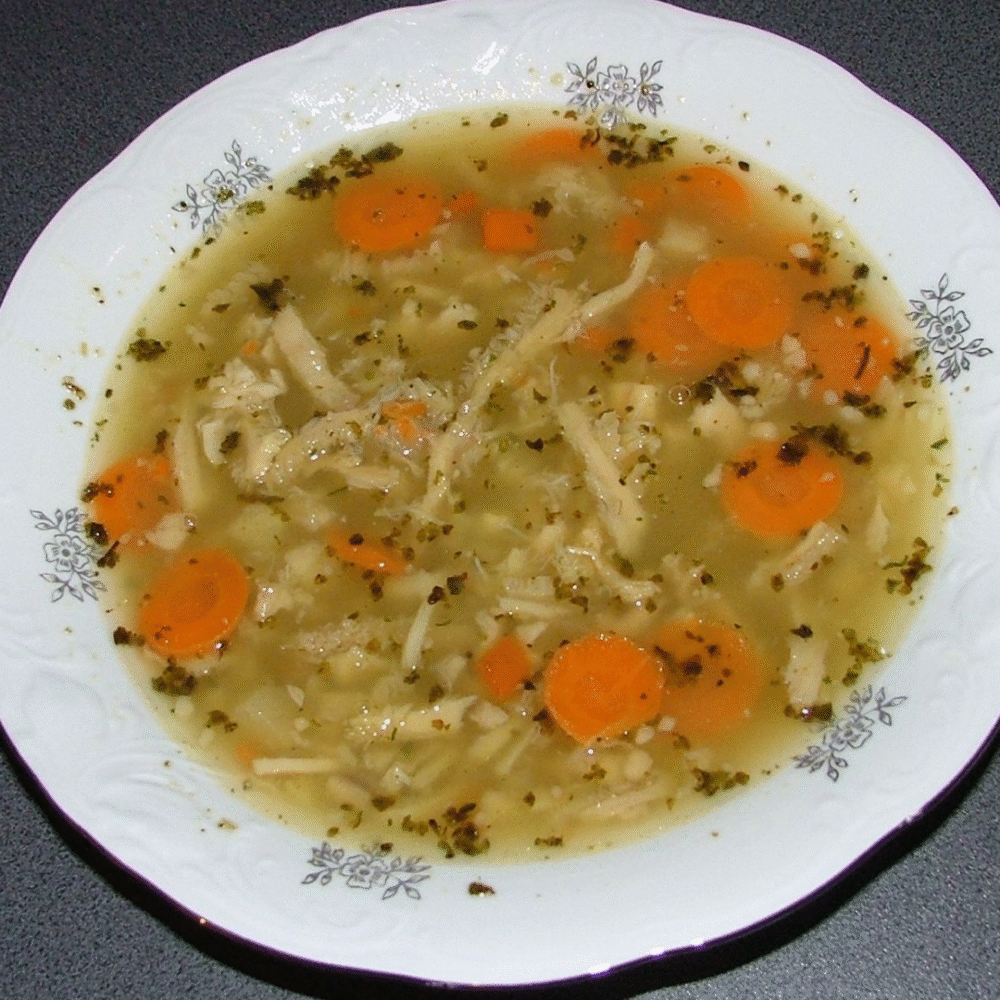
FLACZKI – a thick soup translated to ‘guts’, as it’s made from thinly sliced beef tripe (the stomach lining of a cow). Cooked with root vegetables, meat broth, nutmeg and marjoram. This soup has been a staple in Polish cuisine since the 14th century.

Xylotet, CC BY-SA 4.0 , via Wikimedia Commons

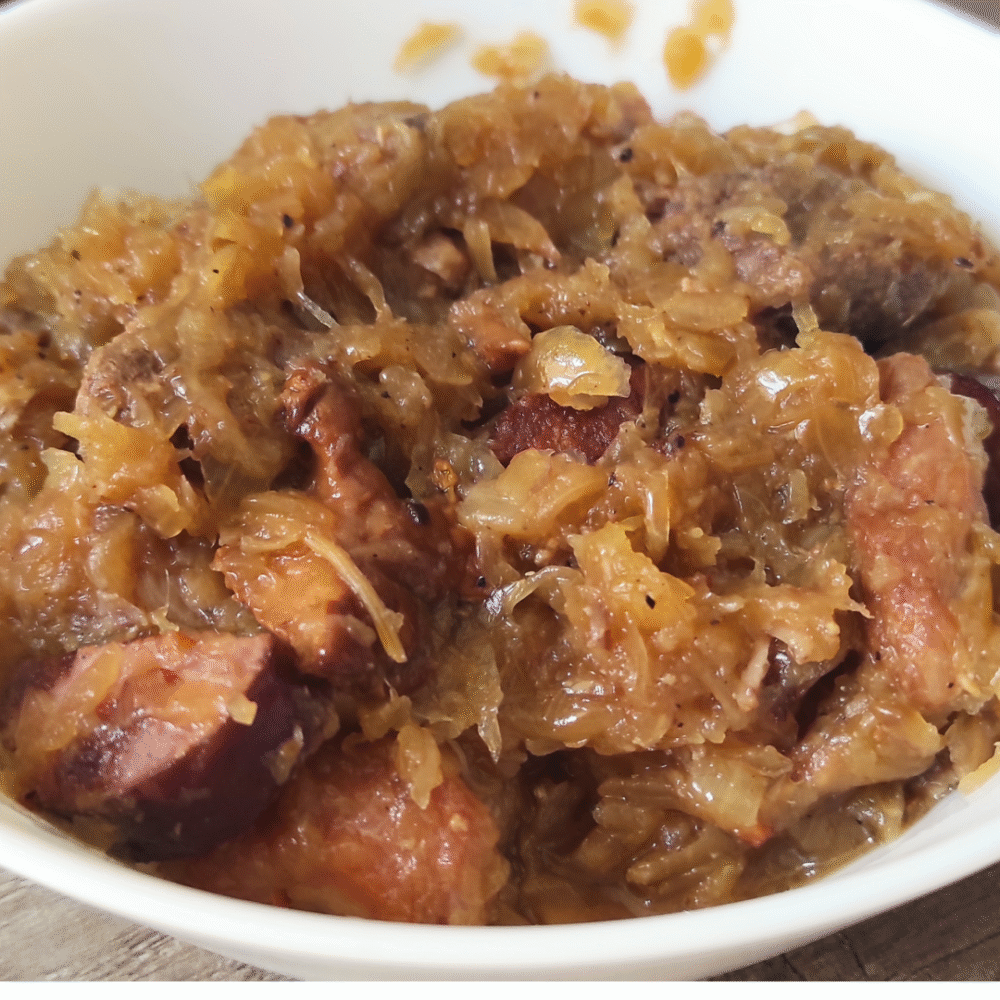
BIGOS – hunter’s stew. It is a hearty and tangy one-pot meal featuring a mixture of stewed pork, beef, and sausage, sauerkraut, shredded fresh cabbage, mushrooms, onions, and spices. It is a staple of Polish cuisine, often served with bread or mashed potatoes.

Aw58, CC BY 4.0 , via Wikimedia Commons

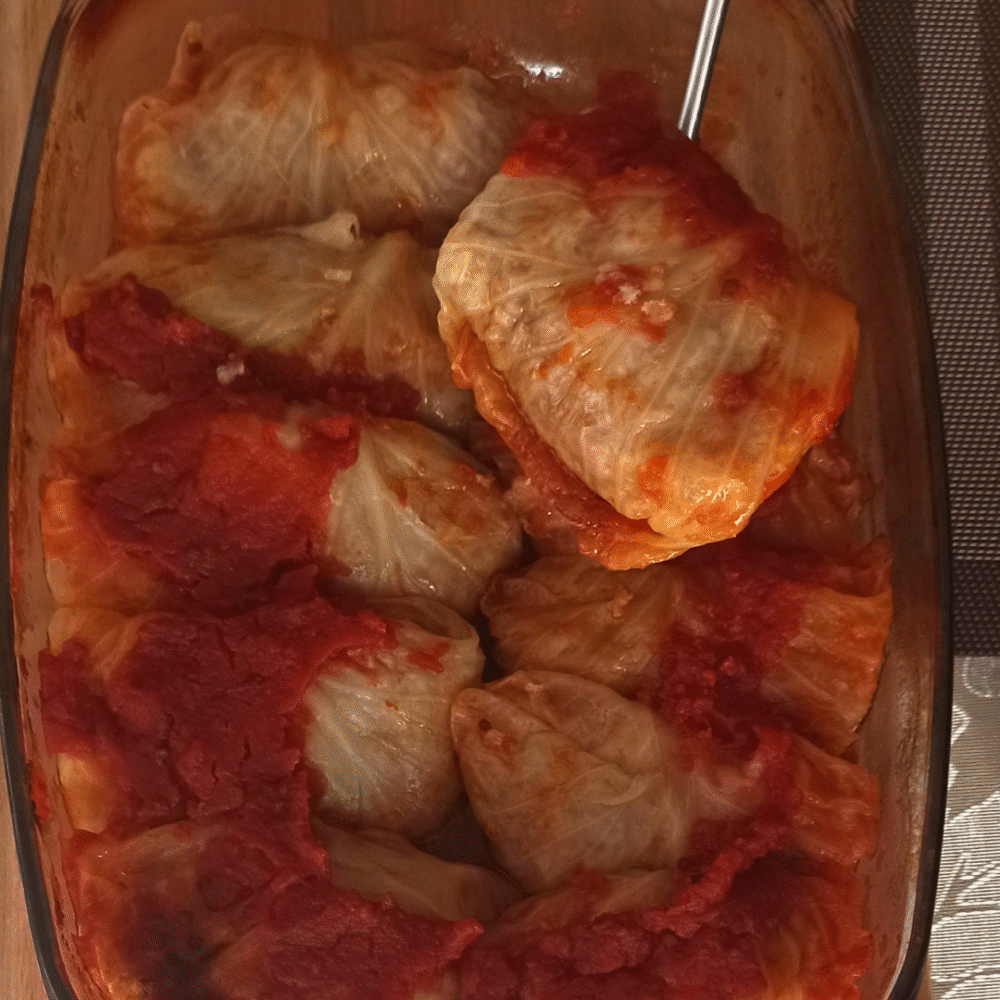
GOŁĄBKI – stuffed cabbage rolls made by wrapping a filling of minced pork with rice, onions, and spices in softened cabbage leaves. They’re cooked slowly — simmered in tomato sauce. The name means little pigeons, referring to their shape more than any poultry ingredient.

Dmitry Dzema, CC BY-SA 4.0 , via Wikimedia Commons

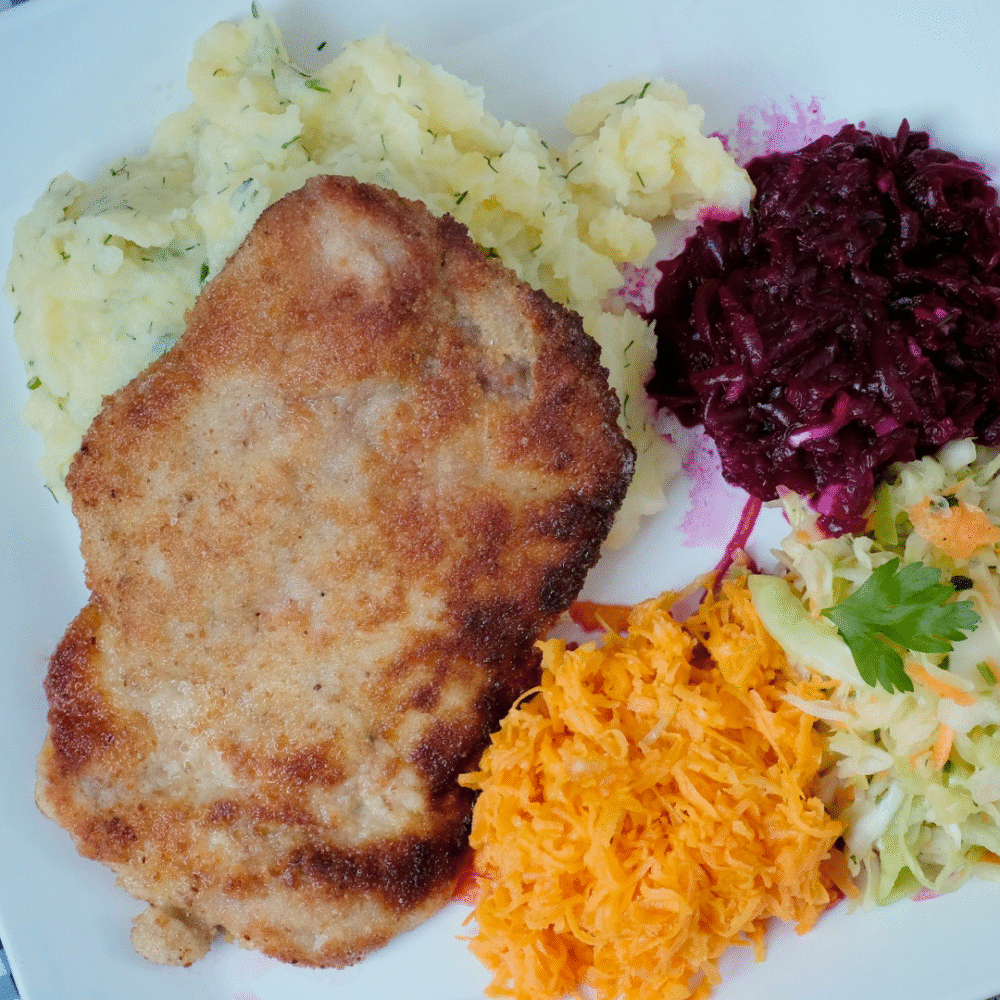
KOTLET SCHABOWY –  a variety of a breaded cutlet of pork coated with breadcrumbs.

Aw58, CC BY-SA 4.0 , via Wikimedia Commons

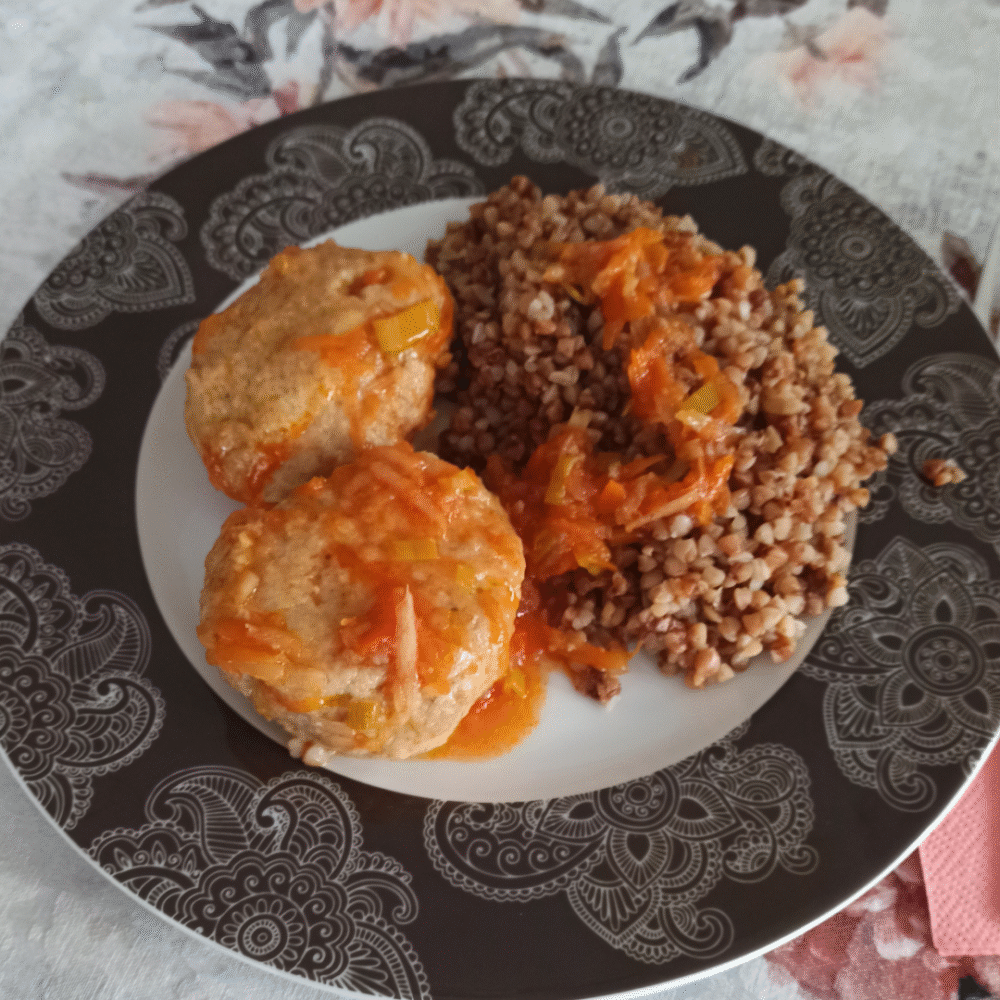
PULPETY / KLOPSIKI – minced pork or a pork-beef mix meatballs, combined with soaked bread, egg, onion, salt, and pepper, and cooked in a light creamy sauce of dill, tomatoes, or mushrooms. Paired with boiled potatoes, kasza, or rice, plus a vegetable side like buraczki.

MOs810, CC BY-SA 4.0 , via Wikimedia Commons

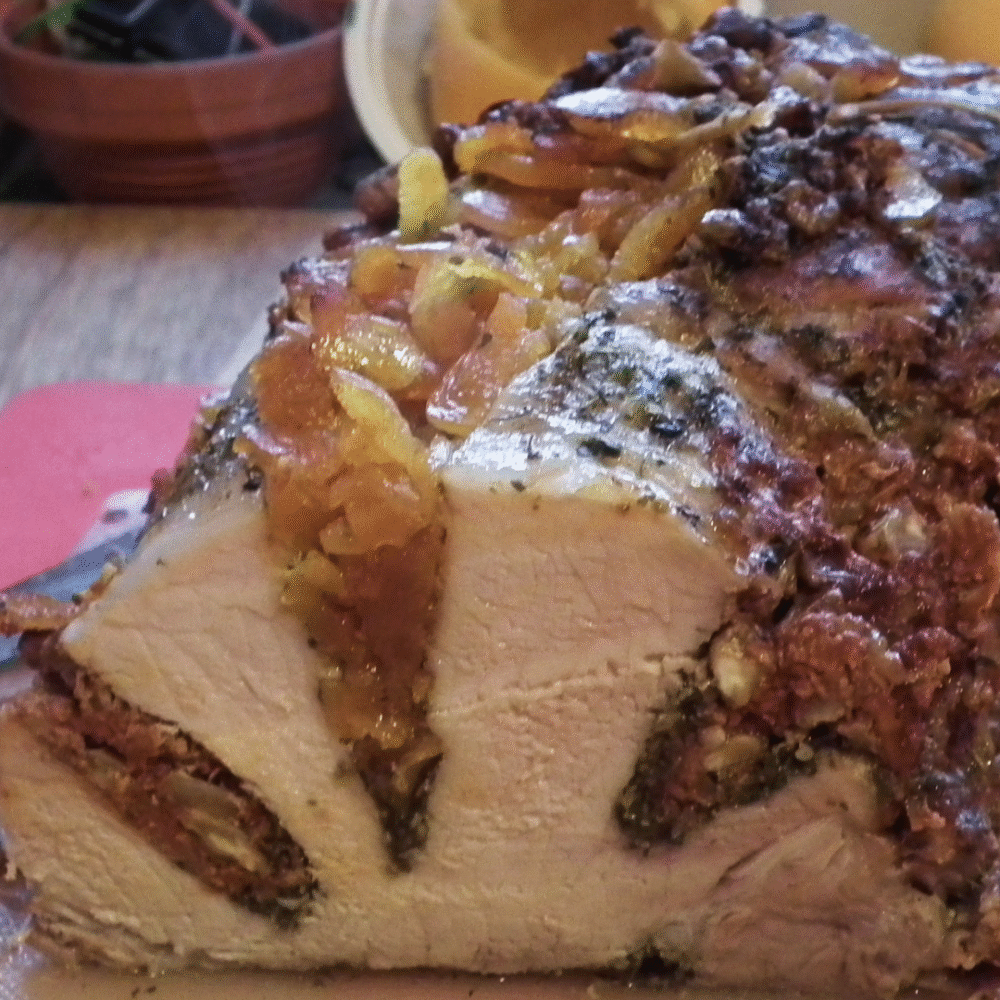
SCHAB PIECZONY – roasted pork loin, often marinated with garlic and herbs, sometimes stuffed with dried apricots or plums.

MOs810, CC BY-SA 3.0 , via Wikimedia Commons

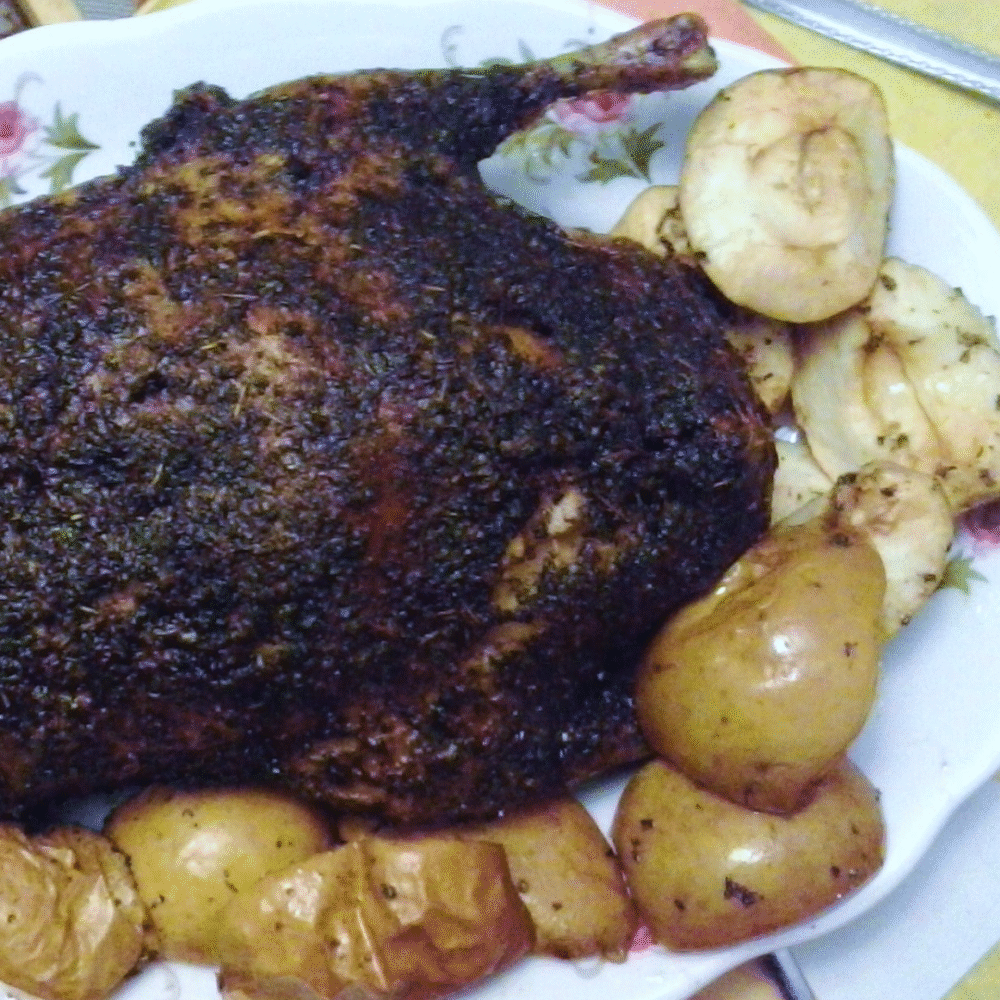
KACZKA Z JABŁKAMI – Roast duck with apples, a classic Polish festive dish. A whole duck is seasoned (often simply with salt, pepper, and marjoram), stuffed or surrounded with tart apples, and roasted slowly until the skin turns crisp and the meat becomes tender.

Aw58, CC BY 4.0 , via Wikimedia Commons

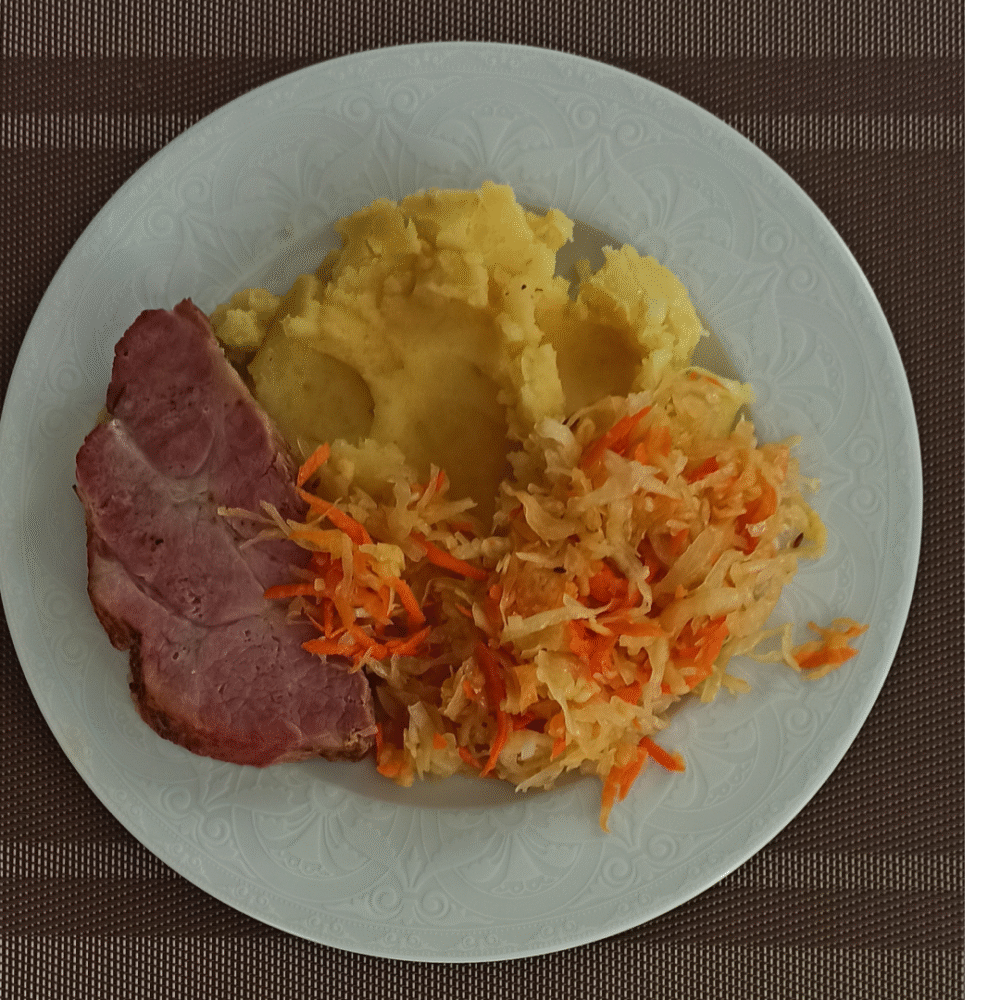
KARKÓWKA – pork neck, a well-marbled, flavorful cut from the upper shoulder. Karkówka z grilla – thick slices grilled, very popular at summer barbecues, karkówka pieczona – roasted whole or in slices, karkówka duszona – braised slowly with onions or in gravy.

مانفی, CC BY-SA 4.0 , via Wikimedia Commons

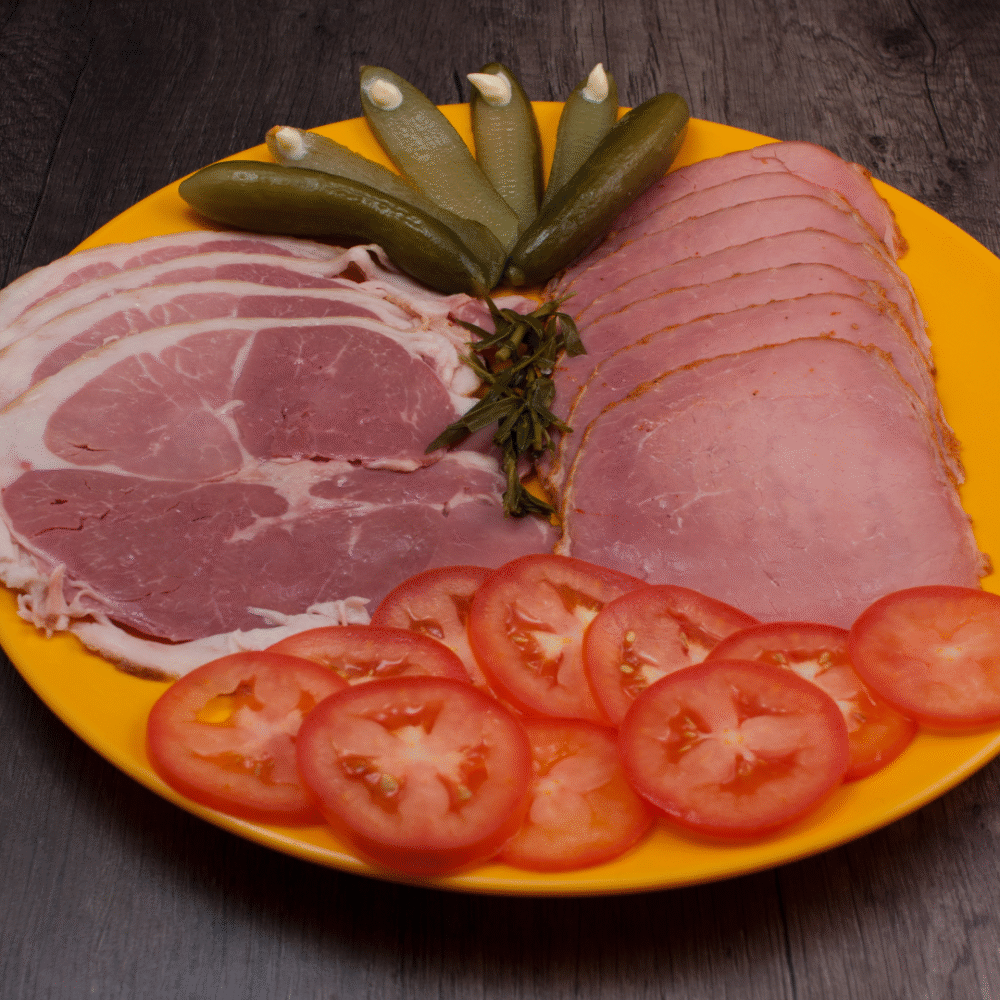
WĘDLINY – cured, smoked, or cooked sliced meats served cold. It includes ham, sausages, kabanos, smoked pork loin, and similar products.

Silar, CC BY-SA 3.0 , via Wikimedia Commons

KIEŁBASA – traditional smoked pork sausage. Typically made from pork (sometimes pork + beef), coarsely ground. Seasoned with salt, pepper, marjoram, garlic, often smoked over wood. There are dozens of varieties. Like kiełbasa wędzona – smoked sausagem kiełbasa śląska – Silesian style, thicker and mild, kiełbasa biała (white sausage) – fresh, unsmoked, used in żurek. 

Kuruni, CC BY-SA 4.0 , via Wikimedia Commons

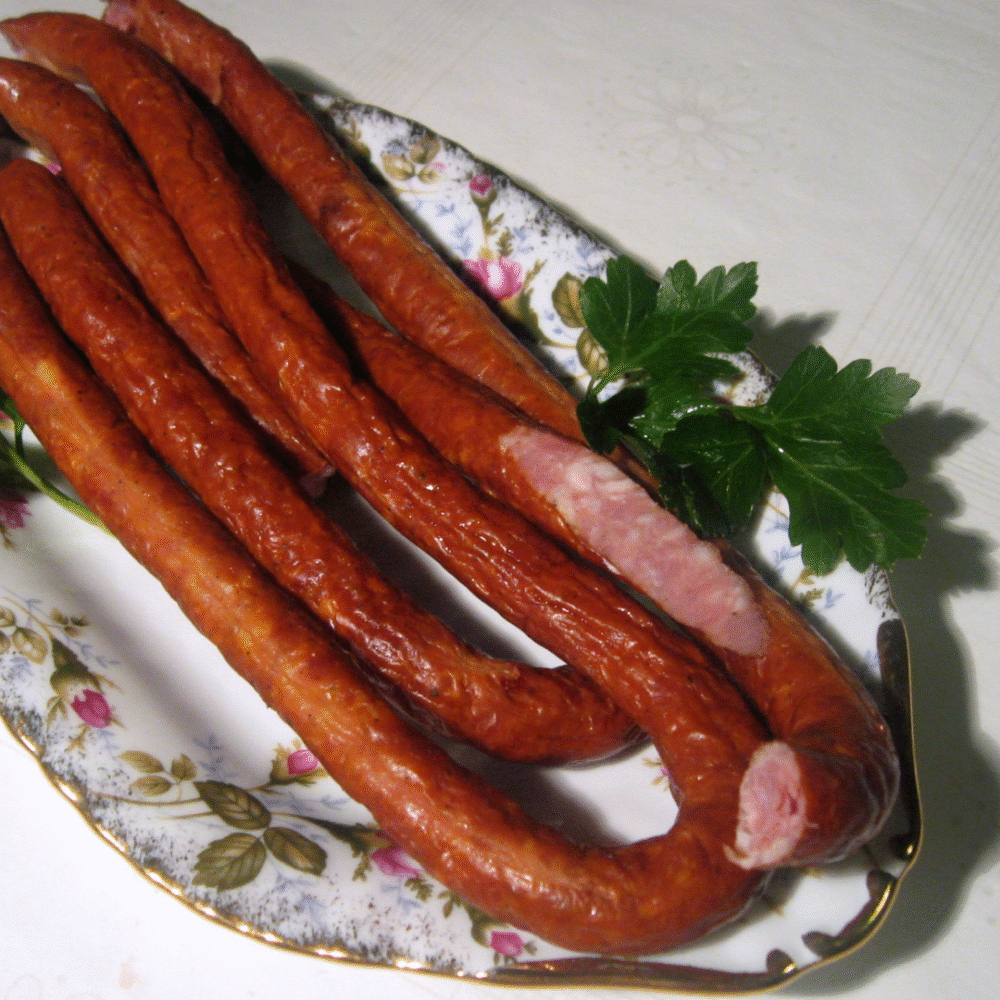
KABANOS – a thin, dry, smoked Polish sausage made primarily from pork. Its long and very slender, firm and intensely smoky.

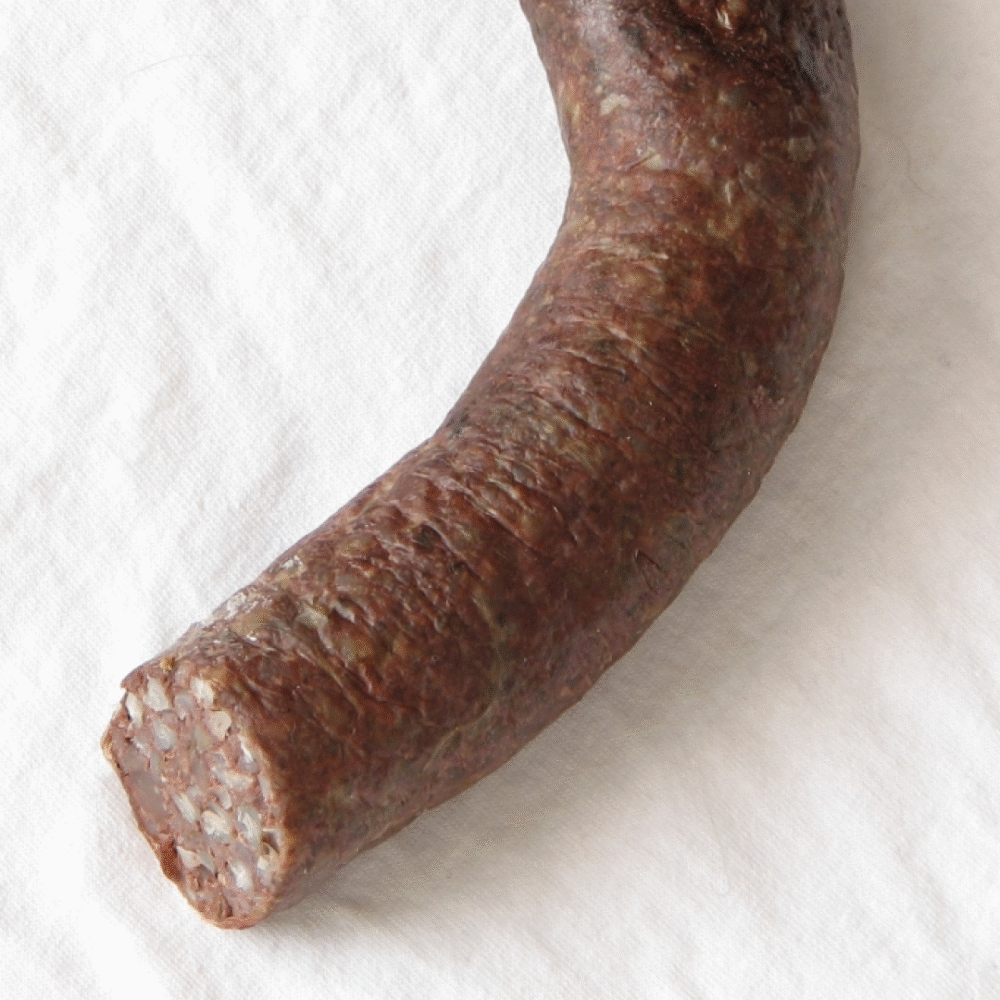
Mariuszjbie, CC BY-SA 3.0 , via Wikimedia Commons

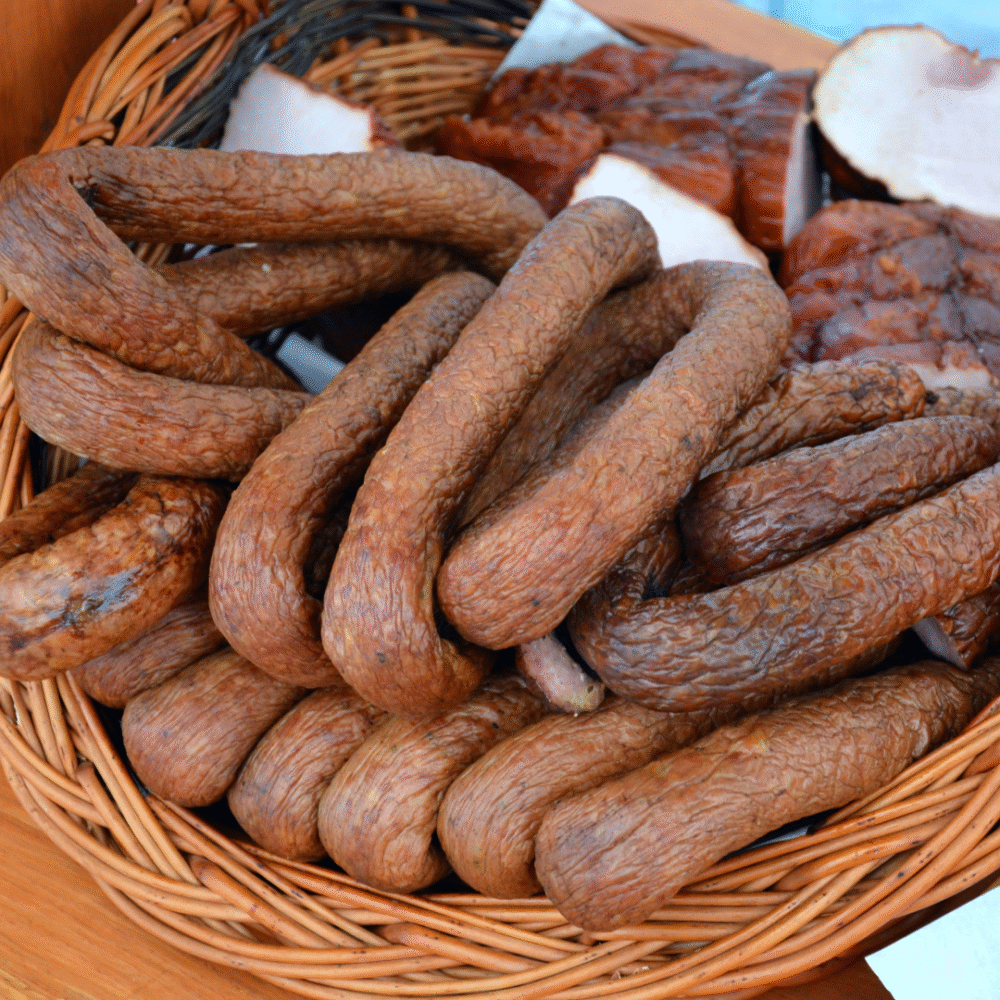
KASZANKA – blood sausage with buckwheat or barley groats.

Icon

Fish and seafood

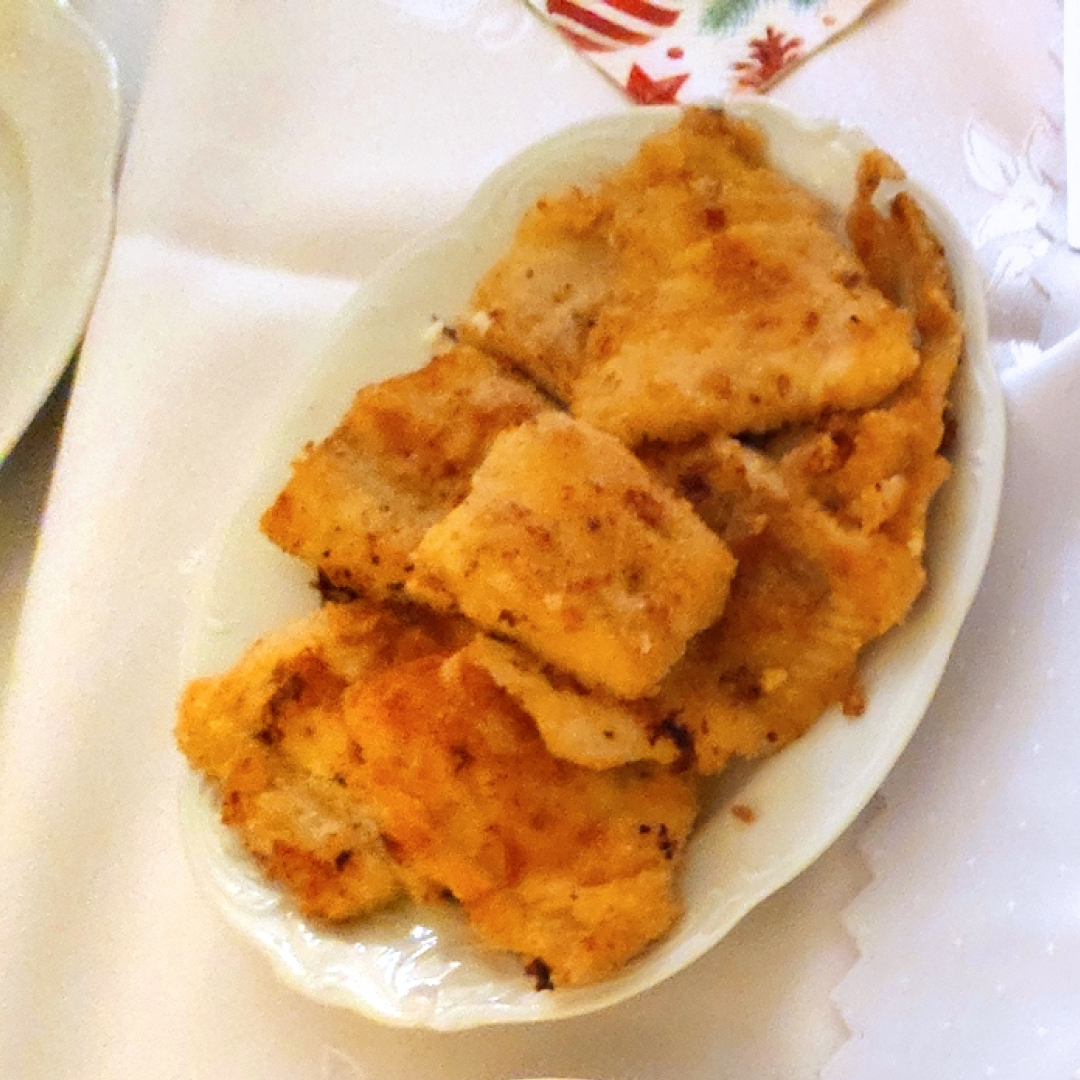
Marek Slusarczyk, CC BY 3.0 , via Wikimedia Commons

KARP SMAŻONY – fried carp, the centerpiece of Christmas Eve dinner.

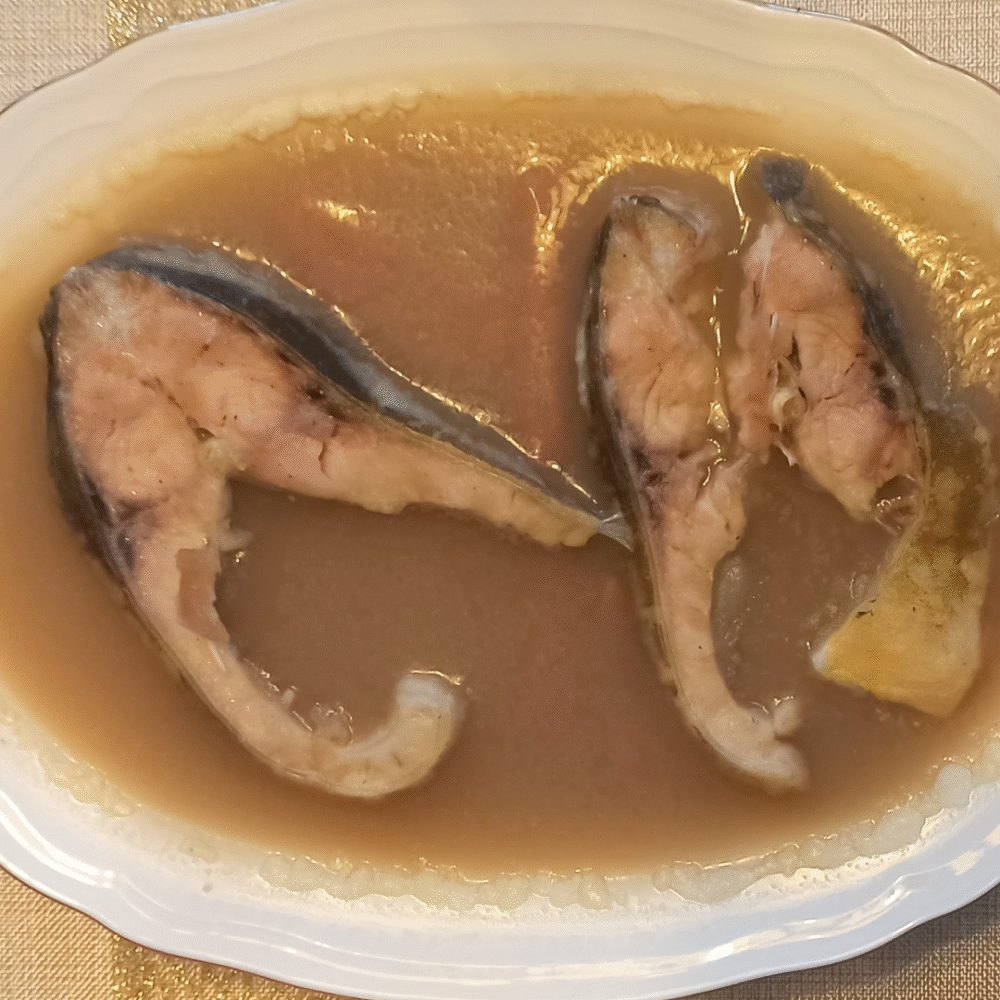
Aw58, CC BY-SA 4.0 , via Wikimedia Commons

KARP W GALARECIE – carp in aspic jelly, another Christmas Eve classic.

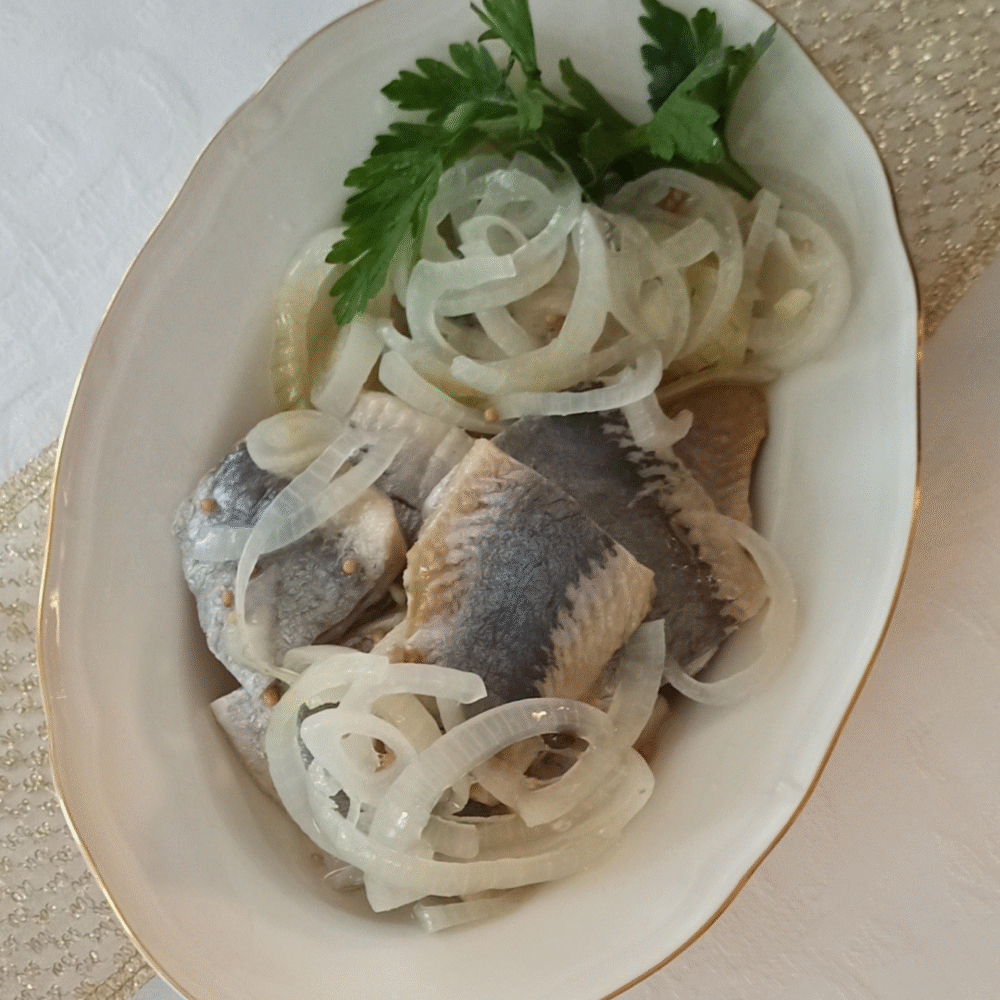
Aw58, CC BY 4.0 , via Wikimedia Commons

ŚLEDŹ W OLEJU Z CEBULKĄ – herring in oil with onion. It’s one of the most classic Polish cold fish dishes.

MOs810, CC BY-SA 4.0 , via Wikimedia Commons

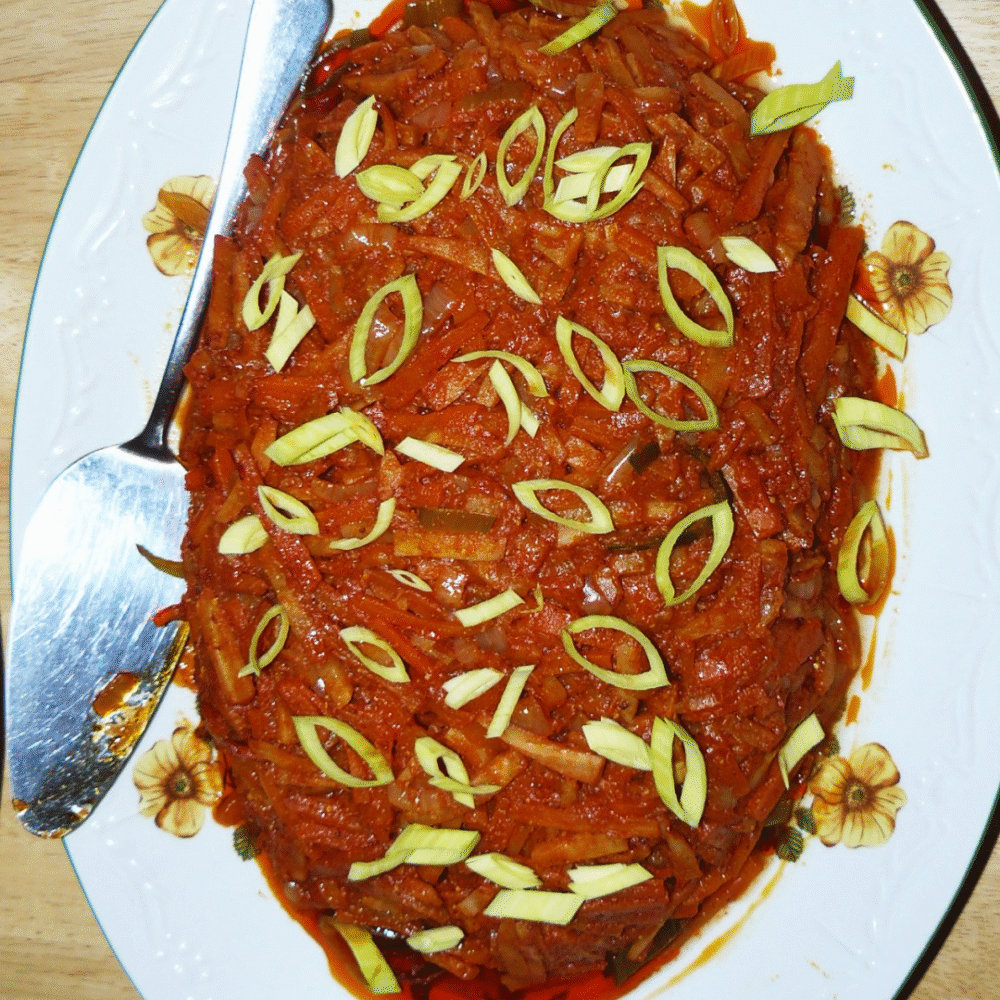
RYBA PO GRECKU –  means fish Greek-style, but it’s actually a fully Polish dish.  It consists of white fish fillets, most commonly cod, pollock, or hake, which are floured and fried, then covered with a slow-cooked mixture of grated carrots, onions, parsley root or celery root, and tomato paste. It is typically served cold.

Garitzko, Public domain, via Wikimedia Commons

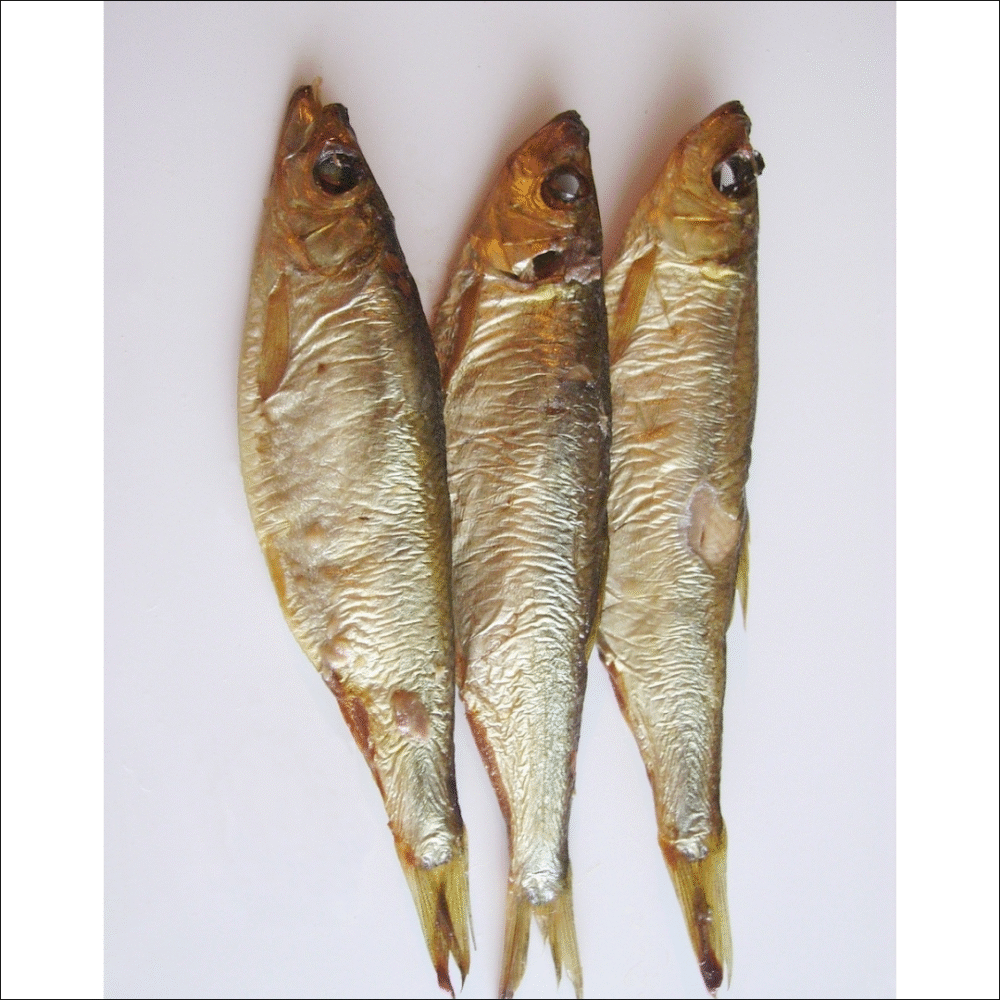
SZPROTKI WĘDZONE – small, whole fish that are hot-smoked, usually eaten with bread and butter.

Icon

Grains

Kagor at the Ukrainian language Wikipedia, CC BY-SA 3.0 , via Wikimedia Commons

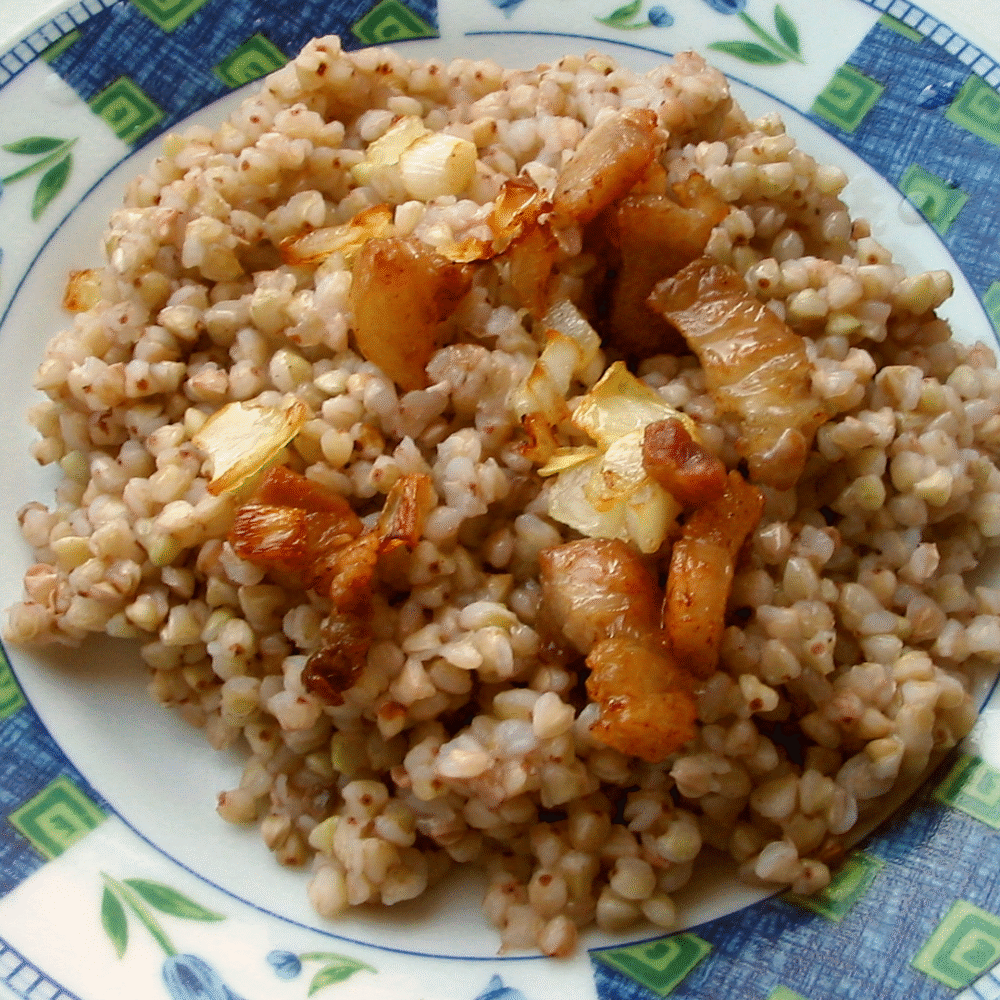
KASZA GRYCZANA – traditional buckwheat porridge, served with butter, crackling, and fried onion toppings.

Dezidor, CC BY 3.0 , via Wikimedia Commons

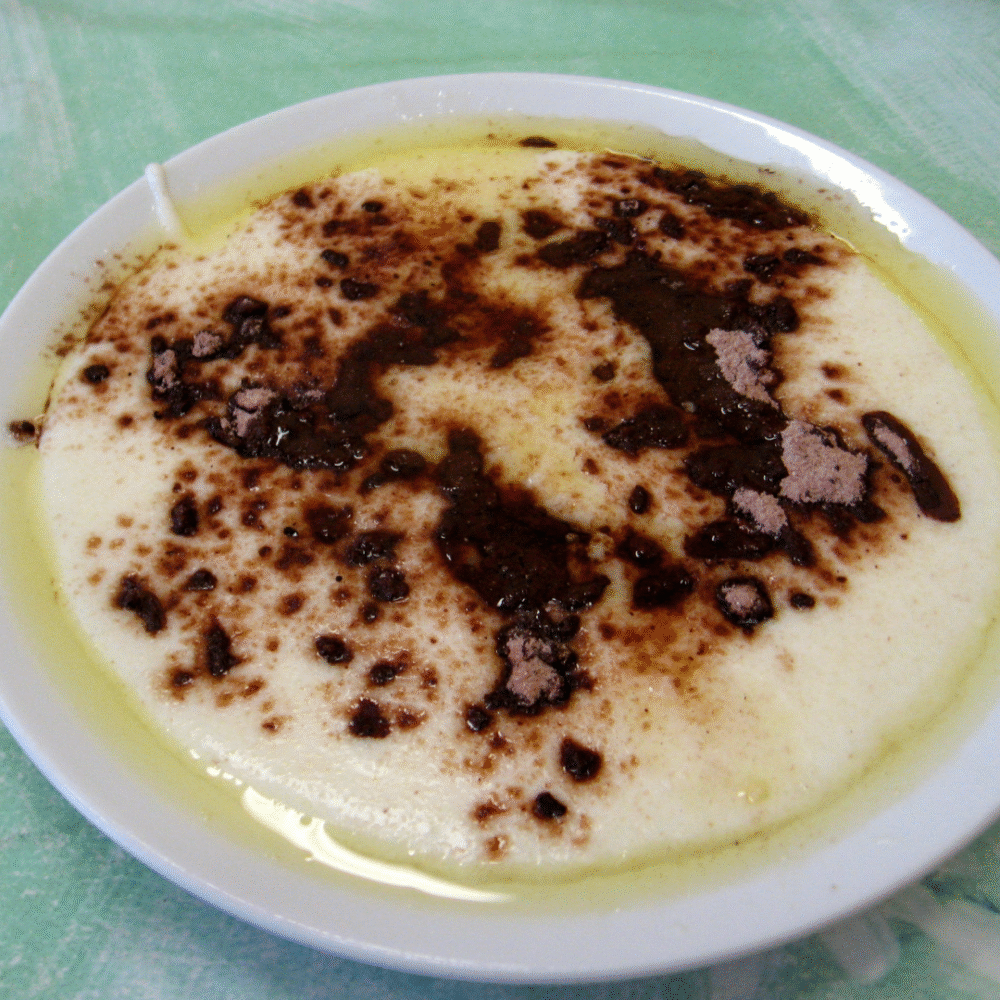
KASZA MANNA – a traditional semolina porridge, made by cooking fine wheat semolina kasza manna in milk until it becomes creamy. It is a comforting breakfast dish, particularly associated with childhood.

Chris Olszewski, CC BY-SA 4.0 , via Wikimedia Commons

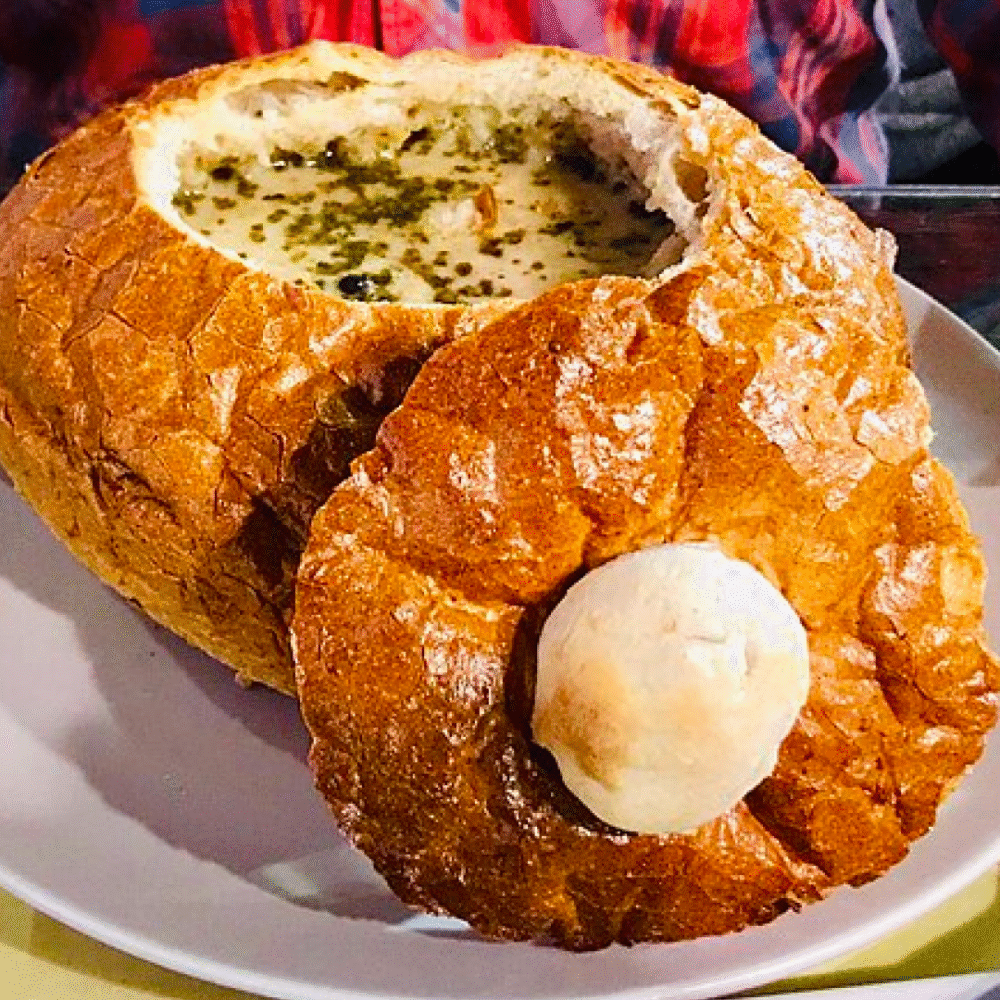
ŻUREK or BARSZCZ BIAŁY – a soup made of soured rye flour (akin to sourdough) and boiled pork sausage or pieces of smoked sausage, bacon, or pork ribs.

Koefbac, CC BY-SA 4.0 , via Wikimedia Commons

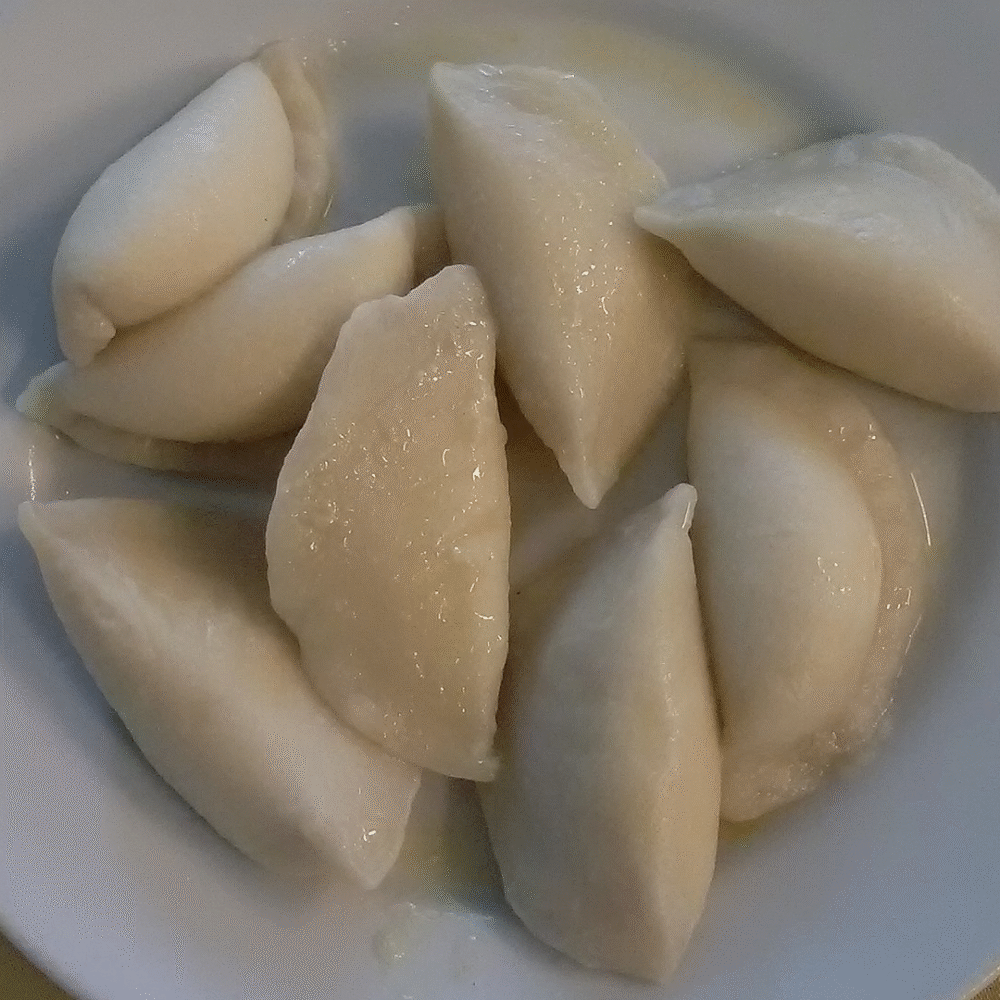
PIEROGI  – wheat dumplings with various fillings: meat, mushrooms, cheese, sauerkraut, and buckwheat. Most often topped with sour cream and fried onions.

File:Cheese, potato, and onion pierogi.jpg: Mike PeelFile:Pierogarnia Stary Młyn9.jpg: Kinga1989derivative work (merge): SpiderMum, CC BY 4.0 , via Wikimedia Commons

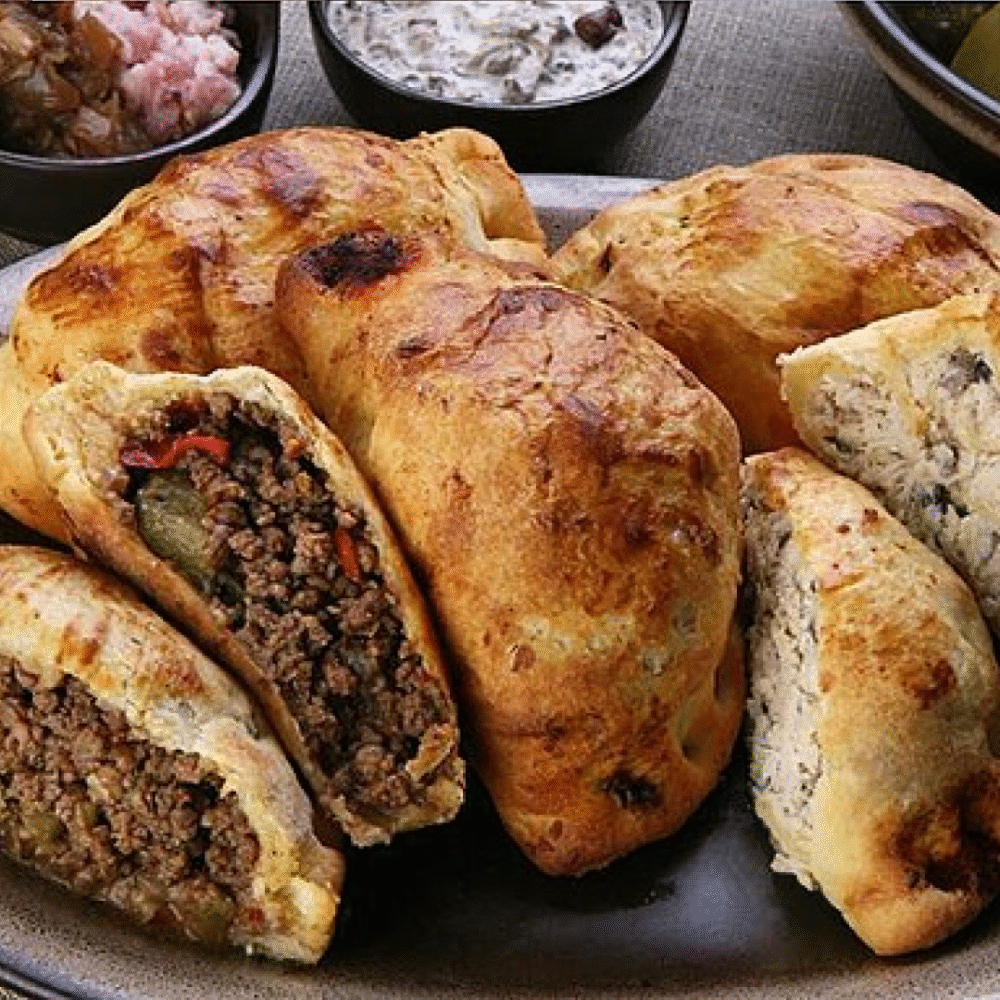
PIEROGI – baked wheat dumplings with various fillings: meat, mushrooms, cheese, sauerkraut.

Julo, Public domain, via Wikimedia Commons

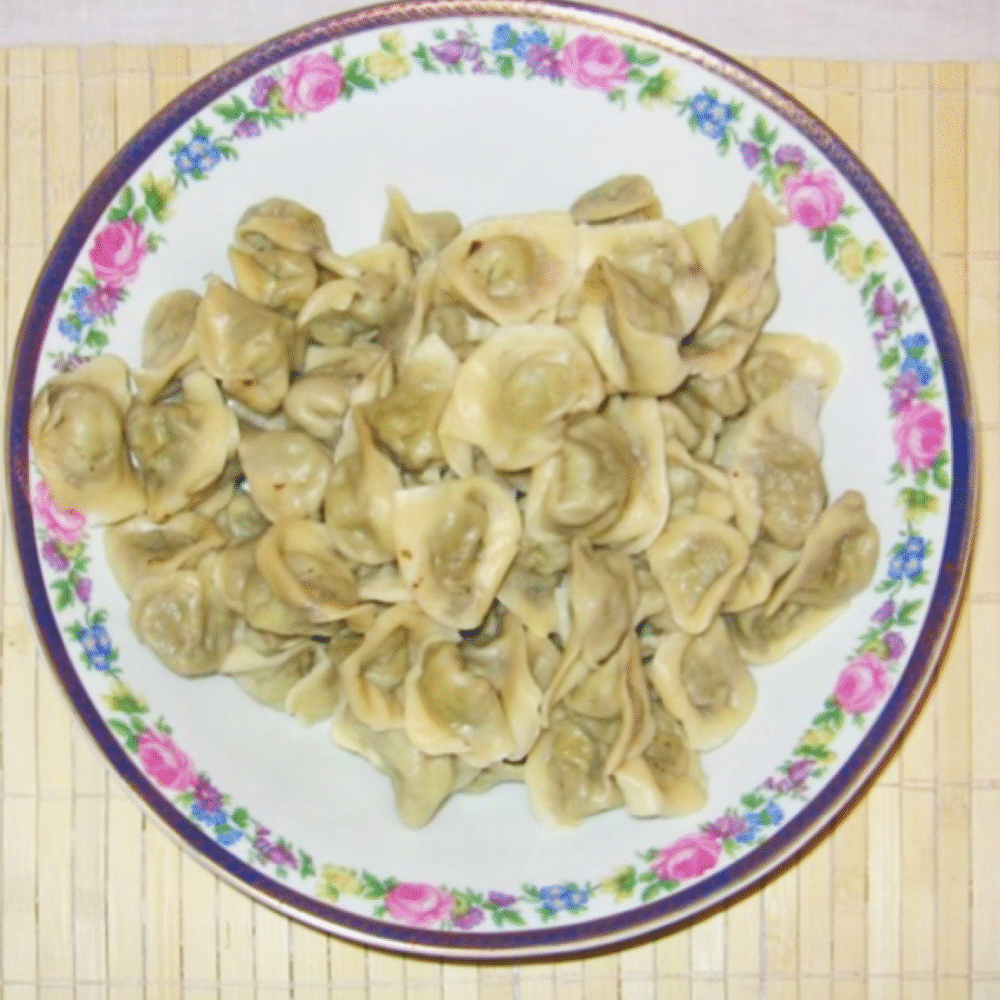
USZKA literally means little ears. They are tiny, folded wheat dumplings, shaped smaller and tighter than pierogi. They’re filled with wild mushrooms and served inside clear red beet soup barszcz czerwony on Christmas Eve (Wigilia). That pairing is iconic in Poland.

Aw58, CC BY-SA 4.0 , via Wikimedia Commons

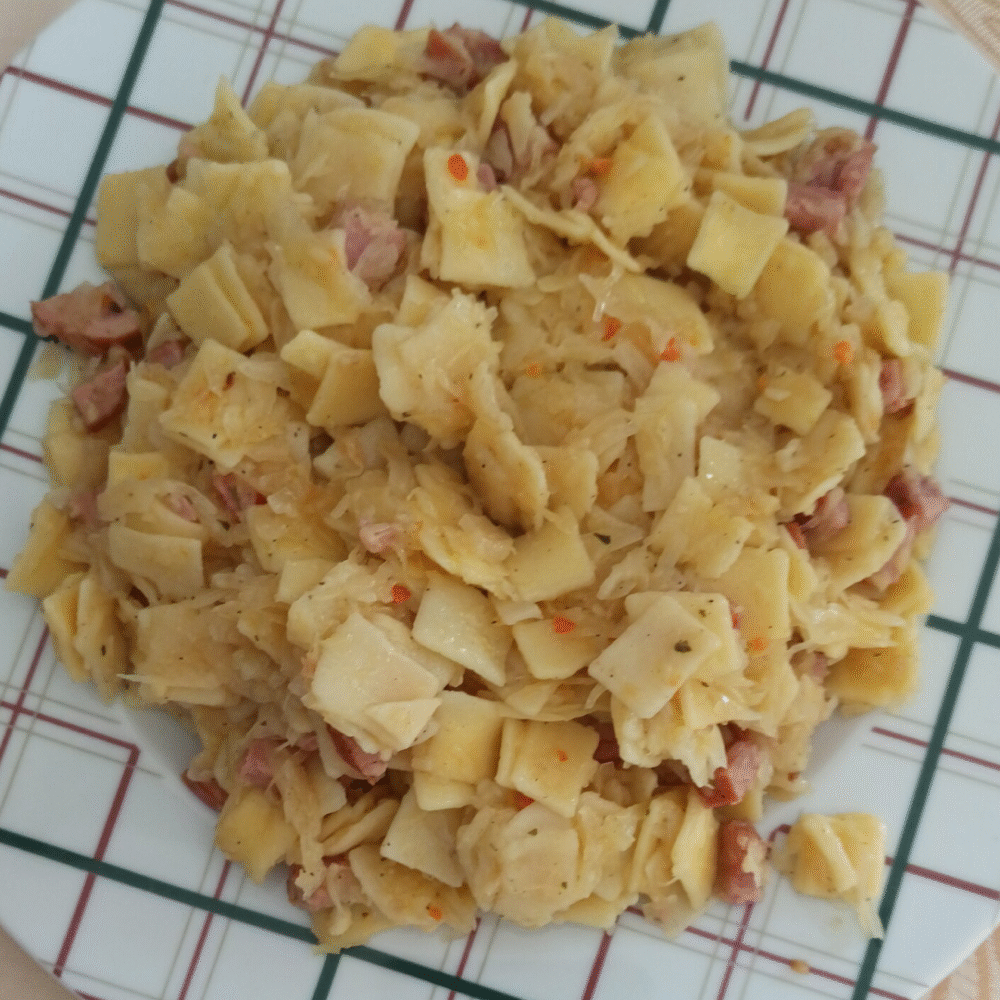
ŁAZANKI – a traditional comfort dish of small, flat, square-shaped homemade pasta. The pasta dough is made with wheat flour, eggs, water, salt, and oil. Boiled łazanki are served with sautéed sauerkraut, onions, bacon, smoked kielbasa, or mushrooms.

Aw58, CC BY-SA 4.0 , via Wikimedia Commons

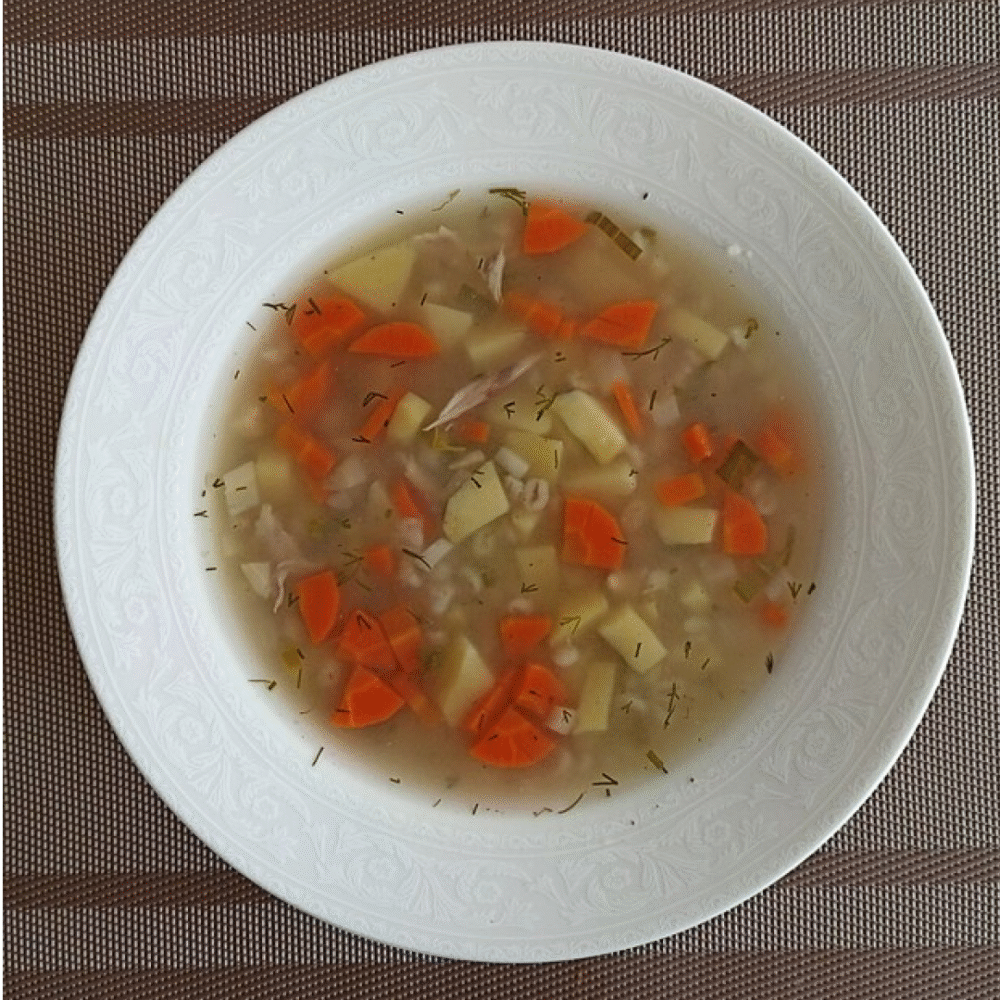
KRUPNIK – vegetable or meat broth soup, containing potatoes and barley groats (kasza jęczmienna, archaically called krupy  – hence the name). Common additional ingredients include carrots, parsley, leeks, celery, onions, meat, and dried mushrooms.

Pilecka, CC BY-SA 3.0 , via Wikimedia Commons

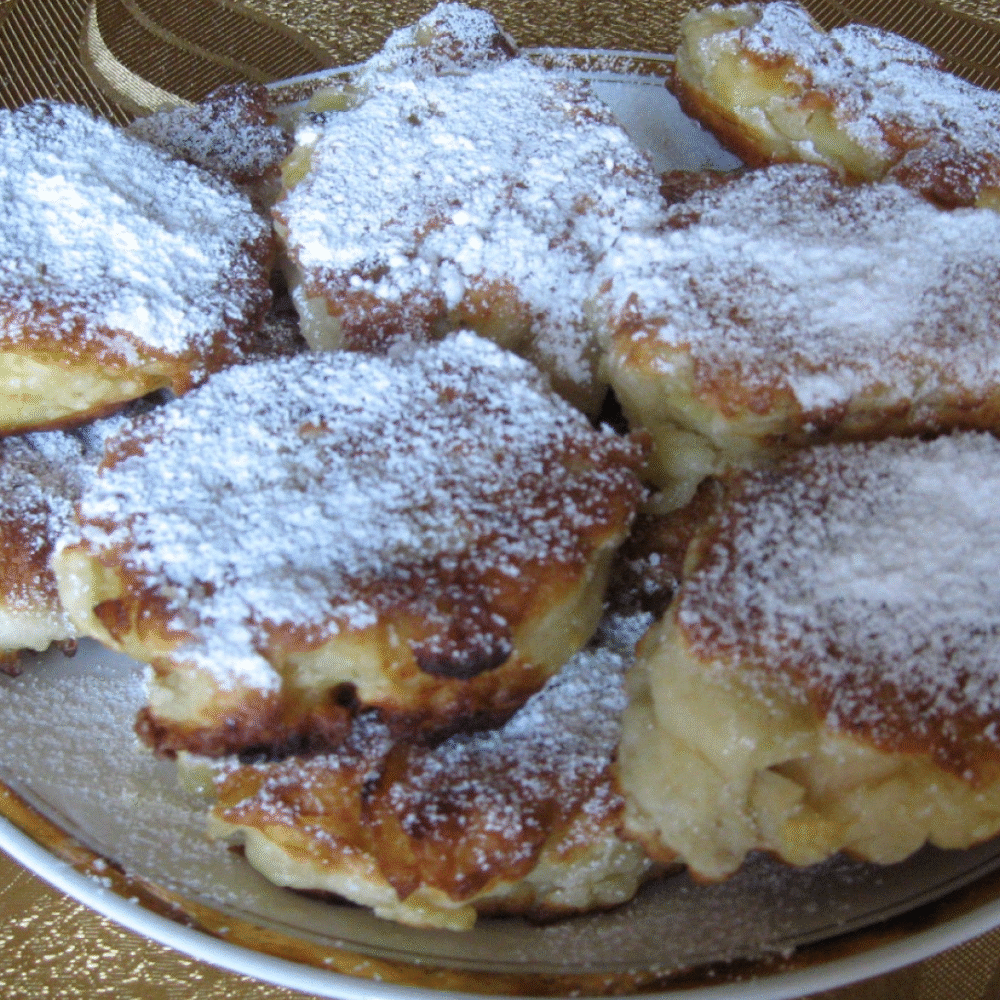
RACUCHY – yeasted pancakes, made from flour, milk, eggs, and sugar, with a pinch of salt, and pan-fried. Usually eaten for dinner, a snack, or supper, plain, sprinkled with sugar, or topped with powdered sugar.
Luxtaythe2nd, CC BY-SA 4.0 , via Wikimedia Commons

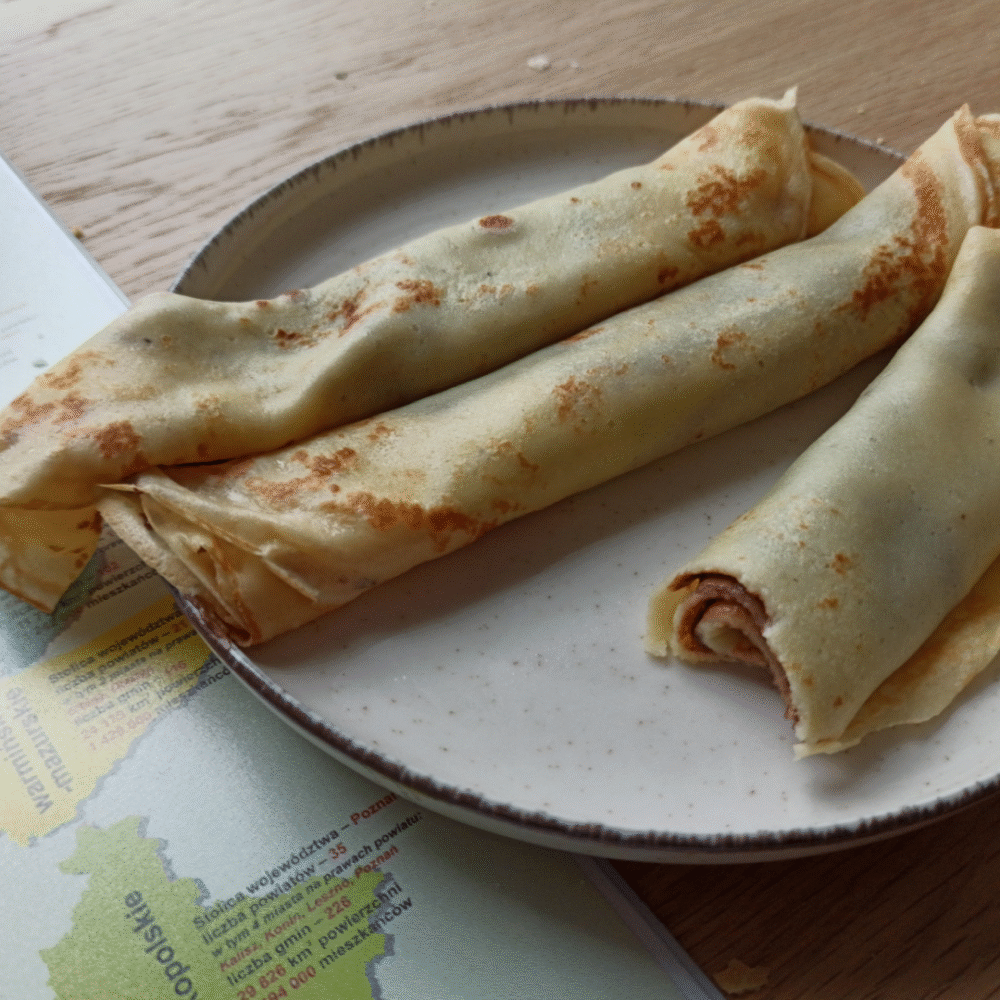
NALEŚNIKI – thin wheat crêpes, similar to French crêpes but used more flexibly. They can be sweet with twaróg, sugar, jam, fruit or savory, with mushrooms or meat.

Icon

Produce

Aleksandra Domurad, CC BY 4.0 , via Wikimedia Commons

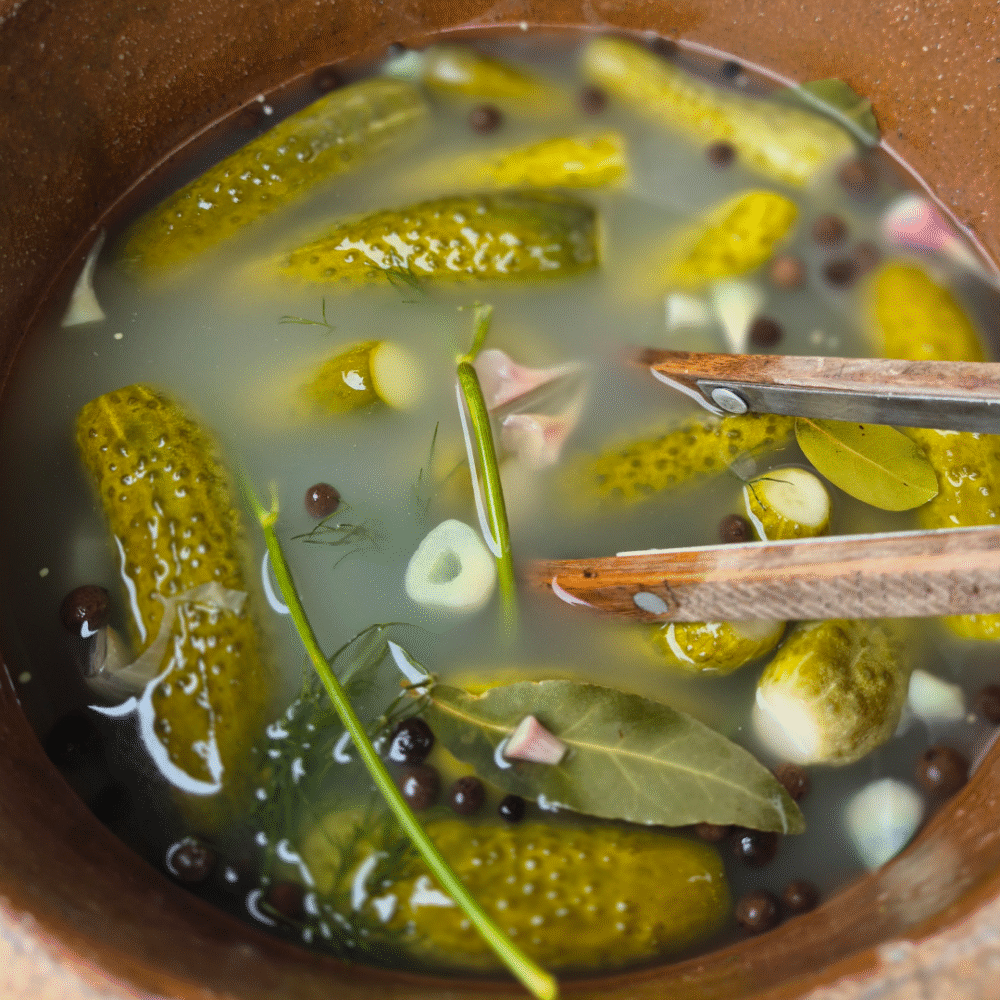
OGÓRKI KISZONE –  fermented cucumbers made by packing fresh small cucumbers tightly in salt brine with dill, garlic, and horseradish. The fermentation happens naturally  – that gives them their bright, tangy sourness, crunchy texture, and probiotics. A staple side dish, snack, or ingredient in ogórkowa.

Alina Zienowicz, CC BY-SA 3.0 , via Wikimedia Commons

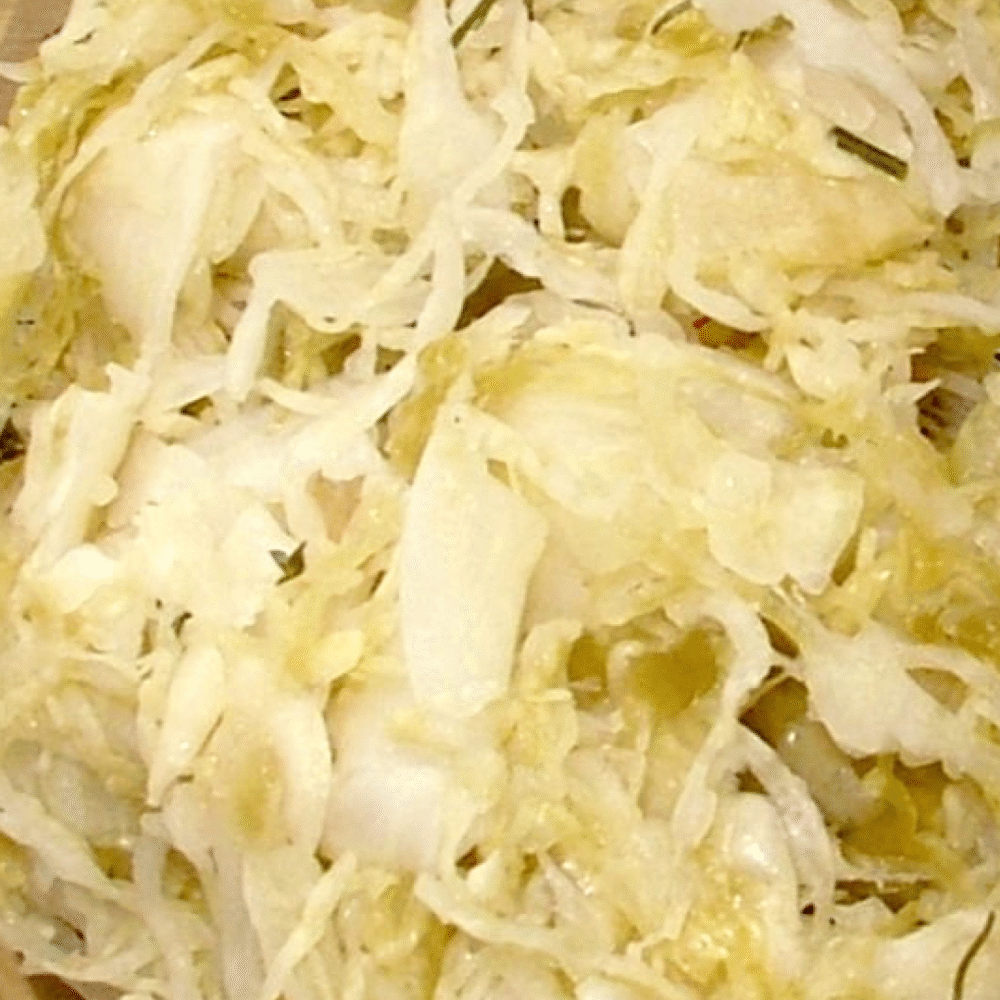
KAPUSTA KISZONA – traditional sauerkraut, made from finely shredded cabbage, a little grated carrot, fermented naturally in salt brine. It keeps well — stored in jars in the fridge for months and is a staple side dish or ingredient in soups, stews, and pierogi fillings.

Aw58, CC BY-SA 4.0 , via Wikimedia Commons

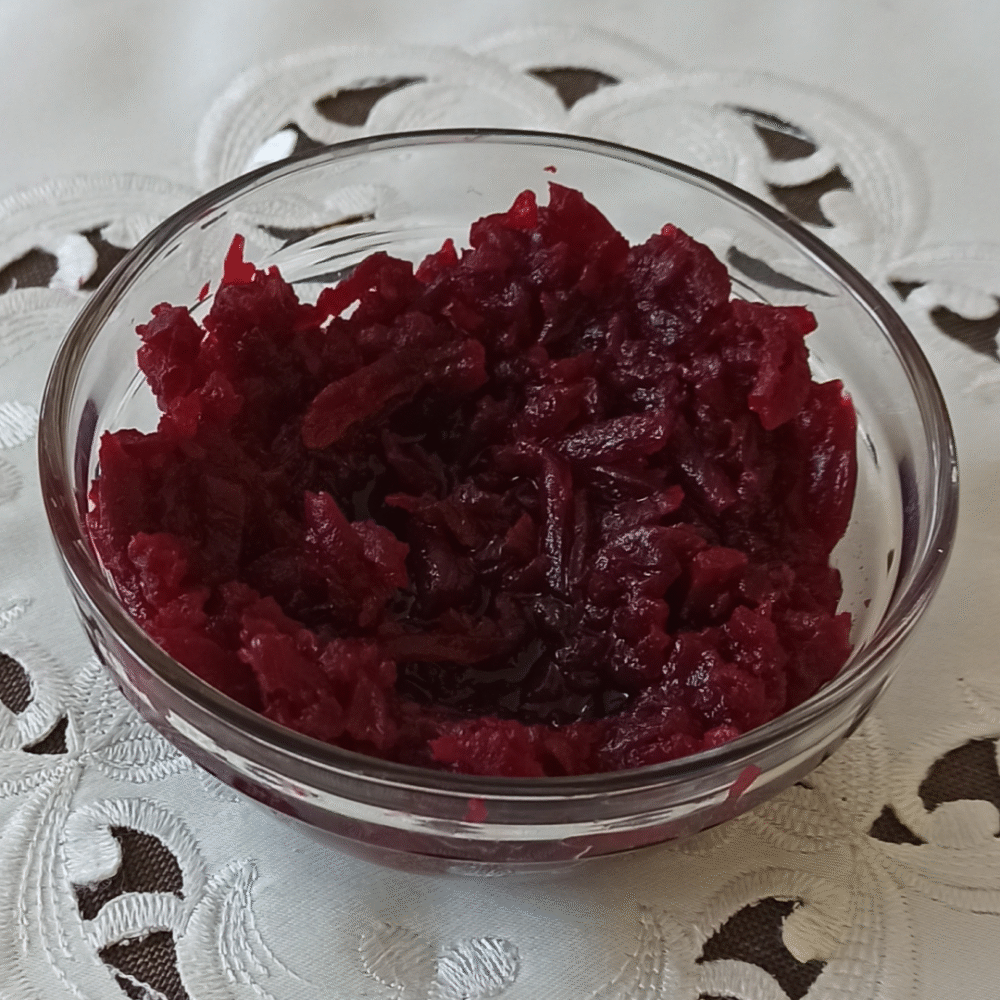
BURACZKI is a classic beetroot side dish. The word simply means “little beets,” but in practice it refers to cooked, grated, or finely chopped beets served warm or cold, and seasoned lightly, with salt, sugar, lemon juice, or vinegar. They’re a standard side with kotlet schabowy, mashed potatoes, and meatballs.

Silar, CC BY-SA 3.0 , via Wikimedia Commons

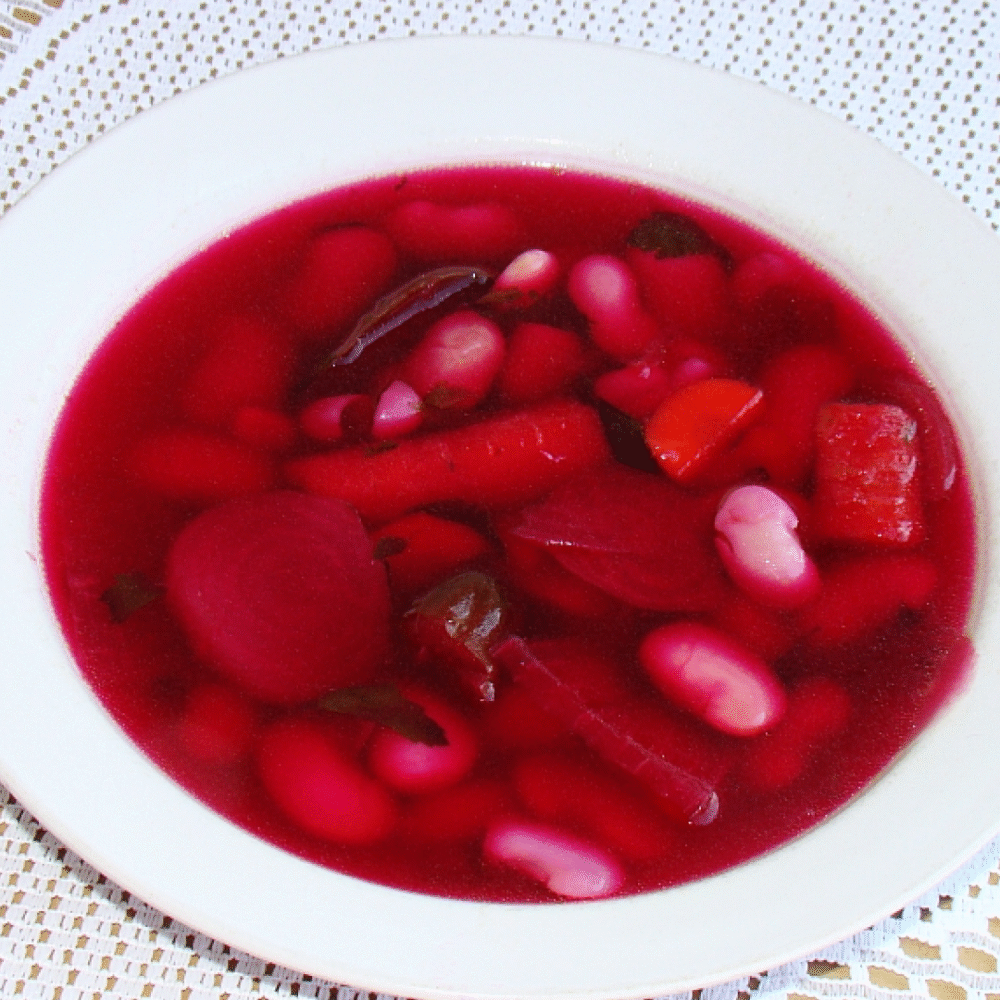
BARSZCZ CZERWONY is a clear, ruby red soup, often lightly fermented for depth, then strained into a transparent broth with a clean, tangy flavor. The taste balances earthy sweetness with pronounced acidity, sometimes enriched with a touch of garlic or marjoram. It’s served plain in a cup, with mashed potatoes on the side, or most iconically with tiny mushroom dumplings uszka on Christmas Eve dinner.

Aw58, CC BY 4.0 , via Wikimedia Commons

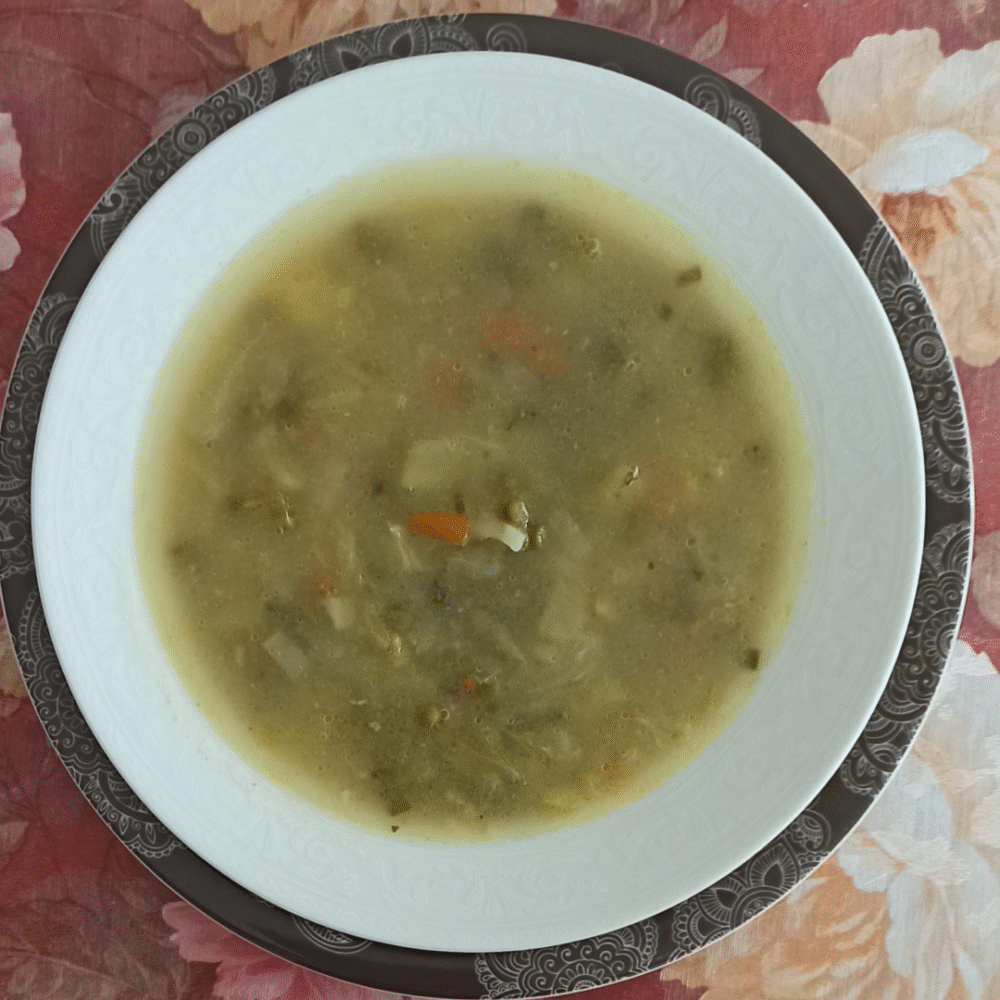
OGÓRKOWA – naturally fermented cucumber soup, also made with pearl barley, mushrooms, and vegetable or meat broth. It’s a tangy, savory flavor that is so Polish.

Silar, CC BY-SA 3.0 , via Wikimedia Commons

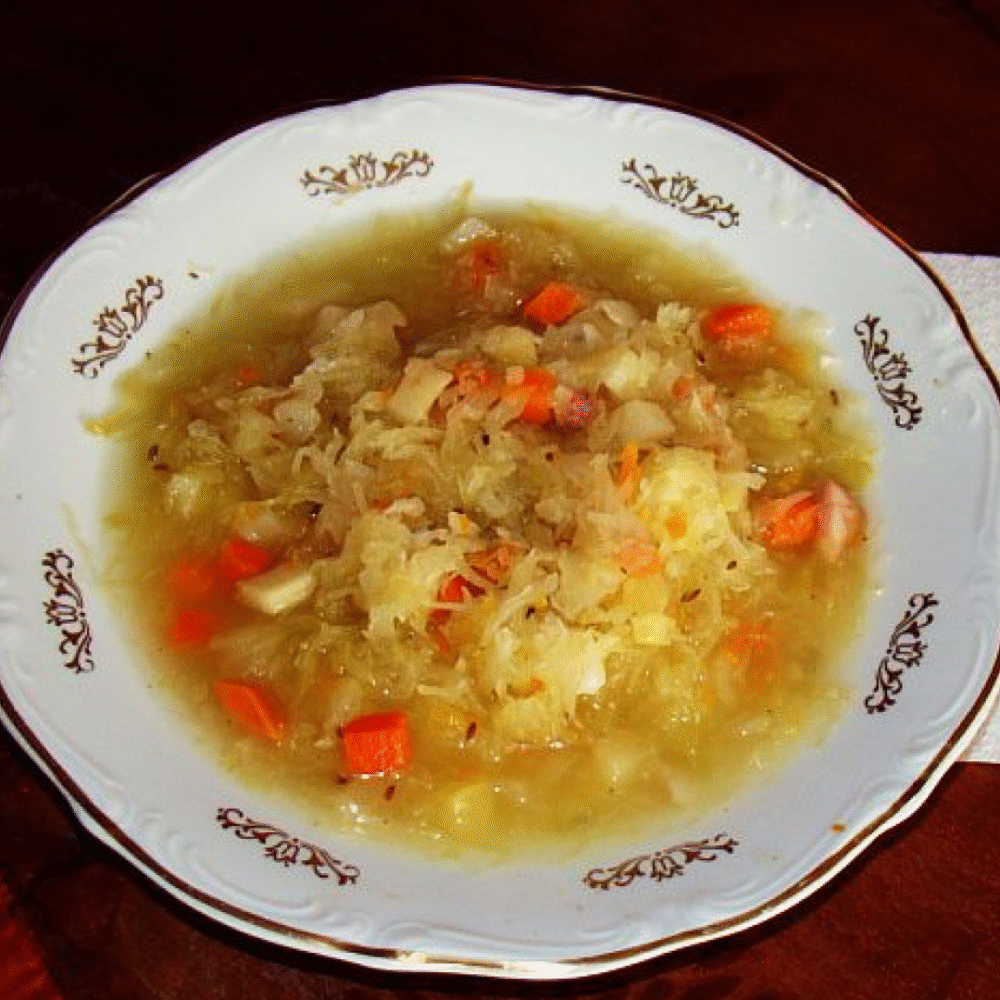
KAPUŚNIAK – a sour sauerkraut soup. Hearty, tangy, and comforting staple of Polish cuisine. It is popular during cold winter months, made with fermented cabbage sauerkraut, smoked meats, carrots, and potatoes. The soup tastes better if left to sit overnight, allowing the flavors to meld.
MichalPL, CC BY-SA 4.0 , via Wikimedia Commons

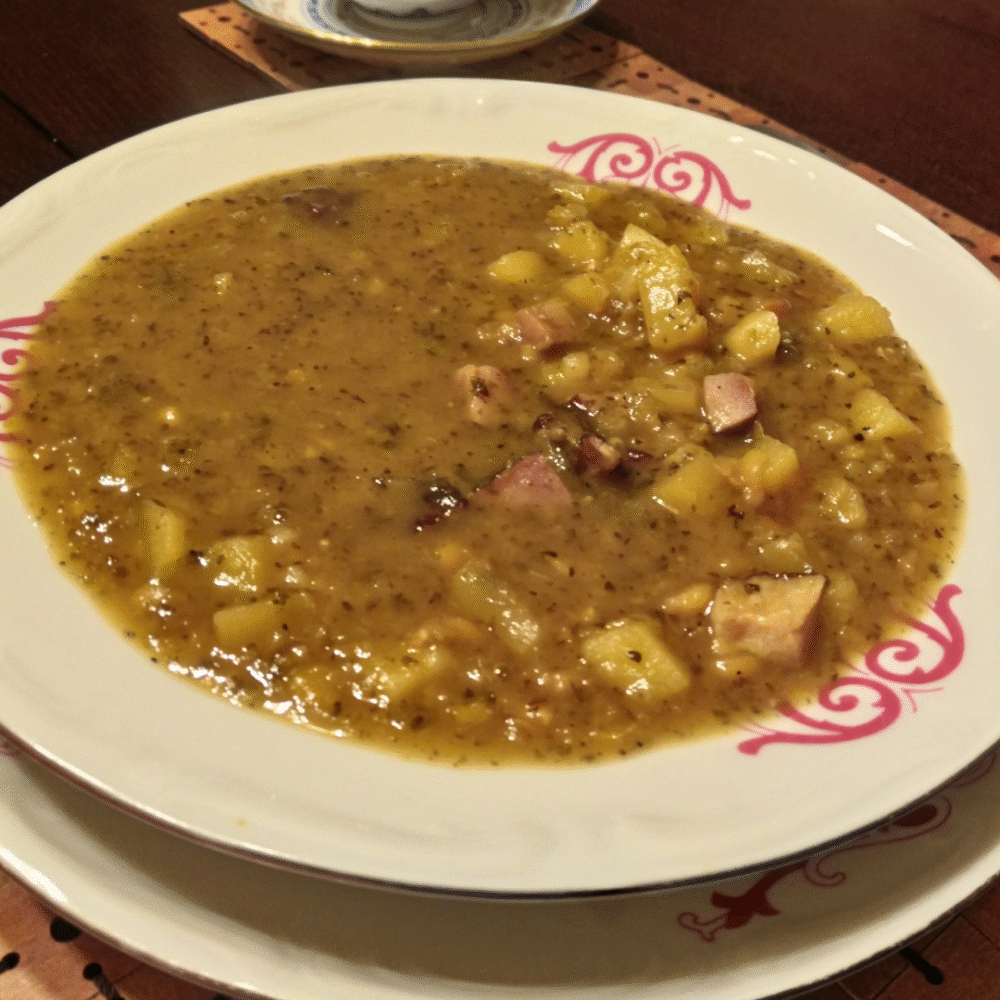
GROCHÓWKA – split pea soup with chunks of smoked sausage or bacon.
Tymekg, CC BY-SA 4.0 , via Wikimedia Commons

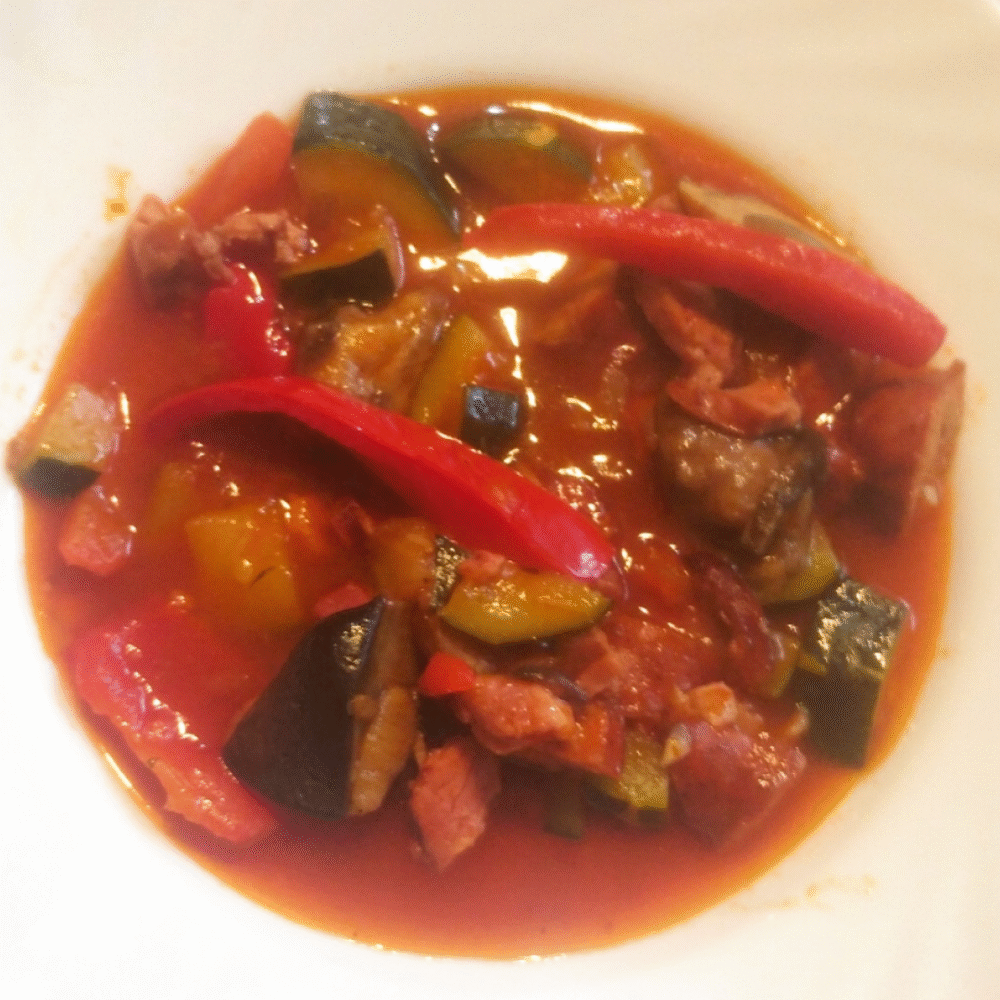
LECZO – Hungarian-influenced vegetable stew, made from red pepper, zucchini, tomatoes, onion and garlic, sausage, and spiced with powdered chilli pepper.


Aw58, CC BY-SA 4.0 , via Wikimedia Commons

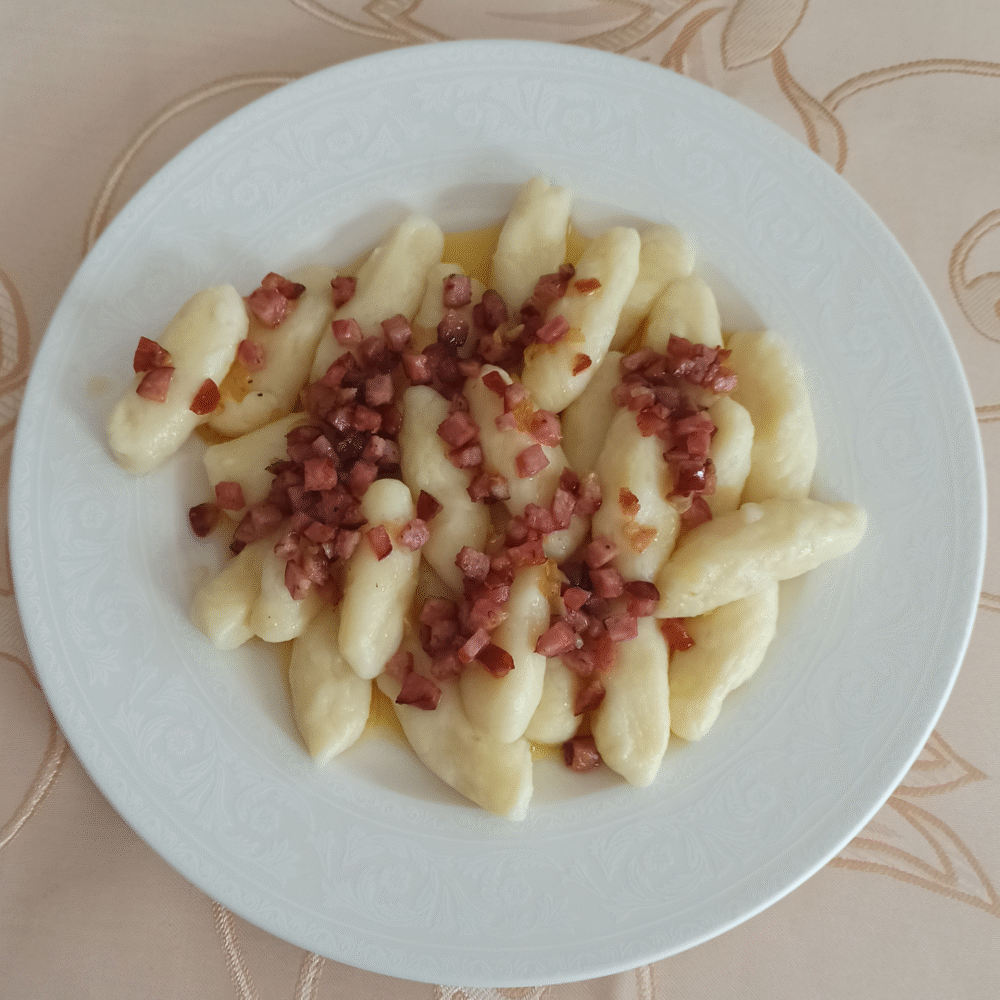
KOPYTKA – potato dumplings made by combining mashed cooked potatoes with a bit of flour, egg, and salt, then shaping the soft dough into little pieces and boiling them until they float.  The name means “little hooves,” referring to their small, slightly angled shape. They’re simple, humble food rooted in affordable potatoes and make a great side dish with meat gravies, mushroom sauces, or just butter.

Icon

Eggs and dairy

No machine-readable author provided. Piotrus assumed (based on copyright claims)., CC BY-SA 3.0 , via Wikimedia Commons

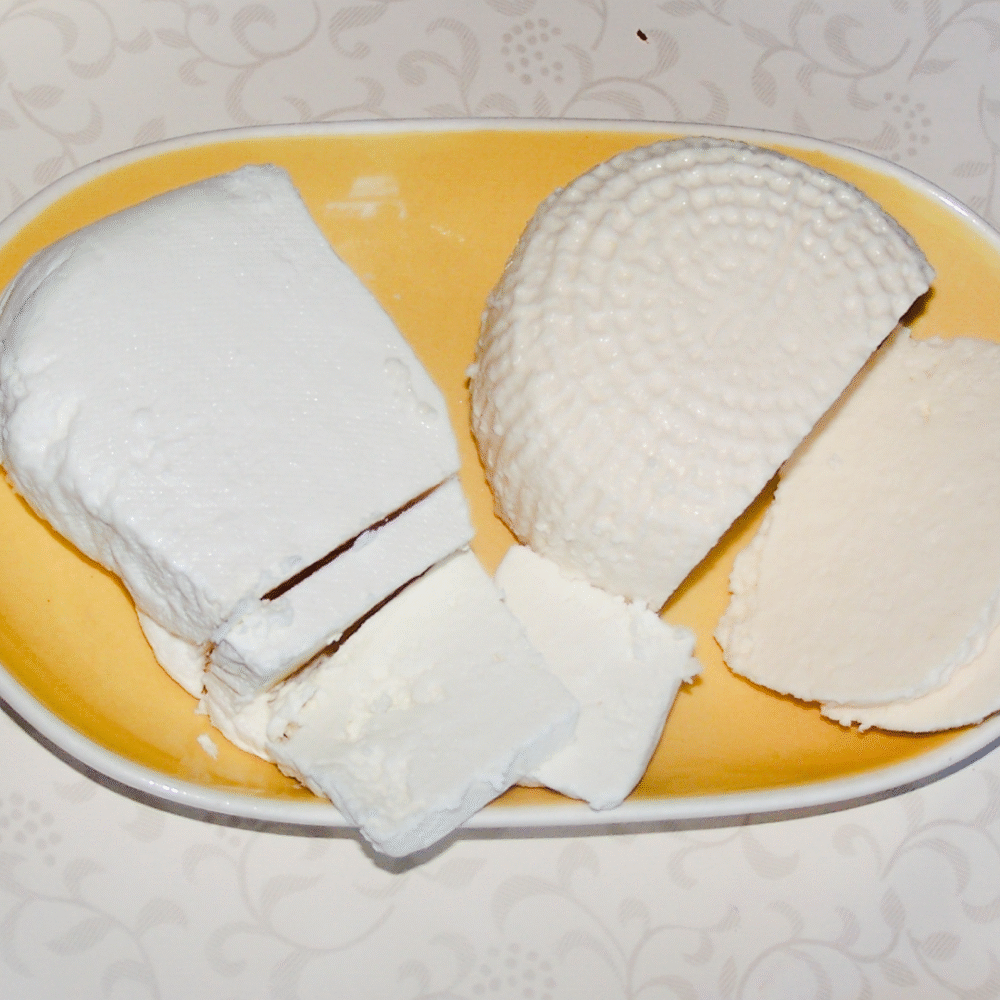
TWARÓG – fresh curd cheese is central. It’s eaten simply with chives and radish for breakfast, but more importantly, it features many other dishes. Pierogi combine twaróg with potatoes and onion. Naleśniki are often filled with sweetened twaróg.

MOs810, CC BY-SA 4.0 , via Wikimedia Commons

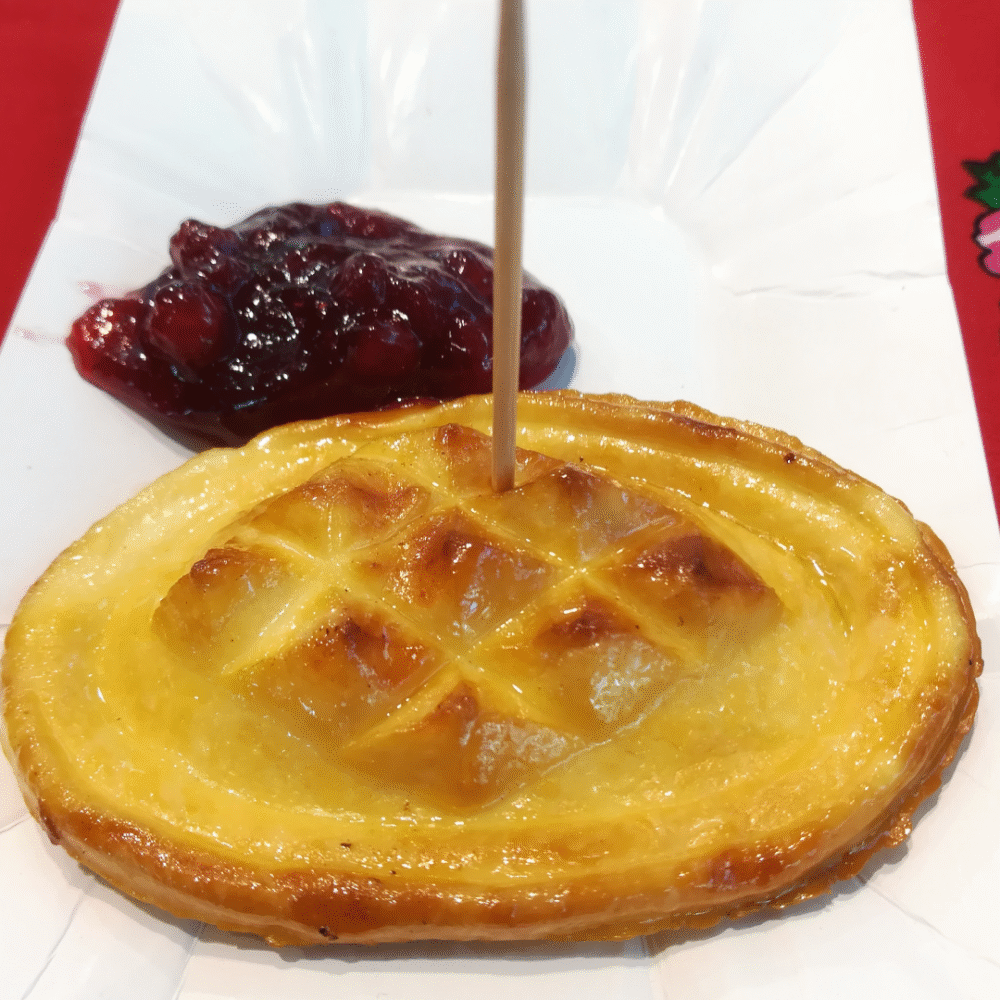
OSCYPEK  is the exception to Poland’s otherwise fresh-cheese culture. It’s a smoked sheep’s milk cheese from the Tatra region, firm and salty, often grilled and served with cranberry jam.

Icon

Sugar, fats and nuts

No machine-readable author provided. Jarfil assumed (based on copyright claims)., CC BY-SA 3.0 , via Wikimedia Commons

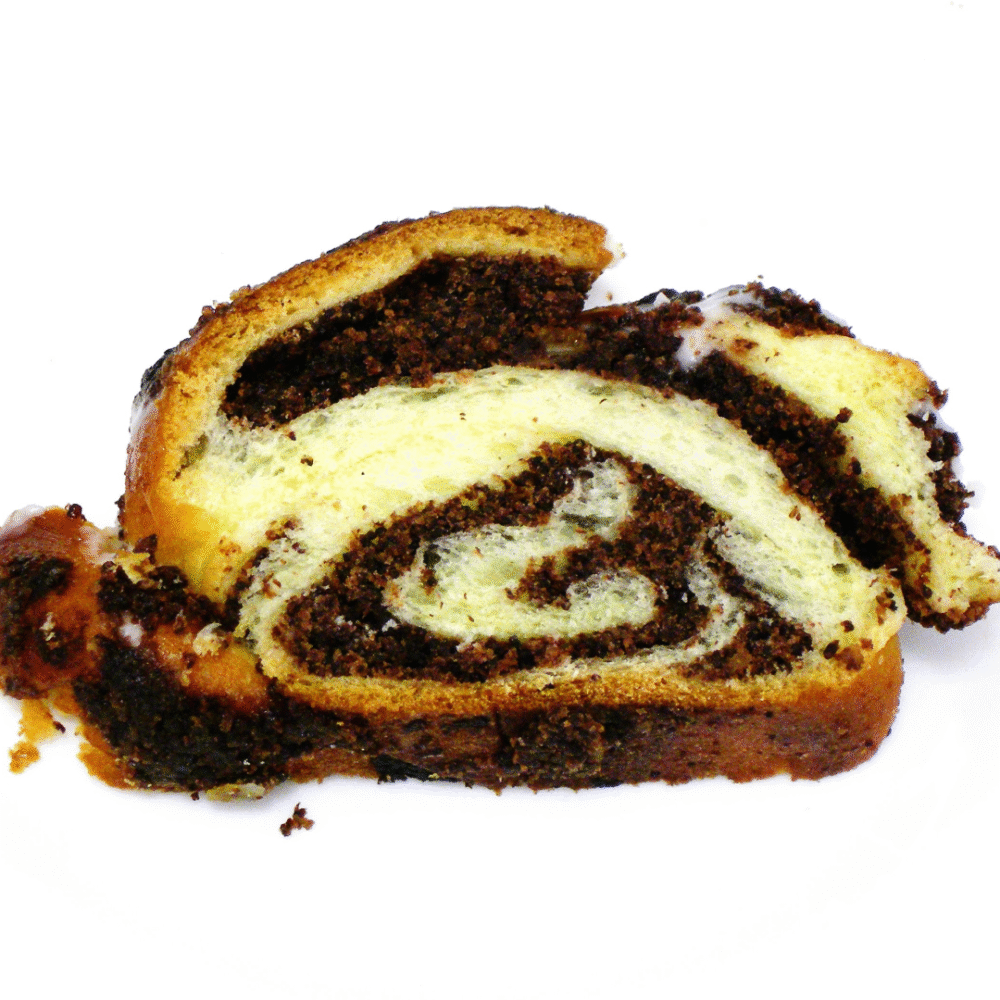
MAKOWIEC –  a traditional poppy seed roll cake. It’s made from soft yeast dough that is rolled thin, spread generously with a sweet poppy seed filling, then rolled into a log and baked. When sliced, it reveals a tight spiral of dark poppy filling inside pale dough.

Jacek Halicki, CC BY-SA 4.0 , via Wikimedia Commons

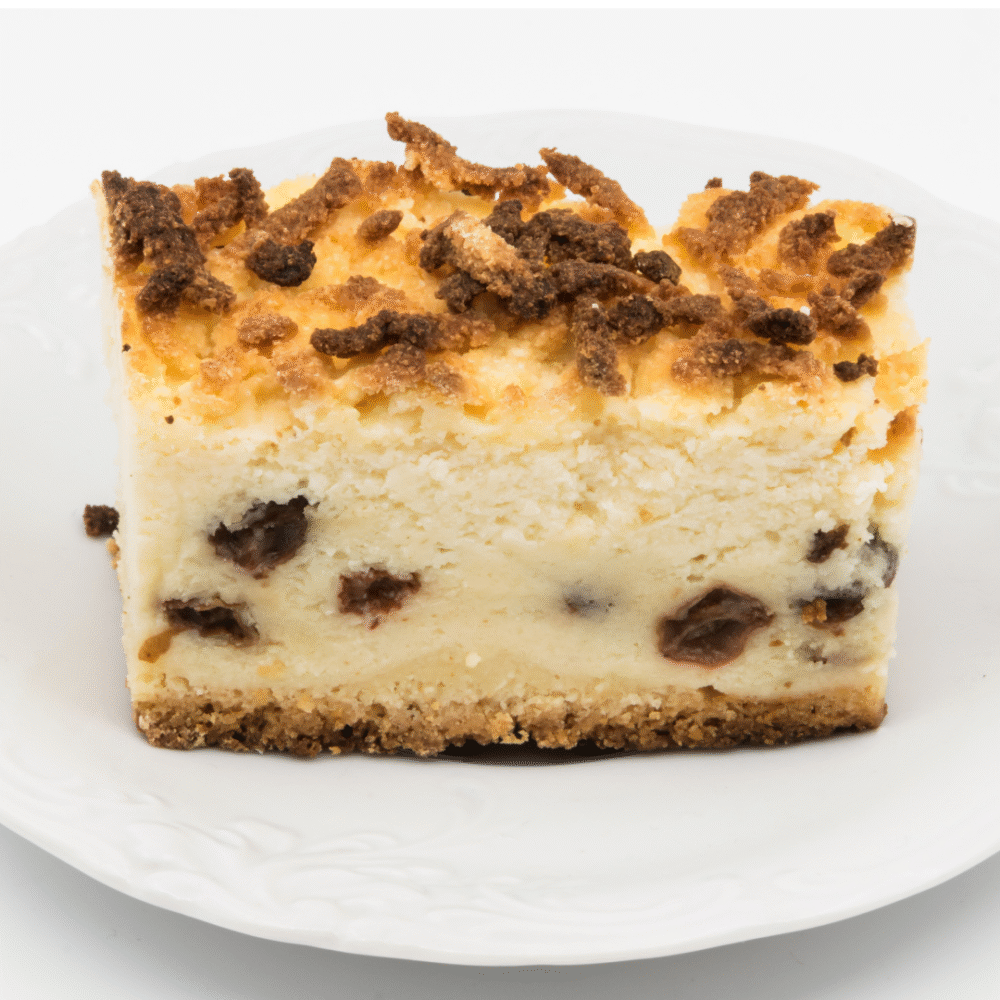
SERNIK – cheesecake, made with twaróg (fresh curd cheese) rather than cream cheese. The cheese is ground smooth and mixed with eggs, sugar, and butter. Some versions include raisins, citrus zest, or a shortcrust base. It’s baked slowly, which gives it a dense, slightly crumbly texture rather than the creamy softness of New York–style cheesecake.

Aw58, CC BY-SA 4.0 , via Wikimedia Commons

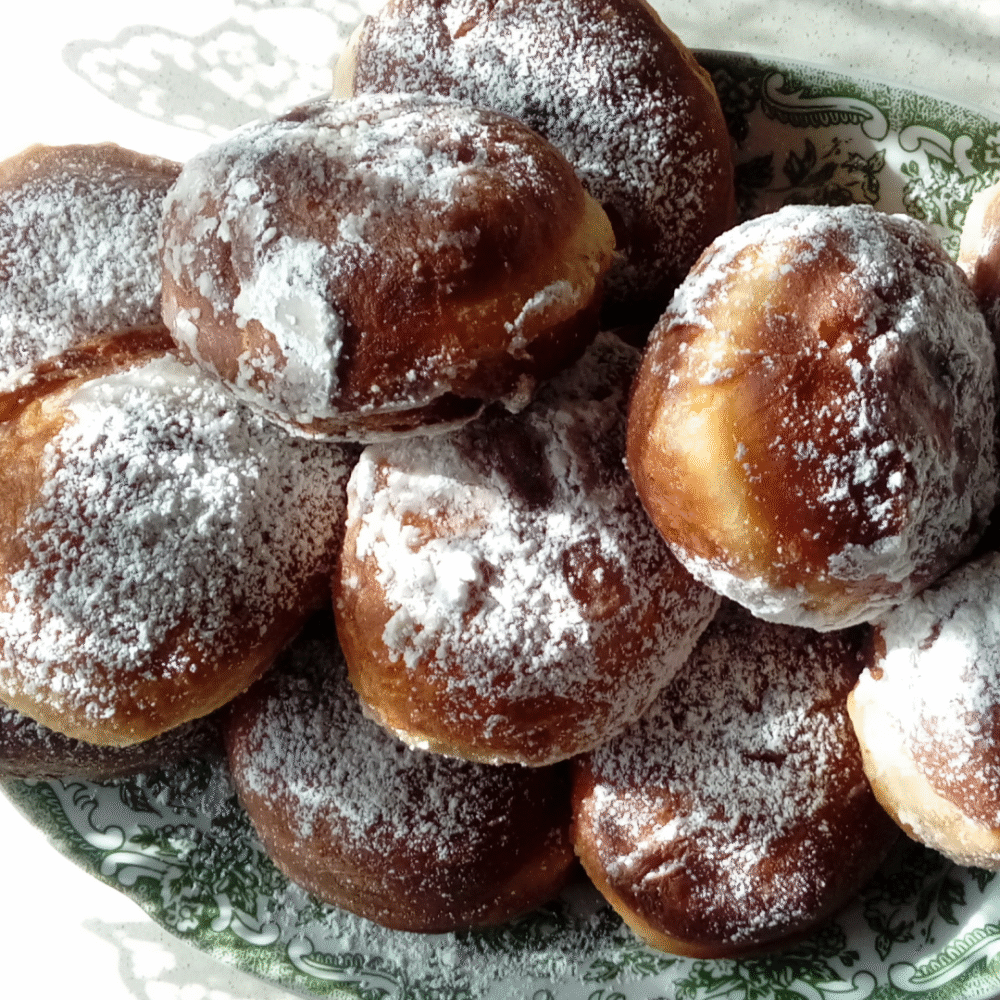
PĄCZKI –  traditional filled doughnuts made from rich yeast dough with eggs, butter, and sugar. They are deep-fried until golden and soft, then filled — most classically with rose petal jam, though plum jam, custard, or other fruit fillings are common. The tops are dusted with powdered sugar or glazed lightly.

SpiderMum, CC BY-SA 3.0 , via Wikimedia Commons

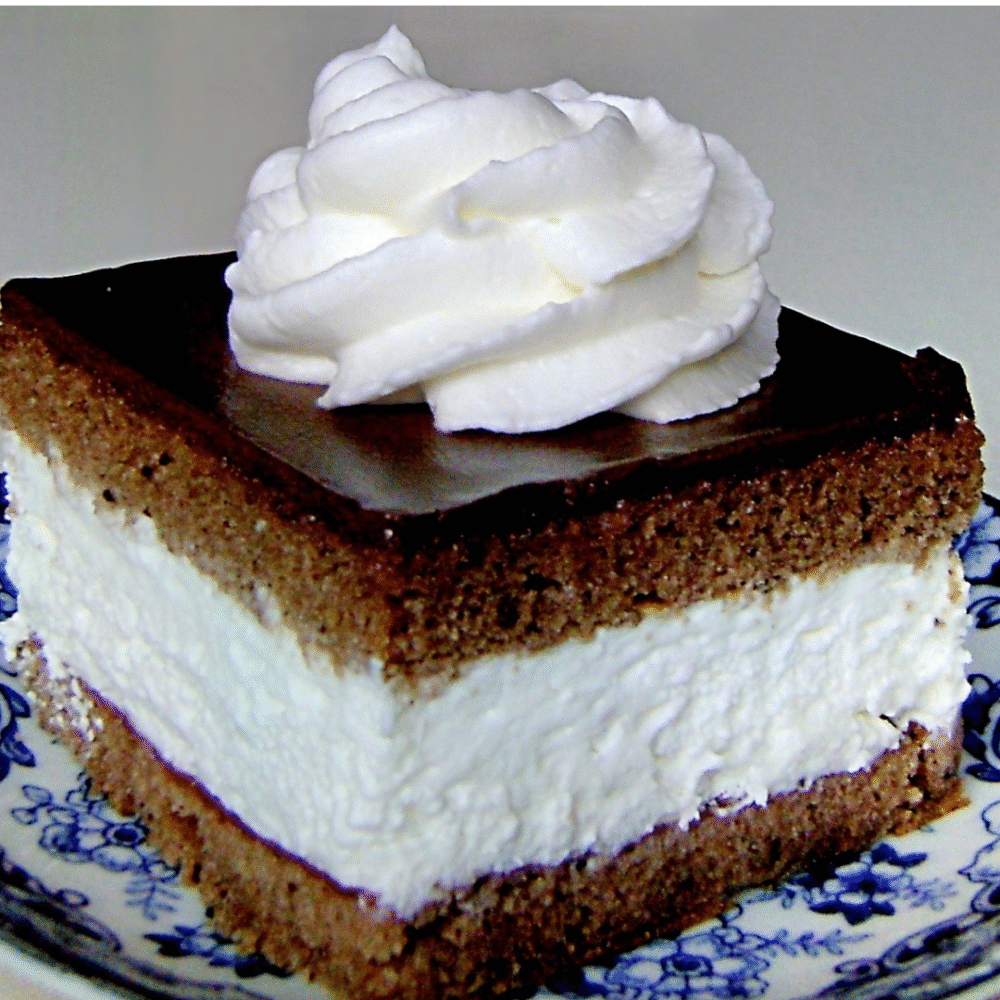
WUZETKA CAKE – a chocolate sponge cake layered with sweet whipped cream and usually a thin layer of jam, then topped with chocolate glaze. What makes wuzetka culturally interesting is that it emerged during a period of ingredient shortages. It became iconic not because it was luxurious, but because it was achievable. It represents resourceful baking under constraint.

SpiderMum, CC BY-SA 3.0 , via Wikimedia Commons

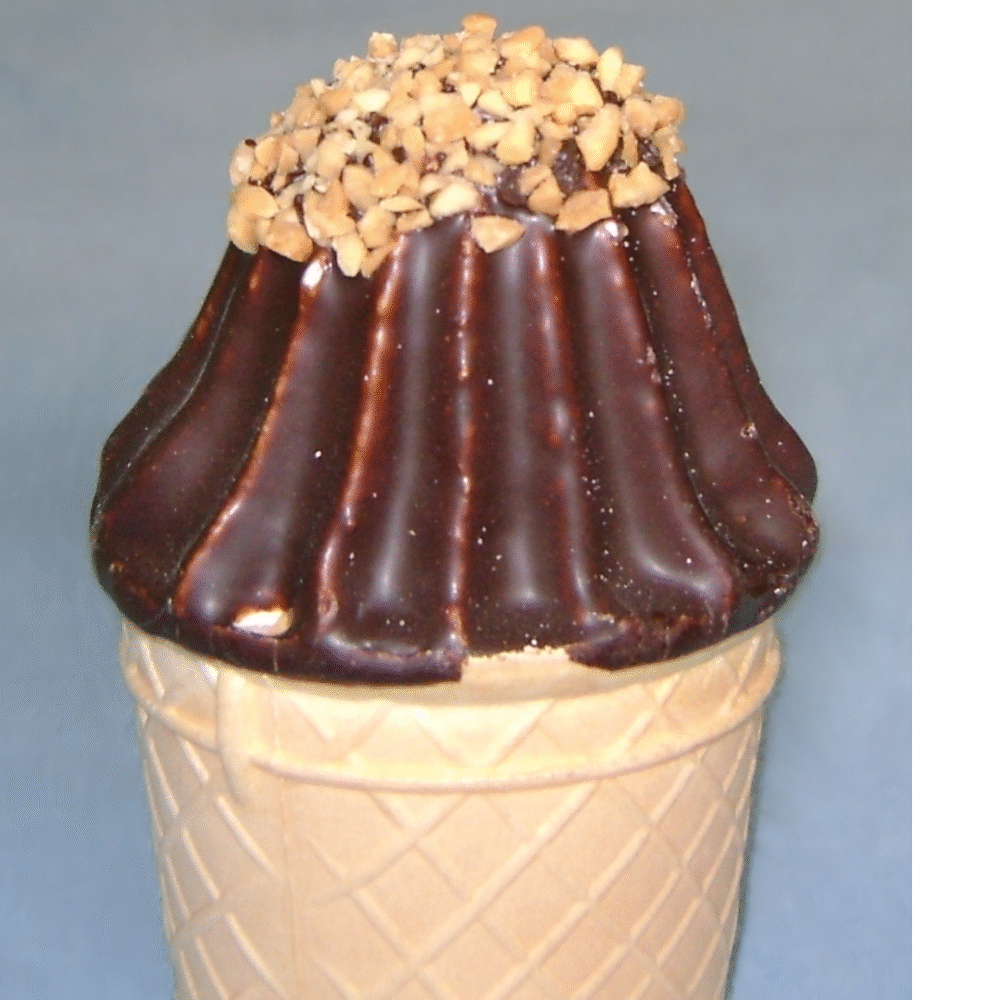
CIEPŁE LODY – egg white mousse in waffle cone.

Alina Zienowicz Ala z, Public domain, via Wikimedia Commons

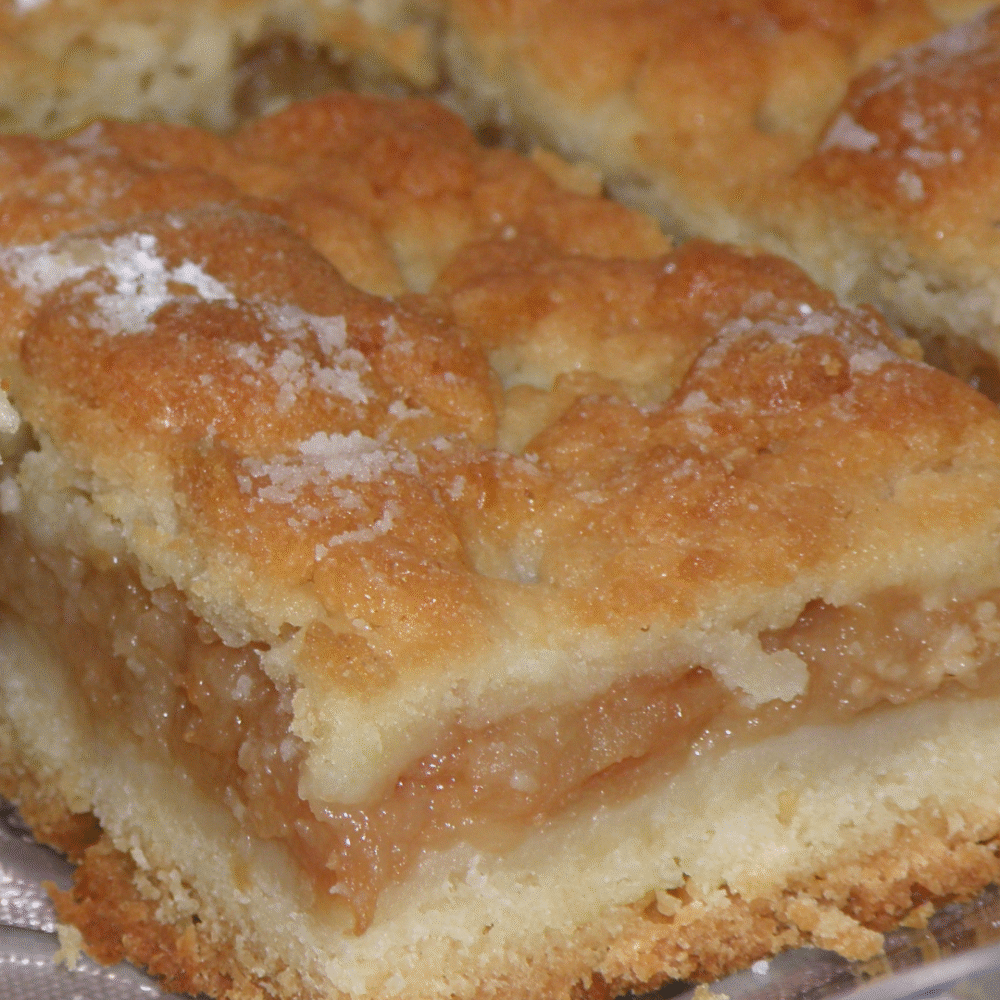
SZARLOTKA is the Polish version of apple pie, made with tart apples baked inside a shortcrust pastry. The apples are cooked first with sugar and cinnamon until soft and slightly tangy. The pastry is buttery and crumbly. Some versions have a lattice top, others a full pastry lid, and some are finished with meringue or a crumble layer.

Ludek, CC BY-SA 3.0 , via Wikimedia Commons

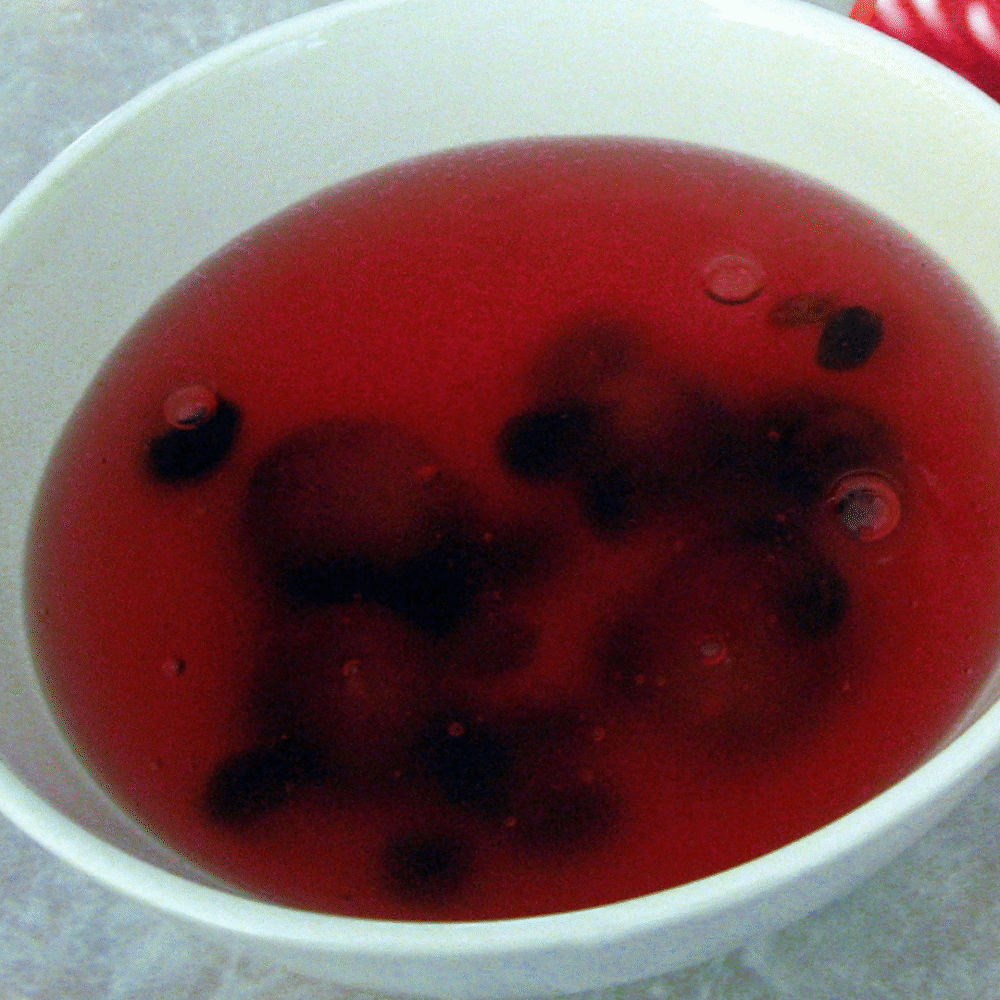
KISIEL -a  thick, gelatinous dessert made from fruit juice or oats. The texture may be unsettling to non-Poles. It sits somewhere between pudding and jelly, but with its own odd identity.

Back to Top